

Ha Giang Weather Tips for Travelers: Best Months to Explore
Ha Giang’s stunning mountains, terraced rice fields, and limestone peaks are a traveler’s dream but the weather can make or break the experience. MOTOGO Tours is here to guide you on the best time to visit.
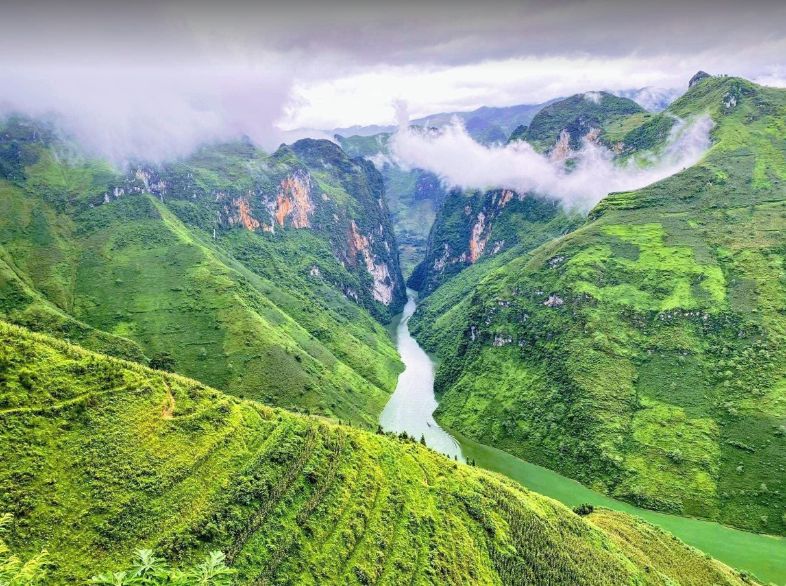
A Glimpse into the Majesty of Ha Giang
At Vietnam’s northern frontier lies Ha Giang, a land where rugged mountains meet vibrant cultures. From winding mountain passes to terraced rice fields and remote ethnic villages, every corner promises adventure and breathtaking scenery.
Location: Vietnam’s Northernmost Frontier
Ha Giang, Vietnam’s northernmost province, borders China and remains remote, about a 6–8 hour drive or overnight bus from Hanoi. Its distance helps preserve the region’s rugged, authentic charm.
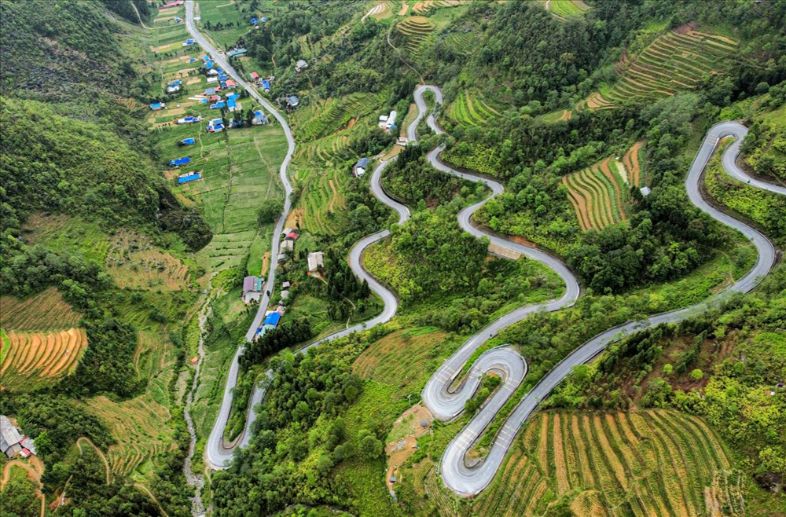
The province’s mountainous terrain and high altitude shape both its dramatic landscapes and unique climate, adding to its allure for adventurous travelers.
Key Features: Geoparks, Passes, and Cultures
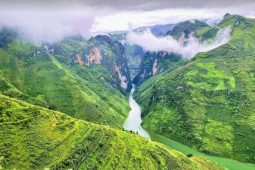
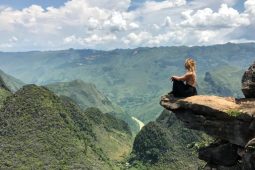
Ha Giang’s dramatic landscape is defined by the Dong Van Karst Plateau Global Geopark, a UNESCO site of towering limestone formations, and the legendary Ha Giang Loop with its breathtaking Ma Pi Leng Pass overlooking the Nho Que River. These natural wonders make it a top destination for adventurous travelers.
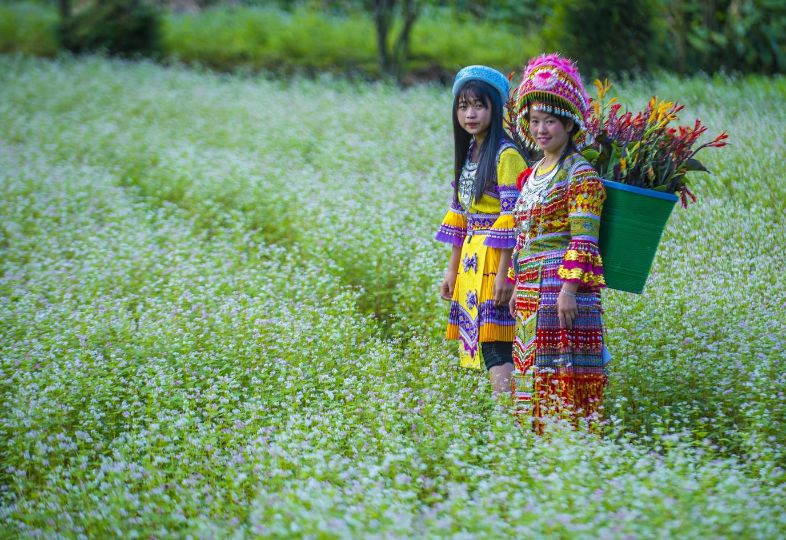
The province is also rich in culture, home to 22 ethnic minority groups, including the Hmong, Tay, Dao, and Lolo. Vibrant traditional clothing, stilt houses, and cascading terraced rice fields in places like Hoang Su Phi add depth to the scenery, offering stunning views that change with the seasons.
>>> Top Things to Do in Ha Giang in December: Nature, Culture, and Winter Magic
Why Understanding Ha Giang’s Climate is Your First Step to Adventure
Imagine the perfect Vietnam trip: Ha Giang’s mountain roads, limestone karsts, and cascading rice terraces likely top the list. But the weather can make or break the adventure, especially if you’re riding a motorbike or trekking. Knowing Ha Giang’s climate and the best months to visit isn’t just advice—it’s your travel roadmap.
The Unique Altitude Effect on Ha Giang’s Weather
Ha Giang’s weather is shaped by its high-altitude terrain, especially the mountains of the Dong Van Karst Plateau Global Geopark. Even within the province, conditions vary dramatically from the warm, humid valleys of Ha Giang city to the foggy, chilly Ma Pi Leng Pass.
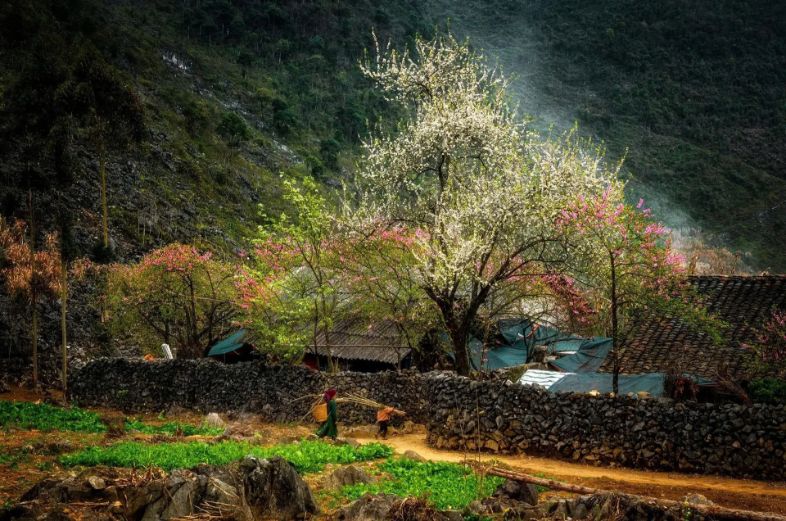
As you climb higher to places like Dong Van and Meo Vac, temperatures drop sharply. A sunny 25°C day in the valley can feel like 15°C on the pass, with biting winds, making layered clothing essential and showing that the “best time” to visit depends on the experience you seek.
Microclimates and Local Variations: Expect the Unexpected
The Ha Giang Loop takes you through a variety of microclimates. Clear skies in the morning can quickly turn into thick, vision-obscuring fog on a mountain saddle, which can be a safety concern on narrow roads.
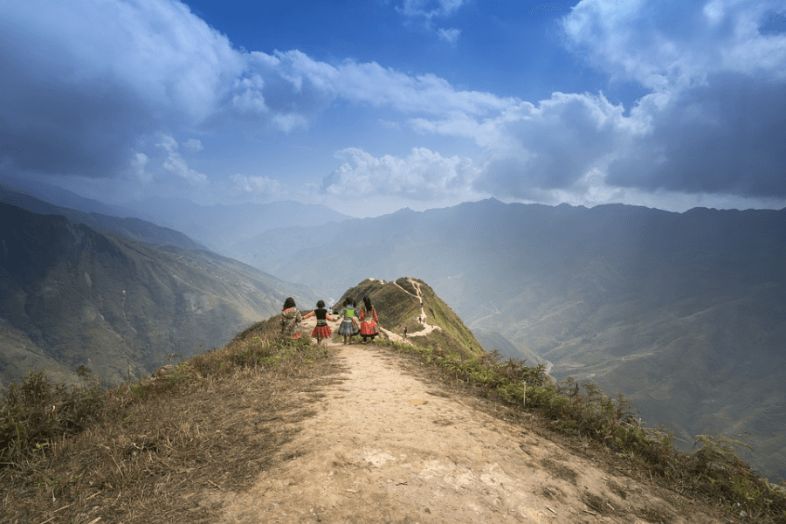
While the region broadly follows dry and rainy seasons, local conditions vary greatly. Travelers should stay flexible, as city forecasts rarely reflect the weather in remote passes and high-altitude areas.
Prime Time for the Ha Giang Loop
Choosing the right time to ride the Ha Giang Loop can make all the difference. From clear skies and dry roads to breathtaking seasonal scenery, knowing the prime months ensures a safer, more enjoyable, and unforgettable adventure through Vietnam’s northern frontier.
September and October: The Golden Harvest Window
September and October are the best months to experience Ha Giang, with moderate temperatures, minimal rainfall, and stunning scenery. The region transforms into a traveler’s paradise during this period.
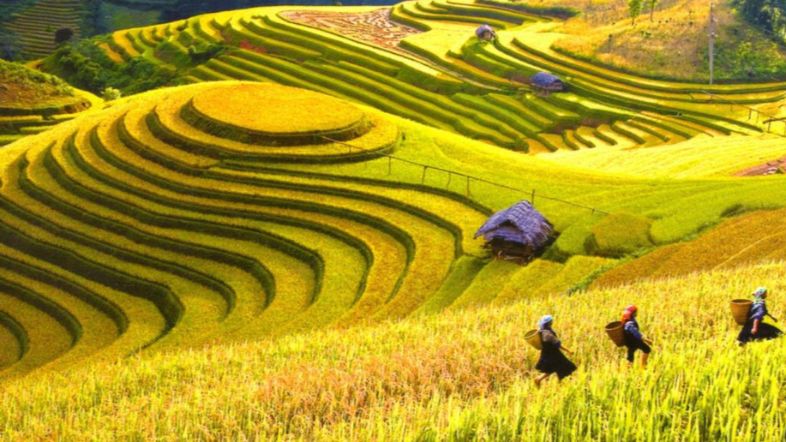
The harvest season paints the rice terraces golden, especially in Hoang Su Phi, while clear skies and dry roads make riding the Ha Giang Loop safer and more enjoyable. It’s the perfect time for panoramic views and photography.
November and December: Buckwheat Blooms and Winter Chill
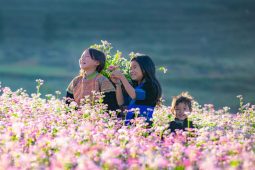
November and December bring crisp, early-winter weather with minimal rain and clear skies. This is when Ha Giang’s iconic buckwheat flowers bloom, especially in Dong Van and Meo Vac, creating pink and white fields celebrated during the annual Buckwheat Flower Festival.

Temperatures drop at higher altitudes, sometimes reaching 5–10°C during the day and near freezing at night. Layered clothing and windproof gear are essential, especially for motorbike rides, but the misty valleys and “sea of clouds” views make it a truly magical experience.
>>> Ha Giang in September: Unforgettable Landscapes and Culture
Spring’s Floral Welcome: March and April
March and April bring pleasant, balanced weather with daytime temperatures between 18°C and 25°C, fresh air, and minimal rain—perfect for riding and trekking.
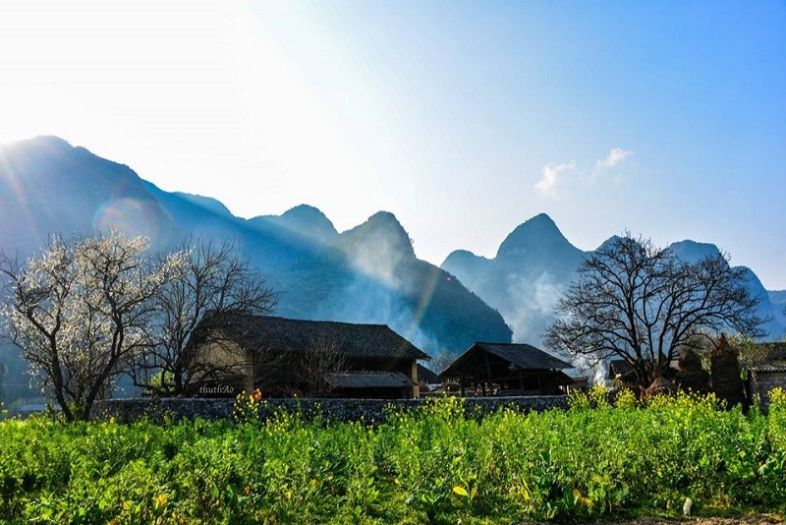
The season also showcases vibrant blossoms of peach, plum, and pear trees, turning the mountains into colorful landscapes. It’s a time of renewal, with local celebrations like Tết and the Khau Vai Love Market adding cultural charm.
May to August: Lush Greens and Heavy Showers
Traveling Ha Giang in the rainy season rewards visitors with the most lush, vibrant scenery of the year. Terraced rice fields fill with water in May and June, creating mirror-like reflections, while waterfalls surge dramatically. If you love emerald landscapes and powerful natural sights, this is a stunning time to visit.
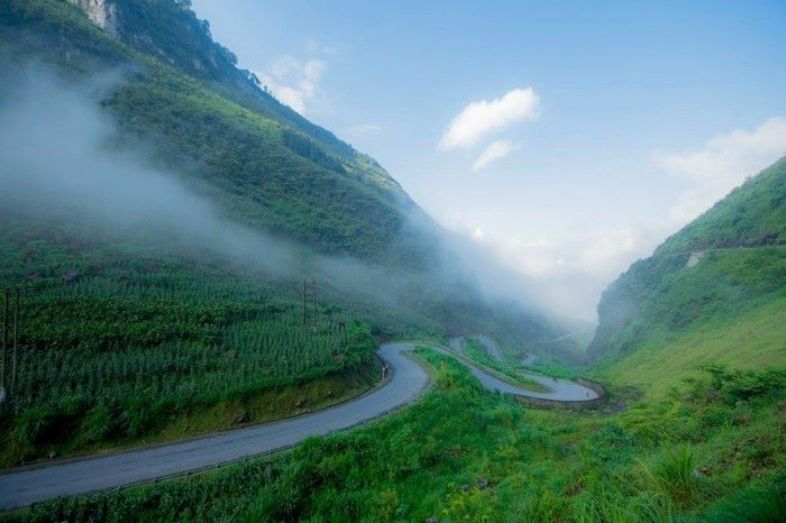
However, heavy rain makes roads slippery and muddy, increases the risk of landslides and flash floods, and can reduce visibility. Travelers should plan carefully, consider guided tours, and pack quality rain gear and waterproof cases for a safer, more enjoyable experience.
What to Expect During Each Season
Understanding Ha Giang’s weather is one thing, but knowing what activities and unique experiences each season unlocks is the real key to planning your perfect trip. The landscape’s character changes profoundly throughout the year, offering distinct adventures tailored to the climate.
Autumn (September – November): The Golden Adventure Peak
The best time to visit Ha Giang offers comfortable weather, dry roads, and clear skies—perfect for enjoying Ha Giang motorbike tours safely while taking in the stunning landscapes.

Late September to October showcases the golden rice harvest in Hoang Su Phi, while November brings the delicate pink and white buckwheat blooms in Dong Van and Meo Vac. This period is also ideal for trekking and hiking with moderate, dry conditions.
Winter (December – February): The Mystical, Chilly Calm
Winter is the coldest season in Ha Giang but offers a tranquil beauty and fewer crowds. The chilly air often creates a magical “sea of clouds” in the valleys, especially at sunrise from high points like Ma Pi Leng Pass.
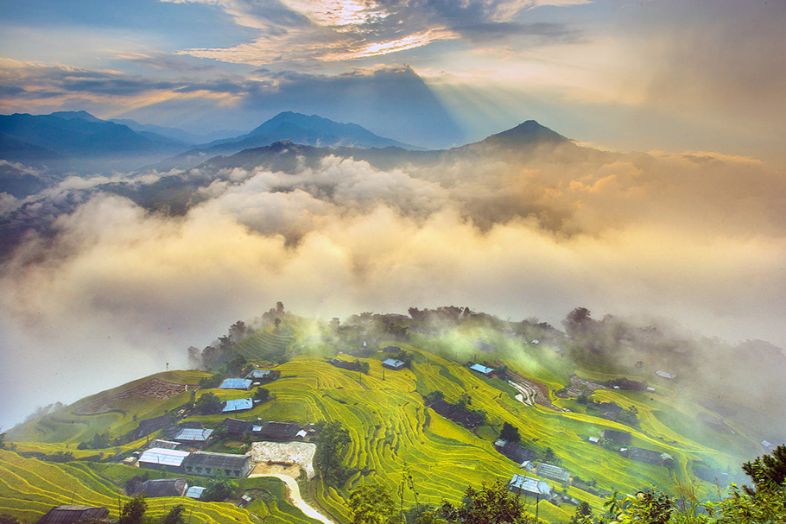
This quiet season allows for deeper cultural immersion, including Lunar New Year (Tết) celebrations. After cold days of riding or trekking, relaxing in local hot springs is perfect, though hikers should be prepared for frost and below-freezing temperatures at night.
>>> Ha Giang Loop Map: Your Ultimate Guide to Adventure
Spring (March – May): The Season of Blossoms and Renewal
Spring (March–May) brings pleasant temperatures and vibrant blossoms, transforming Ha Giang’s mountains with peach, plum, and pear flowers. Late April and early May also feature the unique Khau Vai Love Market, offering a one-of-a-kind cultural experience.
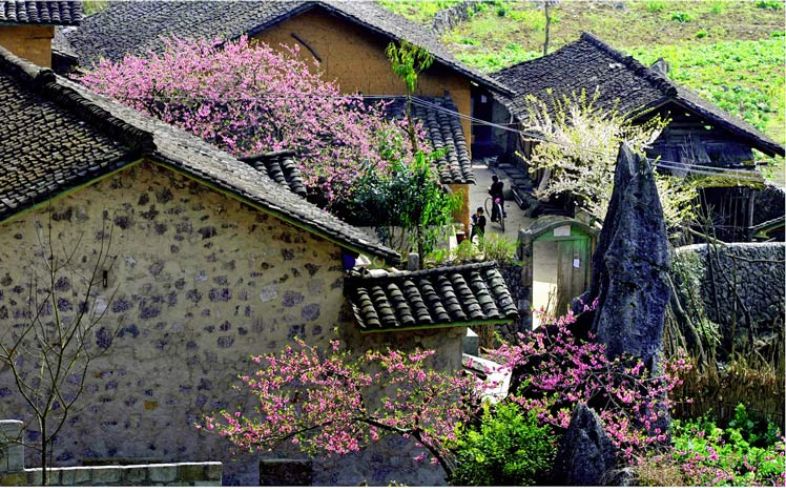
This season marks the start of the “water pouring season,” when flooded rice terraces create mirror-like reflections, perfect for photography. With mild temperatures and generally dry roads, spring is ideal for comfortable motorbiking through the region.
Summer (June – August): The Lush Green Monsoon Adventure
Summer (June–August) brings the rainy season, creating Ha Giang’s most lush and vibrant landscapes. Fully grown rice terraces and powerful waterfalls make for stunning natural scenery.
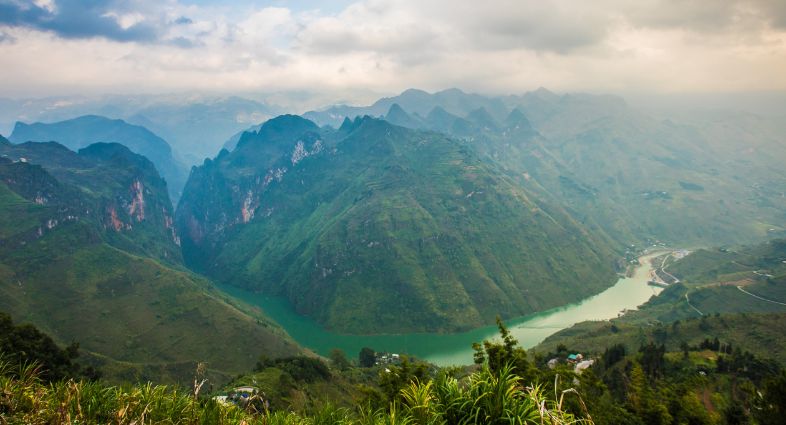
Frequent showers also offer dramatic skies and intense colors for photography. Due to slippery roads and landslide risks, summer is ideal for guided Easy Rider tours, ensuring a safer and more enjoyable motorbiking experience.
Essential Packing and Preparation: A Layered Approach
The key to handling Ha Giang’s changeable weather is smart layering. Temperatures can vary by over 10°C between morning rides and midday stops, so wearing adaptable layers is essential.
- Base Layer: Moisture-wicking material is key. Even in the cold, you’ll sweat when climbing or riding.
- Mid-Layer: A fleece jacket or warm sweater provides insulation.
- Outer Shell: This is the most critical item: a windproof and waterproof jacket is essential year-round. It protects you from wind chill on the motorbike and sudden mountain showers.
- Trousers: Sturdy, quick-drying trousers are better than jeans.
- Accessories: Good gloves (windproof/waterproof), a scarf/buff, and a warm hat are non-negotiable for the cold months. Sunscreen and sunglasses are essential year-round, as the high altitude means the UV index is powerful even on cooler days.
- Footwear: Water-resistant shoes or hiking boots with good grip are crucial, especially if you plan any trekking or are traveling during the shoulder or rainy seasons. Avoid sneakers that take days to dry.
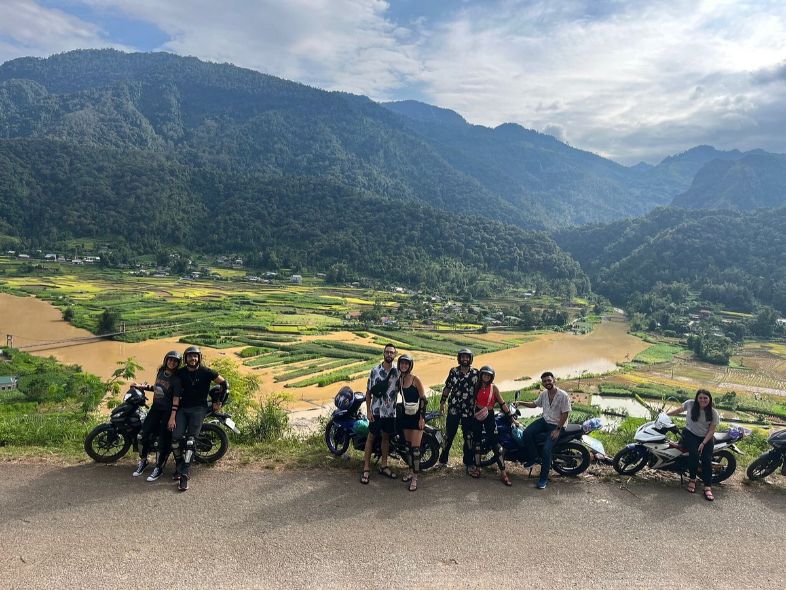
>>> Let’s see more: Discover the Best Things to Do in Ha Giang Loop
Ha Giang’s weather shapes every adventure, from motorbike rides to trekking through terraced valleys. By choosing the right season and packing smartly, you can enjoy clear skies, stunning landscapes, and unforgettable experiences in Vietnam’s northern frontier.
Related Posts:
- Ha Giang in August: Best Time to Explore Vietnam’s Hidden Gem
- Ha Giang in September: Unforgettable Landscapes and Culture
- Explore Top Things to Do in Ha Giang in November
- Top Things to Do in Ha Giang in December: Nature, Culture, and Winter Magic


Be the first to comment!