

Hue Imperial City: Exploring Vietnam’s Historical Gem
Nestled along the Perfume River in central Vietnam, Hue Imperial City stands as a testament to the grandeur of the Nguyen Dynasty. This historical marvel isn’t just a destination; it’s a time machine transporting you to a bygone era of emperors, mandarins, and royal ceremonies. Let MOTOGO Tours explore this site.
The Historical Significance of Hue Imperial City
Hue Imperial City is an important and deeply emotional part of Vietnamese history. During the Nguyen Dynasty, it was more than just a former seat of power; it was the cultural, political, and spiritual heart of the country. Every wall, gate, and courtyard shows the passage of time, the power of the emperor, and the enduring spirit of Vietnamese independence.
Hue as Vietnam’s Ancient Capital
Hue was the imperial capital of Vietnam from 1802 to 1945, when the Nguyen Dynasty ruled. This was the last feudal monarchy in the country. Hue is in the middle of Vietnam, and its location represents harmony and unity. It gently connects the north and south while being the heart of government and tradition.
Hue was more than just a place to run things; it was also a place where people thought, believed, and created. Scholars, mandarins, monks, and foreign diplomats all came together here to make a city that was full of Confucian values and Vietnamese identity. The Hue Imperial City was a powerful physical representation of the dynasty’s vision. It was a place where authority, balance, and humanity all came together in a beautiful way.
The Construction of the Imperial City
Emperor Gia Long, who started the Nguyen Dynasty, began building Hue Imperial City in 1804. The complex was carefully planned according to Feng Shui principles and is based on the Forbidden City in Beijing but is very Vietnamese in its philosophy. The alignment of every axis, structure, and courtyard with cosmic harmony made sure that heaven, earth, and people were all in balance. The Perfume River flowed gently next to the city and was seen as its lifeblood—a sign of wealth, stability, and spiritual energy.
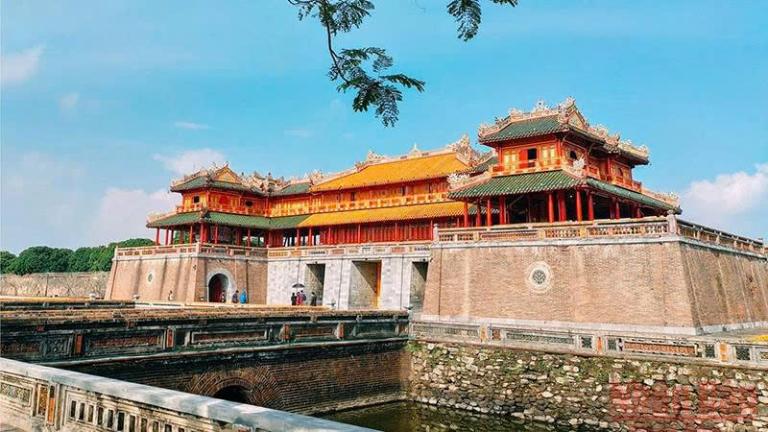
The Imperial City was surrounded by strong walls and huge gates, and it was protected by a moat that was fed by the Perfume River. It covered almost 520 hectares. The Imperial Citadel (Kinh Thanh), the Royal Citadel (Hoang Thanh), and the Forbidden Purple City (Tu Cam Thanh) were the three sacred layers that made up its layout. Each layer had a different purpose and was carefully arranged to show the emperor’s absolute power and divine mandate.
Over the course of decades, thousands of skilled workers and artisans worked with wood, stone, and ceramic tiles that they got from all over the country. Their skill turned raw materials into symbols of imperial power. For example, palaces and temples were sacred places where the emperor could connect with the universe.
The Decline of the Nguyen Dynasty and the Legacy of Hue Imperial City
The Nguyen Dynasty fell in 1945, ending Vietnam’s feudal era, but the spirit of Hue Imperial City lived on. Even though it was damaged by war, especially during the Battle of Hue in 1968, its remains still tell stories of greatness, loyalty, and strength.
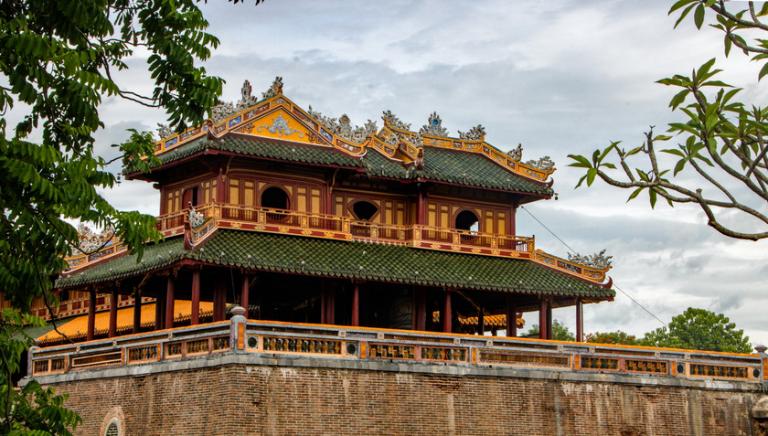
Hue Imperial City was named a UNESCO World Heritage Site in 1993, and it is now a proud symbol of Vietnam’s culture. It is a place where history comes to life, inviting people to walk through time and feel the quiet majesty of an empire that was once great.
Exploring the Timeless Architecture of Hue Imperial City
Hue Imperial City is a timeless example of Vietnam’s artistic refinement and deep history. This UNESCO World Heritage Site is in the center of Hue and shows off the Nguyen Dynasty’s elegance and power. When you look at its architecture, you’re not just sightseeing; you’re taking a deep look into the heart of imperial Vietnam.
Ngo Mon Gate
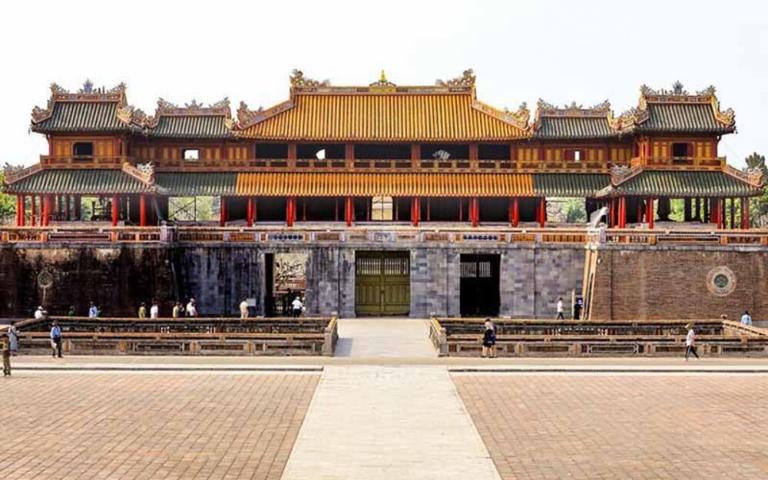
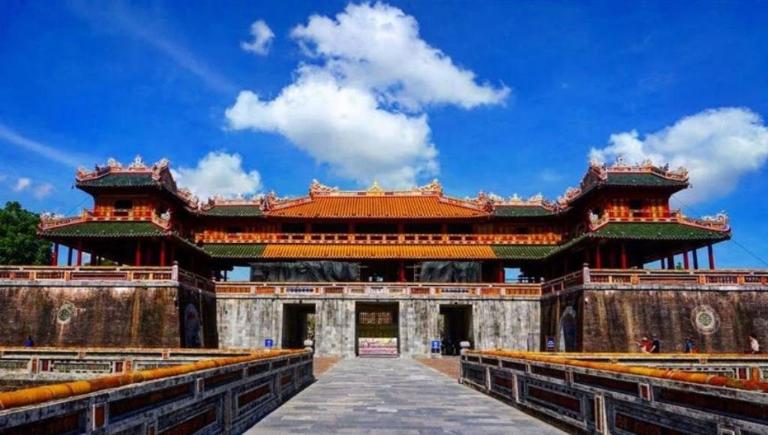
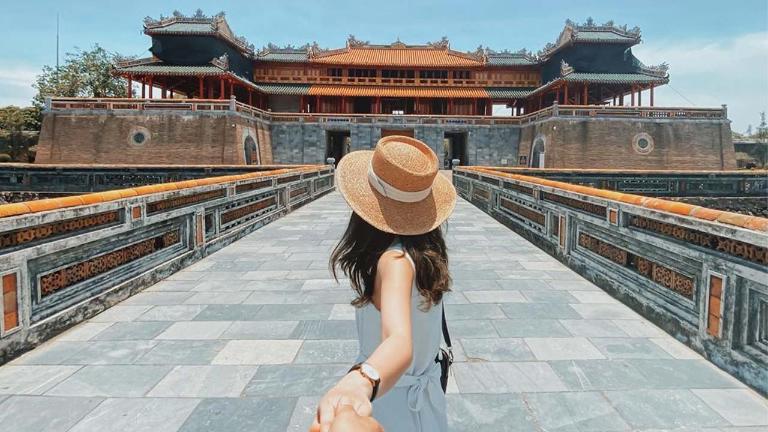
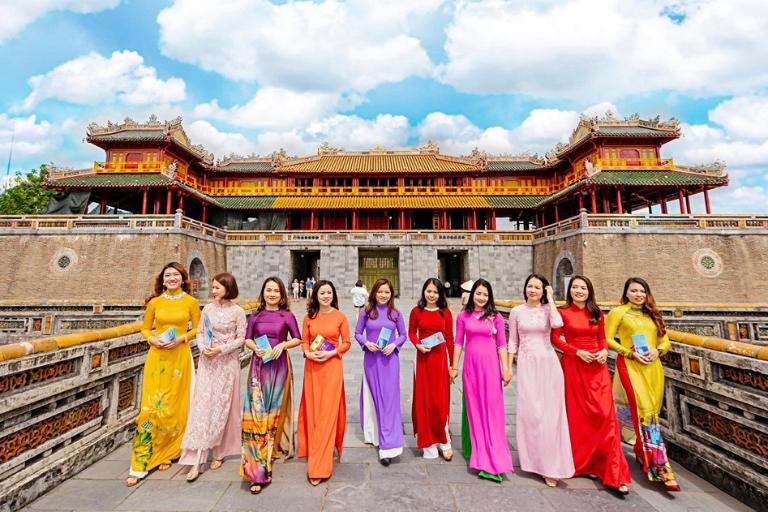
Ngo Mon Gate stands tall and proud as the southern entrance to the Imperial City. It exudes power and dignity. It is more than just a gateway; it is a huge architectural statement. The Nguyen Dynasty was very sophisticated and serious, and every carved detail and measured proportion shows this. This is a moving first look at the imperial world beyond.
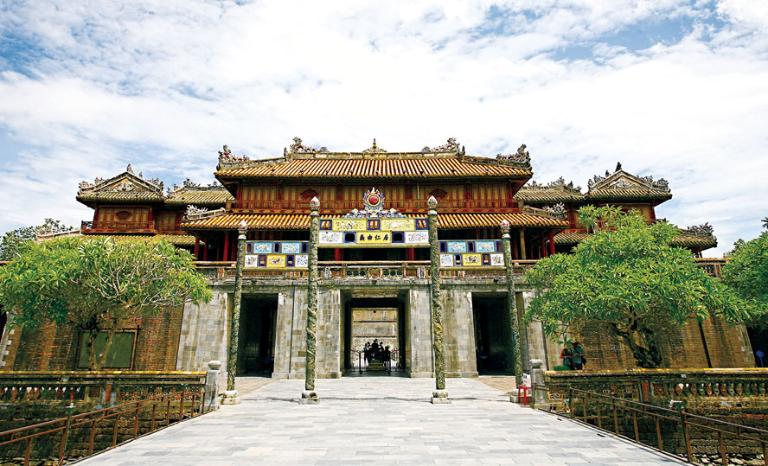
From a distance, Ngo Mon looks like a beautiful fortress with peace and strength on top. There are broad stone stairs made from solid slabs that lead up to the main platform, where emperors used to speak to their people. The Five-Phoenix Pavilion, a beautiful two-tiered wooden structure topped with golden tiles, is at the center of the citadel. It is where royal announcements were made.
The Imperial Citadel
The Nguyen Dynasty’s political, cultural, and spiritual center was the Imperial Citadel, also known as Hoang Thanh. This holy enclosure, which was started by Emperor Gia Long in 1804 and finished by Emperor Minh Mang in 1833, protected the royal family, government buildings, and places for ceremonies.
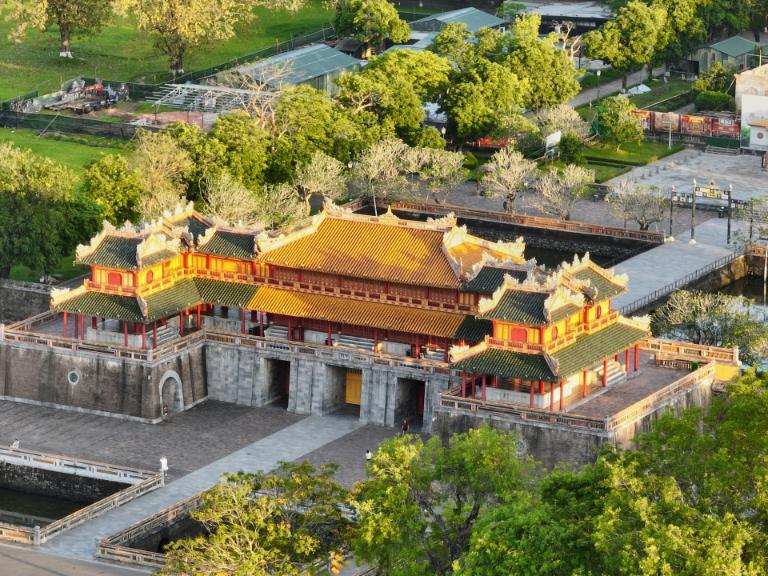
The citadel is surrounded by almost 10 kilometers of fortified walls and four grand gates. It looks like a carefully composed symphony of architecture. Ngo Mon Gate is the ceremonial entrance that leads to a world of style and power. Some of the most famous buildings inside are:
- Thai Hoa Palace: The serious hall where emperors held court ceremonies and talked to mandarins.
- The quiet home of the queen mother, Dien Tho Residence, has beautiful carvings and peaceful gardens.
- Hien Lam Pavilion is a three-story memorial to the Nguyen emperors, with dignified stone statues of mandarins on either side.
Each building shows how Confucian philosophy and Vietnamese art can work together, balancing spiritual meaning with architectural beauty.
The Forbidden Purple City
The Forbidden Purple City, or Tu Cam Thanh, is at the very heart of Hue Imperial City. It was once a private and sacred place for the emperor and his closest advisors. This private area was the emotional heart of royal life. It was set up in 1803 and given its official name during Emperor Minh Mang’s reign in 1821.
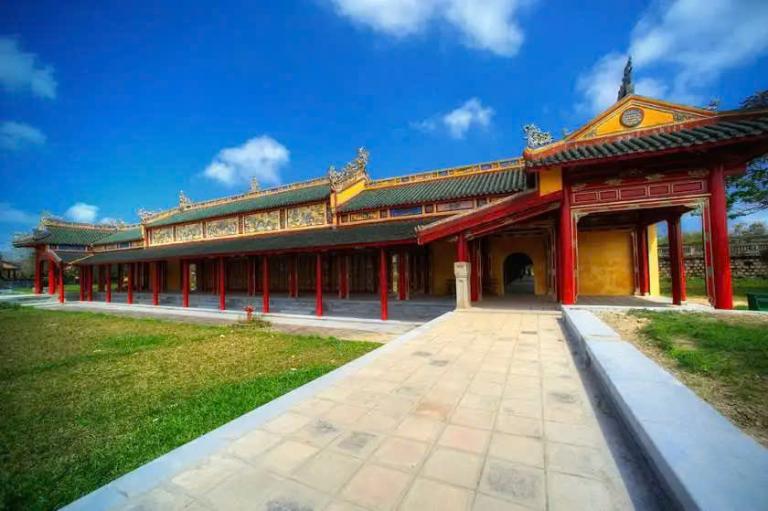
The Forbidden Purple City was protected by walls and could only be entered through the grand Dai Cung Mon gate. It had areas for both authority and self-reflection:
- Can Thanh Palace: The emperor’s private home, full of beautiful woodwork and gold-plated symbols.
- Khon Thai Palace: The queen’s beautiful living space, which shows grace and quiet strength.
- The Duyet Thi Duong Royal Theatre was a classy place where royal performances brought art and emotion to the imperial court.
- The Thuong Thien Imperial Kitchen was the heart of royal cooking, where meals were made with great care and attention to detail.
- Thai Binh Pavilion: A peaceful place where emperors read, thought, and looked for balance within themselves.
Time and war have taken their toll, but work to restore the Forbidden Purple City is still going on. Today, it is not only a historical monument, but also a gentle reminder of Vietnam’s imperial soul, which is strong, graceful, and deeply human.
The Unique Features of Hue Imperial City
A Timeless Royal Legacy
Hue Imperial City has been shaped by more than 200 years of history, weather, and war. It still stands with amazing grace, keeping the spirit of Vietnam’s royal past alive. The grand palaces, sacred temples, and peaceful gardens all seem to breathe with memory, gently bringing visitors back to a time of imperial beauty and cultural richness. Every step inside the citadel feels personal and respectful, as if the voices of emperors and courtiers are still in the air.
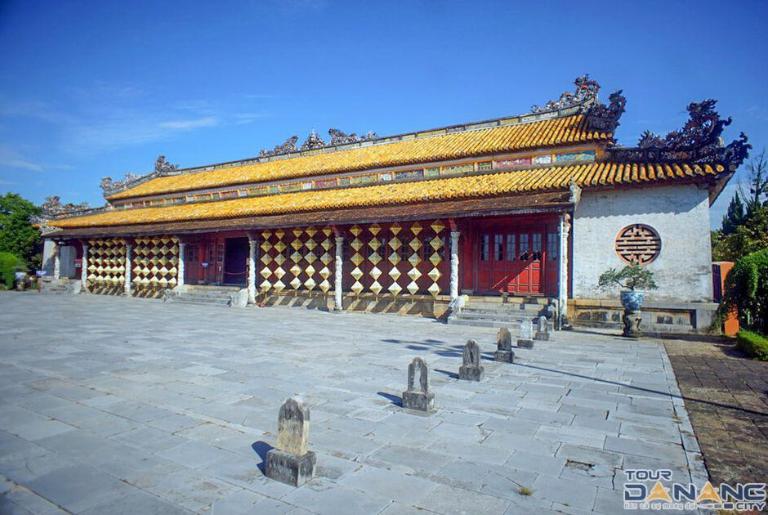
A Fusion of Eastern and Western Military Architecture
The visionary military design of Hue Imperial City is one of its most interesting features. The complex seamlessly combines ideas from both the East and the West, taking cues from Western fortification methods like the star-shaped citadel designed by French engineer Sébastien Le Prestre de Vauban. The structure is carefully balanced between the ideas of yin and yang and the Five Elements. This makes it a place that is both strategically strong and spiritually peaceful. This unusual combination of strength and meaning makes the citadel a true architectural masterpiece.
The Majestic Tombs of the Nguyen Emperors
The countryside outside of Hue Imperial City is a holy place with the beautiful tombs of the Nguyen emperors. These royal resting places are carefully placed according to feng shui principles, and they fit in perfectly with rivers, mountains, and forests, creating an atmosphere of deep peace and cosmic balance.
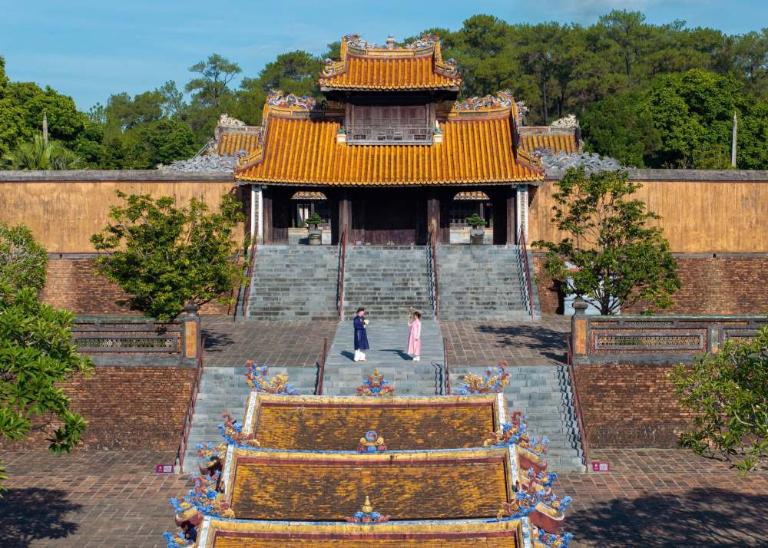
Each tomb is carefully split into two separate areas: the burial ground, where the emperor will rest in peace forever, and the temple complex, which has pavilions, courtyards, and ceremonial halls. Some of the most amazing are:
- The Tomb of Emperor Tu Duc is known for its poetic spirit, calm lakes, and lotus-filled reflections.
- The Tomb of Emperor Khai Dinh is a dramatic mix of Vietnamese tradition and European grandeur.
- The Tomb of Emperor Minh Mang is a grand, symmetrical structure with beautiful gardens and stone bridges.
These tombs were quiet places where emperors went to think, write poetry, and reconnect with nature long before they became their final resting places. They were places where power turned into humanity.
A Treasure Trove of Royal Artifacts
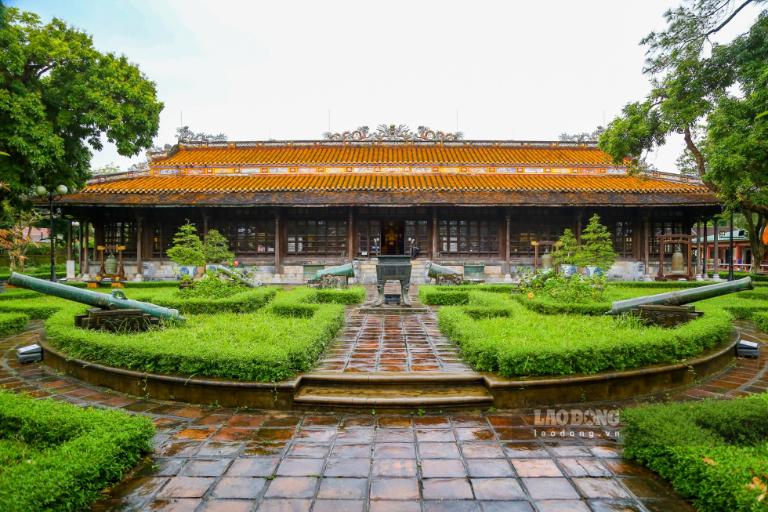
The Hue Royal Antiquities Museum is located in Hue Imperial City and protects the fragile remains of life in the imperial court. Its collection includes fine porcelain, ceremonial bronze items, embroidered royal robes, and courtly accessories, all made with great care. These artifacts do more than show off artistic skill; they tell stories about rituals, devotion, and daily life in the royal court, letting visitors feel a close connection to Vietnam’s dynastic history.
A Living Venue for Cultural Festivals
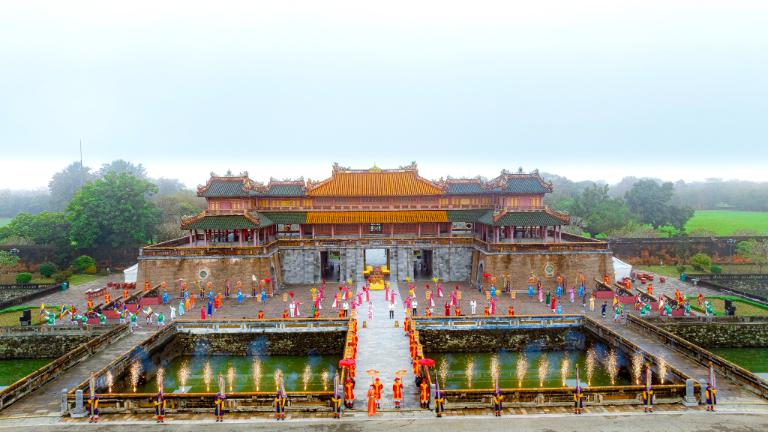
Hue Imperial City is not stuck in time; it is alive and well thanks to lively cultural events. The famous Hue Festival, which happens every two years, turns the citadel into a stage of color, movement, and memory. Royal processions, traditional music, and ceremonial reenactments bring back the glory of the imperial court.
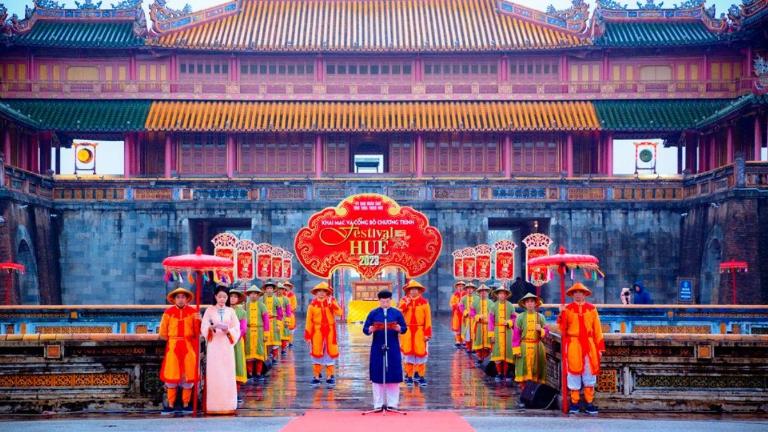
The Nam Giao Offering Ceremony and other sacred rituals pay tribute to heaven and earth, while imperial banquets wow guests with elegant dances and fine food. In these moments, it feels like the past is right there with you.
The Enchanting Hue Royal Court Music
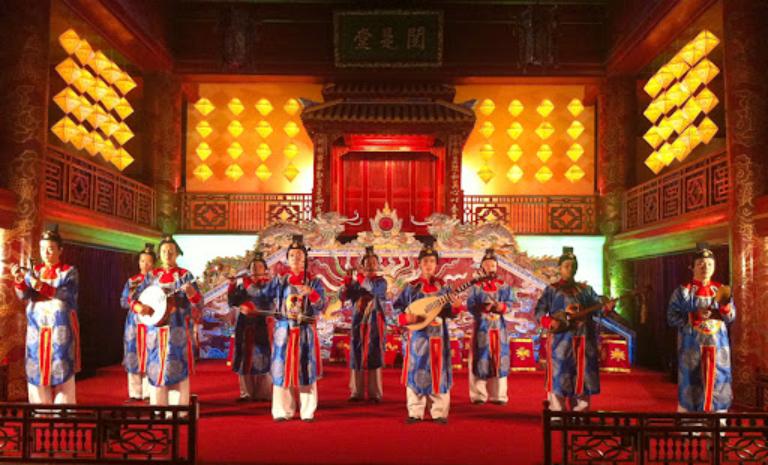
UNESCO has named Hue royal court music an intangible cultural heritage. It is the emotional heart of the Nguyen Dynasty. Its melodies are both dignified and deeply moving, and it was once only used for coronations, funerals, and holy festivals. People who go to the Duyet Thi Duong Royal Theatre can see live performances that are elegant, restrained, and timelessly beautiful. The music is soft but stays with you long after the last note.
Practical Travel Tips for Visiting Hue Imperial City
If you plan ahead, a trip to Hue Imperial City can be very rewarding. This guide will help you enjoy this historic treasure to the fullest.
Best Time to Visit Hue
Hue has a tropical climate that makes the weather different in each season:
- From March to August, the weather is warm and there isn’t much rain, making it the best time of year. The bright skies make it easy to explore Hue Imperial City and the royal tombs nearby.
- From September to November, the rainy season makes the weather softer and more romantic, and there are fewer people. The walls that are wet from rain and the moats that reflect light give the place a poetic feel, but heavy rain can make it hard to see things.
- From December to February, the air is cooler, making it easier to walk, but mist and fog may hide some of the buildings.
Entry Fees and Guided Tours
Hue Imperial City has a lot of different options to fit different types of travelers:
- Entry Fees: Tickets usually cost between 200,000 and 350,000 VND (about $8–15 USD), depending on what you can see and do.
- Guided Tours: A knowledgeable guide can make your trip much more interesting. Guides explain the stories behind famous places like Ngo Mon Gate and the Forbidden Purple City. Prices are usually between 300,000 and 500,000 VND per group.
- Combo Tickets: A lot of people who travel choose combo tickets that include Hue Imperial City and nearby royal tombs. These tickets are both convenient and cheap.
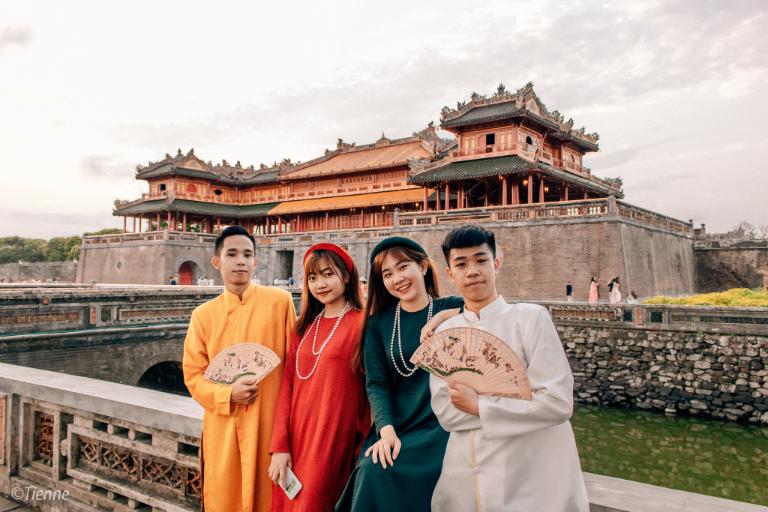
Hue Imperial City is more than just a historical site; it’s a living tapestry made up of memories, art, and identity. As a UNESCO World Heritage Site, it invites visitors to do more than just look at old walls; it invites them to feel the pulse of a time long gone that still shapes Vietnam’s soul.
Related Posts:
- Explore the Majestic Khai Dinh Tomb in Hue
- Explore Tu Duc Tomb in Hue: History, Architecture
- Minh Mang Tomb: Vietnam’s Imperial Masterpiece
- An Dinh Palace: Explore the Beauty of Hue’s Imperial Landmark
- Thien Mu Pagoda: A Cultural and Spiritual Landmark in Hue







Be the first to comment!