

Ha Giang to Sapa: The Ultimate Travel Guide for First-Time Visitors
The route from Ha Giang to Sapa leads through breathtaking mountain scenery and remote northern villages. If this is your first time on the journey, this guide will give you all the essential information, proudly presented by MOTOGO Tours.

The Call of the Northern Highlands: Why This Route is a Must
People flock to this route because Ha Giang is raw and untamed, home to the legendary Loop, while Sapa is the refined queen of the mountains. Traveling between them is a rite of passage where the real stories are made.
Mapping Your Journey
The distance from Ha Giang to Sapa is about 235 kilometers, but don’t let that number fool you. With winding mountain passes and steep climbs, the journey in northern Vietnam typically takes between 6 and 9 hours.
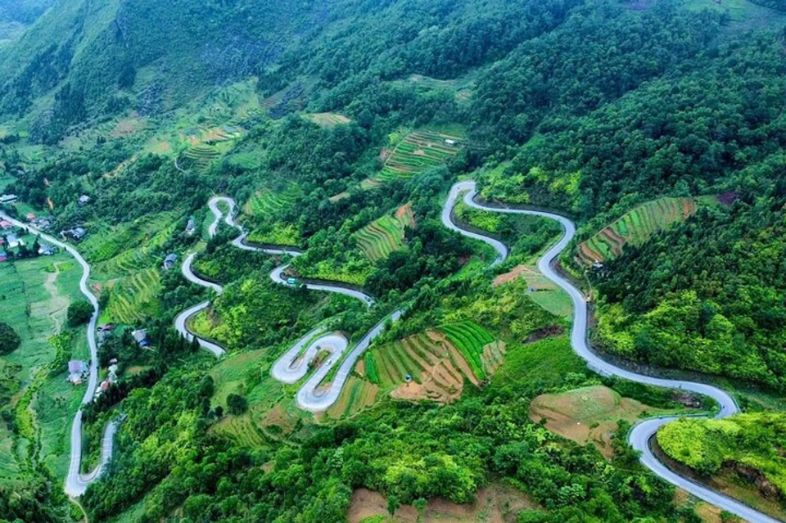
Along the way, the landscape shifts dramatically as you travel from Ha Giang’s limestone karst plateau into Lao Cai province and the Hoang Lien Son mountain range, crossing deep valleys and rugged mountain terrain.
A Tale of Two Landscapes: From Karst to Terraces
The route’s greatest appeal is its dramatic shift in scenery. Ha Giang is shaped by the Dong Van Karst Plateau, a UNESCO Global Geopark of jagged grey rock that feels ancient and untamed.
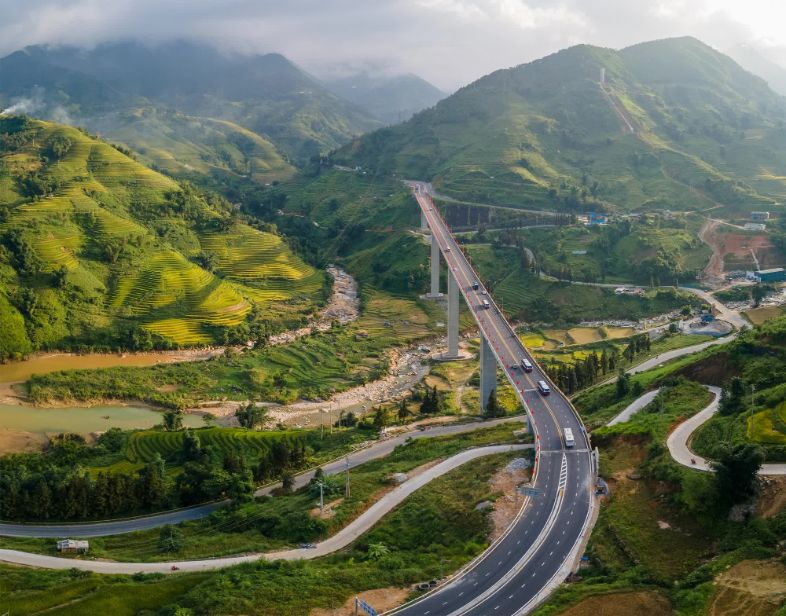
As you approach Sapa, the landscape softens into the Hoang Lien Son range, where sharp stone gives way to sweeping rice terraces carved into the mountains. This journey from rugged karst to flowing green terraces showcases northern Vietnam’s remarkable natural diversity.
The Mosaic of Culture: Encountering the “Hill Tribes”
The route between Ha Giang and Sapa passes through communities of Hmong, Dao, Tay, and Giay people, offering rare insight into everyday life far from mass tourism. Here, traditions are lived, not performed.

Along the way, you will see locals in hand-woven traditional clothing and experience vibrant market days in remote villages, filled with color, corn wine aromas, and age-old rhythms of trade and community.
A Driver’s Dream Through the Mountain Pass
For road lovers, this route delivers some of Southeast Asia’s most legendary mountain passes. On clear days, the road rises above the clouds, where thrilling hairpin turns meet sweeping views over the Muong Hoa Valley, blending adrenaline with moments of deep calm.

>>> Ha Giang Jeep Tour: Scenic Routes & Tips
How to Get from Ha Giang to Sapa: Your Transport Options
Traveling from Ha Giang to Sapa is a road-based adventure through winding mountain passes. With no direct flights or trains, choosing the right transport is key, and this guide breaks down your options from budget-friendly to ultimate comfort.
The Practical Choice: Traveling by Bus (Coach & Limousine)
For the vast majority of travelers, the bus is the most logical and budget-friendly way to bridge the gap. It allows you to rest your legs after the Ha Giang Loop while a professional handles the hairpin turns.
Vehicle Types:
- Sleeper Buses: These are large coaches with bunk-style seats that allow you to recline almost fully. Great for saving on a night’s accommodation, though they can be a tight fit for travelers over 6 feet tall.
- Limousine Vans: These are high-end Ford Transit or Solati vans modified with “Presidential” leather seats, USB ports, and better suspension. They are faster and more maneuverable on mountain roads.
- Top Operators: Look for reputable names like Quang Nghi, Techbus, or Quang Tuyen.
Cost & Duration: Tickets typically range from 270,000 to 500,000 VND ($12–$20). The trip usually takes 6 to 7 hours, including one or two stops for snacks and restroom breaks.

The Luxury of Flexibility: Private Car or Van
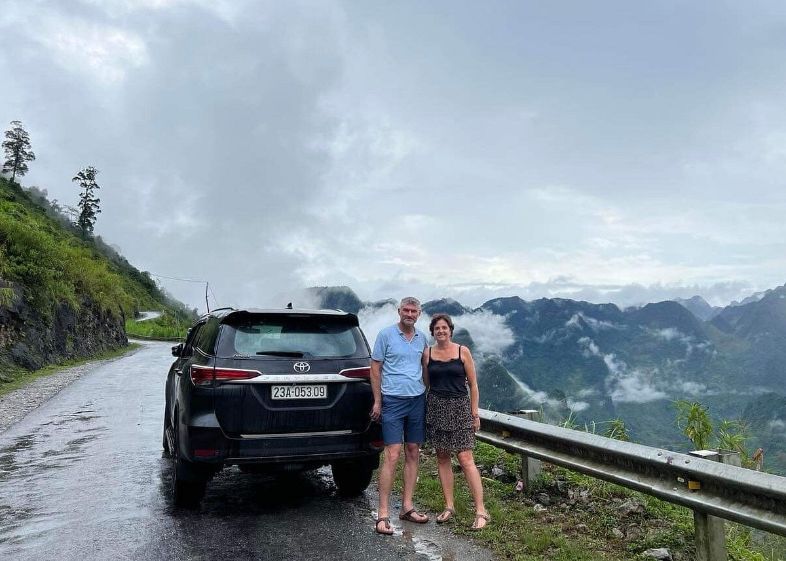
If you are traveling in a group, with a family, or simply value your personal space, hiring a private driver is the “Gold Standard” of northern travel.
- Why Choose This? You are the boss of the itinerary. If you see a stunning rice terrace in Hoang Su Phi or a waterfall near Bac Ha, you can simply ask the driver to pull over for a photo.
- Pricing: Expect to pay between 3.2 to 4 million VND ($130–$165) for a one-way transfer. While it sounds expensive, when split between four people, it becomes quite reasonable.
- Time Efficiency: A private car is significantly faster than a bus, often completing the trip in 5 to 5.5 hours because it doesn’t need to stop for other passengers.
- Safety Note: Mountain driving in Vietnam is an art form. Professional drivers know exactly how to honk at blind corners and navigate the frequent road construction.
The Adventurer’s Path: Riding a Motorbike
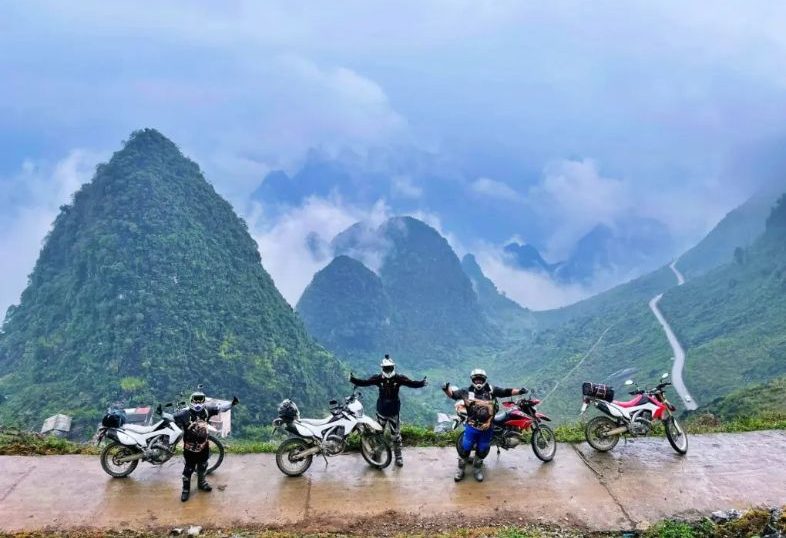
For those who want to feel the wind and occasionally the rain on their face, riding a motorbike is the ultimate way to experience the highlands. Joining a Ha Giang motorbike tours is not just a transfer; it is a full-day expedition through the northern mountains.
The Route: Most riders follow QL2 to QL279 and finally QL70. These roads are paved but can be treacherous during the rainy season (May–August) due to mud and potential landslides.
The Gear: Do not attempt this on a standard automatic scooter. You need a semi-automatic or a manual bike (like a Honda XR 150 or Honda Winner) to handle the steep inclines and engine braking on descents.
Costs:
- Rental: 200,000–300,000 VND per day.
- Fuel: You’ll likely burn 10–12 liters of gas, costing roughly 300,000–350,000 VND.
Legal Reality Check: Technically, foreign licenses (even with an IDP) are often not recognized for motorbikes in Vietnam without a local conversion. Ride at your own risk, wear a full-face helmet, and never ride after dark.
>>> Let’s see more: Explore Ha Giang Loop with Easy-Rider or Self-Riding Tours
Unmissable Stops Between Ha Giang and Sapa
The Ha Giang to Sapa journey is often seen as a long transit, but with extra time, the road reveals hidden gems many travelers miss. Breaking up the trip offers a more intimate look at the northern highlands and its untouched beauty.
Hoang Su Phi: The “Underground” Rice Terrace King
While Sapa is best known for its rice terraces, many experienced travelers believe Hoang Su Phi is even more spectacular. Located about 100 kilometers west of Ha Giang city, this National Heritage site is defined by steep, dramatic terraces that wrap around the mountains like vast green amphitheaters, untouched by mass tourism.
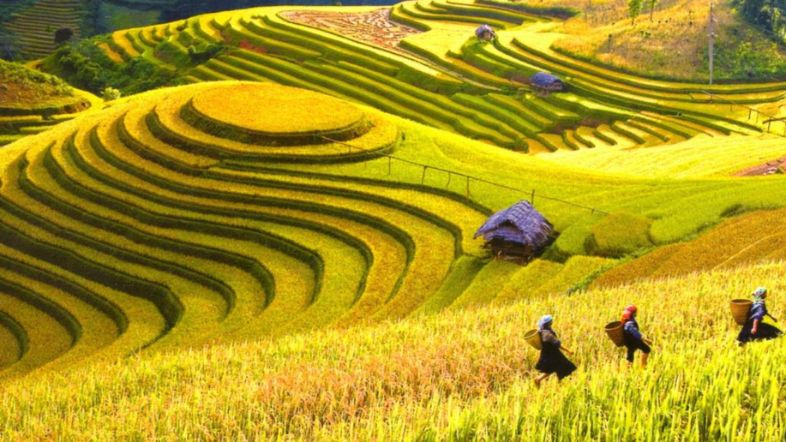
Because the area is harder to reach, villages such as Phung Village and Luoc Village remain quiet and authentic. Staying in a local homestay places you right among the fields, where mornings begin with rooster calls and mist slowly lifting from the terraces, creating an experience that feels deeply peaceful and almost spiritual.
Bac Ha: A Riot of Color and Culture
If your trip falls on a weekend, Bac Ha is a must-stop. Every Sunday, this quiet town bursts into life as it becomes a major trading hub, where the Flower Hmong gather in brilliantly embroidered pink and orange attire to trade textiles, herbs, and even livestock in a market that remains deeply authentic.
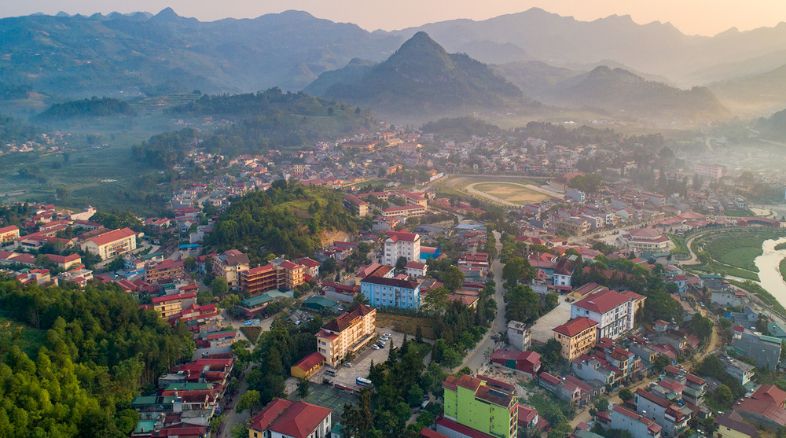
Beyond the market, visit Hoang A Tuong Palace, also known as the Hmong King’s Palace, a striking blend of French colonial design and Chinese feng shui built in 1914. Before leaving, sample local flavors by trying the adventurous thang co horse meat soup or, more gently, the region’s famous plum wine.
>>> Bac Ha Market: The Cultural Heartbeat of Lao Cai
Xin Man & Coc Pai: The Frontier Spirit
Traveling the back roads toward Sapa takes you through the remote border district of Xin Man, a region that feels raw and far removed from the tourist trail. Here, deep canyons and the winding Chay River carve a dramatic landscape unlike anywhere else in the north.
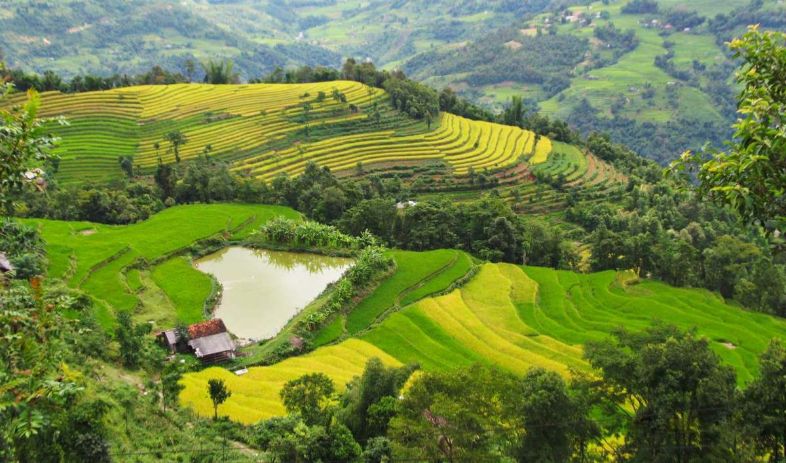
The road from Xin Man to Bac Ha is one of the most photogenic stretches of the journey, twisting through rugged terrain and quiet mountain valleys. A stop at the Xin Man Border Gate lets you stand at Vietnam’s edge and look into China, a peaceful yet powerful reminder of just how off the grid you have traveled.
O Quy Ho Pass: The Gate of Heaven
The final leg into Sapa takes you through O Quy Ho, one of Vietnam’s “Four Great Passes.” Rising over 2,000 meters, the pass often displays a striking weather divide, with sunshine on the Lai Chau side and rolling clouds on the Sapa side.
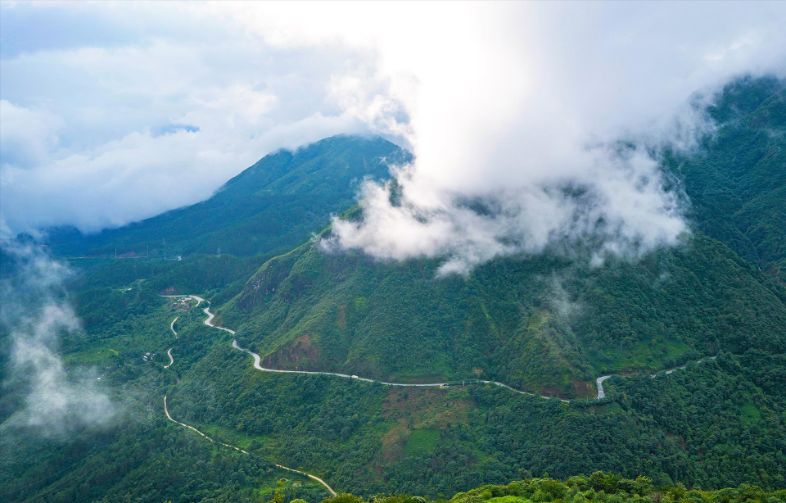
At the summit, the spot known as the “Sapa Heaven Gate” offers legendary sunset views over the Muong Hoa Valley, making it a must-stop for travelers seeking both adventure and breathtaking scenery.
Road, Weather & Safety Tips: Navigating the Northern Frontier
The Ha Giang to Sapa journey is stunning but challenging. With high altitudes and winding roads, proper preparation is key. Here’s your essential safety guide for the northern highlands.
Mastering the Mountain Roads
The highway connecting Ha Giang and Sapa is an impressive engineering feat, but it demands constant respect. Unlike the flat roads of southern Vietnam, this highland route twists and turns with the terrain, featuring hairpin bends, steep inclines, and narrow passes that often fit only one and a half vehicles.
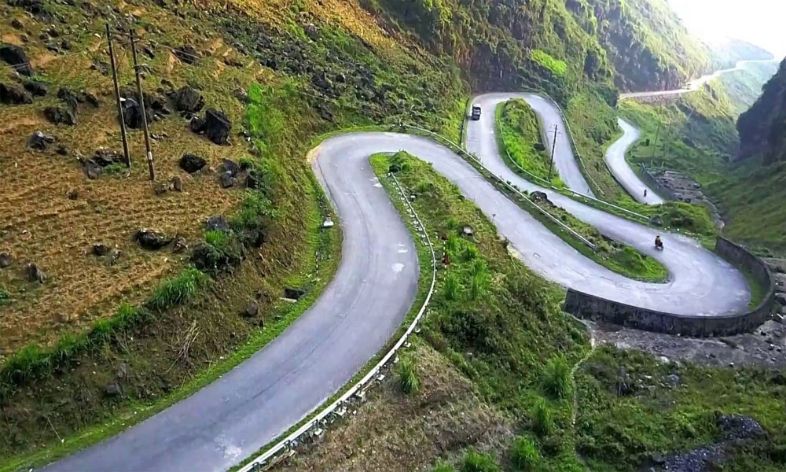
Riders and drivers must stay alert for hazards like potholes, loose gravel, and seasonal mudslides. Honking before blind curves is essential for safety, signaling your presence to oncoming traffic and helping navigate this unpredictable, ever-changing mountain road.
Seasonal Wisdom: When Nature Rules
Northern Vietnam has four distinct seasons, each posing unique challenges for travelers. The safest times to drive are spring and autumn (March–May and September–November), when skies are clear, roads are dry, and visibility is high.
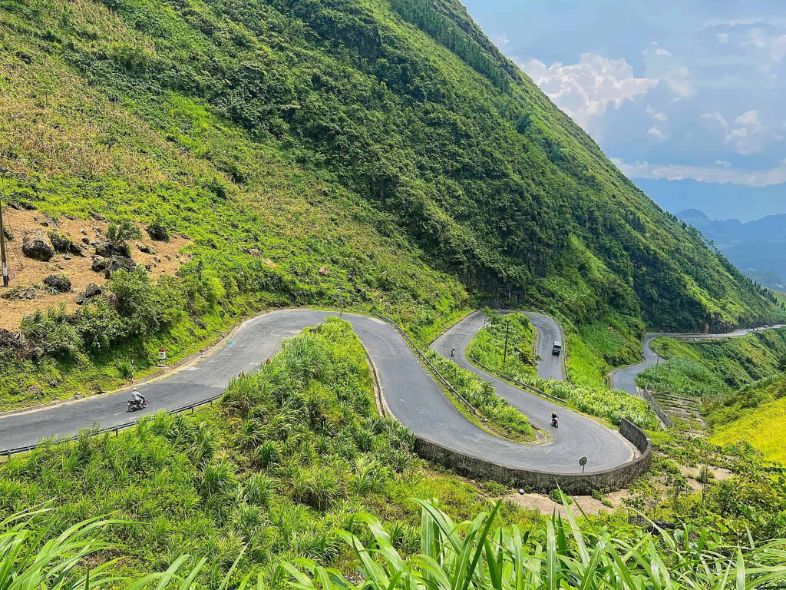
Winter (December–February) brings freezing temperatures, mist, and fog that can reduce visibility to just a few meters, while the monsoon season (June–August) makes roads slippery and prone to flash floods, making motorbike travel especially risky.
>>> Ha Giang Weather: Best Time to Visit & Travel Tips
Motorbike Safety: The “Easy Rider” Checklist
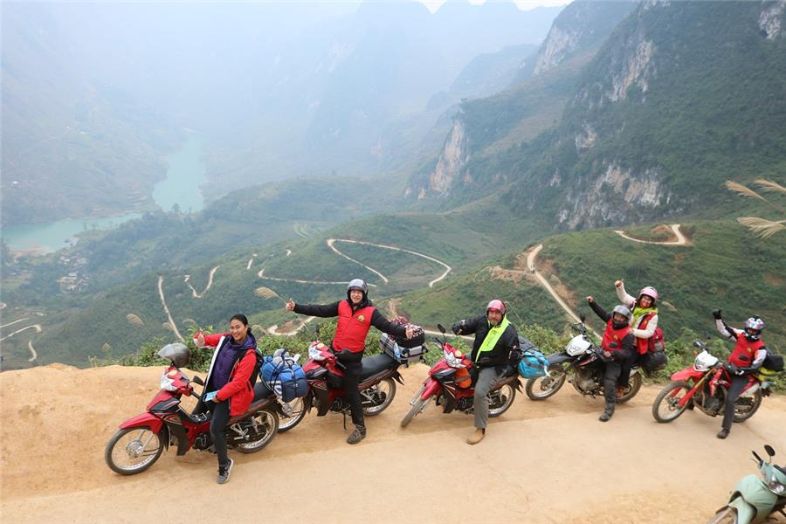
If you are brave enough to tackle the route on two wheels, you cannot afford to cut corners on safety.
- Gear Up: A helmet is legally required, but a “full-face” helmet is highly recommended for the highway. Wear sturdy shoes (no flip-flops!), gloves, and high-visibility rain gear.
- The Bike’s Health: Before leaving Ha Giang, check your brakes and tire tread. The long descent into Sapa from the O Quy Ho Pass will put immense pressure on your braking system.
- Insurance: Ensure your travel insurance specifically covers motorbike riding in Vietnam. Many policies are void if you do not have a valid Vietnamese license or an IDP.
Health and Comfort on the Move
The physical toll of high-altitude travel and long bus rides is often underestimated.
- The Layering Strategy: You might start your morning in the humid heat of the Ha Giang (30°C) and end your day in a foggy Sapa evening (12°C). Wear layers that you can easily peel off or add as the elevation changes.
- Motion Sickness: Even if you don’t usually get carsick, the 6-hour “snake road” can trigger it. Bring ginger candy or acupressure wristbands, and if you’re on a bus, aim for a seat in the middle of the vehicle to minimize the bounce.
- Stay Charged: Cold weather drains phone batteries faster. Carry a high-capacity power bank, especially since you’ll be using GPS and taking hundreds of photos.
Financial and Tech Logistics
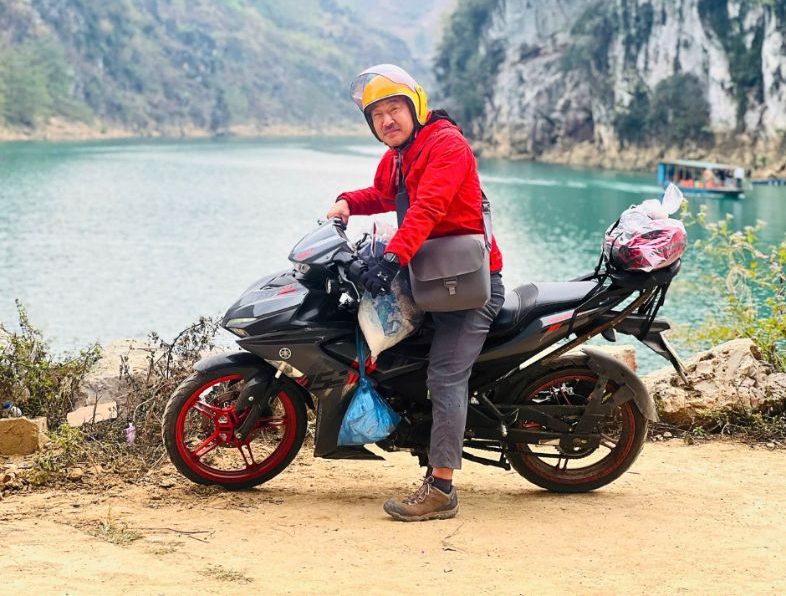
- Cash is King: While Sapa town has plenty of ATMs, the small roadside stalls and homestays in between definitely do not. Carry enough Vietnam Dong (VND) to cover your fuel, food, and emergencies for at least 48 hours.
- Connectivity: Signal is surprisingly good in towns, but it will vanish in the deep canyons. Download offline maps (Google Maps or Maps.me) so you aren’t stranded if the 4G cuts out.
- The Local Connection: If you’re feeling overwhelmed, don’t be a hero. Hiring a local guide or an “Easy Rider” (a local driver who takes you on the back of their bike) is the best way to see the sights without the stress of navigating.
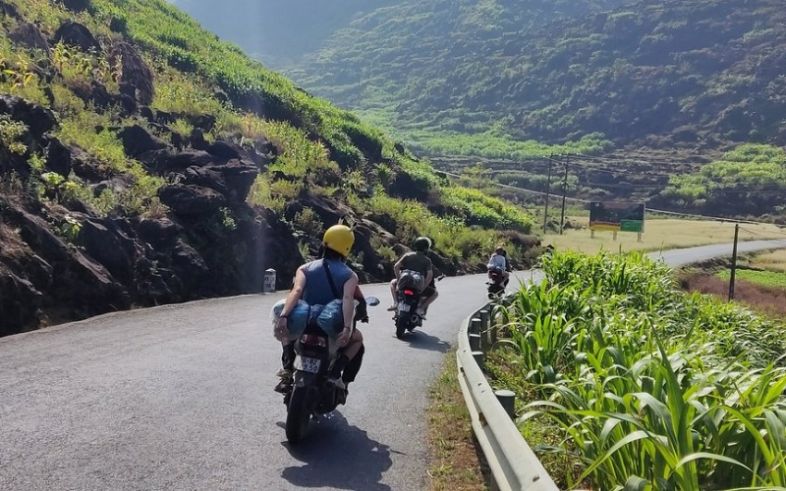
Traveling from Ha Giang to Sapa is more than a transfer, it’s a journey through Vietnam’s most stunning frontier. From rugged limestone peaks to emerald rice terraces, the scenery captivates at every turn. Pack your camera, keep an open mind, and get ready for the road trip of a lifetime.
Related Posts:






Be the first to comment!