

Best Rice Fields in Vietnam: Stunning Landscapes You Must Visit
Vietnam is famous for its stunning rice fields, from golden paddies to terraced mountains. These landscapes offer breathtaking views and a glimpse into local life. MOTOGO Tours is pleased to introduce the best rice fields to explore.
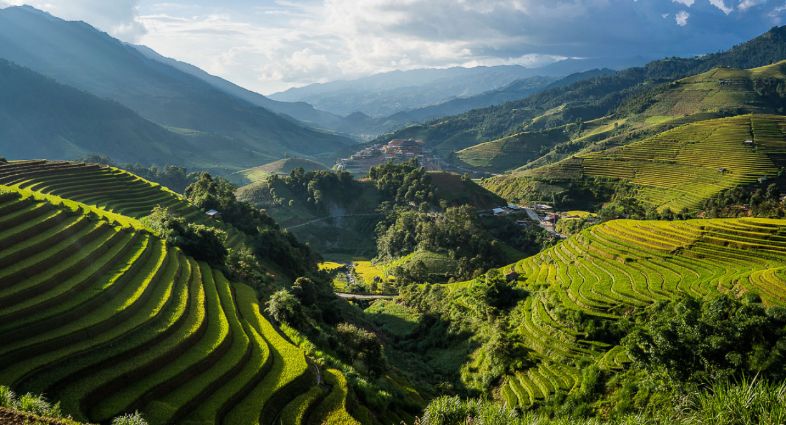
Introduction: The Soul of the Vietnamese Countryside
Rice fields lie at the heart of the Vietnamese countryside, shaping both the landscape and the rhythm of rural life. From misty mountain terraces to vast lowland paddies, they reflect the country’s deep connection between nature, tradition, and everyday living.
The Cultural Anchor of a Nation
For the Vietnamese people, rice is often called “White Gold,” symbolizing life, prosperity, and survival. It has shaped the countryside and sustained generations, becoming an essential part of daily life and national identity.
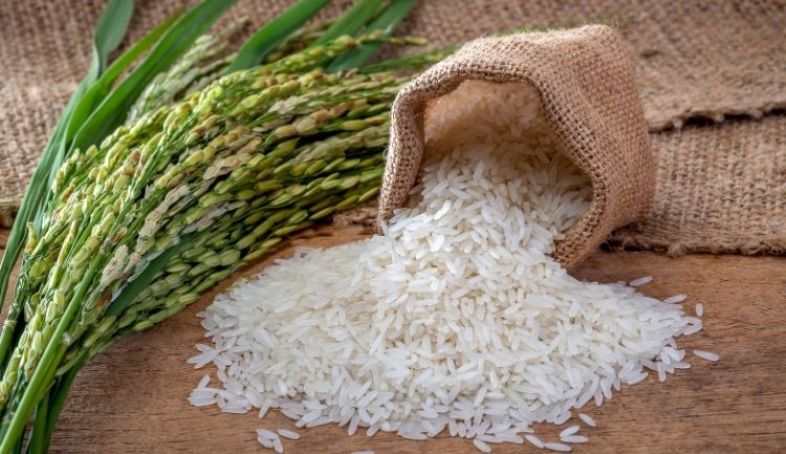
From ancient water puppetry born in flooded paddies to communal festivals celebrating a successful harvest, rice fields serve as cultural anchors. More than scenic landscapes, the best rice fields in Vietnam stand as living monuments to the country’s enduring heritage and harmony with nature.
A Masterpiece of Human Perseverance
The breathtaking landscapes you see today were shaped not by nature alone, but by generations of skilled hands. In the northern highlands, ethnic communities such as the H’mong and Dao carved dramatic terraces into steep mountains, while in the south, farmers learned to work in harmony with the Mekong’s shifting waters.
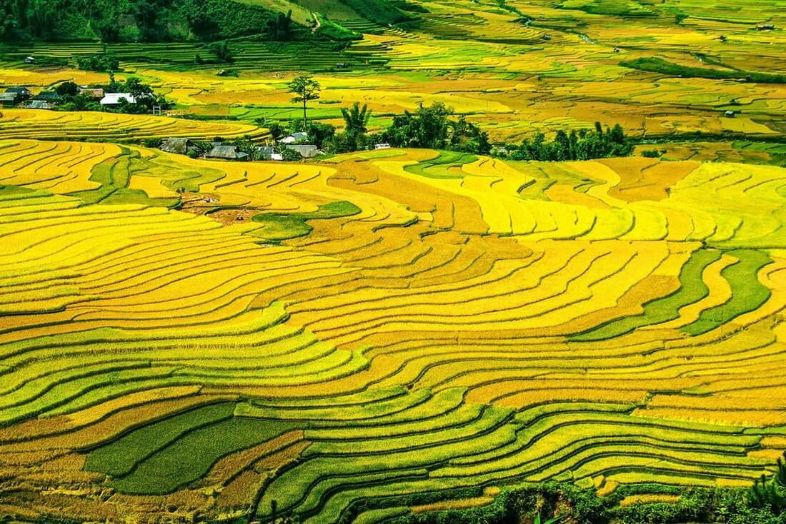
Through perseverance and ingenuity, harsh terrain was transformed into fertile land. Every terrace and every dike stands as a lasting testament to human resilience and creativity.
The Spiritual Connection Between Land and Life
In the Vietnamese countryside, land and soul are deeply intertwined. The rice cycle sets the rhythm of daily life, guiding everything from seasonal work to village celebrations and important milestones.
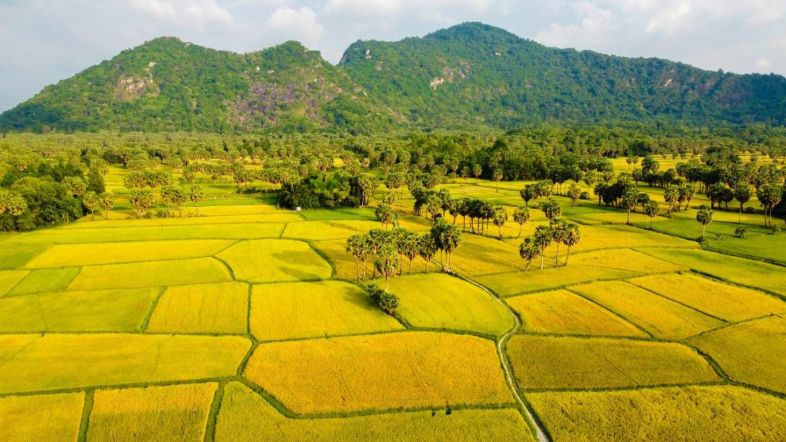
There is a strong sense of Feng Shui (Phong Thủy) in the way rice fields are shaped, where the flow of water and surrounding hills are believed to create harmony and good fortune. Walking through these fields brings a quiet sense of peace, inviting you to slow down and reconnect with the essentials of life—earth, water, and sunlight.
>>> Ninh Binh Rice Fields: A Complete Itinerary for Nature Lovers
Must-Visit Rice Fields in Vietnam
From mist-covered mountain terraces to vast lowland paddies, Vietnam’s rice fields showcase the country’s most iconic rural landscapes. Each destination offers a unique blend of scenery, culture, and local life, making them places no traveler should miss.
Mu Cang Chai: The Masterpiece of Yen Bai Province
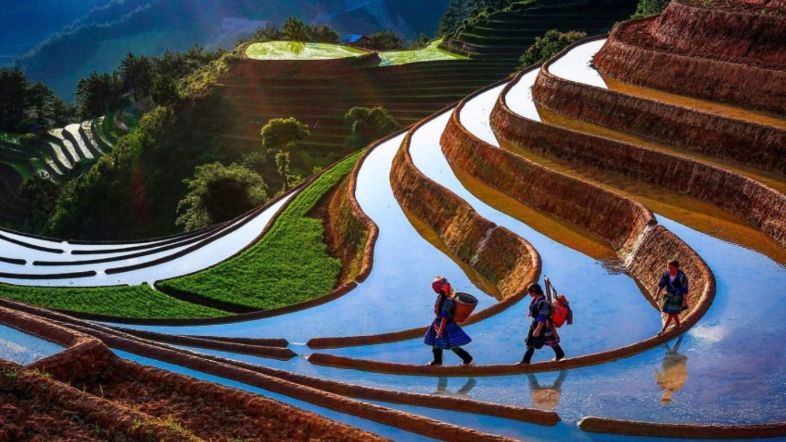
Mu Cang Chai is widely regarded as the crown jewel of Vietnam’s terraced landscapes. Located in the mountains of Yen Bai Province, about 300 km from Hanoi, it features some of the most dramatic rice fields in the country. Generations of H’mong people have carefully carved these steep slopes into flowing layers of green and gold, creating a truly breathtaking masterpiece.
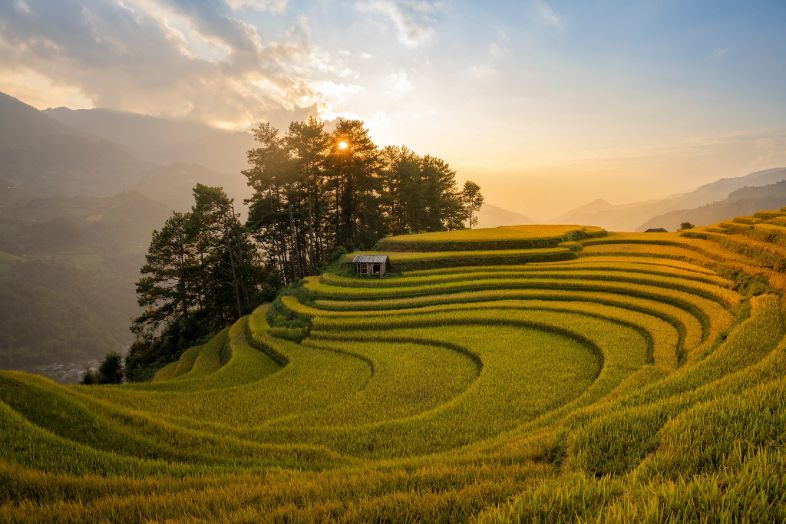
Among its highlights is Mam Xoi Hill, named for its perfectly rounded shape resembling a tray of sticky rice. Especially from mid-September to mid-October, the terraces glow in brilliant shades of gold, offering unforgettable views and insight into traditional H’mong farming life—a rare blend of natural beauty and living heritage.
Hoang Su Phi: The Majestic Slopes of Ha Giang
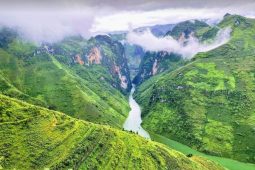
Hoang Su Phi is a hidden gem for travelers seeking something beyond the familiar paths of Sapa. Located in the remote hills of Ha Giang, this region is known for its exceptionally steep rice terraces, where layers of emerald fields cascade dramatically down rugged mountainsides.
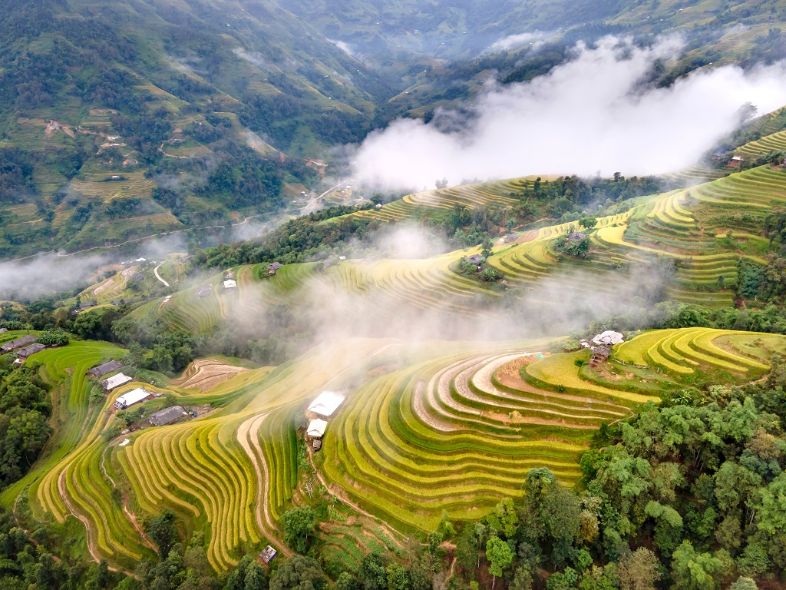
Its true allure lies in its isolation and cultural richness. Home to twelve ethnic minority groups such as the Nung, Dao, and La Chi, Hoang Su Phi offers an authentic encounter with northern highland life, where breathtaking scenery and vibrant traditions exist in perfect harmony.
Sapa: The Iconic Terraces of the Northwest
Sapa is the most iconic destination when it comes to rice fields in Vietnam, with the Muong Hoa Valley showcasing terraces shaped and preserved over generations. These sweeping landscapes reflect the enduring heritage of the H’mong and Giay people, blending cultural tradition with natural beauty.
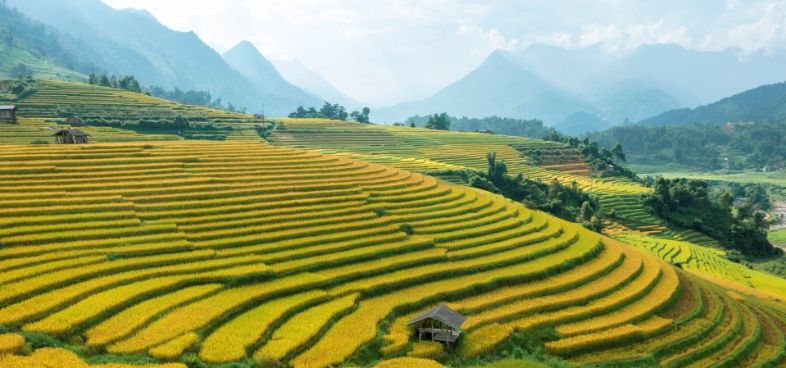
Beyond its famous trekking routes, Sapa also offers unforgettable journeys along winding mountain roads. From September to October, the valley turns into a sea of gold, filling the air with the scent of ripening rice and revealing traditional villages where every terrace tells a story of hard work and resilience.
Y Ty: Where Clouds Meet the High-Altitude Paddies
Y Ty, in Lao Cai Province, feels like standing at the edge of the world. Perched at high altitude and often wrapped in mist, its rice fields appear to float above a sea of clouds, creating a truly surreal landscape.
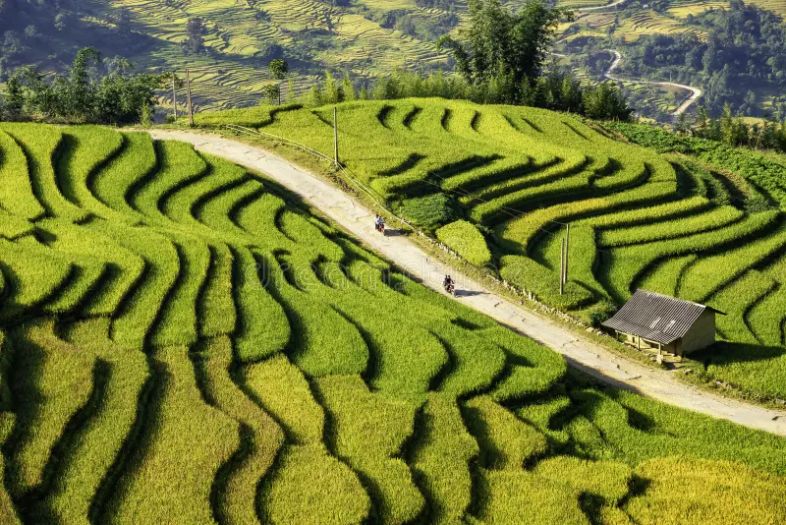
Home to the Ha Nhi people, Y Ty is known for its distinctive mushroom-shaped houses and vibrant traditional dress. The combination of cool mountain air, drifting clouds, and golden paddies makes Y Ty one of Vietnam’s most remote and enchanting rice field destinations.
Tam Coc: The “Ha Long Bay on Land” in Ninh Binh
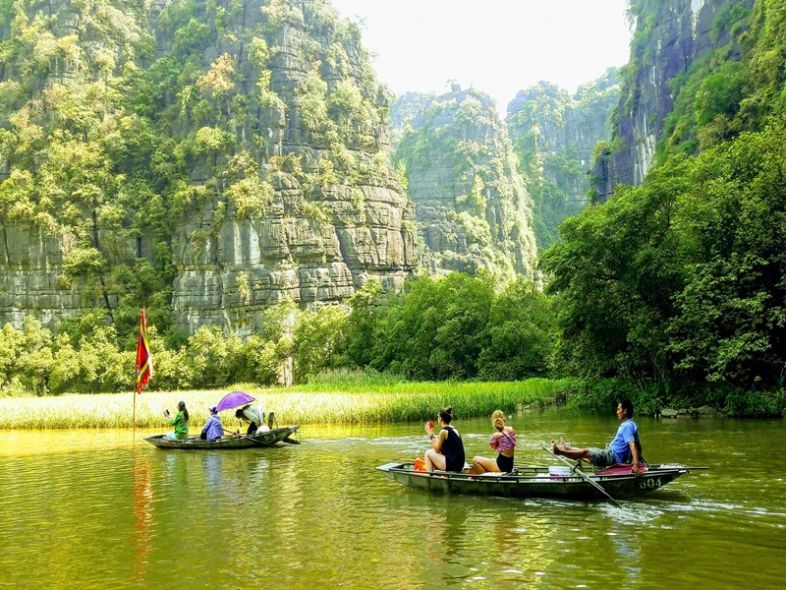
Tam Coc offers a unique perspective on Vietnam’s rice fields. Located in Ninh Binh, its paddies stretch gracefully along the Ngo Dong River, framed by towering limestone karsts.
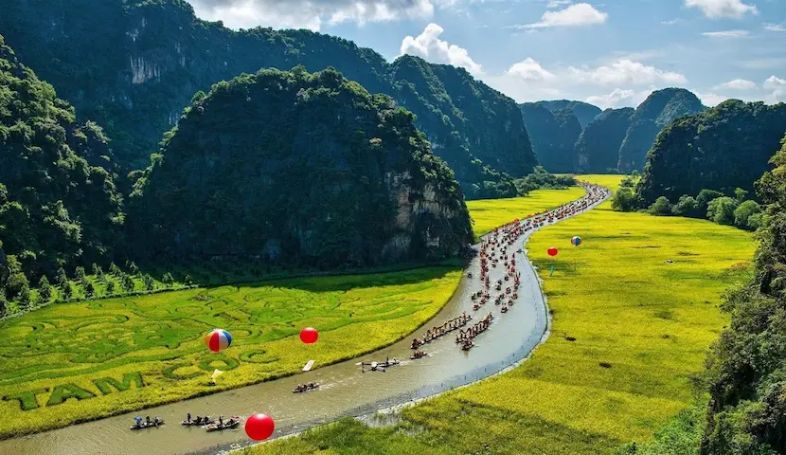
Instead of trekking, visitors explore this landscape by small boat. During the first weeks of May, the fields glow a brilliant gold, reflecting on the calm water and creating a peaceful, almost dreamlike journey through one of Vietnam’s most enchanting rural scenes.
>>> Trekking In Pu Luong: A Stunning Adventure Awaits
Pu Luong Nature Reserve: Untouched Splendor in Thanh Hoa
Pu Luong Nature Reserve in Thanh Hoa is a place where nature and human effort blend seamlessly. Terraced rice fields cascade gently down the hillsides, forming a landscape that reflects both natural beauty and cultural heritage.
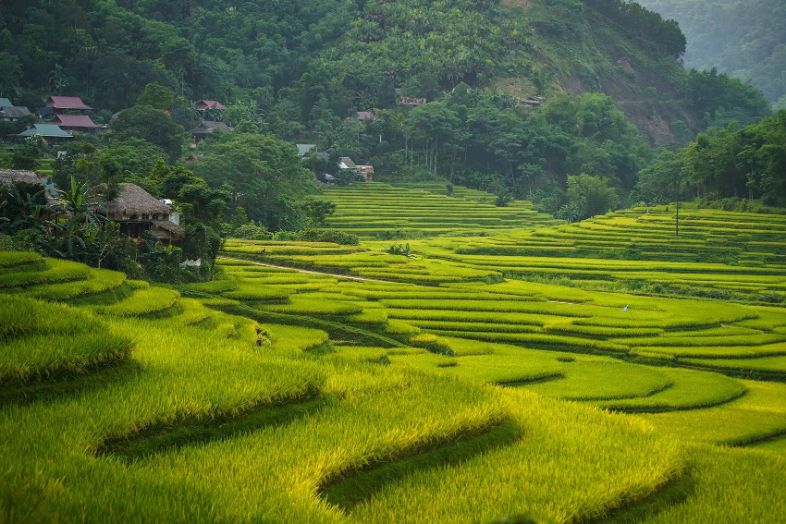
During the harvest season, warm sunlight washes over the valleys, creating a soft, golden glow. This peaceful scene offers a deeper appreciation of the close bond between local communities and the land they cultivate.
The Central Highlands: Terraces of the High Plateau
The Central Highlands offer a distinct view of Vietnam’s rice fields, with provinces like Dak Lak and Gia Lai standing apart from the northern terraces. Set on a high plateau, these fields reflect a landscape shaped by rich volcanic soil and open horizons.
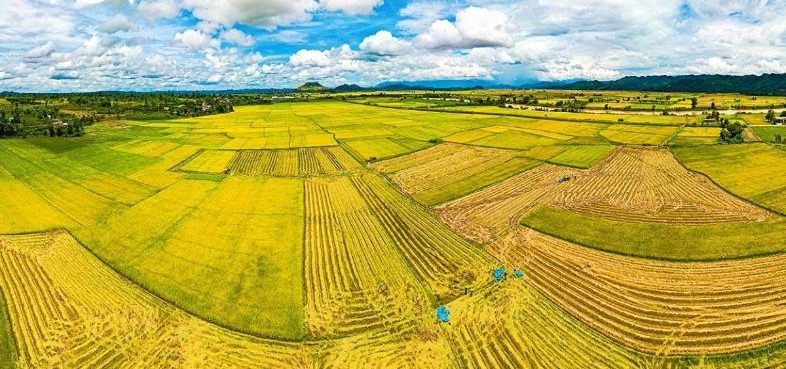
More than agricultural land, the terraces are deeply tied to the heritage of the Ede and M’nong people. Their traditional farming practices continue to thrive here, preserving a way of life rooted in history and the fertile land of the highlands.
The Mekong Delta: The Massive “Rice Bowl” of the South
The Mekong Delta is often called the “Rice Bowl” of Vietnam, a vast network of rivers, canals, and endless green paddies. This fertile region is the country’s primary rice-producing area, sustaining millions of livelihoods.
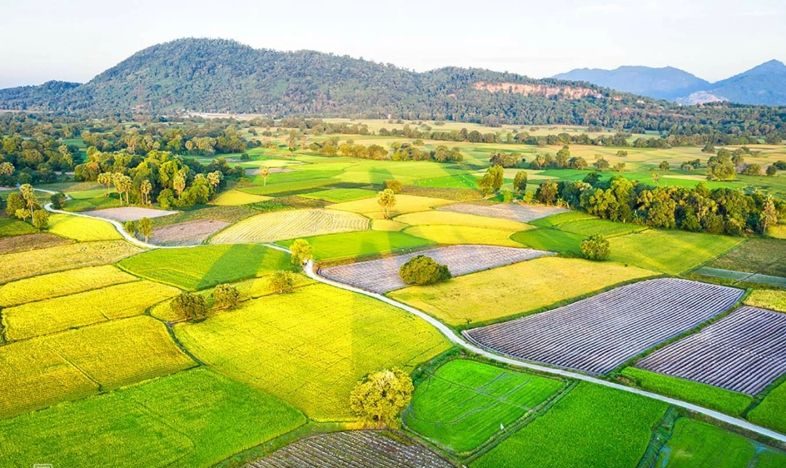
Traveling through the delta by boat reveals the true scale of its agriculture. It highlights how these expansive rice fields play a vital role in Vietnam’s economy and in the daily life of the people who depend on them.
>>> TOP 12 Beautiful Rivers in Vietnam: Discover Vietnam’s Scenic Waterways
Essential Tips for Exploring Vietnam’s Rice Fields
Exploring Vietnam’s rice fields is a rewarding experience, but a little preparation goes a long way. From choosing the right season to respecting local life and landscapes, these essential tips will help you enjoy the journey more comfortably and responsibly.”
Master the Timing: Seasonal Secrets
The appearance of the rice fields changes dramatically depending on the month you visit. Understanding the agricultural cycle is the key to seeing the colors you desire.
- The Watering Season (May – June): This is when farmers flood the terraces to prepare for planting. The fields turn into thousands of shimmering mirrors, reflecting the sky and clouds. It is a dream for minimalist photography.
- The Green Season (July – August): If you want to see that electric, neon green that looks almost artificial, this is your time. The rice is growing rapidly, and the valleys are at their most lush and vibrant.
- The Golden Season (September – October): This is the peak tourist season in the north. The grain is ripe, and the mountains are draped in heavy, shimmering gold.
- Post-Harvest (November – April): Be cautious during these months. In the north, many fields are brown, muddy, or fallow. If you travel during this time, focus on the Mekong Delta where the growing cycles are more frequent.
Choose Your Mode of Transport Wisely
How you move through the rice fields in Vietnam will define your experience.
- Trekking: In Sapa, Mu Cang Chai, and Pu Luong, your own two feet are the best way to reach the most remote terraces. It allows you to walk along the narrow “dikes” (the mud walls) that separate the levels.
- Motorbike: For the ultimate freedom, a motorcycle tour through the northern highlands is unbeatable. It allows you to stop at any bend in the road for a photo. However, only do this if you are an experienced rider or book an “Easy Rider” (a local driver).
- Cycling: In flatter regions like Mai Chau, Ninh Binh, or Hoi An, renting a bicycle is the most peaceful way to glide through the paddies. It’s eco-friendly and lets you soak in the sounds of the countryside.
- Boat: In Tam Coc (Ninh Binh) or the Mekong Delta, your “trail” is a river. Keep your hands inside the boat, as the rice often grows right up to the water’s edge!
>>> Tam Coc Boat Tour: Explore Vietnam’s Scenic Beauty
Respect the Land and the Locals
These fields are not just tourist attractions; they are someone’s livelihood and private property.
- Stay on the Paths: It is tempting to walk into the middle of a field for a perfect shot, but treading on the mud walls can cause irrigation leaks. Always use established trails.
- Ask Before You Snap: If you want to take a close-up photo of a farmer in their traditional dress, a simple smile and a nod of your camera go a long way. Most people are happy to pose if you are respectful.
- Dress for the Elements: Even in the summer, the northern mountains can get chilly and misty. Wear layers, and most importantly, wear shoes with excellent grip. The mud in the rice fields is incredibly slippery!
- Support the Local Economy: Buy a hand-woven craft or eat at a local stilt-house homestay. This ensures that the money from your visit directly supports the communities that maintain these stunning landscapes.
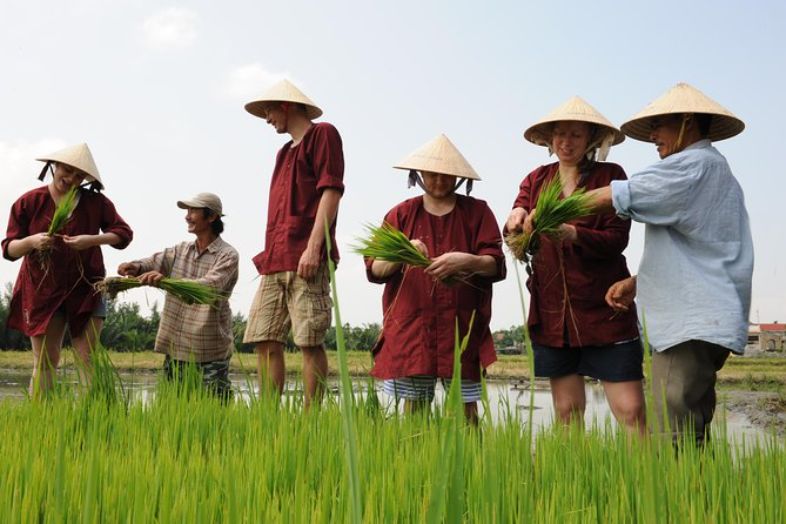
Visiting Vietnam’s rice fields is more than sightseeing, it’s a journey into the heart of the country’s culture, history, and natural beauty. From the towering terraces of Mu Cang Chai to the serene waterways of Ninh Binh, each landscape tells a story of hard work, tradition, and harmony with nature. These stunning fields leave a lasting impression, reminding us that true beauty is cultivated through dedication and respect for the land.
Related Posts:
- Discover Vietnam’s Best Ethnic Villages: A Cultural Travel Guide
- The Best Valleys in Sapa: A Journey Through Vietnam’s Majestic Highlands
- Tu Le Valley, Yen Bai: A Hidden Gem of Vietnam’s Northwest
- Van Long Nature Reserve: Discover Ninh Binh’s Hidden Gem



Be the first to comment!