

Best Local Markets in Vietnam: Your Authentic Shopping Guide
Vietnam’s local markets are vibrant hubs of culture, flavor, and tradition. From bustling stalls of fresh produce to unique handmade crafts, each market offers a glimpse into daily life and local customs. Explore the sights, sounds, and tastes that make these markets unforgettable. MOTOGO Tours is pleased to introduce our guide to the best local markets in Vietnam.
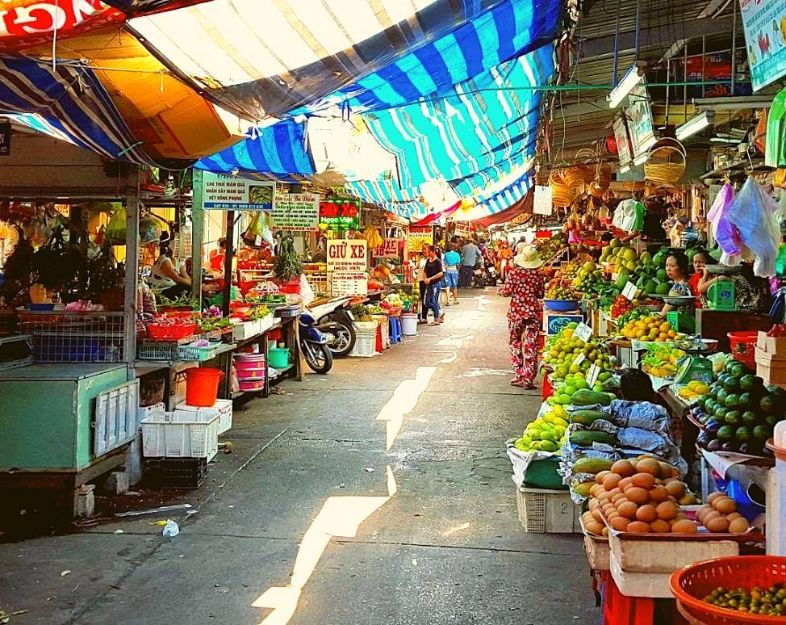
The Soul of Vietnam: Why Markets Matter More Than Malls
In Vietnam, markets are more than just places to shop, they are living reflections of the country’s culture, community, and history. Unlike modern malls, local markets pulse with life, offering authentic flavors, handmade crafts, and the vibrant rhythms of daily Vietnamese life.
A Living Museum of History and Culture
Many of Vietnam’s famous markets are more than shopping spots—they are historical landmarks. From Ben Thanh’s century-old gates to Dong Xuan’s post-war resilience, each aisle and architectural detail tells a story of culture, survival, and history.
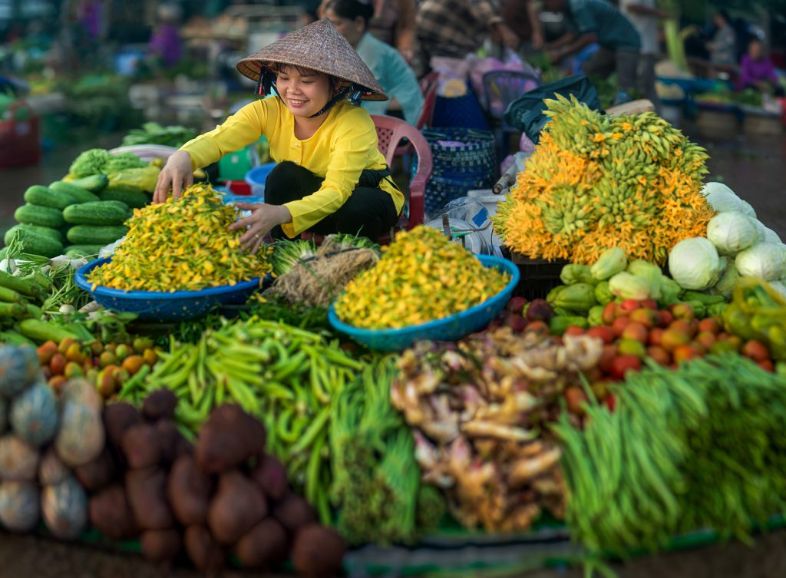
The Ultimate Sensory and Culinary Experience
Prepare for a sensory explosion. The rhythmic clack of cleavers and the high-pitched calls of “Bao nhieu?” (How much?) fill the aisles, creating a lively, chaotic soundtrack.
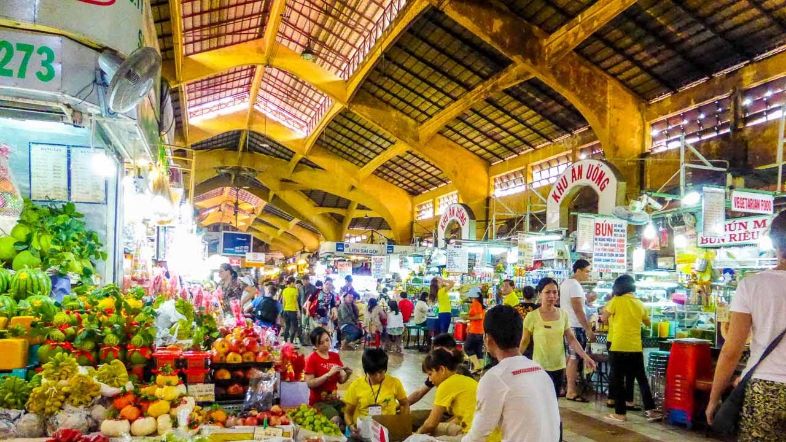
Your nose will follow a wild trail—from the pungent kick of fermented fish sauce to the sweet aroma of ripe jackfruit. These markets are the heart of Vietnamese street food, where generations-old recipes come alive. Vibrant, loud, and delightfully messy, this is the true essence of local life.
Connecting with the Real Spirit of the People
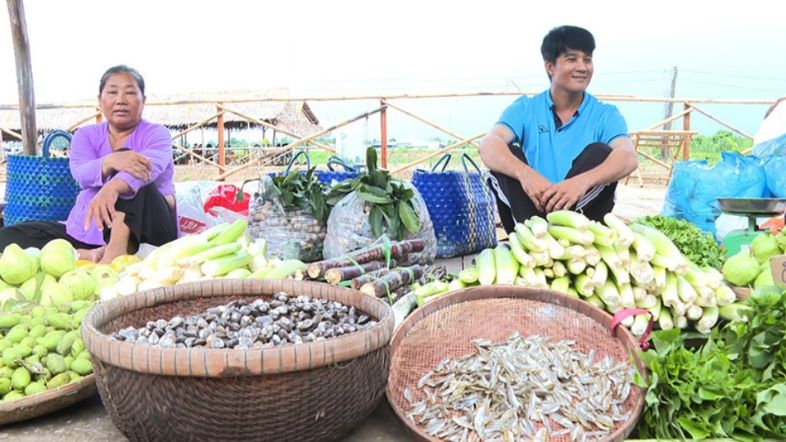
Markets are the great equalizers of Vietnamese society. Grandmas haggle over herbs while students grab a quick breakfast, offering a glimpse of the real Vietnam—the smiles, the hard work, and the warm hospitality. More than just shopping, these markets are social hubs, kitchens, and stages for a centuries-old dance of commerce and culture.
>>> TOP 15 Night Markets in Vietnam: Explore the Best Markets and Local Culture
Famous Local Markets in Vietnam
Vietnam’s local markets are vibrant centers of culture, cuisine, and daily life. From bustling city hubs to charming rural stalls, each market offers a unique glimpse into the country’s traditions, flavors, and lively community spirit.
Bac Ha Market: A Kaleidoscope of Ethnic Identity
Perched over 1,000 meters above sea level in Lao Cai, Bac Ha Market is the Northwest’s most famous highland market. Every Sunday, it transforms into a lively gathering place for ethnic groups like the Flower H’mong, Dao, Tay, and Nung.
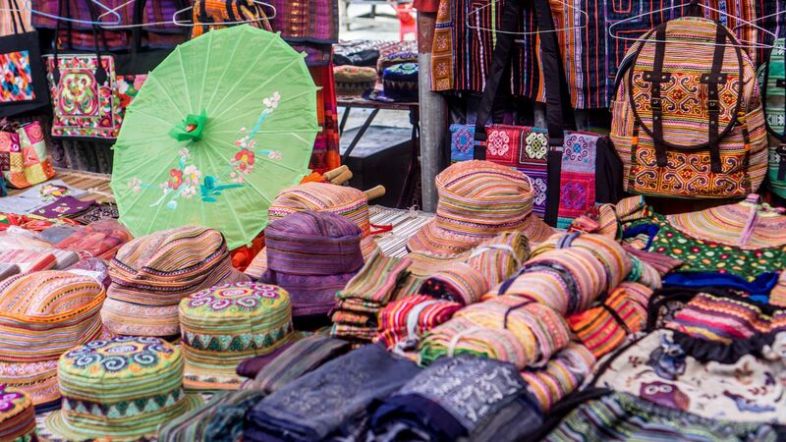
The market is more than a place to buy corn wine or mountain herbs—it’s a living gallery of hand-woven brocade textiles. With the rumbles of water buffalo and the vibrant colors of traditional costumes, Bac Ha offers a sensory experience unlike any other in Vietnam.
Dong Xuan Market in Hanoi
Hanoi wears its history proudly, and Dong Xuan Market is no exception. The northern style may feel more “matter-of-fact” than the south, but the market’s deep traditions make it a true Hanoian gem.
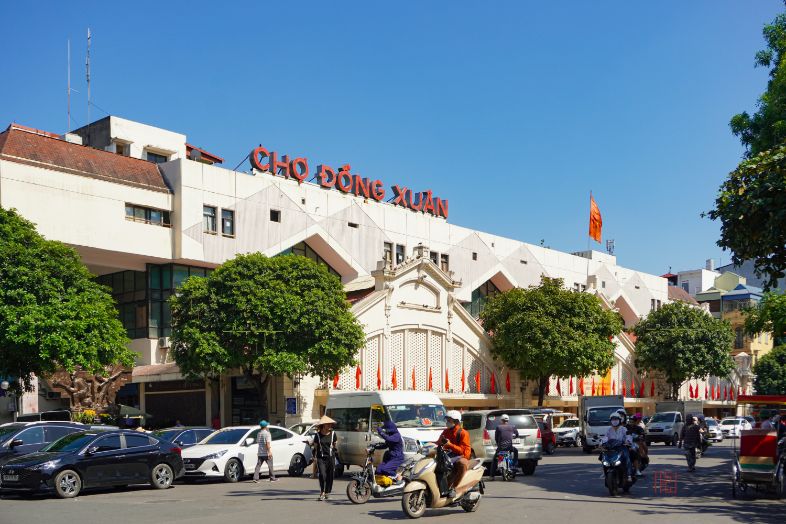
Established in 1889, Dong Xuan is the largest wholesale market in Northern Vietnam. Nestled in the Old Quarter, its three-story structure survived wartime battles, housing everything from textiles and household goods to local snacks. Venture into the nearby alleys, and you’ll discover a foodie paradise preserving the authentic flavors of old Hanoi.
Long Bien Market: The Midnight Symphony of Labor
For a completely different experience, visit Long Bien Market under the yellow glow of streetlights. While the city sleeps, the market comes alive, offering an electric atmosphere unlike anywhere else in Hanoi.
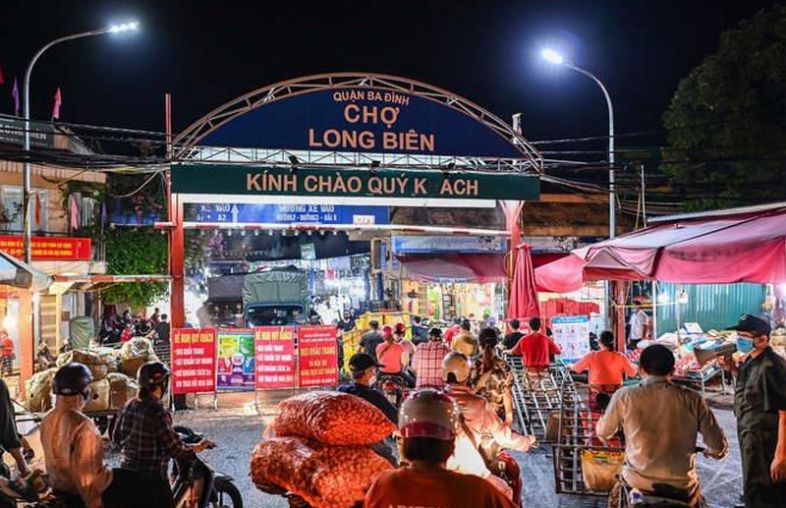
As the largest agricultural wholesale hub in the North, activity peaks between 1:00 AM and 2:00 AM. Amid roaring cargo trucks and the urgent pace of traders, you’ll witness a raw, honest, and deeply moving glimpse of the capital’s working-class life.
Han Market: The Vibrant Hub of Da Nang
Often mistaken for a Korean connection, Han Market actually takes its name from the scenic Han River nearby. Established in the early 1900s, it sits at the bustling intersection of four streets, making it a central hub for locals and visitors alike.
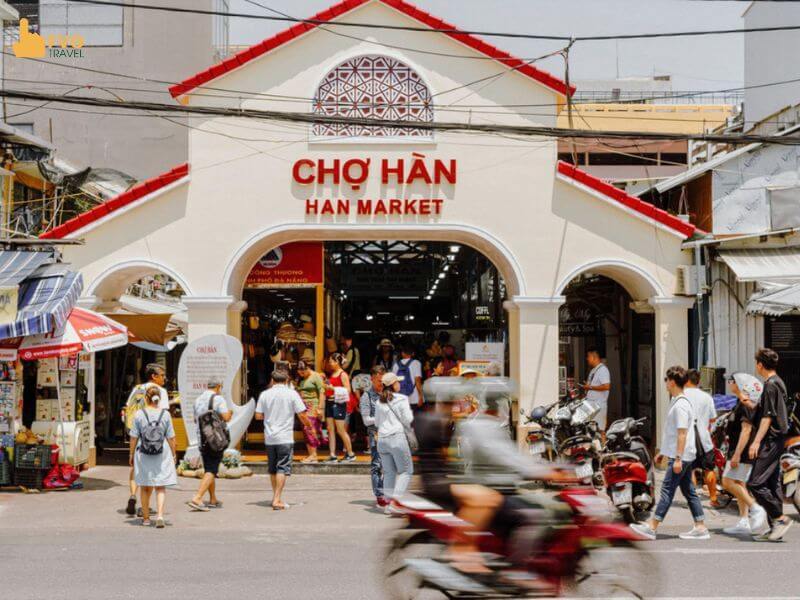
Inside, the market is a neatly organized “maze of merchandise,” perfect for finding Da Nang specialties like dried seafood, fermented fish paste (Mam), and custom Ao Dai. As night falls, shimmering lights transform the area into a magical spot for an evening stroll.
Dong Ba Market: The Imperial Heritage of Hue
Hue, the former imperial capital, still shows its noble roots in Dong Ba Market, though mixed with everyday grit. Founded in the early 19th century near the Huong River and Truong Tien Bridge, it is Central Vietnam’s oldest and largest market.
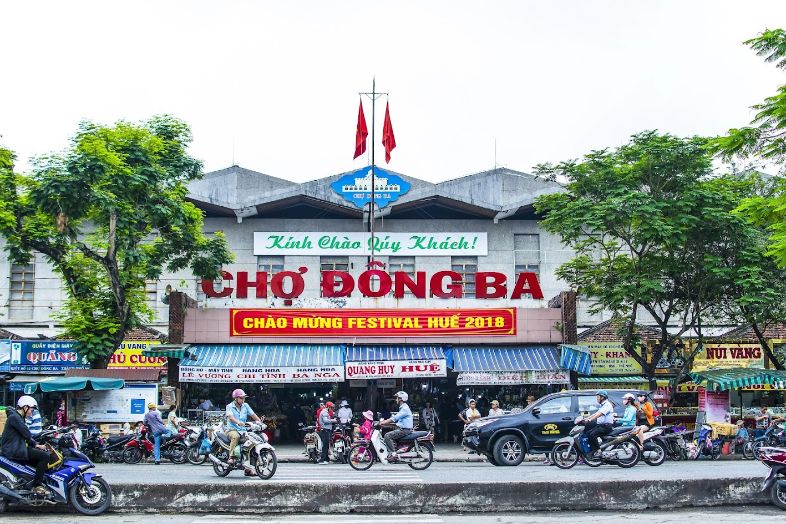
Dong Ba is famous for its “conical hats with poems” (non la bai tho), where delicate lyrics or images are woven into the layers. It’s also the perfect place to taste Bun Bo Hue, the region’s iconic spicy beef noodle soup, fresh from the source.
Ben Thanh Market: Saigon’s Southern Pulse
Ho Chi Minh City, Vietnam’s bustling commercial hub, is alive with energy, and Ben Thanh Market is at its heart. High-volume and diverse, the market perfectly captures the city’s vibrant spirit.
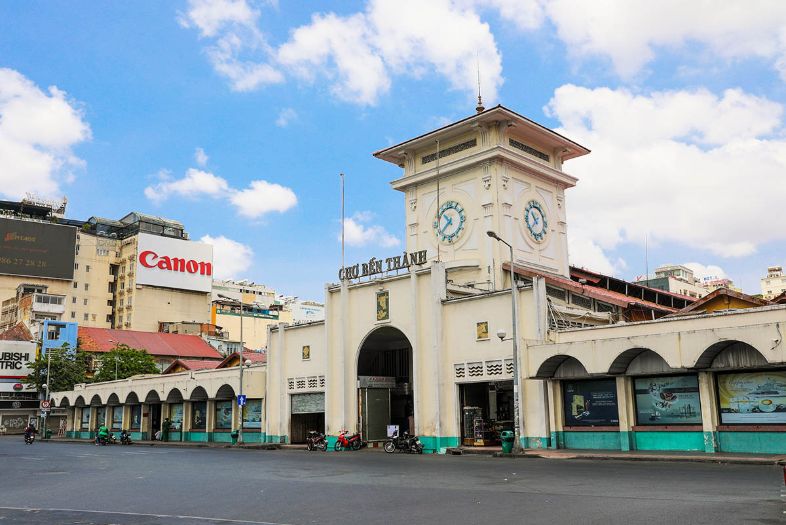
With over 100 years of history, Ben Thanh’s iconic clock tower at the Southern Gate is a symbol of Saigon. Its four gates welcome visitors from around the world, while vendors switch seamlessly between English, French, and Japanese, offering everything from premium coffee beans to handmade crafts.
>>> Discover Hanoi Food Markets: A Culinary Adventure
Da Lat Market: The High Altitude Charm
Nestled in the Central Highlands, Da Lat Market reflects the cool, misty charm of the “City of Eternal Spring.” It’s the heart of this mountain town, offering fresh strawberries, artichokes, and dried fruits while capturing the region’s serene atmosphere.
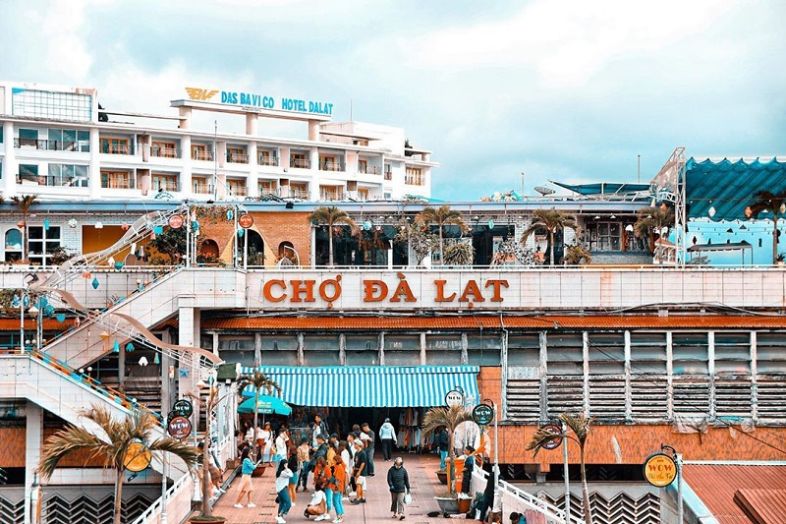
The market’s staircase, with its “Hong Kong cinema” vibe, has become a favorite spot for photographers. Whether visiting in the morning for fresh blooms or at night for grilled rice paper (Banh Trang Nuong) in the chilly air, Da Lat Market delivers a romantic and nostalgic experience unlike any other in Vietnam.
Cai Rang Floating Market: A Masterpiece of River Culture
In the Mekong Delta, roads are made of water, and Cai Rang Floating Market in Can Tho is a spectacular example. Established in the early 20th century and recognized as a National Intangible Cultural Heritage, it has been named one of the 10 most impressive markets in the world by Rough Guides.
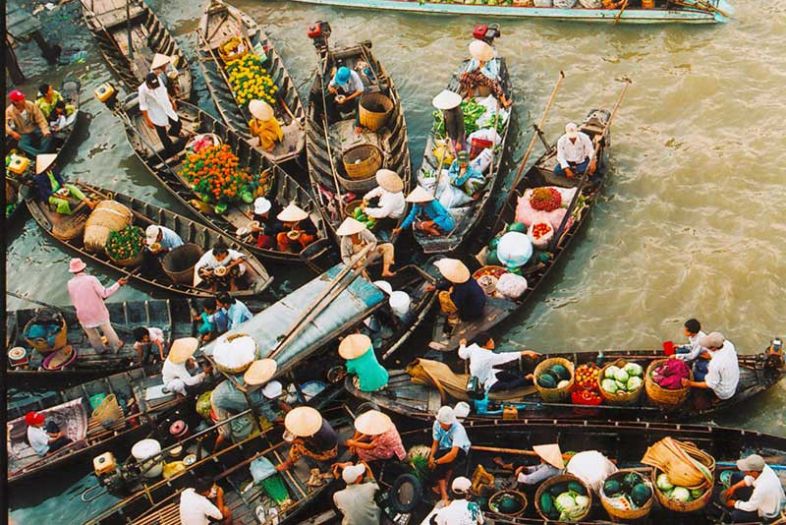
From 5:00 AM to 8:00 AM, the river comes alive with boats selling pineapples, watermelons, and traditional breakfast dishes. Watching the sunrise from a wooden sampan while sipping coffee creates an unforgettable, authentic shopping experience.
Nga Bay Floating Market: Where Seven Rivers Converge
Also called Phung Hiep Market, Nga Bay has a history spanning over 100 years. Located at the junction of seven river branches, it forms a unique waterborne hub in the heart of the Mekong Delta.
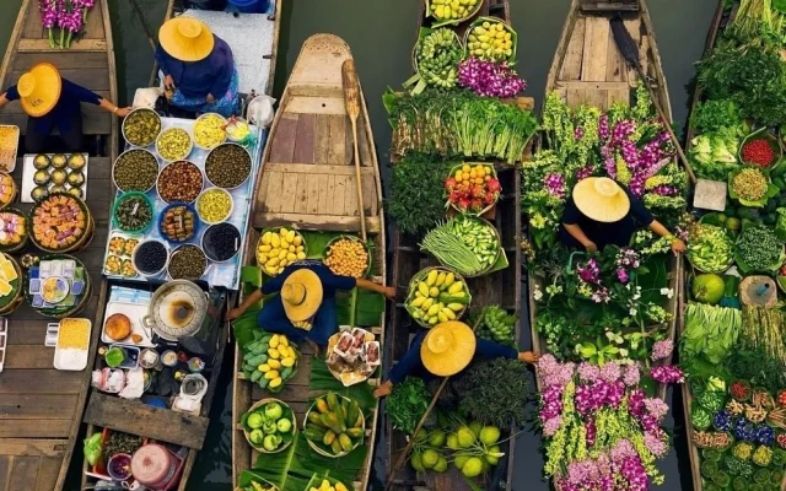
Visitors can explore floating cafes, barbershops, and bustling boats filled with local goods. Nga Bay offers the most vivid glimpse of traditional delta life, where the pace of daily living flows with the rhythm of the tides.
>>> Discover Can Cau Market: Lao Cai’s Vibrant Cultural Hub
The Art of the Deal: Mastering Bargaining and Etiquette
Bargaining in Vietnam’s markets is more than a skill—it’s a cultural ritual. Knowing when to smile, how to negotiate, and respecting local customs can turn shopping into a fun, immersive experience while helping you score the best deals.
Practical Tips for a Smooth Shopping Experience:
- The 50% Rule: A good rule of thumb is to offer about half of the initial price and work your way up to a middle ground.
- Smile and Joke: Bargaining is a social interaction. If you’re friendly, you’ll get a better price. Think of it as a friendly tug-of-war, not a battle.
- Morning Luck: In Vietnam, the first sale of the day is considered lucky. If you’re the first customer, the vendor might give you a better deal just to ensure a good day of business.
- Walk Away: The most powerful tool in your kit is your feet. If the price isn’t right, politely say no and start walking. More often than not, they’ll call you back.
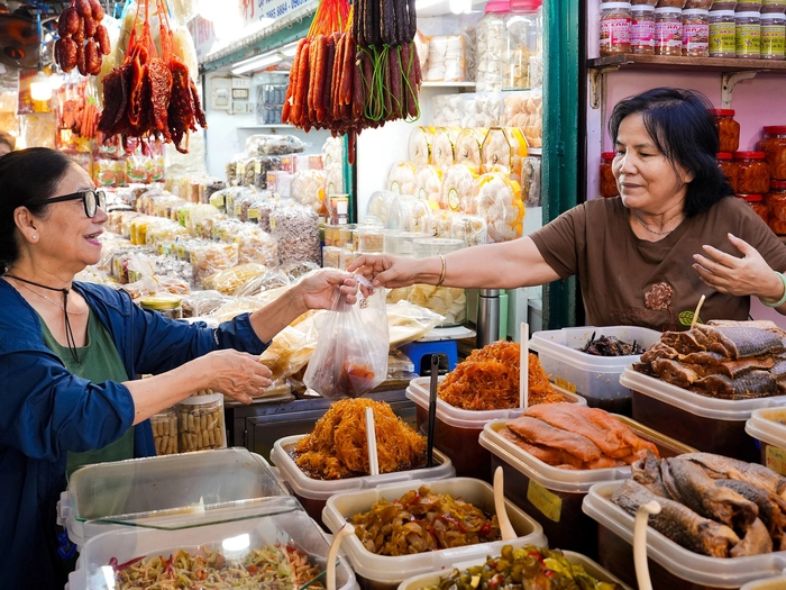
Visiting Vietnam’s local markets is about far more than shopping—it’s about experiencing the soul of the country. From shared laughter and fragrant street food to centuries-old traditions that have endured through time, these markets offer a window into Vietnamese life like no other. Step in with curiosity, an open heart, and an empty stomach, and you’ll leave with memories that linger long after the day ends.
Related Posts:
- Exploring Hue Night Market: A Complete Evening Adventure
- Top 18 Must-Visit Markets in Vietnam for Authentic Souvenirs and Street Food
- Sapa Night Market: A Cultural Experience Like No Other
- TOP 8 Floating Markets in Vietnam: A Cultural Exploration of Waterborne Traditions


Be the first to comment!