

Shopping in Hue: A Complete Guide for Travelers
Hue is a city rich in history, culture, and vibrant markets. From traditional handicrafts to unique local souvenirs, shopping here is an experience not to be missed. MOTOGO Tours is excited to introduce you to the best shopping spots in Hue.
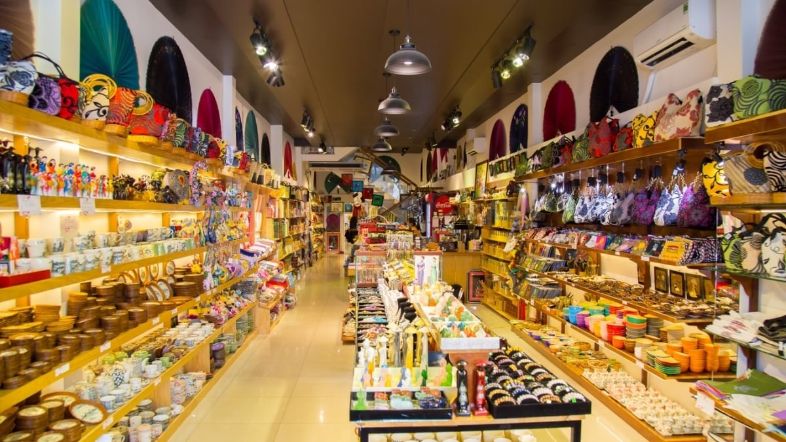
The Essence of Hue: A Journey into Vietnam’s Imperial Soul
Hue isn’t just a city; it’s a living museum along Huong River. This former imperial capital exudes quiet dignity, where the scent of incense and temple bells fill the air. To truly enjoy shopping in Hue, you must feel its unique blend of royal refinement, spirituality, and slow-living charm.
The Imperial Legacy: A City of Kings and Poets
Hue’s most striking feature is its royal heritage. For over 140 years, it was the seat of the Nguyen Dynasty, and the influence of royalty is evident everywhere—from the grand architecture of the Citadel to the city’s rich cultural traditions.
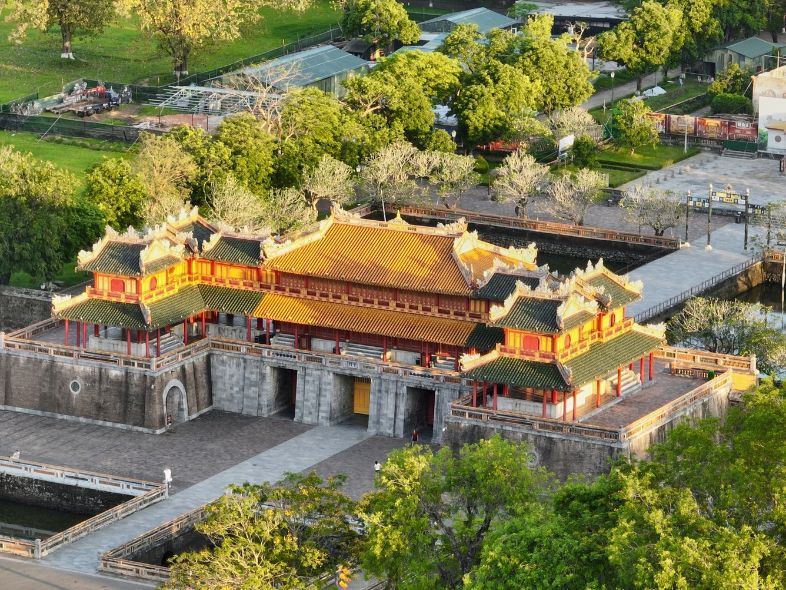
Shopping in Hue offers a taste of this regal past. Many local products, from intricate bronze castings to delicate silk embroidery, were once crafted for royalty. This attention to detail makes every souvenir feel like a piece of history and a testament to the pride of local artisans.
The Poetic Landscape
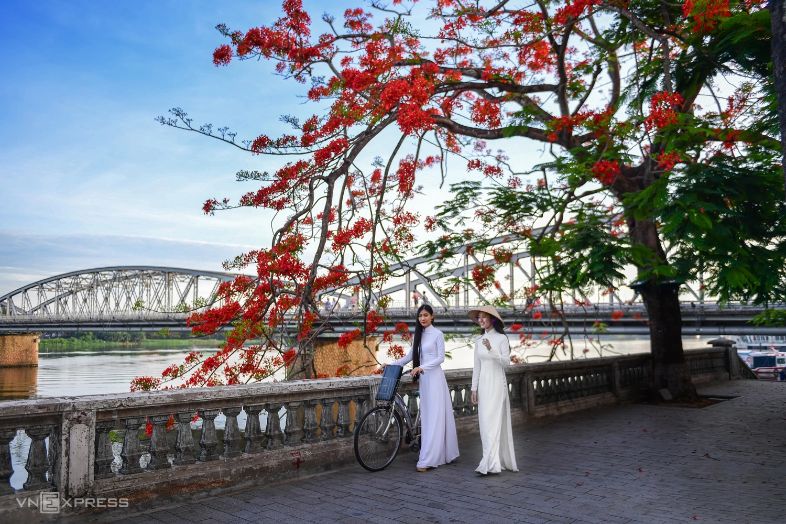
Hue is called “poetic” not only for its misty Huong River and lush green hills but also for its people. The city has a unique “Hue style,” marked by grace and subtlety, reflected in the elegance of the Ao Dai and the charm of the Non Bai Tho (Poem Hat). Its romantic and slightly nostalgic vibe sets it apart from other cities.
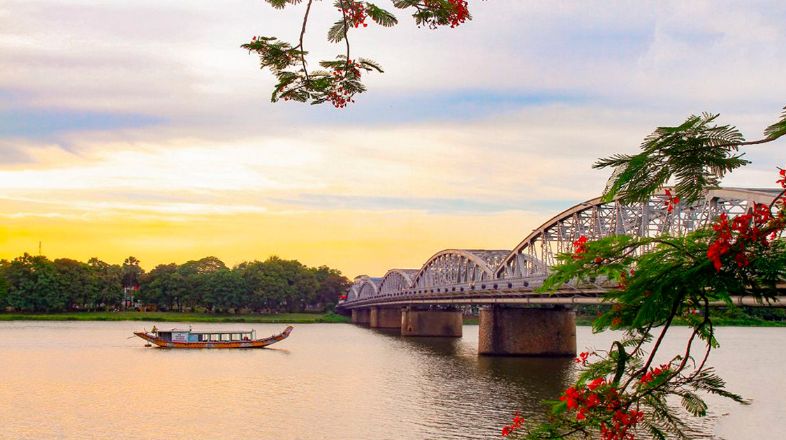
Shopping in Hue mirrors this gentle elegance. Unlike the aggressive sales pitches found elsewhere, here it’s about the story behind each craft, the metaphor in each painting, and the tradition woven into every textile. Hue encourages visitors to slow down and appreciate the finer details in every piece.
A Culinary and Craft Hub Unlike Any Other
Hue is Vietnam’s culinary capital, and its food culture is deeply connected to the shopping experience. The city’s markets are a sensory delight, offering local specialties like fermented shrimp paste and sweet lotus seeds from Tinh Tam Lake.
But Hue’s charm goes beyond food. Its streets are alive with craft culture—baskets, hats, and lanterns are often handmade right before your eyes. This authentic, artisanal spirit is what makes shopping in Hue a truly memorable part of any traveler’s journey.
>>> Exploring Hue Night Market: A Complete Evening Adventure
Top Destinations: Where to Shop in Hue?
If you’re wondering where to start shopping in Hue, it’s a mix of bustling wet markets and modern plazas. The contrast between old and new reveals the local lifestyle, showing where residents truly spend their time and money.
Dong Ba Market: The Heartbeat of Hue Commerce
Located on Tran Hung Dao Street along Huong River, Dong Ba Market is more than just a shopping spot—it’s a living landmark. As the oldest and most significant market in Hue, it spans nearly 16,000 square meters and is easily recognized by its large gray building and iconic red sign.
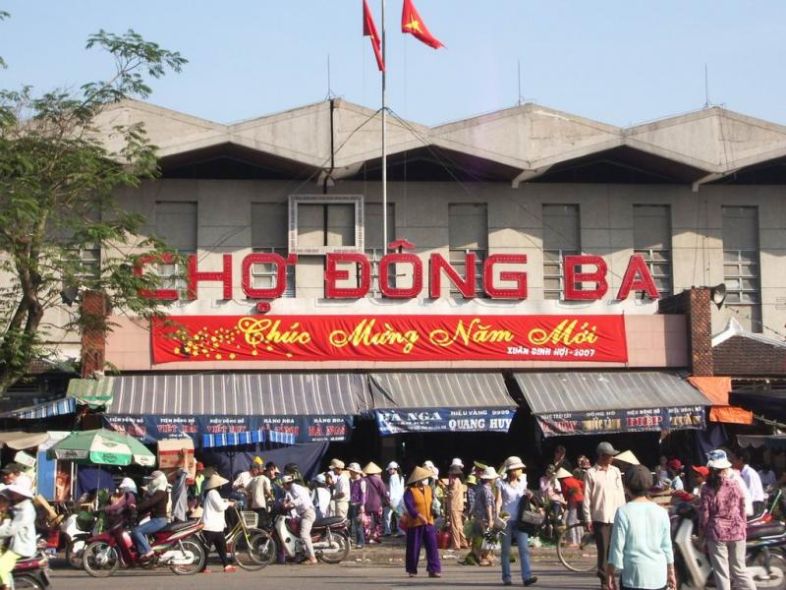
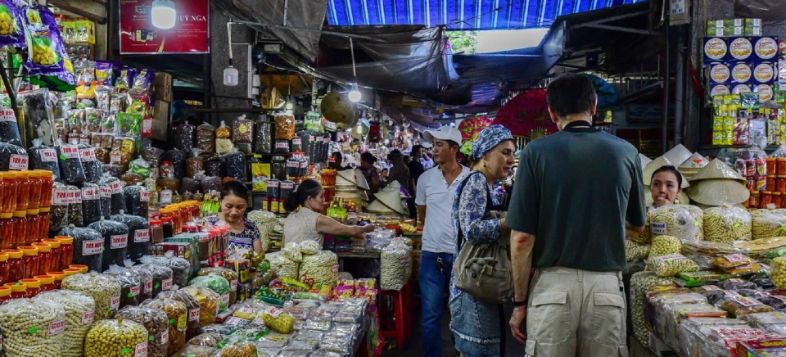
Inside, stalls overflow with fresh produce, seafood, handicrafts, and everyday items. The market captures the authentic “Hue vibe,” where the air carries the scent of fermented fish sauce and sweet lotus seeds, and the constant hum of bartering fills the space. The market opens at 3:00 AM for wholesalers, but 8:00–11:00 AM is ideal for travelers. This is when the food stalls serve famous dishes like Bun Bo Hue and Banh Khoai, making it a lively, sensory-filled experience.
Truong Tien Plaza
Truong Tien Plaza is located at 06 Tran Hung Dao, Hue City, along the scenic Huong River and next to the iconic Truong Tien Bridge. Its convenient location makes it easily accessible for both locals and tourists exploring the ancient capital.
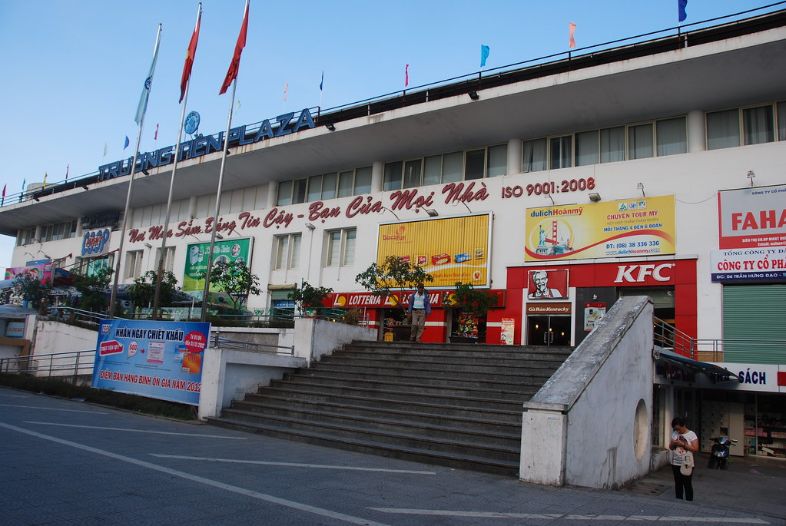
The plaza features three above-ground floors and a ground floor. It is a modern commercial complex offering a wide range of facilities, including a supermarket (electronics, books, fashion, handicrafts), luxury retail stores, banking offices, a 500–600-seat riverside restaurant, a conference hall for over 500 people, food and beverage zones, and entertainment areas, providing a complete lifestyle experience for visitors.
Tay Loc Market
For those seeking a less touristy experience, Tay Loc Market on Nguyen Trai Street is a great alternative. Unlike Dong Ba, this market is popular with locals hunting for bargains.
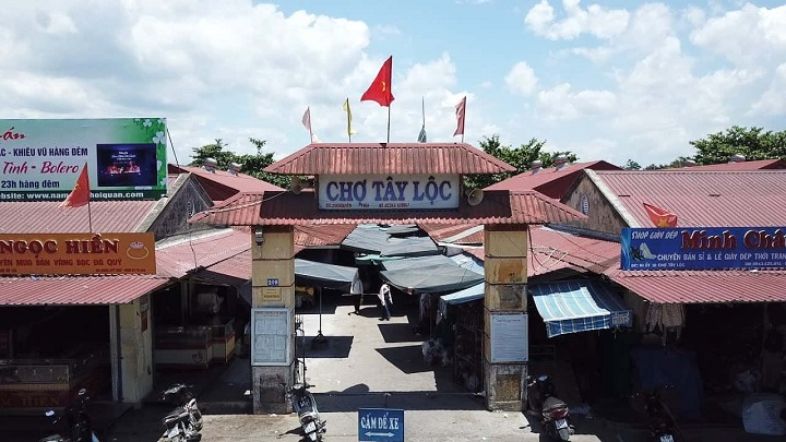
Tay Loc is known for second-hand goods and affordable accessories. It’s the perfect spot for unique jewelry or quirky souvenirs at lower prices, all in a more relaxed atmosphere compared to the busy main market.
Hung Vuong and Tran Hung Dao Streets
If you’re interested in art and traditional crafts, Hung Vuong Street is a must-visit. Hue Shop at number 7 offers stunning embroidery and souvenirs, while Nguyen Phuc Long at number 8 features exquisite bronze castings and photography.
For lacquerware, head to Tran Hung Dao Street. Dong Ba Lacquerware at number 4 showcases a beautiful collection of polished art pieces, perfect for sophisticated home decor or memorable gifts.
Phan Dang Luu and Le Loi: Art and Silk Hubs
Phan Dang Luu Street is a haven for art lovers. Shops like Huong Duong specialize in fine arts and paintings, offering a range of beautiful pieces for collectors and enthusiasts alike.
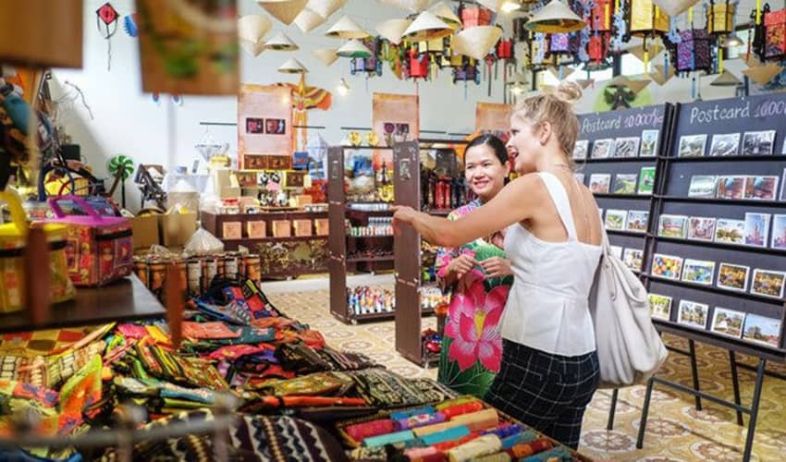
Le Loi Street is perfect for silk enthusiasts. Lined with silk shops and tailor houses, it’s possible to get a custom-made Ao Dai crafted in just one day. While prices can be higher, the quality and craftsmanship are exceptional.
>>> Hue Imperial City: Exploring Vietnam’s Historical Gem
What to Buy in Hue? Must-Have Souvenirs
Hue offers a treasure trove of unique souvenirs that reflect its royal heritage and local craftsmanship. From delicate silk and embroidered Ao Dai to lacquerware, bronze castings, and handmade jewelry, each item tells a story of tradition, artistry, and the city’s poetic charm.
The Iconic Non La (Conical Hat)
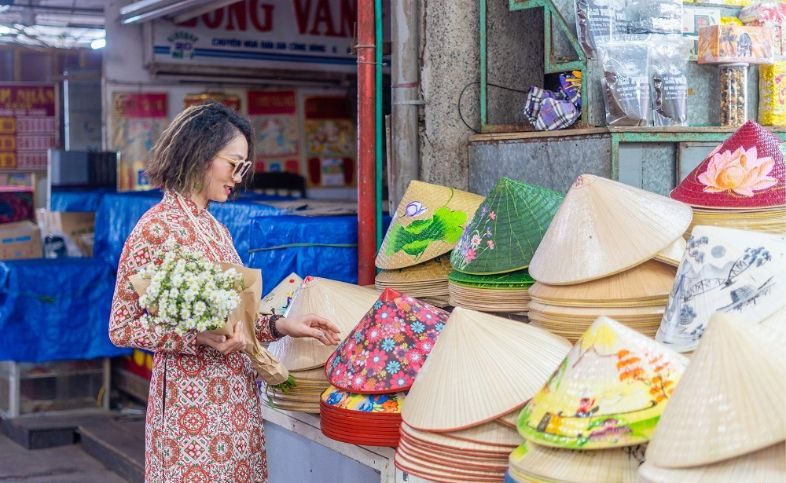
The Non La is a classic symbol of Vietnam, but in Hue, it becomes an art form with the Non Bai Tho, or Poem Hat. These thin, elegant hats reveal hidden poems or images of the Hue Citadel when held up to the light, showcasing exquisite craftsmanship.

While Non Bai Tho hats are available in most markets, a visit to Tay Ho Village, 12 km from the city, offers a glimpse of artisans at work—including some as young as ten. Watching them create these magical hats adds a deeper appreciation for Hue’s rich artisanal tradition.
Sinh Village Folk Paintings: A Spiritual Canvas
For art enthusiasts, Sinh Village folk paintings are a true treasure. Unlike the northern Dong Ho paintings, which depict everyday life, Sinh paintings are deeply spiritual, often featuring protectors, animals, and ritual objects.
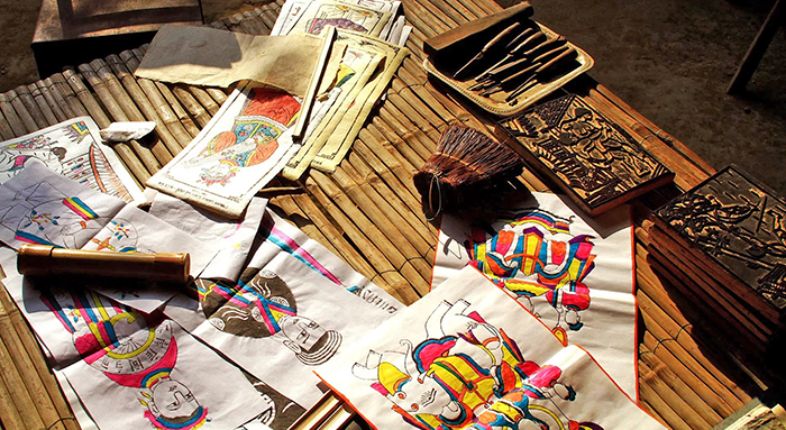
These artworks are made with woodblocks on Do paper and colored using natural pigments. Vibrant and durable, they carry generations of tradition, offering a unique glimpse into Hue’s cultural and spiritual heritage.
Thanh Tien Paper Flowers: The Eternal Bloom
During Tet Nguyen Dan, Hue comes alive with the vibrant colors of Thanh Tien paper flowers. Traditionally, locals used these flowers for altars and ceremonies, especially when the weather made real flowers scarce.
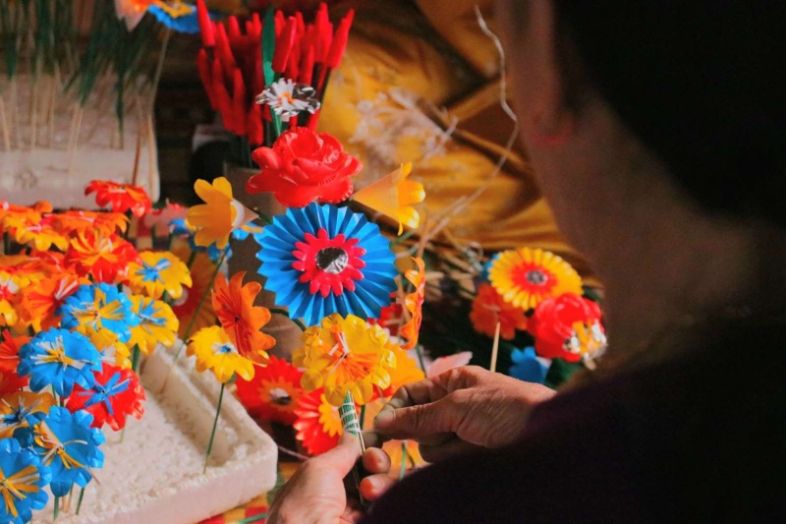
These aren’t simple paper cut-outs—they are intricate replicas of lotuses, roses, and chrysanthemums, crafted from bamboo and dyed paper. Each piece reflects the patience, skill, and artistry of the people of Hue.
Zeng Textiles: The Heritage of the Ta Oi People
Before leaving Hue, be sure to explore Zeng textiles. Originally created by the Ta Oi ethnic group in the mountains, these fabrics are known for their intricate patterns and vibrant colors.
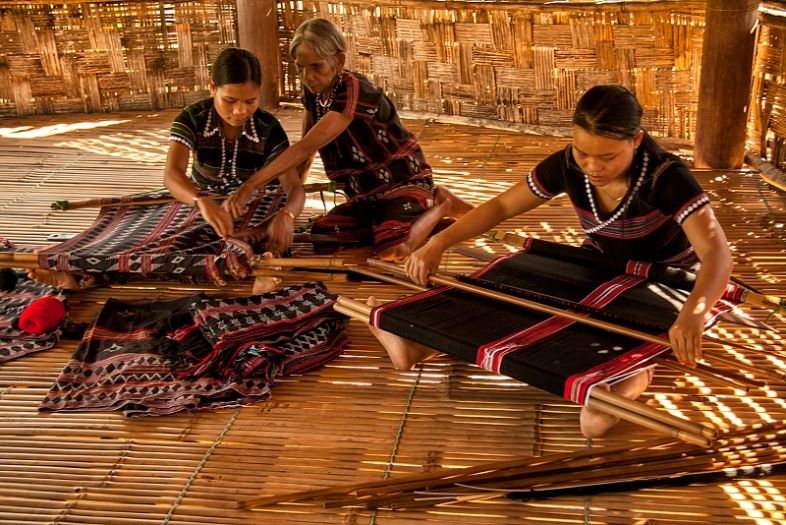
Though the tribes live in the highlands, high-quality Zeng textiles are available in Hue city. They serve as a beautiful connection between the imperial elegance of Hue and the rugged artistry of the Central Highlands.
>>> Complex of Hue Monuments: A UNESCO World Heritage Site in Vietnam
Pro-Traveler Tips: How to Master Shopping in Hue Like a Local
Shopping in Hue is an art form. It’s not just about the transaction; it’s about the interaction, the timing, and knowing the unwritten rules of the imperial city. If you want to walk away with the best quality items without overpaying, you need to go beyond the basics. Here is how you navigate the markets and boutiques of Hue with confidence.
The “Morning First Sale” Strategy
In Vietnam, there is a traditional belief called “Mo Hang,” where the first customer of the day is thought to set the tone for the vendor’s entire business. Being the first buyer is considered lucky, and sellers are often more flexible with prices to ensure a smooth start.
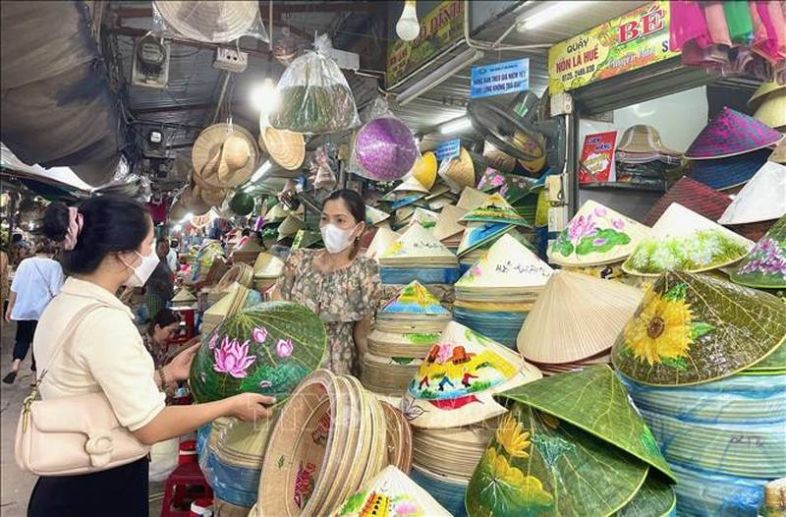
To take advantage of this, visit markets like Dong Ba around 7:30–8:00 AM. If you are the first customer, offer a reasonable but lower price—sellers are often willing to agree to keep the luck of the first sale.
Mastering the Art of the “Hue Smile” Bargaining
Bargaining in Hue is more of a polite social dance than an aggressive confrontation. Unlike the fast-paced haggling in Hanoi, locals value gentle speech, smiles, and humor during negotiations.
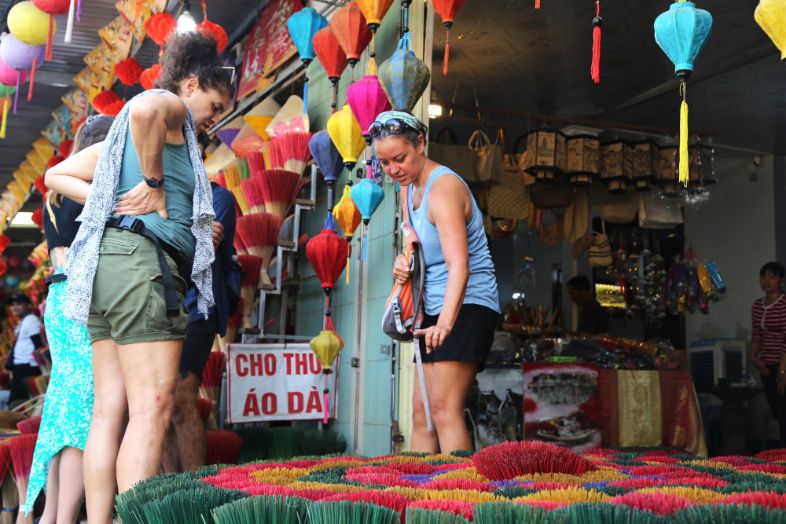
Start by offering 40–50% of the initial price with a smile or a joke. Use soft phrases like “Bot di” (Lower it) or “Mac qua” (Too expensive). Buying multiple items can earn a volume discount, and if the price doesn’t move, walking away often prompts the seller to offer their final best price.
Quality Control: Detecting the “Poem” in the Hat
When buying a Non Bai Tho (Poem Hat), don’t judge it by its exterior alone. Many mass-produced hats look similar but lack the authentic craftsmanship and soul of a true Hue product.
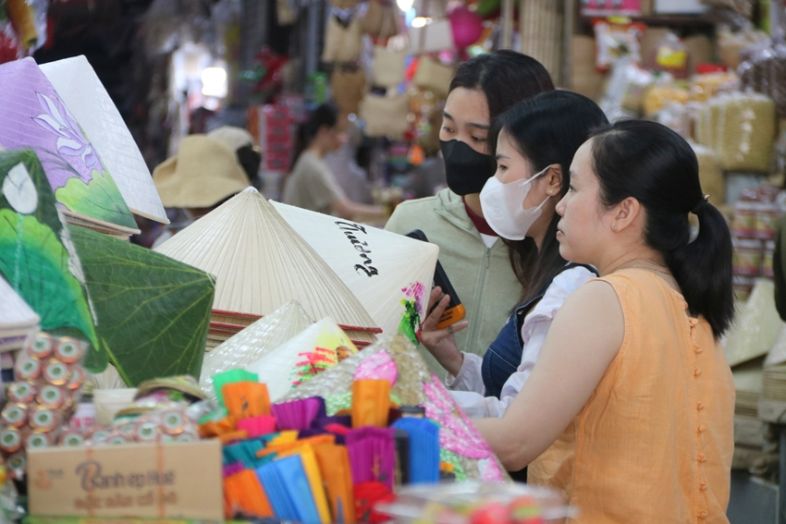
Hold the hat up to sunlight to reveal hidden paper-cut patterns or poetic verses between the palm leaf layers. Check the stitching—high-quality hats have tiny, nearly invisible stitches using transparent nylon thread—and ensure the bamboo frame is perfectly circular without jagged edges.
The “Tailor Test” for Custom Silks
Hue is famous for 24-hour tailoring, but “fast” doesn’t always guarantee perfection. When ordering a custom Ao Dai or silk suit on Le Loi Street, attention to detail is key.
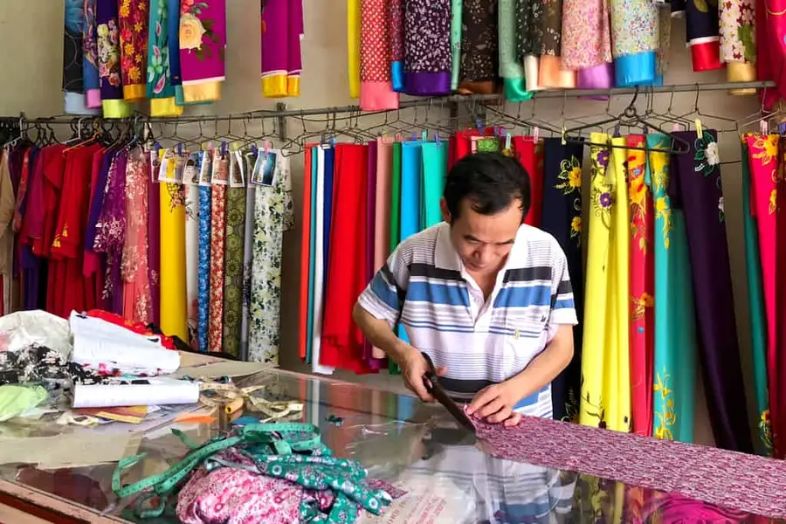
Always schedule a fitting session before the final stitch. Don’t rely solely on your measurements—check the drape of the silk halfway through the process. Inspect the seams as well; high-quality silk garments should have French seams to prevent fraying over time.
Navigating Currency and Small Change
While luxury malls like Trang Tien Plaza accept credit cards (Visa, Mastercard), most street stalls and wet markets operate strictly in Vietnamese Dong (VND).
Always carry small denominations (10,000, 20,000, 50,000 VND). Paying with large bills may lead to overpaying if the vendor lacks change. Having exact change also makes bargaining easier, as you can show the seller exactly what you have.
Related Posts:
- Explore the Majestic Khai Dinh Tomb in Hue
- Hue Imperial City: Exploring Vietnam’s Historical Gem
- Markets in Hue: A Comprehensive Guide to Shopping in Hue
- Exploring Dong Ba Market in Hue: A Cultural and Culinary Gem


Be the first to comment!