

Top Things to Do in Hue: Complete Travel Guide
Hue is a city rich in imperial history, culture, and timeless charm. From ancient landmarks to local food experiences, it offers something for every traveler. In this guide, MOTOGO Tours is pleased to introduce the best things to do in Hue for an unforgettable visit.
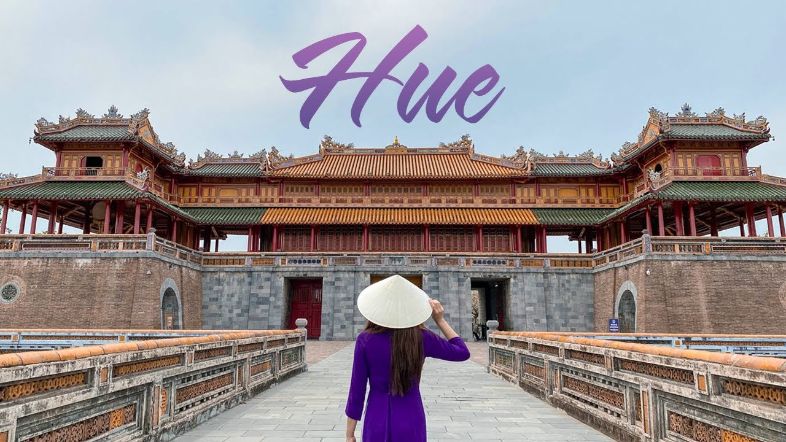
An Introduction to Hue: Vietnam’s Royal Soul
Once the imperial capital of Vietnam, Hue is a city where royal heritage, sacred traditions, and poetic landscapes come together. With its ancient citadel, royal tombs, and the gentle flow of the Perfume River, Hue reveals the timeless soul of Vietnam’s past. Moreover, the city provides travelers with a unique mix of culture, history, and natural beauty.
The Geographic and Historical Heartbeat
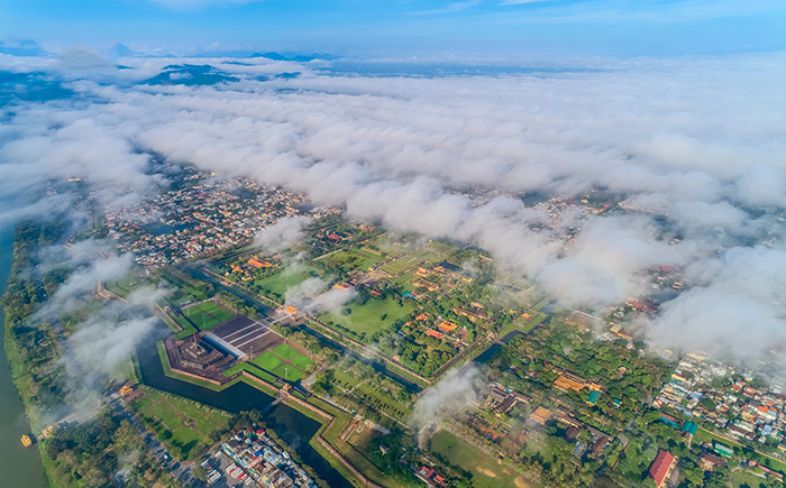
Nestled in the narrow waist of Central Vietnam, Hue lies between the sea and the mountains, holding a strategic and symbolic position in the country’s history. From 1802 to 1945, it served as the political, cultural, and religious center of the Nguyen Dynasty—the last imperial family of Vietnam.
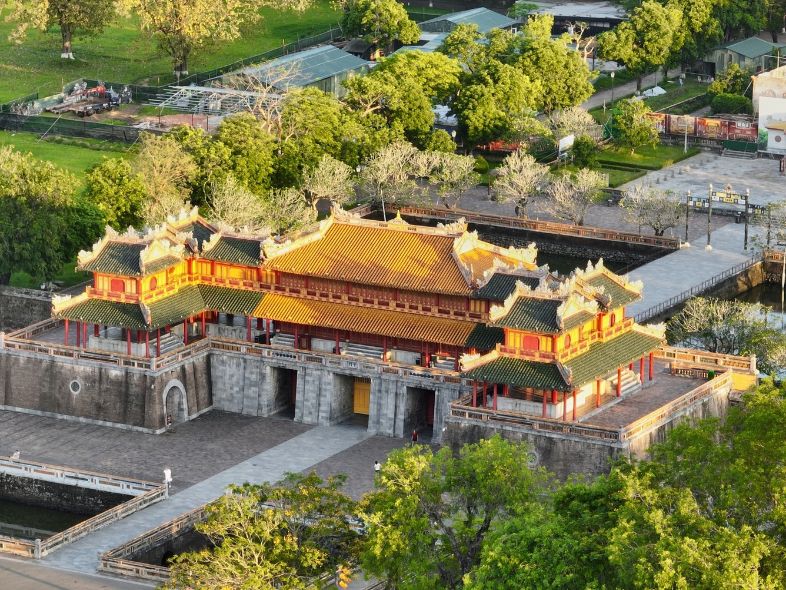
Unlike the colonial charm of Hanoi or the modern skyline of Saigon, Hue is shaped by its royal past. The city was carefully planned according to Feng Shui (Phong Thủy) principles, creating harmony between architecture and nature. For example, Ngu Binh Mountain and the Perfume River were central to the city’s design.
A Living Museum of UNESCO Heritage
Why is Hue often called a “living museum”? It is because its history is not locked behind glass. Instead, it lives on in moss-covered Citadel walls, traditional garden houses, and rituals still practiced by locals today. In 1993, the Complex of Hue Monuments became Vietnam’s first UNESCO World Heritage Site. As a result, visitors can experience history firsthand rather than just observing it.
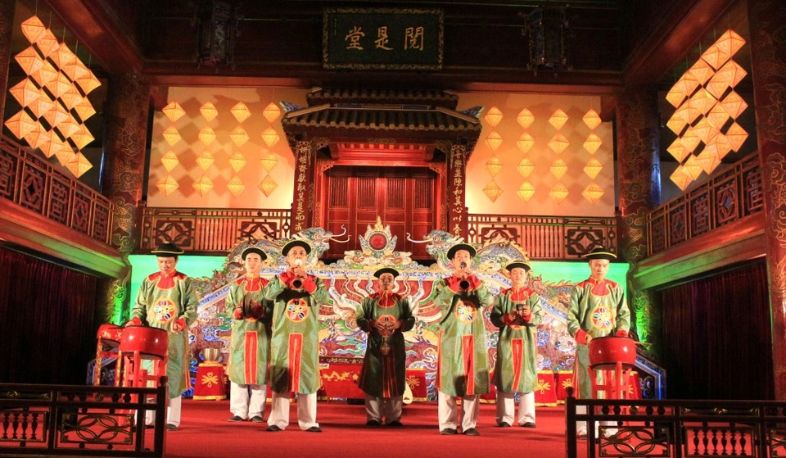
Hue’s heritage also extends beyond architecture. The city is home to Nha Nhac (Vietnamese Court Music), an intangible cultural heritage once performed for emperors. Today, it continues to echo through restored royal theaters.
The “Hue Vibe”: Slow Living and Intellectual Grace
Hue has a distinct vibe that is unlike anywhere else in Southeast Asia, often described as slow living. The people of Hue are soft-spoken, poetic, and deeply proud of their traditions. Meanwhile, life moves at a gentle pace. Elderly men play chess beneath ancient banyan trees, while students in white ao dai cycle quietly across bridges.
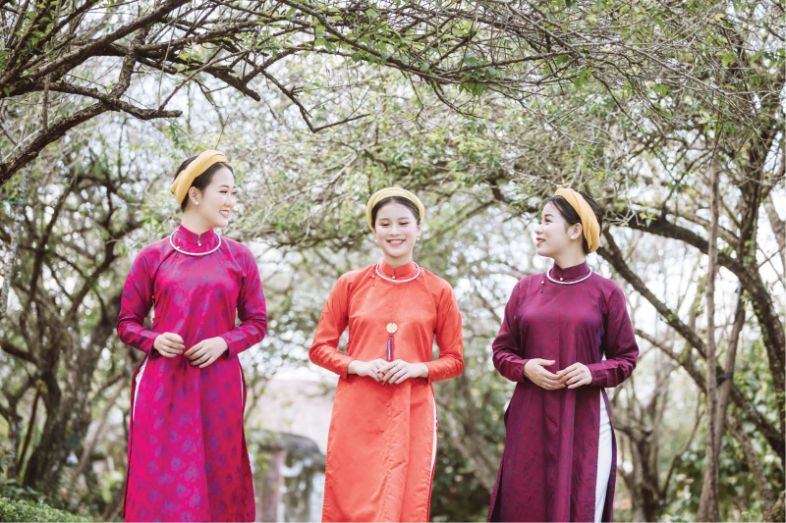
Moreover, aesthetics and etiquette shape daily life. From the careful presentation of a bowl of noodles to the patient tending of a bonsai tree, Hue is a city that values beauty over speed. In addition, these small rituals give visitors a deeper understanding of the city’s character.
>>> Hoi An to Hue by Motorbike: Uncover A Scenic Adventure Through Vietnam’s Heart
Must-Visit Landmarks and Iconic Activities
Hue is home to some of Vietnam’s most iconic landmarks and timeless experiences. From imperial architecture to scenic river journeys, these must-visit sites and activities capture the essence of the city’s royal past and cultural soul.
The Imperial City (The Citadel): The Heart of a Kingdom
Construction of the Imperial City began in 1804 under King Gia Long and was completed in 1833 under King Minh Mang. Built over 29 years, it required thousands of workers, the relocation of villages, and the redirection of rivers. As a result, it stands as an enduring feat of imperial engineering.
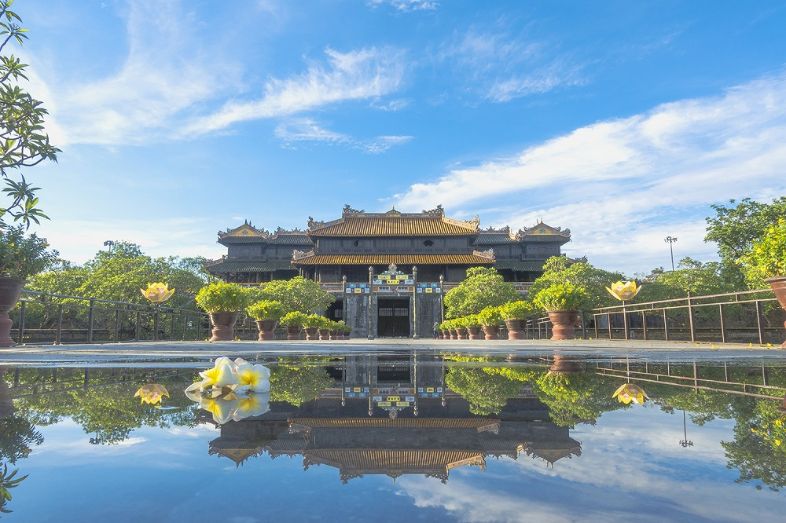
The complex follows strict symmetry, with the king’s quarters at its center and structures arranged by rank and ritual. Surrounded by four main gates and the Ho Ngoai Kim moat, highlights include Ngo Mon Gate, Thai Hoa Palace, the Dien Tho and Truong Sanh Palaces, and ancestral shrines honoring the Nguyen emperors. Each offering unique experiences that visitors should not miss when exploring the Imperial City:
- Take a Cyclo Tour: Rent a Xich Lo (cyclo) to cruise slowly around the Citadel walls. It’s the best way to feel the breeze and see the scale of the city without getting tired.
- Royal Photo Shoot: Rent traditional royal garments (Cổ Phục) and transform into a King or Queen for a memorable photo session against the ancient backdrops.
- Traditional Art at Duyet Thi Duong: Watch a 35-minute performance of Nha Nhac (Royal Court Music), a UNESCO-recognized intangible heritage.
- Imperial Tea Tasting: Head to the Dien Tho Palace gardens to sip hot tea in a setting once reserved for the Queen Mother—it’s the ultimate relaxation experience.
- Night Exploration: If you visit during “Hue by Night”, the Citadel transforms into a glowing wonderland with light shows and traditional guard-changing reenactments.
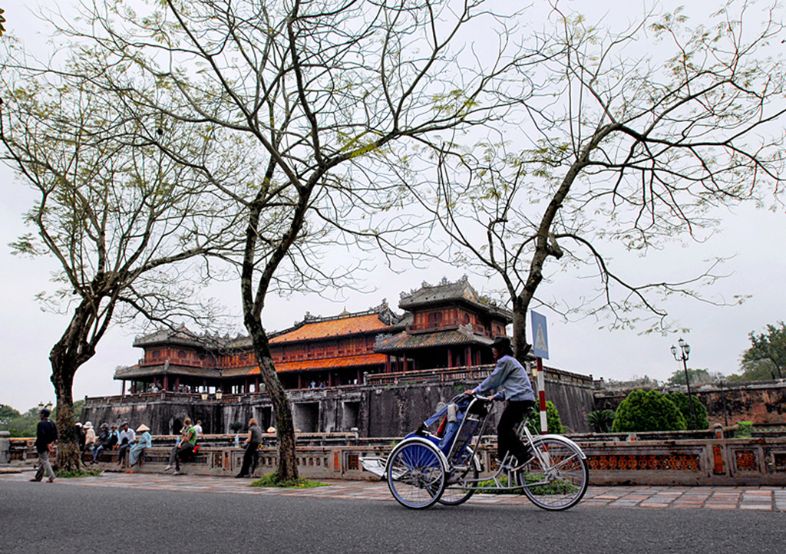
Thien Mu Pagoda: The Icon on the Hill
Perched above the Perfume River, Thien Mu Pagoda (Linh Mu) is one of Hue’s most iconic spiritual sites. Designed like a giant tortoise carrying a temple, the complex is best known for the seven-story Phuoc Duyen Tower, a timeless symbol of the city with panoramic river views. Beyond the tower, peaceful gardens and pine trees lead to Dai Hung Palace and sacred relics such as the Dai Hong Chung bell and ancient stone stele. Together, they create a calm, meditative space that reflects Hue’s deep spiritual heritage.
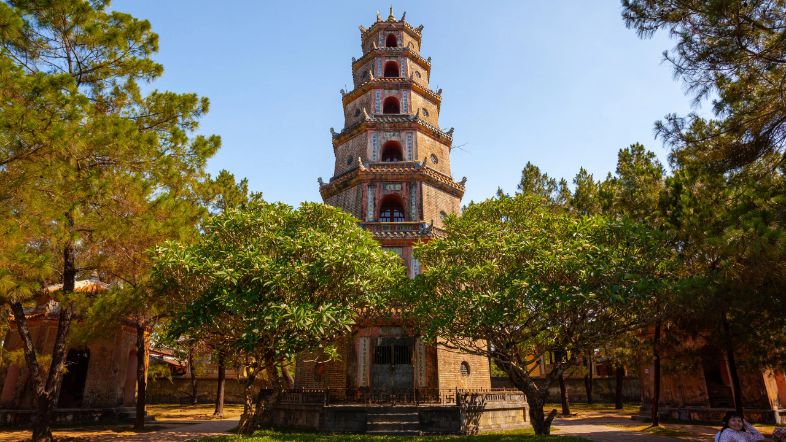
With its long history and sacred significance, Thien Mu Pagoda is a place where visitors pray for peace, health, prosperity, and success. Despite legends of unfulfilled love, many still come to seek blessings for romance, while others simply find quiet reflection and inner calm in its timeless, serene setting.
An Hien Garden House
Built in the late 19th century, An Hien Garden House is a classic example of Hue’s garden house architecture, reflecting the refined lifestyle of the former aristocracy. Set on a 4,600-square-meter estate facing the Perfume River, the garden features an arched entrance, a traditional spirit screen for protection, and a lotus pond that brings balance and harmony according to Feng Shui.
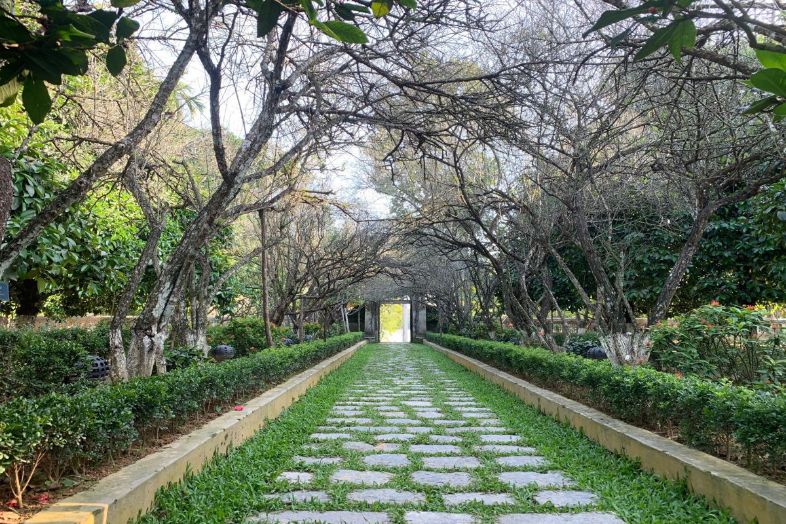
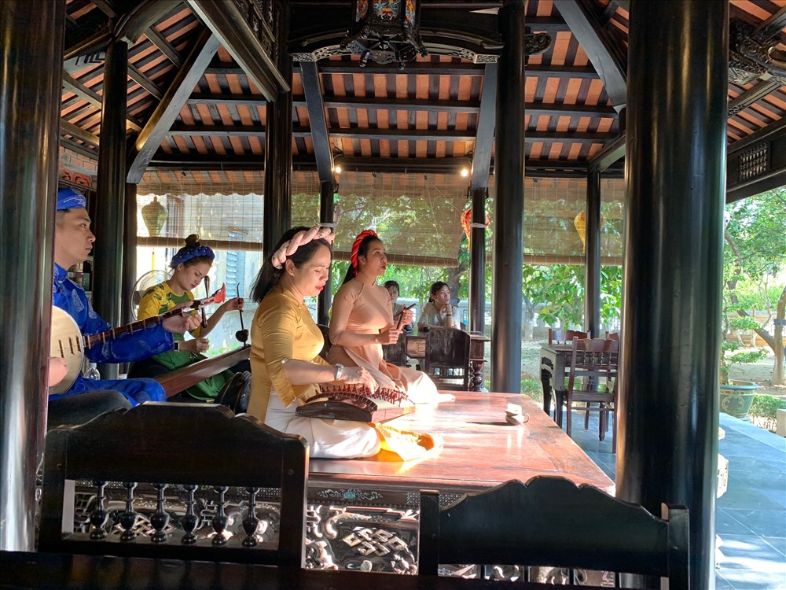
At its heart stands a traditional Nha Ruong wooden house with hand-carved beams and pillars. Inside, ancestral worship, elegant furnishings, and an imperial plaque gifted by Emperor Bao Dai reflect the refined heritage of Hue’s elite past.
To truly experience the soul of this landmark, make sure to engage in these activities:
- Taste the Seasonal Fruits of Four Regions: The garden at An Hien is a “miniature orchard” of Vietnam. Depending on the season, you can sample or see exotic fruits like Thieu Lychees (brought from the North), Mangosteens (from the South), jackfruit, pomelos, and dragon fruit. The garden stays lush and productive all year round.
- Savor Banh Co: Sample banh co, a traditional royal cake made from sticky rice or beans, once prepared for important festivals and ancestral offerings.
- Listen to Traditional “Ca Hue”: Experience the soulful sounds of Ca Hue performed inside the ancient wooden house, accompanied by a warm cup of herbal tea.
- Experience a Traditional Tea Ceremony: Sit on the ancient wooden benches and participate in a slow, refined tea tasting. The combination of the cool garden breeze and the aroma of the tea offers a perfect escape from the midday sun.
Bach Ma National Park
Located about 40 km from Hue, Bach Ma National Park is a stunning ecological escape known for its cool climate and rich biodiversity. Once a retreat for French officials in the early 20th century, it is now a paradise for hikers, birdwatchers, and nature lovers seeking fresh air and tranquility.
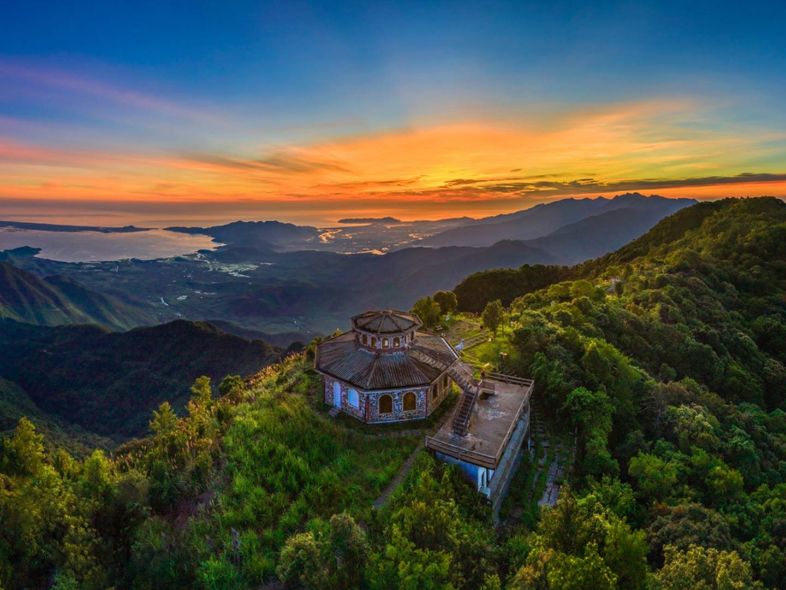
Highlights include Vong Hai Dai, a historic stone observation post with panoramic views of Lang Co Bay and the Truong Son Mountains, and Ngu Ho, a series of five clear natural pools ideal for swimming and picnics. The park’s crown jewel, Do Quyen Waterfall, plunges dramatically from 300 meters, while moss-covered French villa ruins and the charming Hobbit Village add a touch of romance and whimsy to the mountain landscape.
Beyond the viewpoints, Bach Ma invites you to actively participate in its ecosystem. Here are the must-try activities for your trek into the clouds:
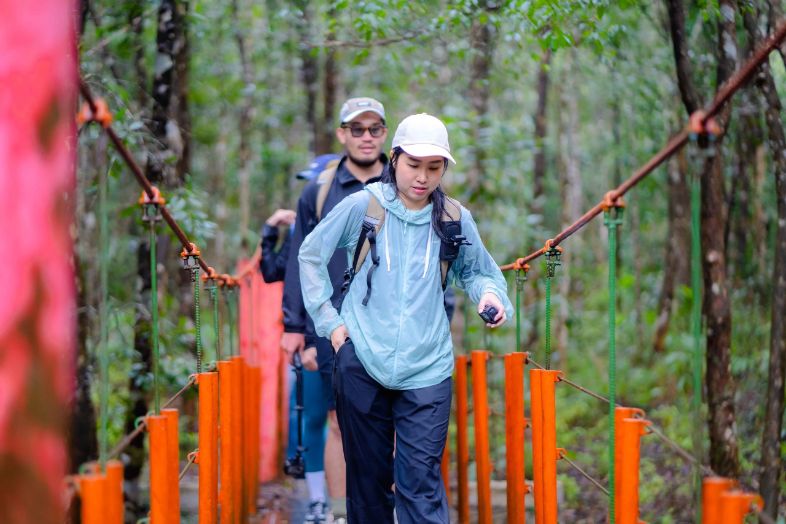
- Trekking Through Primary Forests: Bach Ma offers scenic hiking trails that wind through dense jungle, cross streams, and pass suspension bridges, making it ideal for nature lovers.
- Bird Watching and Wildlife Spotting: Known for rich biodiversity, the park is home to rare species, and patient visitors may spot colorful birds or elusive wildlife in the forest canopy.
- Camping Under the Stars: Stay overnight to fully experience the park’s tranquility, falling asleep to forest sounds and waking to misty mountain air.
- The Ultimate Cycling Challenge: Cycling to Bach Ma’s summit is a demanding but rewarding ride, with steep roads, cool shade, and breathtaking views along the way.
>>> Top Things to Do at Bach Ma National Park: Your Adventure Awaits
Sunrise at Chuon Lagoon: The Golden Hour
For early risers, a visit to Chuon Lagoon, part of the Tam Giang lagoon system, is a must. Arriving around 5:30 AM, you’ll see the water glow like liquid gold as fishing boats drift quietly across the lagoon at sunrise.
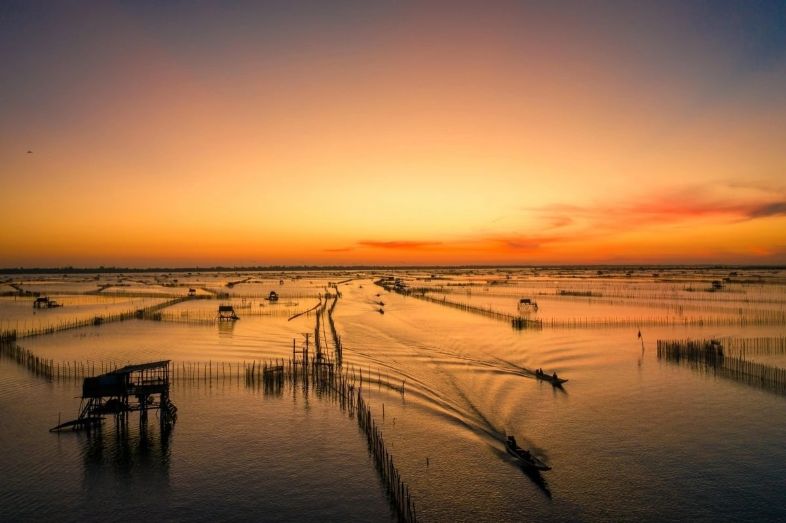
As fishermen return with their night’s catch, the lagoon comes alive. Stop at a local stilt house to enjoy banh khoai ca kinh, a savory pancake made with freshly caught lagoon fish—an authentic taste of everyday life in coastal Hue.
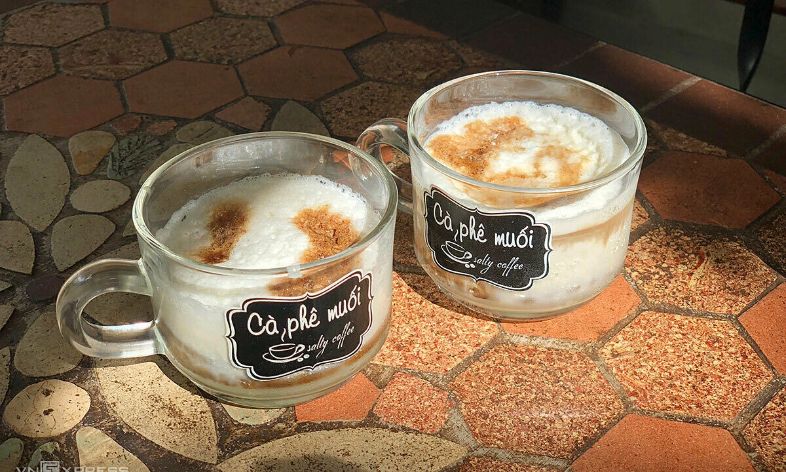
Salt Coffee Crawl: Finding the Best Ca Phe Muoi
You cannot leave Hue without trying salt coffee, a signature drink born in the city. This unique blend balances the bold bitterness of Vietnamese coffee with sweet condensed milk and a rich, savory salt-cream foam.
Cruising the Hai Van Pass: The Ultimate Road Trip
The Hai Van Pass is a short drive from Hue and is often called Vietnam’s most scenic coastal road. Known as the “Ocean Cloud Pass,” it offers dramatic views of the sea, winding mountain roads, and misty peaks that mark the natural boundary between Hue and Da Nang.
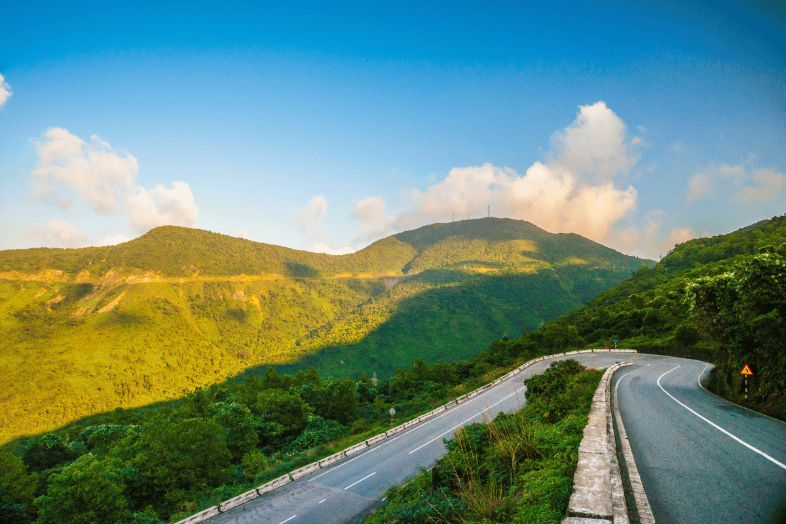
Traveling the pass by motorbike or with an Easy Rider guide is an unforgettable experience. Along the way, you’ll encounter deserted bunkers, panoramic viewpoints, and sweeping curves that make this journey far more than just a transfer—it’s an adventure in itself.
Night Life at the Walking Street
When the sun sets, Hue’s Western Quarter around Pham Ngu Lao and Chu Van An streets comes alive. On weekends, it becomes a pedestrian-only walking street filled with live music, street performers, food stalls, and bustling bars.
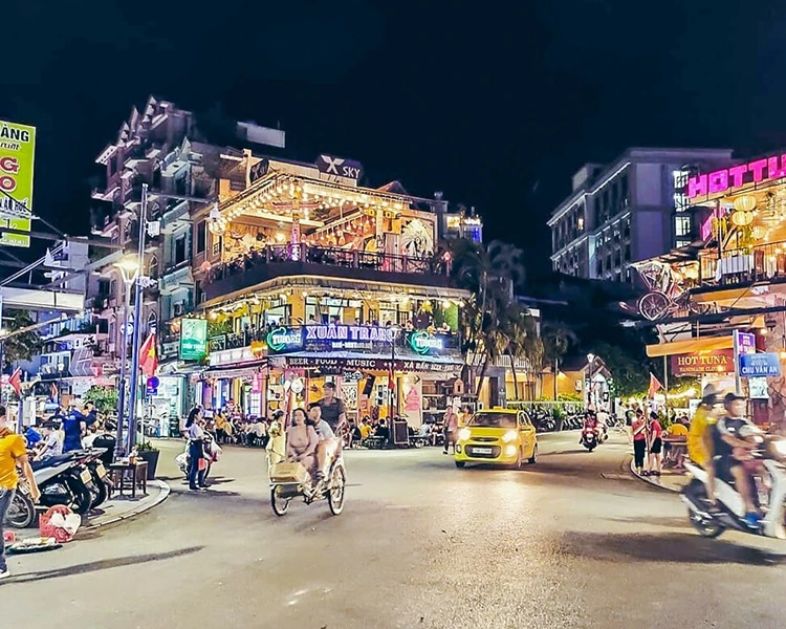
Stroll along the illuminated streets, sip a Huda Beer, sample local snacks, and enjoy the lively atmosphere. The mix of friendly locals, travelers, and performances makes it the perfect spot to experience Hue’s vibrant nightlife.
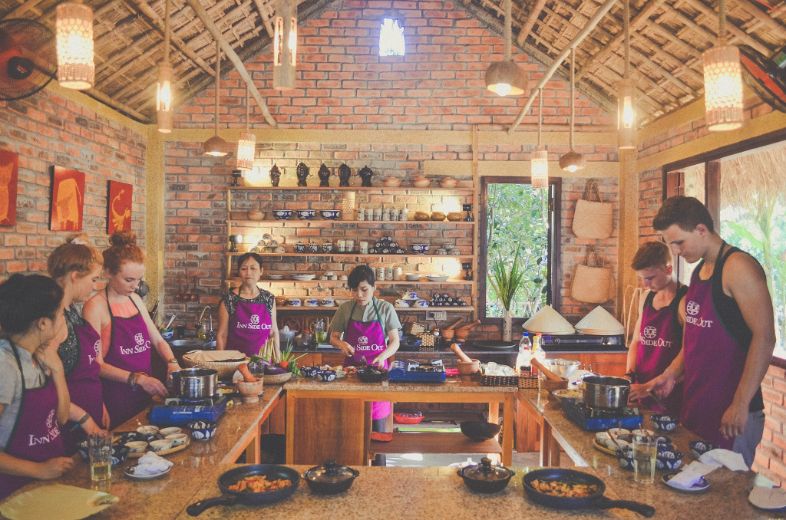
Cooking Classes: Learning the Secrets of Royal Cuisine
As the former imperial capital, Hue is renowned for having the most refined culinary traditions in Vietnam. Many garden houses offer cooking classes where you can learn skills like carving vegetables into intricate shapes and preparing the perfect dipping sauce. It’s a tasty and memorable souvenir to bring home!
Thanh Toan Tile-Roofed Bridge: A Rural Escape
Just 7 km from Hue’s city center lies Thanh Toan Bridge, an 18th-century wooden bridge with a distinctive tile roof. Unlike the crowded Japanese Bridge in Hoi An, Thanh Toan sits quietly in a serene village, surrounded by lush rice paddies and traditional countryside scenery, offering a glimpse into rural life in central Vietnam.
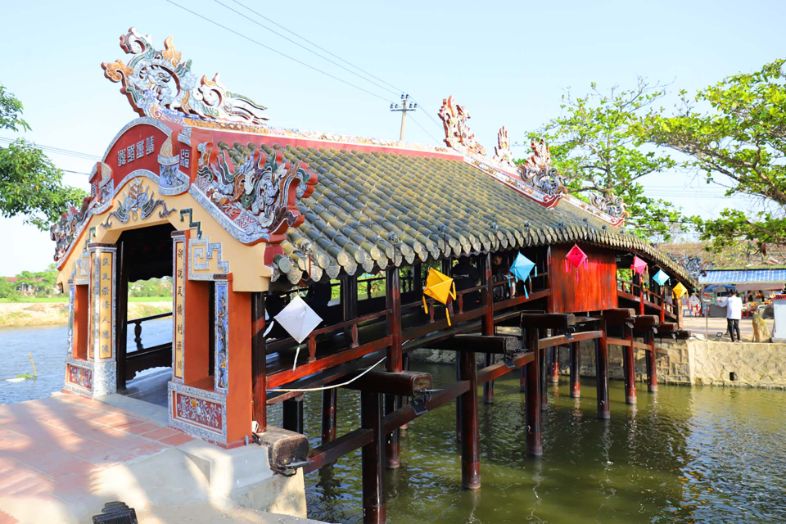
Nearby, visitors can explore a small agricultural museum that showcases local farming practices and history. Don’t miss the chance to chat with the friendly local women who have been selling tea at the bridge for decades, sharing stories and hospitality that make the visit even more memorable.
>>> Markets in Hue: A Comprehensive Guide to Shopping in Hue
Exploring Traditional Markets: The Heart of Local Life
While the palaces tell the story of Hue’s kings, the city’s markets reveal the daily life and spirit of its people. Dong Ba Market, the oldest and largest, is a bustling landmark along the Perfume River where visitors can browse silk, poem conical hats, and enjoy local dishes like bun nghe and che Hue. The markets are not just for shopping—they are social hubs and culinary experiences that immerse you in Hue’s vibrant culture.
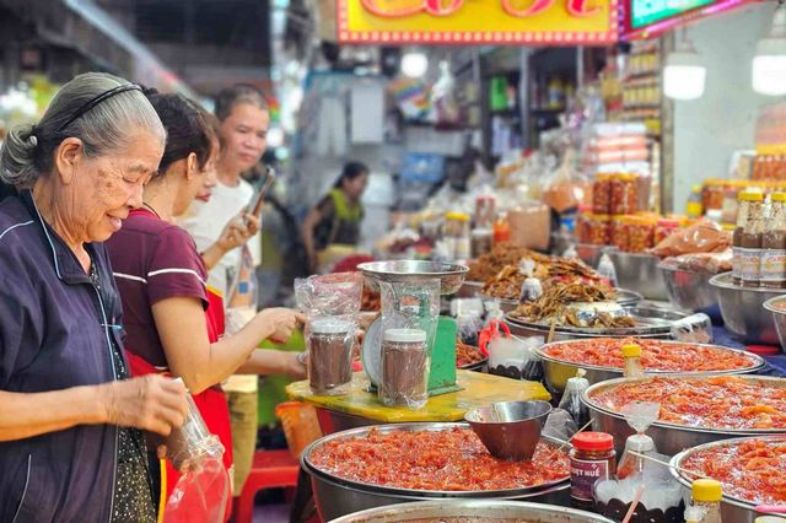
For a more local experience, smaller markets like Ben Ngu, Gia Hoi, and Tay Loc offer fresh produce, traditional ingredients, and unique finds. Ben Ngu is perfect for authentic specialties, Gia Hoi preserves the charm of Hue’s heritage quarters, and Tay Loc is a treasure trove for antiques and second-hand goods. Exploring these markets gives a genuine glimpse into everyday life in the city.
Try Local Food: A Culinary Journey Through Hue
Hue is a city where history and culture are deeply reflected in its cuisine. From royal-inspired dishes to street food favorites, trying local food is the best way to experience the city’s unique flavors, traditions, and culinary artistry.
- Bun Bo Hue: is a spicy beef noodle soup with thick noodles, lemongrass broth, beef, crab balls, and sometimes pig’s blood—spicy, savory, and uniquely Hue.
- Com Hen: is a humble yet flavorful dish featuring cold rice topped with tiny stir-fried clams, crispy pork rinds, peanuts, star fruit, and fresh herbs, served alongside a steaming bowl of clam broth.
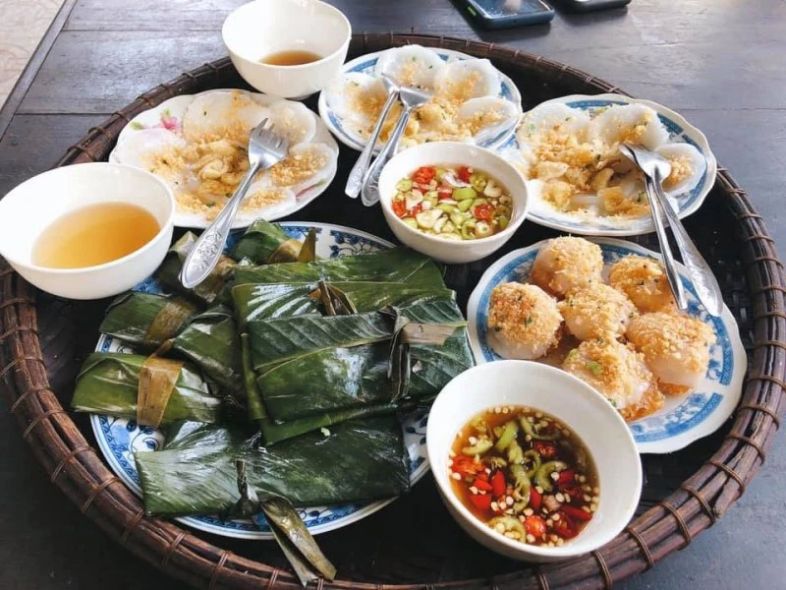
- Banh Beo: Tiny steamed rice cakes in individual ceramic saucers, topped with dried shrimp, scallion oil, and crispy pork skin. You use a bamboo spatula to scoop them out.
- Banh Loc: Chewy tapioca dumplings filled with a whole shrimp and a piece of pork belly. They are wrapped in banana leaves and steamed.
- Banh Nam: Spread thin on a banana leaf, these cakes are topped with a savory paste of shrimp and pork. They are soft, silky, and melt in your mouth.
- Nem Lui: Marinated pork paste wrapped around lemongrass stalks and grilled over charcoal. You wrap the meat in rice paper with herbs and dip it in that same legendary liver-peanut sauce.
Essential Travel Tips for a Smooth Trip
Planning a trip to Hue is easier with a few insider tips. From navigating local transport and understanding cultural customs to knowing the best times to visit attractions, these essential travel tips will help ensure your journey is smooth, safe, and unforgettable.
Mastering Hue Weather
Hue’s weather is notoriously unpredictable. It is often humid, and when it rains, it really rains.
- The Golden Window: Visit from January to April. The weather is cool (18°C–25°C), the air is fresh, and the “white rain” is at its most poetic without being torrential.
- The Heat Wave: May to August can be scorching (up to 40°C). If you visit now, explore the Citadel at 7:00 AM and retreat to a café or pool between 11:00 AM and 3:00 PM.
- The Flood Season: Avoid October to December. This is the peak rainy season, and parts of the city (near the river) can occasionally flood.
>>> Exploring Hue Night Market: A Complete Evening Adventure
Money & Connectivity
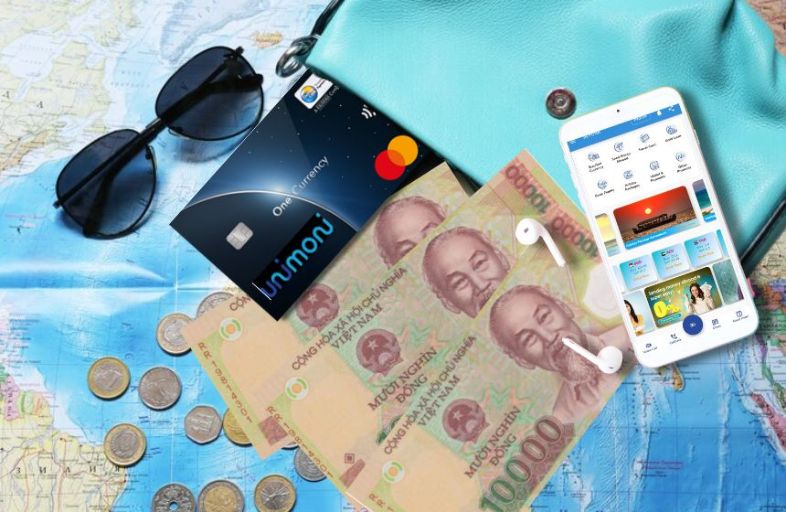
- Cash is King: While big hotels take cards, local markets only take VND cash. Keep small denominations (10k, 20k, 50k) for street food and tips.
- Where to Exchange: If you need better rates than the airport, head to the jewelry shops near Dong Ba Market. They are the unofficial, high-rate currency exchanges for locals.
- SIM Cards: Buy a Viettel or Vinaphone SIM at the airport or any mobile shop. Hue’s smart city app (Hue-S) is actually very useful for reporting issues or checking weather alerts.
Hue is a city that stays with you long after you’ve left. It’s a place where the past isn’t just remembered; it’s felt. From the grand halls of the Imperial City to the simple joy of a bowl of noodles on a plastic stool, Hue offers a travel experience that is both humble and majestic. So, pack your bags, bring an open heart and get ready to fall in love with the ancient capital of Vietnam.
Related Posts:
- Shopping in Hue: A Complete Guide for Travelers
- Hue Imperial City: Exploring Vietnam’s Historical Gem
- Exploring Dong Ba Market in Hue: A Cultural and Culinary Gem


Be the first to comment!