

Vietnam’s Most Scenic Mountain Passes You Must Explore
Vietnam’s mountain passes offer breathtaking scenery, winding roads, and unforgettable adventures for travelers and motorbike enthusiasts. From misty highlands to panoramic viewpoints, each route is a journey worth taking. MOTOGO Tours is pleased to introduce the most scenic mountain passes across Vietnam for your next adventure.
Introduction: The Call of the Vietnamese Highlands
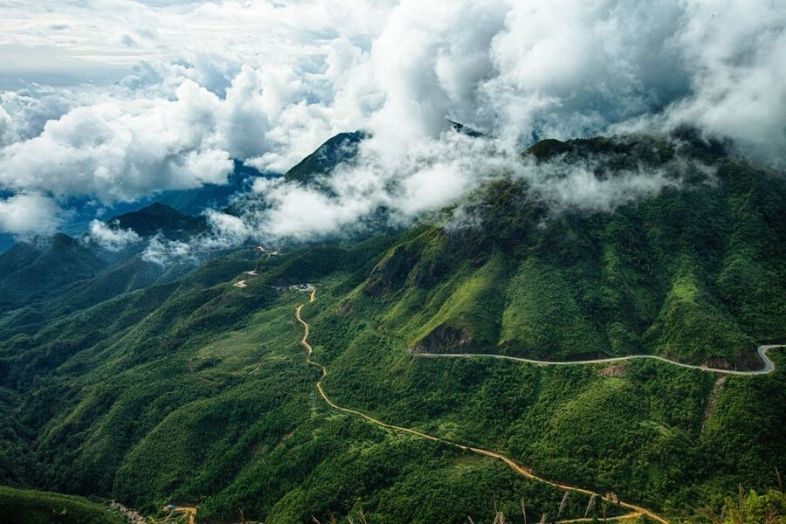
The Vietnamese Highlands beckon with misty mountains, winding roads, and untouched landscapes. Adventure, culture, and breathtaking views await every traveler ready to explore.
Why Vietnam is a Rider’s Paradise
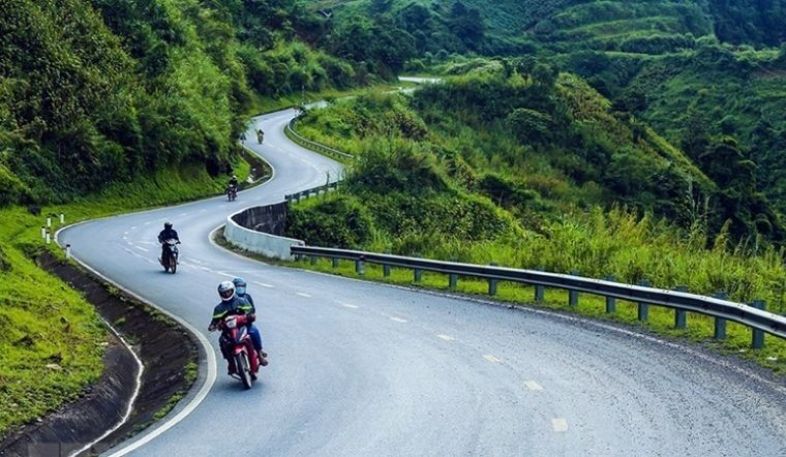
Vietnam’s geography is a masterpiece of mountains and hills, covering over 75% of the country. Its roads twist and climb through ever-changing landscapes, offering riders on scooters or dirt bikes a unique, tactile connection to historic routes and breathtaking scenery.
The Cultural Significance of the Highland Routes
These mountain passes weren’t built just for scenery, they were lifelines. For centuries, they connected remote ethnic minority villages, including the H’Mong, Thai, and Dao, to the bustling lowlands.
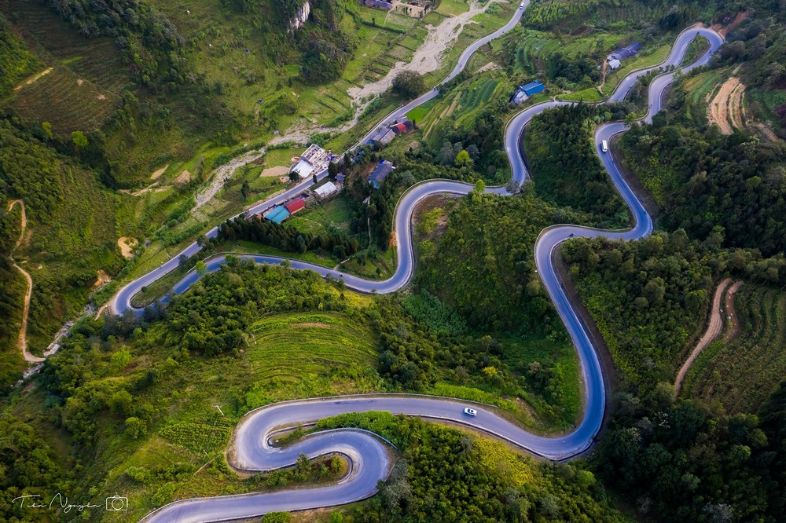
Many routes, like the famous Happiness Road at Ma Pi Leng, were carved from solid rock by hand during times of war and hardship. Riding here feels like moving through living history, where every kilometer tells a story of resilience and community spirit.
>>> Beautiful routes in Northern Vietnam: Discover scenic journeys and culture
The “Four Great Passes” of the Northern Frontier
Vietnam’s Northern Frontier is home to the legendary “Four Great Passes,” each offering dramatic landscapes, winding roads, and a glimpse into the region’s rich history and culture. These routes are a must-explore for adventurers and riders alike.
Ma Pi Leng Pass: The King of the Karst Plateau
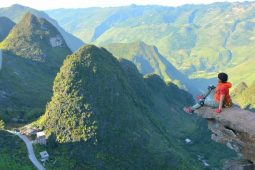
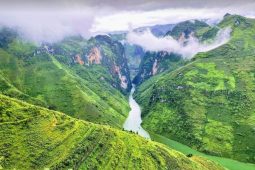
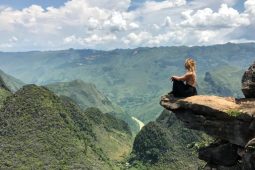
Located in Ha Giang province, Ma Pi Leng Pass is the undisputed king of Vietnam’s mountain routes. Stretching about 20 kilometers along the famous Happiness Road, it rises to 1,200 meters, with slopes so steep that even horses struggle to climb—hence its H’Mong name, meaning “horse’s nasal bridge.”

The view from the pass is unforgettable: the turquoise Nho Que River winds through Tu San Canyon, the deepest canyon in Southeast Asia. Every glance from the edge is a soul-stirring panorama that stays with you long after the ride.
O Quy Ho Pass: The Cloud-Chaser’s Gateway
Connecting Lao Cai and Lai Chau, O Quy Ho Pass is Vietnam’s longest mountain pass, stretching an impressive 50 kilometers. It climbs to its peak at Heaven’s Gate (2,035m), cutting across the Hoang Lien Son range.
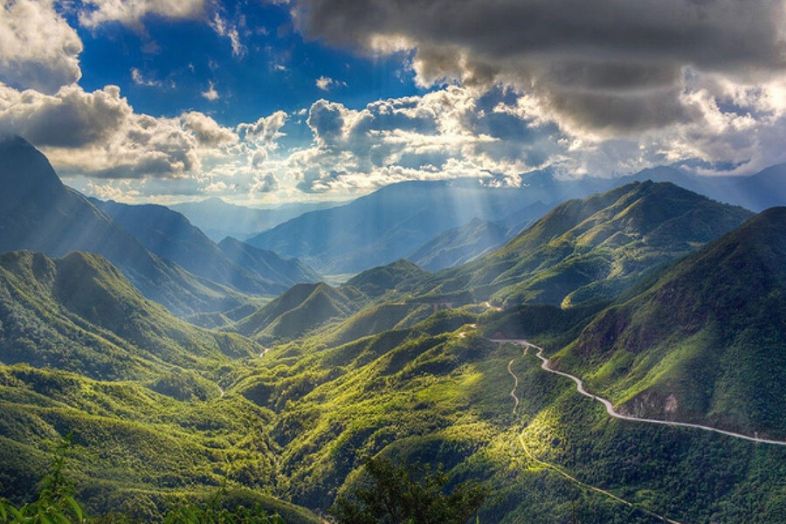
The pass is full of atmospheric magic, you might leave the Sa Pa side shrouded in freezing fog and emerge on the Lai Chau side into bright, dry sunshine. It’s the ultimate spot for chasing the legendary “sea of clouds.”
Khau Pha Pass: Soaring Over the Sky Horn
Khau Pha Pass in Yen Bai province is where the sky seems to touch the earth. Its name, meaning “Sky Horn,” comes to life as you climb into the swirling mist, offering a sense of soaring above the mountains.
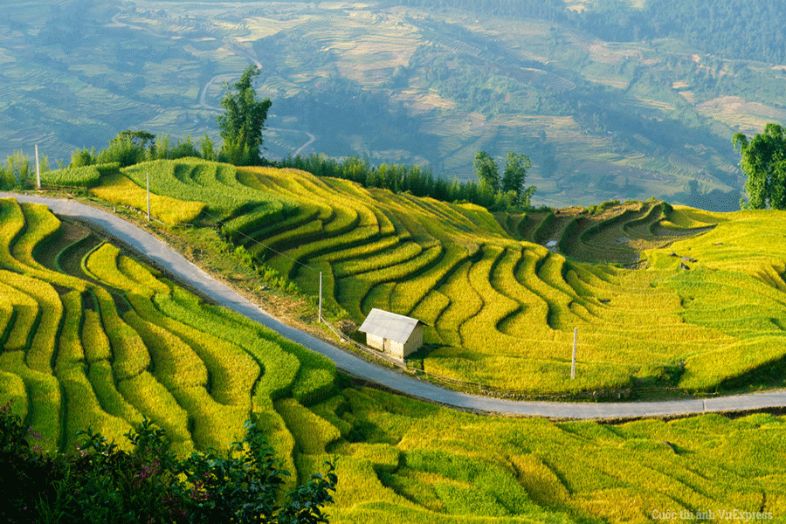
The pass is especially stunning during the Harvest Season (September to October), when the Mu Cang Chai terraced fields glow like giant golden staircases. It’s also a world-class paragliding spot, letting you drift above this breathtaking landscape.
Pha Din Pass: The Historic Stairway to Heaven
Linking Son La and Dien Bien, Pha Din Pass stretches 32 kilometers of thrilling mountain roads. In Thai, “Pha” means heaven and “Din” means earth, reflecting the legendary meeting of the two.

Historically a vital supply line during the Dien Bien Phu campaign, the pass today challenges riders with sudden figure-eight turns and legendary hairpin bends, making it a must-ride for adrenaline seekers.
>>> Bac Sum Pass: Discover Ha Giang’s Stunning Mountain Road
Central Vietnam’s Coastal and Highland Gems
Central Vietnam is a land of contrasts, where rugged highlands meet pristine coastlines. From winding mountain passes to sun-kissed beaches, the region offers breathtaking landscapes, rich culture, and unforgettable adventures.
Hai Van Pass: The World-Famous Ocean Cloud Pass
Hai Van Pass is perhaps the most iconic of Vietnam’s scenic mountain routes, stretching 21 kilometers along the coast. With the nearby tunnel now diverting most traffic, the old pass has become a peaceful paradise for bikers.
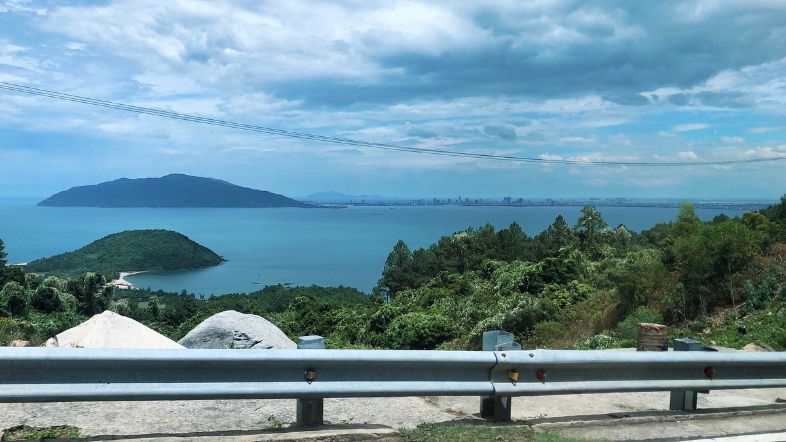
From the summit, you can take in Da Nang’s skyline to the south and the serene Lang Co Bay to the north. Riding here feels like gliding on a deserted ribbon at the edge of the world.
Ca Pass: A Cliffside Dance with the East Sea
Between Phu Yen and Khanh Hoa lies Ca Pass, a 12-kilometer stretch that winds along the mountainside with 98 consecutive curves. Here, the mountains seem to kiss the sea at every turn.

The Da Den section is especially famous for its sharp bends, offering panoramic views of Vung Ro Bay. The air is a refreshing mix of forest pine and ocean spray, making every ride unforgettable.
Violac Pass: The Hidden Link to the Central Highlands
Violac Pass is a hidden gem on National Highway 24, linking Quang Ngai’s coast with the Kon Tum highlands. Rising to 1,300 meters, it serves as a climatic divide between the eastern and western Truong Son mountains.
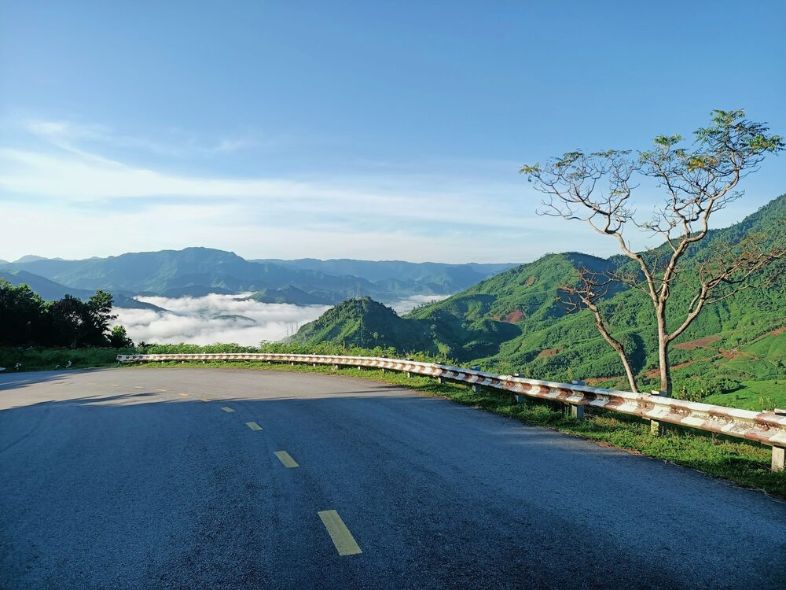
The road is shaded by ancient trees, keeping the air cool and breezy. During harvest season, the Re River winds through golden terraced fields, creating a cinematic landscape that lingers in memory.
>>> Discover the China Border Crawl Loop: Cao Bang to Ma Phuc Pass
The Mystical Routes of the South and West
Southern and Western Vietnam reveal a world of mystical landscapes, where winding roads cut through lush forests, mountains, and river valleys. These routes offer adventure, culture, and unforgettable scenery at every turn.
Ngoan Muc Pass: The Spiral Descent to Paradise
Ngoan Muc Pass, also known as Bellevue Pass, is a breathtaking 18-kilometer spiral descending from the Lang Biang plateau. It’s one of the steepest passes in southern Vietnam, with gradients that make every ride thrilling.
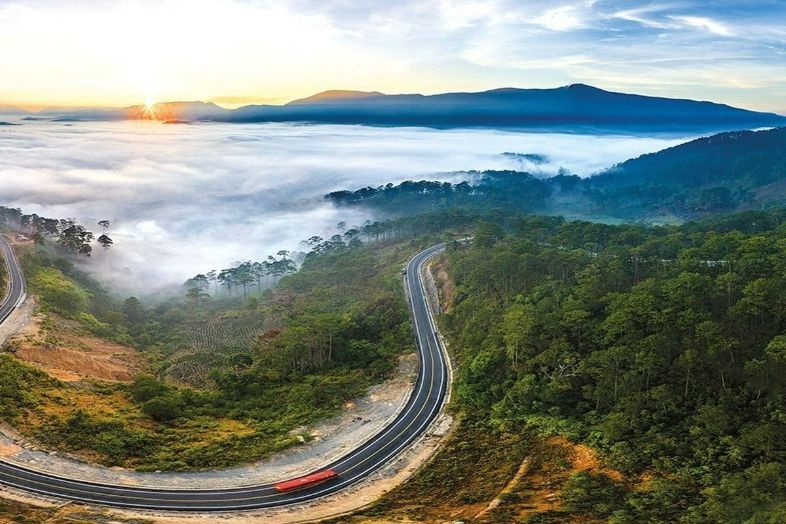
As you wind down, the giant white pipes of the Da Nhim hydropower plant come into view, while the lush Ninh Son valley stretches below like a green carpet, offering unforgettable panoramas at every turn.
Da Trang Pass: The White Stone Mist of Hoa Binh
Da Trang Pass, also called Thung Khe Pass, is famous for its white limestone cliffs that resemble snow-covered peaks. Rising over 1,000 meters, it is often enveloped in mist, creating an ethereal atmosphere.
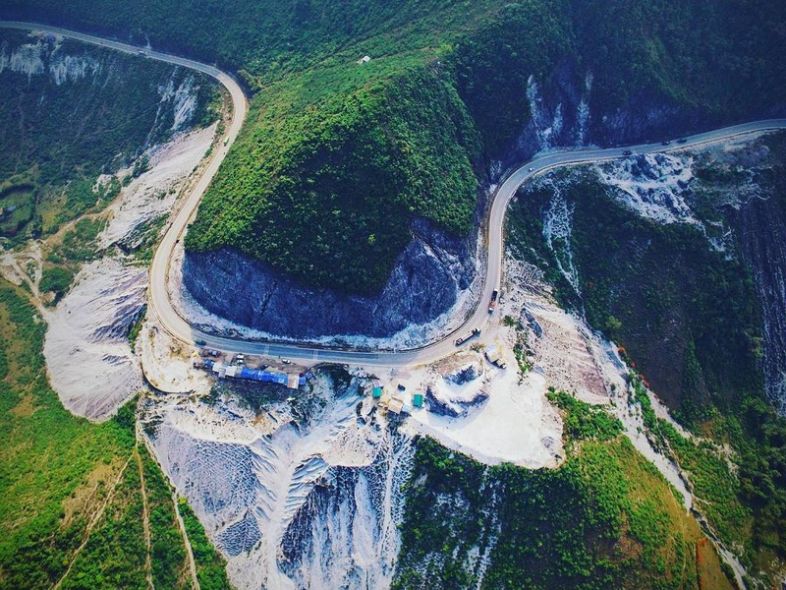
Known for its “four seasons in one day,” you might begin your climb in a spring morning fog, feel the summer sun at the summit, and descend into a chilly winter evening. The pass serves as a mystical gateway to the stunning Mai Chau valley.
Prenn Pass: The Romantic Entrance to Da Lat
Prenn Pass is the classic gateway to Da Lat, stretching 11 kilometers through towering pine forests and past cascading waterfalls. Its gentle slopes make it less intimidating than the northern passes, but no less memorable.
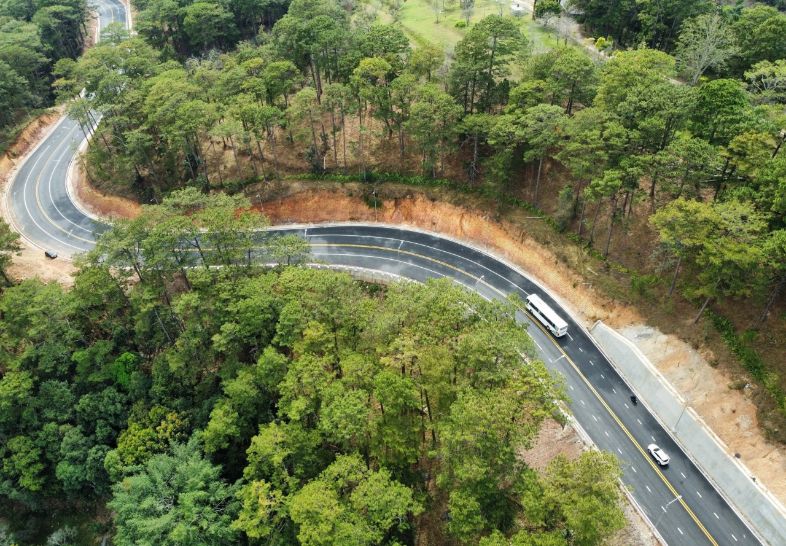
The beauty of Prenn lies in its grace—the winding curves, the fresh scent of pine needles, and the serene surroundings create one of the most relaxing and sensory-rich rides in Vietnam.
>>> Beautiful Routes in Southern Vietnam: Scenic Motorbike Adventures
Practical Tips for Conquering Vietnam’s Passes
Riding Vietnam’s mountain passes is an unforgettable adventure, but it comes with challenges. From steep slopes to unpredictable weather, proper preparation can make all the difference. Here are essential tips to help you navigate these scenic routes safely and enjoy every moment of the journey.
Mastering Technical Bike Control on Steep Gradients
Riding in the mountains is a different beast than cruising on the flat coastal highways. When navigating the “Four Great Passes,” you must master the art of engine braking. On long descents relying solely on your hand and foot brakes can cause them to overheat and fail (brake fade).
- For Manual/Semi-Auto Bikes: Shift into a lower gear (2nd or 3rd) when going downhill. Let the engine’s compression control your speed.
- The “Slow-In, Fast-Out” Rule: Always shave off your speed before you enter a hairpin turn. Braking mid-corner on a gravelly mountain slope is a recipe for a slide.
- Tire Pressure: Ensure your tires aren’t over-inflated. A slightly softer tire provides a larger contact patch, which is crucial for grip on the damp, mossy surfaces often found on Pha Din or Khau Pha.
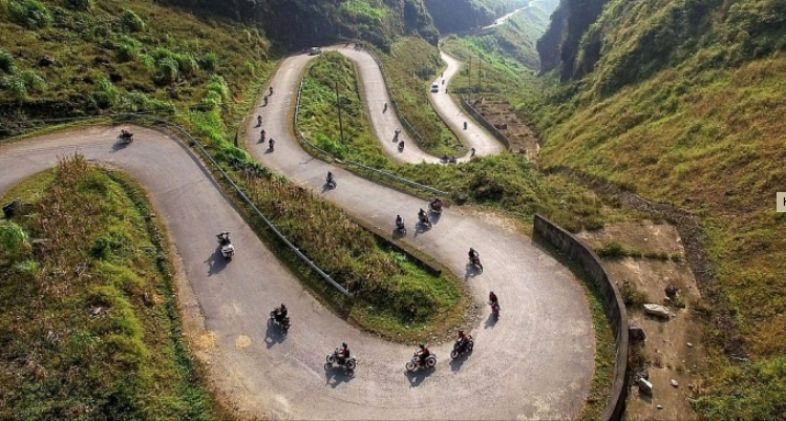
Navigating Local Traffic Etiquette and Hazards
In Vietnam, the road is a shared ecosystem. You aren’t just competing with other vehicles; you are sharing space with life.
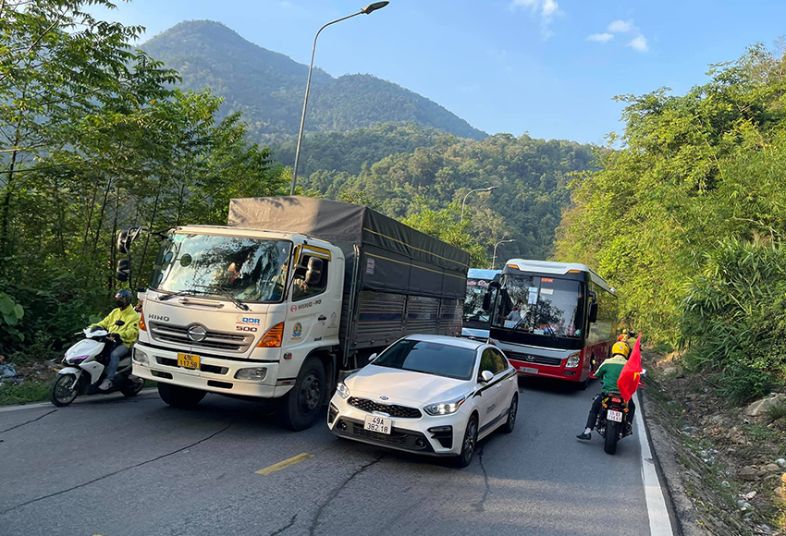
- The Hierarchy of Size: Always remember the unwritten rule: the larger vehicle has the right of way. If a sleeper bus is barreling down Hai Van Pass, move as far to the right as possible.
- Obstacle Awareness: Be prepared for mountain surprises. This includes piles of harvested corn drying on the asphalt, wandering livestock, and patches of “road butter”—a mix of oil, red clay, and mist that makes the road as slippery as ice.
Vietnam’s mountain passes are more than just roads—they are journeys through history, culture, and breathtaking landscapes. From the northern highlands to the southern spirals, each pass offers a unique adventure, challenges your limits, and rewards you with views that stay in your memory forever. Whether you ride, drive, or simply admire from afar, exploring these scenic routes is the ultimate way to experience the heart and soul of Vietnam.
Related Posts:
- Recommendations for First-Time Motorbike Riders in Ha Giang
- Explore the Hai Van Pass Motorbike Tour: A Scenic Ride Through Vietnam
- Ha Giang Loop’s Best Passes and Roads: A Complete Guide to Vietnam’s Top Motorbike Routes
- Ha Giang Loop Route Difficulty Levels – A Complete Guide



Be the first to comment!