

Beautiful routes in Northern Vietnam: Discover scenic journeys and culture
Northern Vietnam is a patchwork of mountain passes, emerald bays, limestone karsts, rice terraces and sleepy market towns — and the best way to feel the place is to follow one of its celebrated routes. This MOTOGO Tours‘ guide walks you through the most rewarding routes in Northern Vietnam, with step-by-step itineraries, transport options, safety tips and seasonal advice.
Why explore routes in Northern Vietnam?
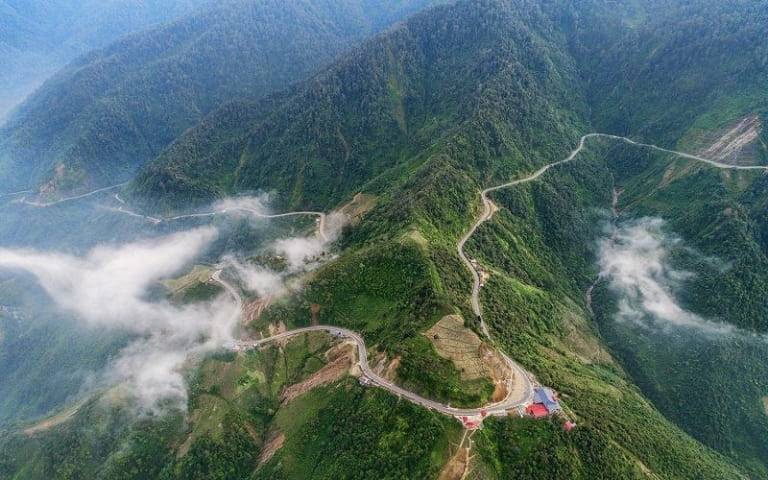
The most beautiful landscapes and the most diverse cultural mosaics in Vietnam can be found in the north. The north of Vietnam would be the first chapter of a book—bright, full of life, and impossible to forget. There are jagged limestone karsts, emerald rice terraces, misty highland roads, and old villages in the area that still follow traditions that have been passed down for generations. There is a story behind every route here, and every turn shows you something new.
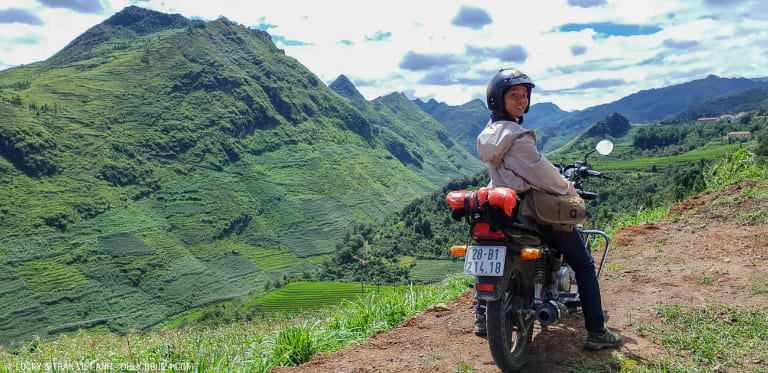
Imagine stepping out of Hanoi’s lively Old Quarter and, within just a few hours, finding yourself cruising through the otherworldly pillars of Ha Long Bay, trekking across Sapa’s terrazzo-like rice fields, or riding cliffside roads on the Ha Giang Loop. That kind of instant immersion is what makes Northern Vietnam irresistible.
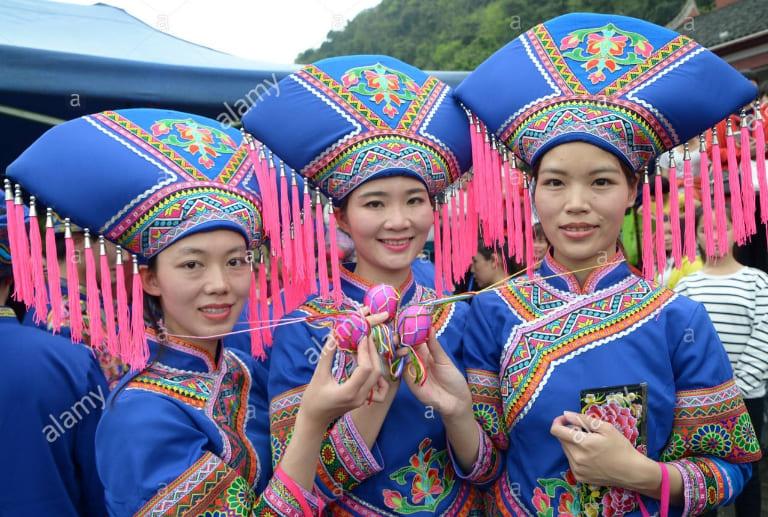
Beyond the scenery, the north is a cultural crossroads. Ethnic communities — Hmong, Dao, Tay, Giay, Nung, and more — keep ancestral crafts, dress, and languages alive in day-to-day life. Visiting their markets, staying in their homestays, and walking their mountain trails adds a deeply human dimension to any route you choose.
The climate is refreshingly diverse too. Crisp winters in Ha Giang, warm breezes along Cat Ba’s coasts, golden harvest seasons in Mu Cang Chai — each landscape changes personality with the seasons, and that variety means there’s always a perfect time to visit somewhere in the north.
Top beautiful routes in Northern Vietnam
Northern Vietnam looks like a huge painting with misty mountains, terraced fields, and winding roads that seem to go on forever. Each route asks travelers to take their time, breathe deeply, and let the scenery unfold like a quiet, unforgettable story. Here are some of the most moving routes in Northern Vietnam that are worth checking out.
Ha Giang Loop
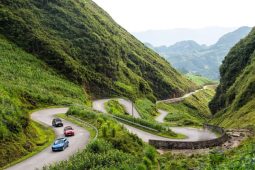
The Ha Giang Loop is the best way to see the wild side of Vietnam. This road isn’t just famous; it’s a rite of passage for anyone looking for unspoiled beauty. The road winds through the northern part of Vietnam, touching the border with China and cutting through huge limestone walls, emerald valleys, and small villages in the highlands.
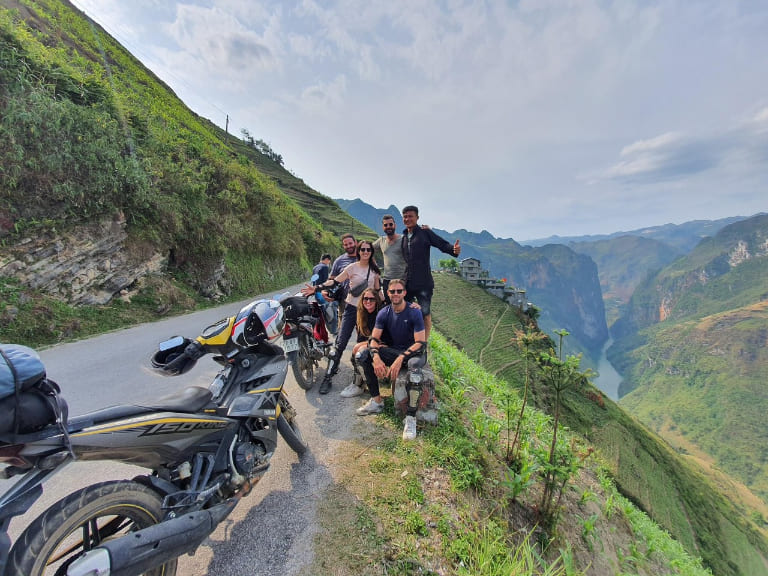
Every turn feels like turning a page in a book written by the mountains themselves. You will go through villages of the Dao, Tay, and H’Mong people. Their colorful homes make the gray stone cliffs look better. Terraced fields cling to steep hills, rivers shine through clouds that are moving, and mist wraps around the peaks like a soft shawl.
The Ma Pi Leng Pass is the best part of this route. It’s often called the “King of the Passes.” You feel both small and big at the same time when you stand there with the wind on your face and the cliffs falling into the Nho Que River. The Dong Van Karst Plateau, with its old rock formations, makes the Loop feel even more like it has been there forever.
Mu Cang Chai to Tu Le route
The Mu Cang Chai to Tu Le route is like poetry for travelers looking for the magic of rice terraces. In the spring, the fields glow a deep jade color, and in the fall, they ripple down the mountainsides like golden waves. Every season paints the terraces in a different way, and watching them change is like watching the earth breathe.
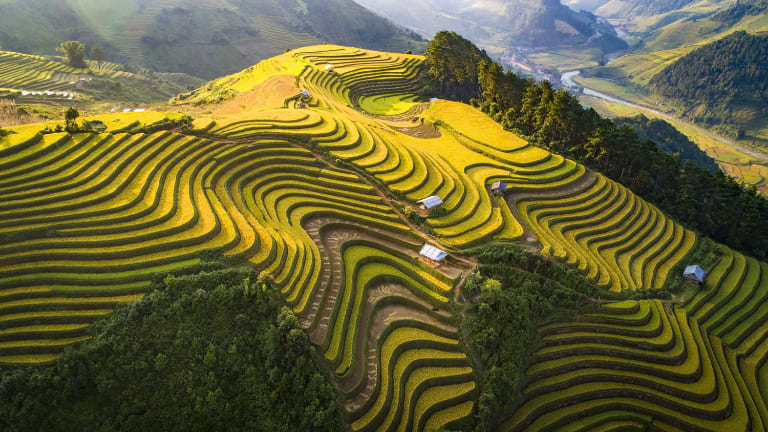
The drive takes you through H’Mong villages, ridges covered in mist, and quiet valleys that are full of life. The mountains here are softer and less dramatic than those in Ha Giang, but they are just as beautiful. They make you want to stay and get lost in the silence.
Ban Gioc Waterfall Loop
The Ban Gioc Waterfall Loop is a hidden path in the far northeast that leads to one of the most beautiful border waterfalls in the world. The trip itself is a work of art: tall karst mountains, sleepy villages, and buffalo grazing in fields that are lit by the sun.
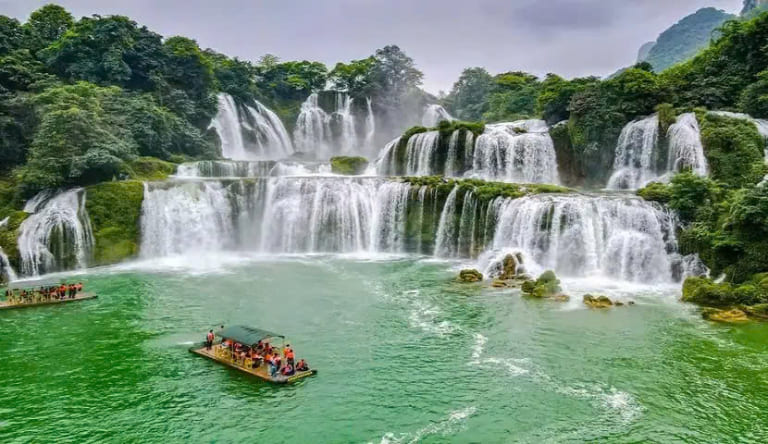
Ban Gioc looks like a shimmering curtain that falls over three huge steps into a turquoise pool below. There are rice paddies and lots of green plants all around it, making the whole scene look like a painting. The mysterious Nguom Ngao Cave, which has caverns that look like cathedrals and shimmering rock formations, adds to the adventure.
The Cloud-Chasing route
The road from Hanoi to Bac Yen and Ta Xua is like going to another world for people who like to dream and look up at the sky. The Cloud-Chasing Route gets its name because travelers often feel like they’re riding straight into heaven when they see mountains hidden by clouds.
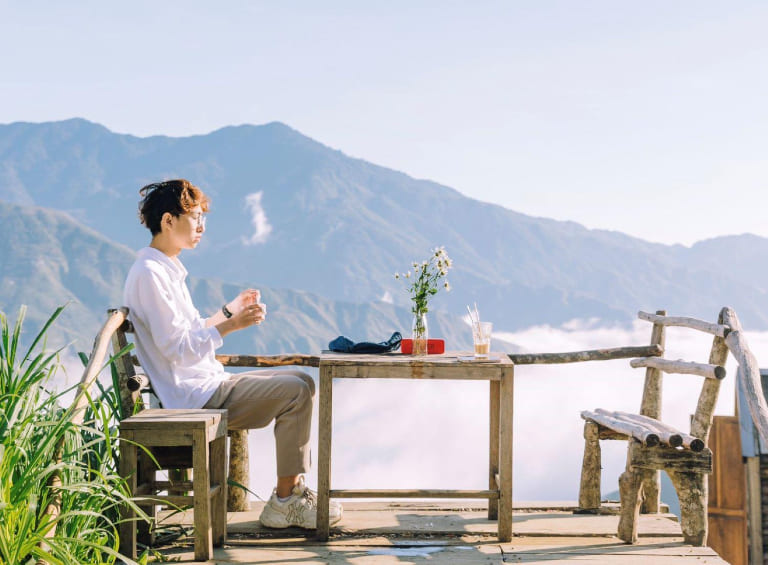
The landscape changes from rice terraces to deep forests and small villages on the hills as you go higher. The last stretch to Ta Xua is exciting because of the sharp turns, sudden drops, and constant changes between fog and sunlight. When it’s foggy, you’re floating along the famous “dinosaur spine” ridge, with clouds swirling around your feet.
Mai Chau to Moc Chau route
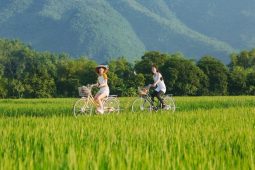
The road from Mai Chau to Moc Chau is smooth and calming if your heart wants peace. Mai Chau is a peaceful valley with stilt houses set between green fields and soft mountains. Moc Chau is close by and has rolling tea plantations and hills that shine in the early morning light.
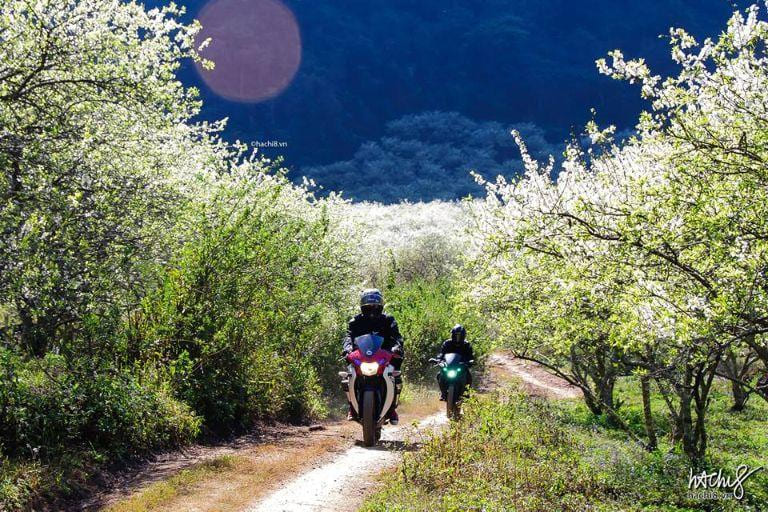
The drive is nice and forgiving, making it great for people who want to see beautiful things without having to climb steep mountains. Wildflower fields sway in the wind, and small villages greet you with smiles and a simple charm. Plum blossoms turn Moc Chau into a pastel wonderland in the spring, which is a dream come true for photographers and travelers.
>>> Let’s see more: Top Things to Do Along the Hanoi to Ninh Binh Route
Limestone Loop
The Limestone Loop connects some of Northern Vietnam’s most beautiful places, like the quiet valley of Mai Chau and the terraced hills of Pu Luong. Along this loop, you will meet Thai, Muong, and H’Mong people who all have their own ways of doing things. It’s a path for people who like to take their time and enjoy every little thing.
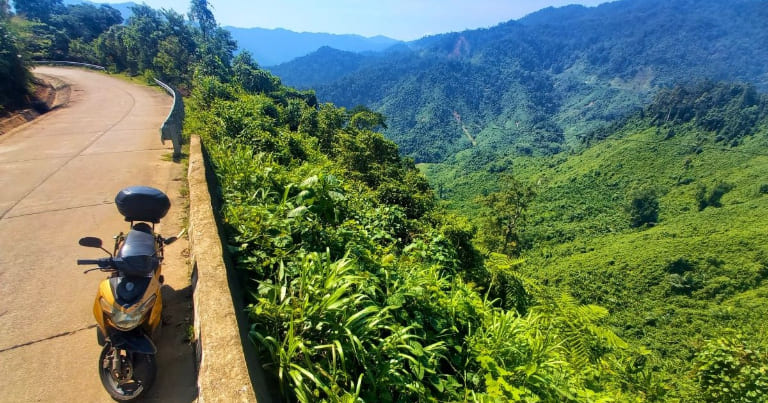
Here, limestone mountains rise sharply from green rice fields, making shadows that look almost like they don’t belong. People often call Pu Luong a “quiet cousin” to Sapa. It’s the best part—a clean world of waterfalls, rural trails, bamboo forests, and a slow rural life.
The Trans-Northern Belt Roada
The Trans-Northern Belt Road is a trip that will stay with you if you have the time and the desire for a big adventure. This road goes from the famous limestone pillars of Ha Long Bay to the historic battlefields of Dien Bien Phu. It feels like a living tapestry made up of the many stories, landscapes, and cultures of Northern Vietnam.
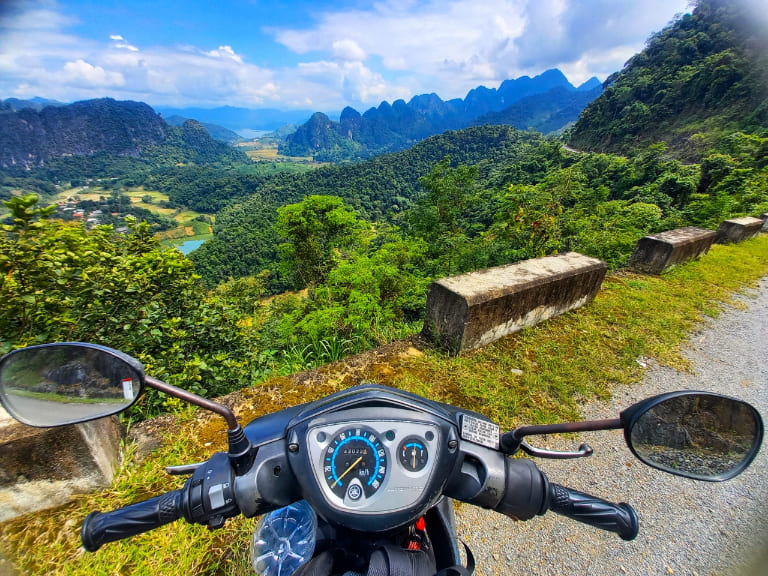
This road has it all: historical sites, untouched natural beauty, and chances to get to know the people who live there. This route is unforgettable for people who love to go on road trips and want to see everything the area has to offer, from the calm emerald waters in the east to the rugged highlands in the west.
>>> Explore: The Ultimate Guide to the Binh Lieu Loop: A Hidden Gem in Northern Vietnam
Y Ty Loop
The Y Ty Loop is one of those rare places that still feels like a secret. It is a paradise for travelers who want both cultural depth and beautiful scenery. It is hidden in the mountains of Lai Chau Province near the Chinese border. The road is rough and the landscape is dramatic, but that’s what makes the trip so amazing.
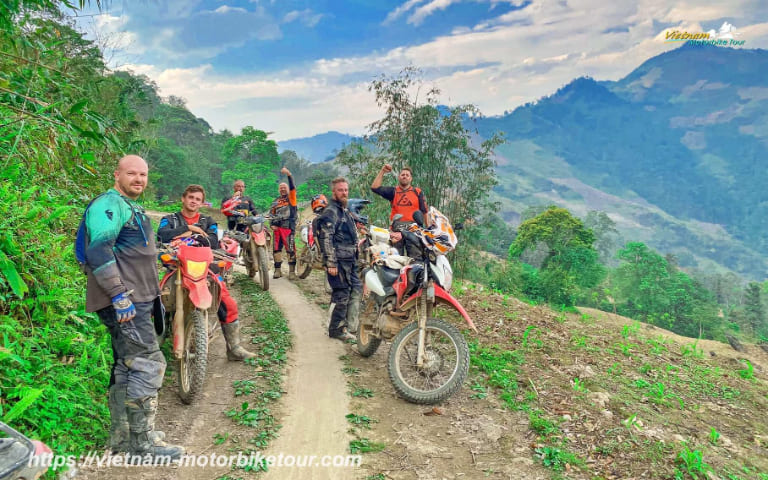
There aren’t many tourists, so you’ll have plenty of chances to connect with ethnic groups and see traditions that have been passed down for generations. The loop starts in Sapa and takes you through misty valleys and up steep mountain slopes until you reach the quiet village of Y Ty. The Red Dao, Tay, and Hmong people greet you with warmth here, and the terraced fields change color with the seasons. In spring, they are lush green, and in fall, they are glowing gold. It feels both personal and amazing to ride it.
Sin Ho Loop
The Sin Ho Loop, which is often called Northern Vietnam’s “Sky Road,” is one of the most exciting ways to get around if you want to have an adventure. It is far from the usual tourist spots and gives you a chance to see Vietnam’s mountains in their natural state.
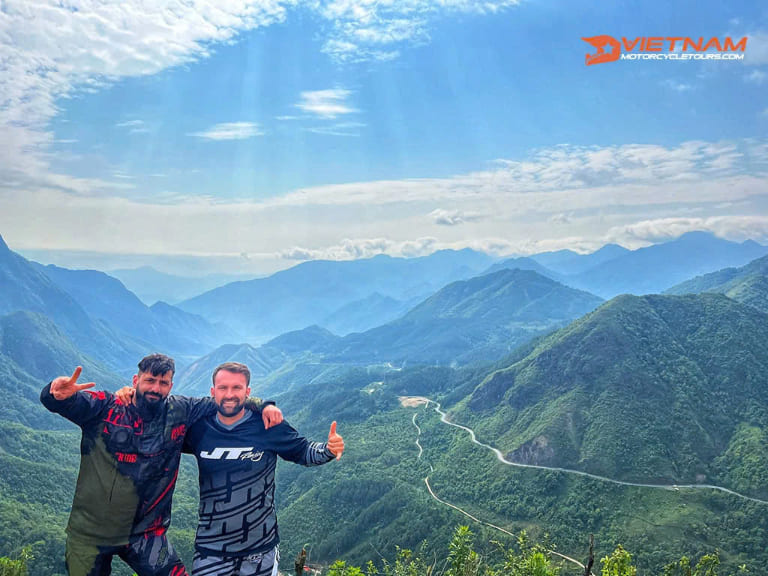
The road winds through tough mountain passes, deep valleys, and quiet villages that sit along ridges. As you go up, the view changes a lot. You see rolling layers of mist-covered peaks, rivers cutting through deep canyons, and forests that go on forever. When the sky is clear, the view from the higher points is nothing short of amazing. It feels like the whole landscape has opened up at your feet.
Hanoi – Tam Dao Route
The Hanoi – Tam Dao route is a great option if you’re in Hanoi and yearning a quick yet beautiful retreat. Just a few hours’ drive from Hanoi, Tam Dao is a little highland town with better temperatures, fresh air, and breathtaking scenery. From the busy streets of Hanoi to the serene heights of Tam Dao, where foggy mountains, verdant woods, and breathtaking waterfalls await, the path guides.
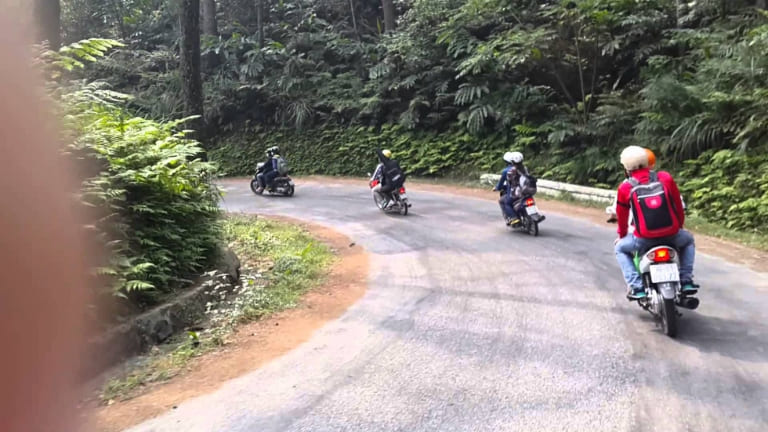
The change along the route is almost poetic. It goes from busy city streets to quiet countryside with tea plantations, terraced fields, and small villages. The road is smooth, easy to follow, and good for all kinds of travelers, whether you’re on a motorcycle or in a car. When you get to Tam Dao, which is often called “Little Sapa,” you’ll see waterfalls, forest trails, and a peaceful calm that makes it a great place to spend the weekend.
>>> Let’s see more: Discover the Stunning Hanoi – Nghia Lo – Mu Cang Chai Route
Mau Son Mountain – Bac Son Valley Loop
The Mau Son Mountain – Bac Son Valley Loop is one of the few routes in Northern Vietnam that combines culture and scenery so well. This circle is in Lang Son Province and takes you through some of the most beautiful and peaceful parts of the area.
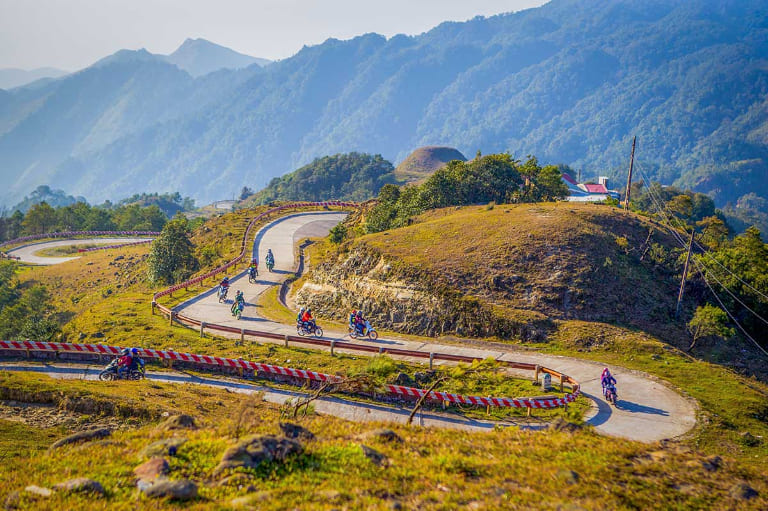
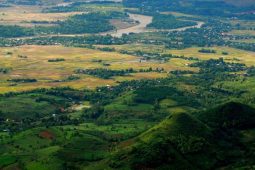
People love Mau Son Mountain because of its cool weather and wide views. Below it, Bac Son Valley is filled with rice paddies that look like an endless patchwork of green. The road goes through mountains, forests, and traditional villages where Tay, Hmong, and other ethnic groups go about their daily lives.
Some parts, like the climb to the top of Mau Son, are steep, but the view from the top is amazing. The valley spreads out in all directions from the top, bathed in soft light and surrounded by rolling mountains. The view stays with you long after the trip is over.
Practical tips for exploring beautiful routes in Northern Vietnam
Best time to visit routes in Northern Vietnam
The dry season, which runs from October to April, is the best time to visit Northern Vietnam. The skies are clear, the weather is cool, and the mountain roads are the safest. Long road trips, motorbike loops, and taking pictures are all great things to do right now.
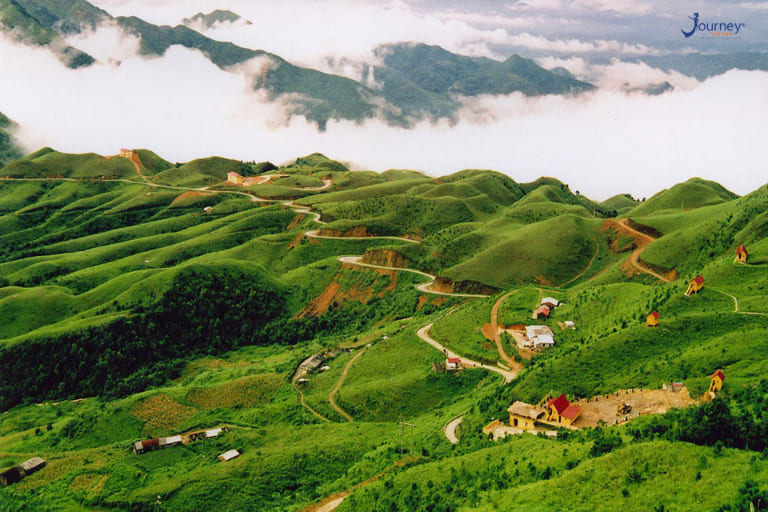
That being said, the rainy season from May to September has its own charm. The rice paddies are a bright green, the waterfalls are full of energy, and the valleys look more alive than ever. The type of adventure you want will determine your choice: crisp mountain air or lush, rainy-season beauty.
>>> Explore: Ba Be Lake Loop: Must-See Stops and Travel Tips for First-Timers
Travel tips: What to pack, how to get around
In Northern Vietnam, it’s best to pack as little as possible. Wear comfortable clothes, sturdy shoes for walking, and a lightweight waterproof jacket to make your trip easier, especially when the weather in the mountains can change quickly. A power bank is very helpful because there isn’t always a lot of electricity in remote areas. If you’re going to ride a motorcycle, make sure to wear gloves, a good helmet, and maybe even a face mask to keep dust off your face on the highland roads.
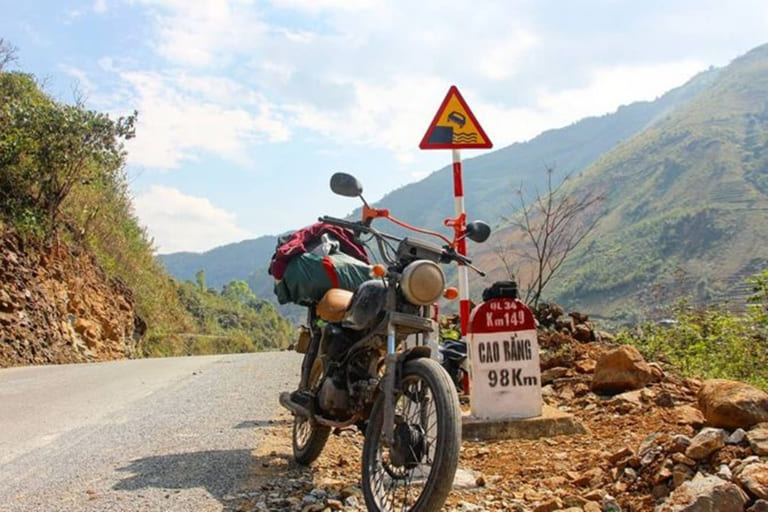
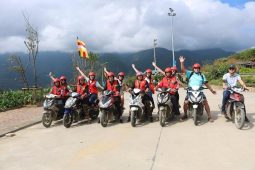
Motorbiking is still the best way to see this area, but the terrain can be scary. Be ready for winding roads, sharp turns, and steep climbs. If you’re not sure how to ride a bike, don’t be afraid to hire a local guide. Ride slowly and take breaks when you need them. Their knowledge of the land and its hidden treasures is worth a lot.
What to expect in terms of accommodation and food
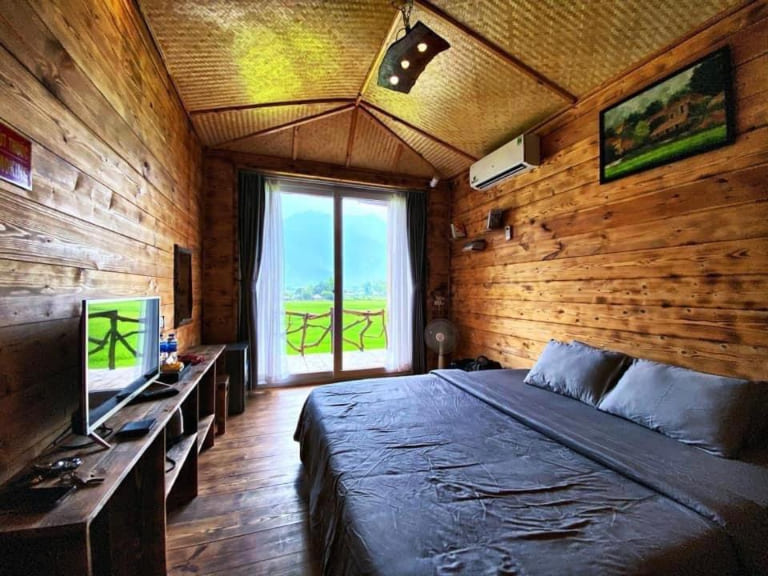
There are many types of places to stay in Northern Vietnam, from simple guesthouses to modern, comfortable hotels. But if you want to get to know the area better, staying in a local homestay is well worth it. You’ll eat with your hosts, learn about their customs, and fall asleep to the peaceful sounds of country life. It’s an experience that is truly warm.
In the north, food is simple, fresh, and very tasty. Expect herbal broths, grilled mountain pork, sticky rice, hearty soups, and seasonal vegetables that come straight from farms in the area. Don’t be afraid to try something new; each province has its own special dishes. You might find a new favorite that you never thought you would.
You will remember Northern Vietnam long after you leave. The region’s dramatic mountains, rich cultural traditions, and unforgettable routes invite travelers to not only see but also feel. Every moment of your trip adds something special, whether you’re listening to the roar of Ban Gioc Waterfall, breathing in the fresh air above Sapa, or taking on the thrilling turns of the Ha Giang Loop.
Related Posts:
- The Ha Giang – Cao Bang Route: Northern Vietnam’s Ultimate Adventure
- Tuyen Quang Loop: Explore Vietnam’s Hidden Gem
- Sapa – Ha Giang Route Travel Guide: Discover Vietnam’s Scenic Northeast
- Y Ty Loop: A Thrilling Road Trip in Vietnam’s Northern Highlands
- Explore the Scenic Hanoi – Lao Cai – Hoang Su Phi Route





Be the first to comment!