

Ninh Binh Photography Tour: Capture Vietnam’s Natural Beauty
Tucked in northern Vietnam, Ninh Binh is a province known for its rich history and breathtaking natural settings. Often referred to as “Halong Bay on land,” this heaven is for photographers trying to capture Vietnam’s untouched beauty. Let MOTOGO Tours investigate a Ninh Binh photography tour, thereby inspiring your artistic inclination.
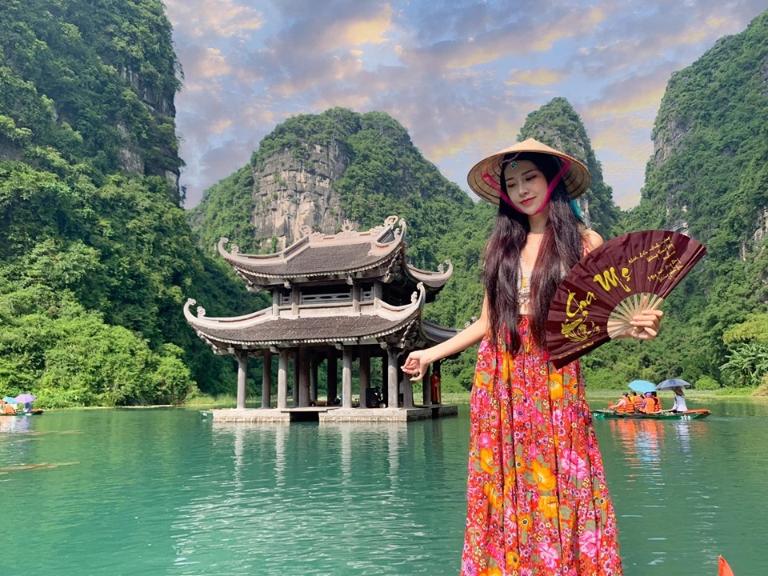
Introduction: Entering Ninh Binh’s Scenic Wonderland
Ninh Binh’s limestone peaks rise dramatically from the fertile plains of the Red River Delta, creating a serene, pre-industrial landscape just a couple of hours south of Hanoi. The region’s slow pace, fresh air, and picture-perfect scenery make it a hidden gem for travelers seeking authenticity.
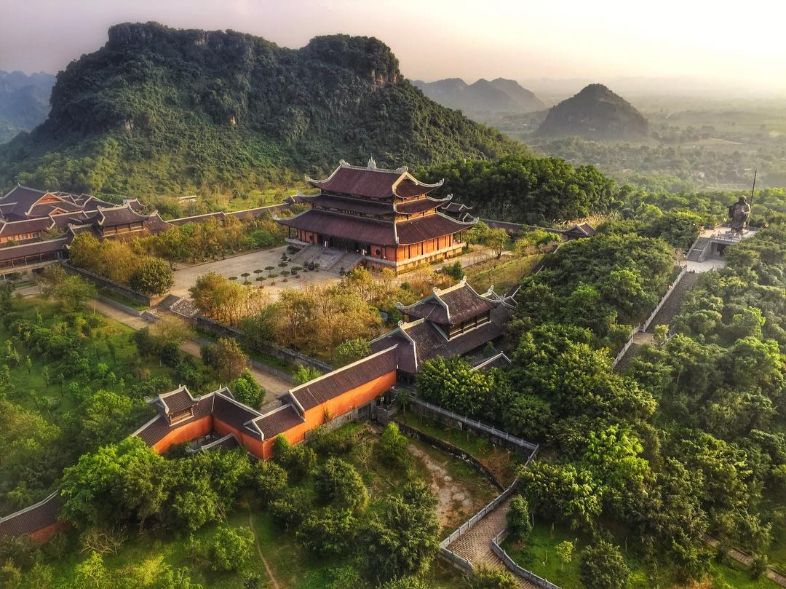
Perfect for a photography tour, Ninh Binh offers ethereal mist over rice fields, golden hour light on ancient temples, and intimate glimpses of local farmers at work. It’s a chance to trade the urban rush for a visual adventure that truly captures the soul of Vietnam.
Why Ninh Binh is the Photographer’s Utopia
Ninh Binh offers everything a photographer seeks: diverse scenery, rich culture, and dynamic lighting. Its landscapes range from soaring limestone peaks to calm, reflective waterways, providing endless visual contrasts.
The Unique Karst Landscape and Waterways
Ninh Binh’s Karst landscape, shaped over millions of years, features towering limestone peaks rising from flat plains. Rivers like the Ngo Dong and the waterways of Trang An carve through this terrain, creating grottoes, submerged valleys, and stunning reflections.
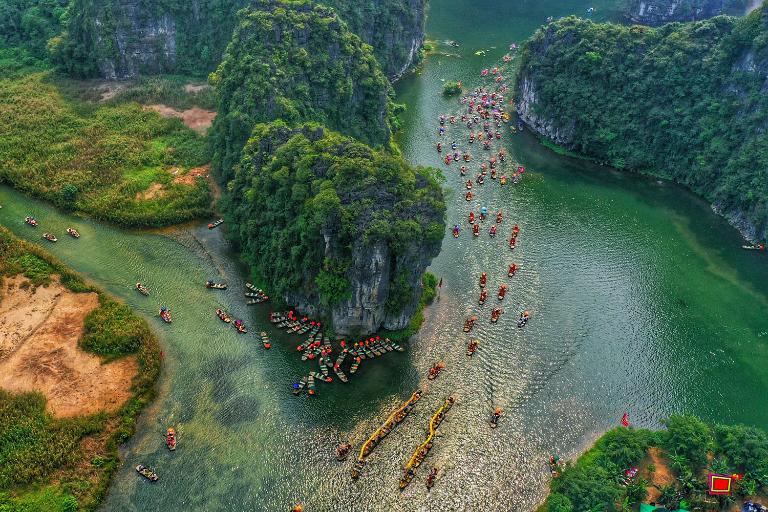
For photographers, these mirrored waters offer perfect symmetry and mood. Early morning shots of peaks reflected on rice fields capture Ninh Binh’s dramatic contrast, making it a truly unique and endlessly inspiring destination.
A Tapestry of History and Culture
Ninh Binh, once Vietnam’s capital as Hoa Lu, offers rich historical and cultural photography opportunities. Capture the timeless temples of Emperors Dinh Tien Hoang and Le Dai Hanh alongside traditional rural life.
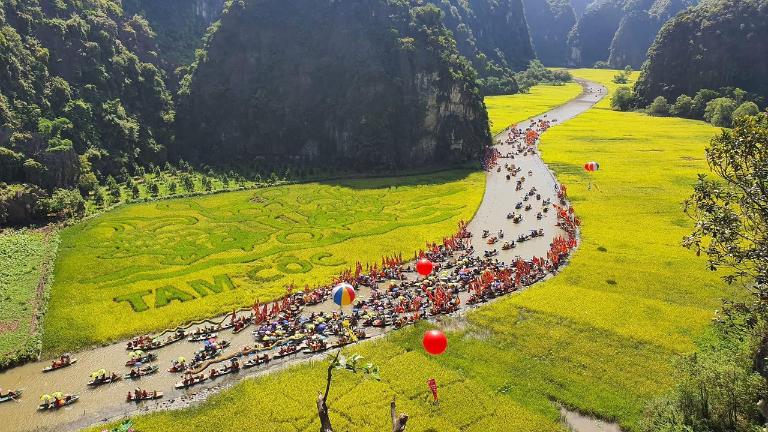
Locals still farm and fish using age-old methods, including the unique foot-rowing technique on sampans. These authentic scenes provide compelling, story-filled images beyond the natural landscapes.
>>> Ninh Binh Motorbike Tour: Top Routes for a Memorable Ride
The Unmissable Photo Spots: A Visual Checklist
A good Ninh Binh photography tour is built around hitting the most visually potent locations at their peak lighting hours. While there are countless hidden corners, certain spots are non-negotiable for securing those iconic, powerful shots.
Conquering Mua Cave: The Dragon’s Viewpoint
Mua Cave, offers Ninh Binh’s most iconic panoramic view, overlooking the Ngo Dong River winding through golden rice fields and karst peaks. The 500 steep steps to the summit, known as the “Dragon’s Peak,” are well worth the climb for photographers seeking breathtaking landscapes.
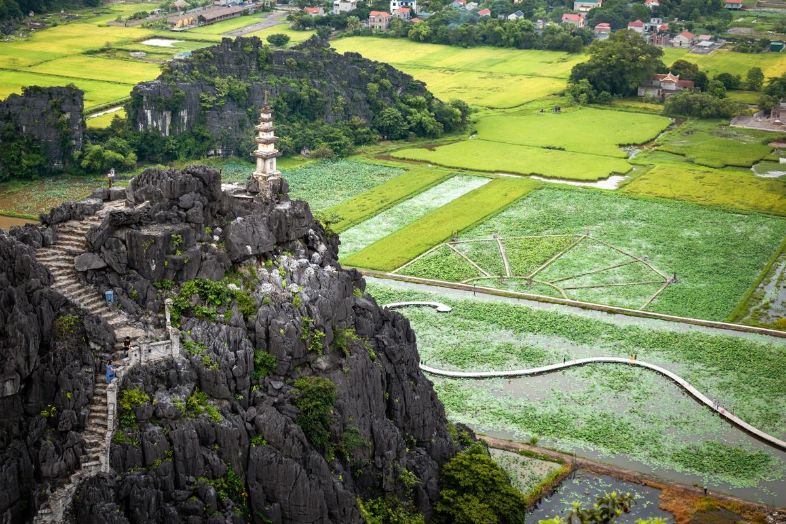
Sunrise and sunset provide the best light, with misty valleys and warm tones perfect for dramatic shots. The massive stone dragon at the summit adds scale and a striking foreground. Bring a wide-angle lens and water—the climb is steep but rewarding.
Trang An Scenic Landscape Complex
Trang An Landscape Complex, a UNESCO World Heritage Site, is a mystical network of limestone valleys, grottoes, and rivers best explored by human-powered sampan. Unlike panoramic spots, here you float at water level, capturing intimate details, textures, and the connection between rowers and their environment.
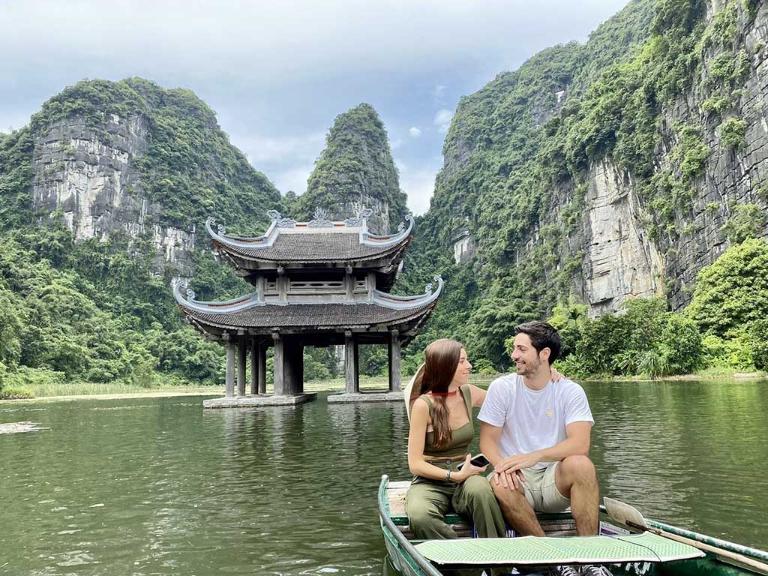
For photographers, different routes offer varied opportunities: Route 1 focuses on temples, Route 2 highlights dramatic caves, and Route 3 passes the Kong: Skull Island film set. Hiring a private boat allows you to pause, adjust for perfect light, and compose shots at your own pace, turning the ride into a dedicated photography session.
Tam Coc: Gliding Through the Golden Season
Tam Coc, meaning “Three Caves,” offers a shorter boat trip where the Ngo Dong River winds through rice paddies and caves. The highlight is the rice fields, especially from mid-May to early June, when they turn golden, creating a dazzling, photographic tapestry.

Photographers should focus on foreground elements like sampan boats and rowers’ feet against the vibrant fields and karsts. Early morning departures around 7:00 AM provide soft light, calm water, and minimal crowds for the best shots.
Bai Dinh Pagoda: The Study of Scale and Architecture
Bai Dinh Pagoda, Vietnam’s largest Buddhist temple complex, offers a unique challenge for photographers: capturing its immense scale and intricate architecture. Including people in your shots helps convey size, while details like the 500 Arhat statues provide opportunities for layered, symmetrical compositions.
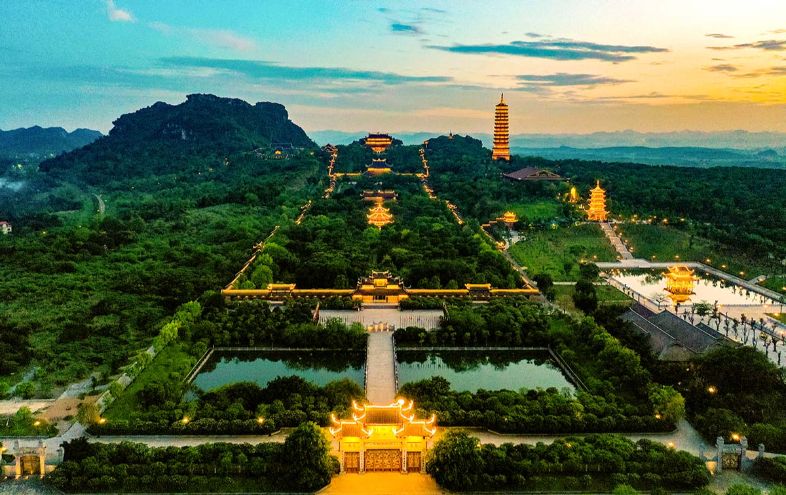
The main bell tower showcases contrasting materials, and late afternoon light brings out texture, depth, and the golden glow of Buddha statues. Shooting at this time maximizes mood and highlights the grandeur of the complex.
Hoa Lu Ancient Capital – A Glimpse into History
Hoa Lu, Vietnam’s capital under the Dinh and Le dynasties, offers rich photography opportunities for history and culture enthusiasts. Ancient temples and tombs sit amid towering limestone peaks, creating striking contrasts between human architecture and the surrounding natural landscape.
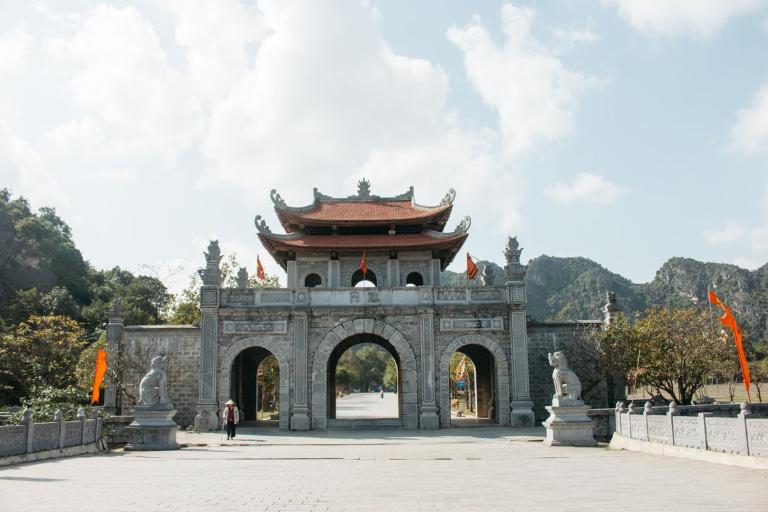
Hoa Lu’s stunning vista from the mountaintop temple is among the most often photographed aspect. Although you will have to climb some hundred steps to get there, the payoff is well worth the effort. From the top, you can catch a panoramic perspective of the surrounding mountains, towns, and fields—an photograph that really captures the synergy between history and environment.
>>> Must-Visit Destinations in Ninh Binh: Natural Wonders and Cultural Gems
Mastering the Light: When to Go and Why
Timing your Ninh Binh Photography Tour can make or break your final album. The light in this region is dynamic, and the seasons dramatically change the colour palette of the landscape. As a photographer, you are essentially chasing the rice harvest cycle and optimal weather conditions.
The Golden Season: May to Early June
Late May to early June is the prime time to photograph Ninh Binh’s iconic golden rice fields, especially around Tam Coc. During this short window, the harvested valleys glow with warm, saturated hues.
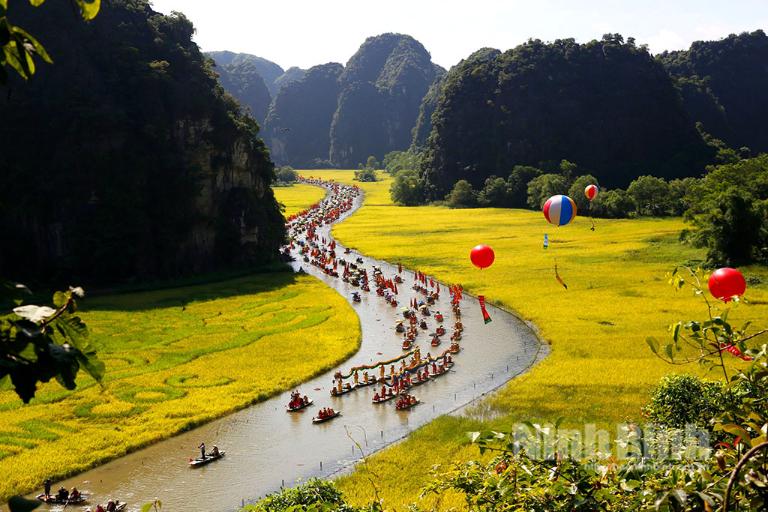
Though it can be hot, the dramatic light and vibrant colors make it the ultimate period for capturing the region’s peak visual story.
The Misty & Serene Atmosphere: November to February
For a moody, ethereal experience, visit Ninh Binh from November to February. Cooler weather, mist, and fog create serene scenes perfect for dramatic, high-contrast, or muted-color photography. Temples feel more spiritual, karsts seem to float above the fog, and still waters provide stunning reflections.
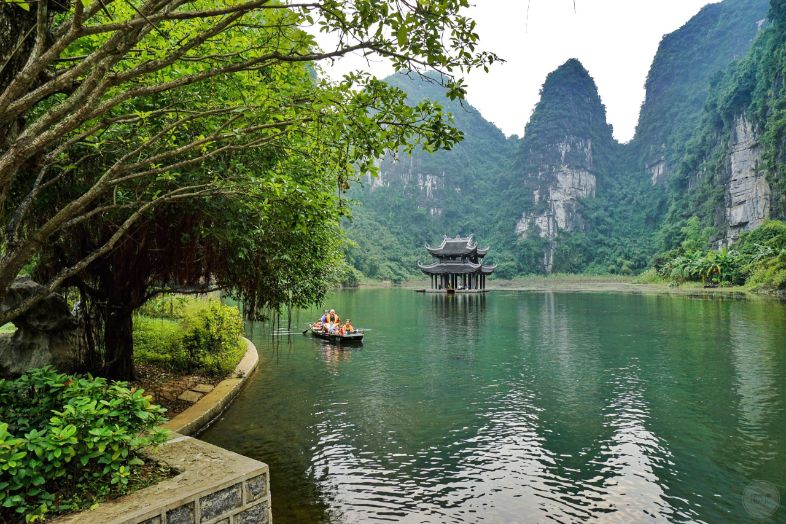
Avoid mid-June to August, the hot and rainy season. Sudden downpours can disrupt photography and risk camera gear, even though the rain enhances greenery and dramatic skies.
>>> Best Time to Visit Ninh Binh: Guide to Scenic Views and Activities
Your Essential Photography Gear and Tips
You don’t need to empty your bank account on a new camera body, but having the right supporting gear and local knowledge is crucial for a successful Ninh Binh Photography Tour. Be smart, be prepared, and be light.
Camera Gear: Lenses, Tripods, and Protection
Ninh Binh’s tropical climate demands mobile, well-protected gear. A wide-angle lens (16–35mm) captures sweeping karsts, while a telephoto (70–200mm) isolates details like sampans or distant formations.
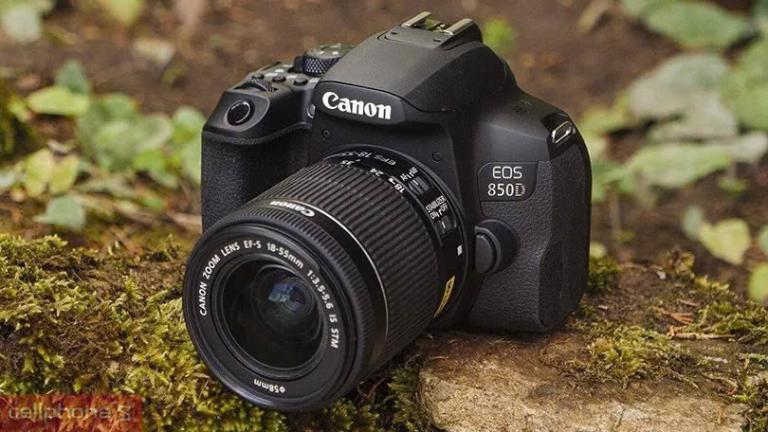
A lightweight tripod is essential for sunrise, sunset, and long exposures, especially when climbing Múa Cave. Bring rain covers, extra batteries, and memory cards. A polarizing filter helps reduce glare, enhance skies, and saturate the rice fields’ greens.
Local Insight Photography Tips (Composition and Timing)
Capture unique local elements, like the foot-rowing technique on Tam Coc or Trang An, framing rowers’ feet and legs against calm water and karsts for candid cultural shots.
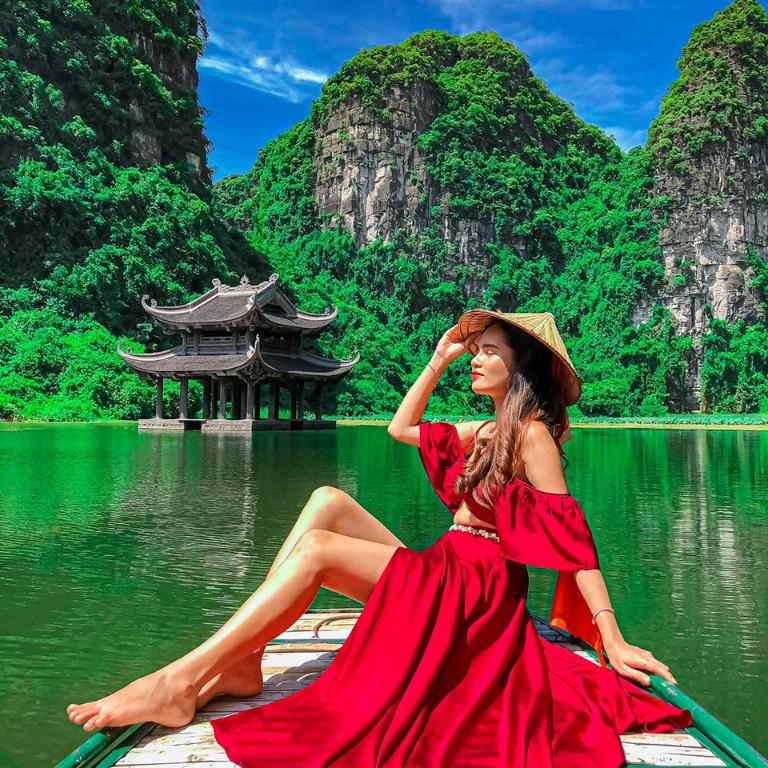
Use rice paddies and waterways as foregrounds to add depth and scale, shooting from low angles for texture and reflection. Hiring a local guide or rower helps find hidden vantage points, interact respectfully with locals, and time your visit for the golden rice fields.
Cultural Sensitivity in Photography
Capturing Ninh Binh’s soul means respecting its people, traditions, and spiritual life. Approach cultural interactions with sensitivity, ensuring your photos honor their way of life rather than just serving as quick snapshots.
Ask Before You Shoot
Always ask permission before photographing locals—this simple gesture turns a candid shot into a respectful portrait. A polite smile, gesture, or saying “Xin phép?” or “Chụp ảnh được không?” communicates your intent even without fluent Vietnamese.
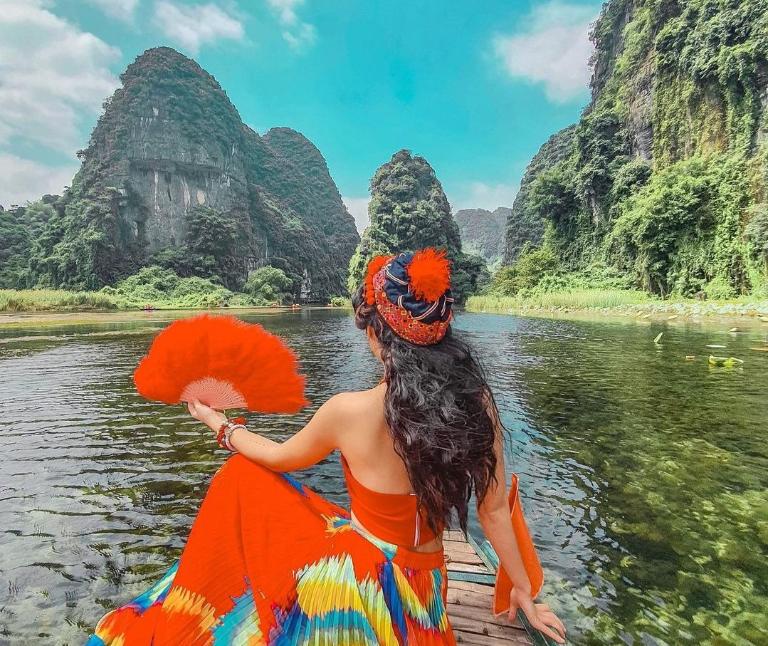
Engage with your subjects when possible, showing genuine interest in their work or culture. And if someone declines, accept it gracefully with a “Cảm ơn,” respecting their privacy and leaving a positive impression for future photographers.
Sacred Spaces and Spiritual Etiquette
Ninh Binh’s temples and pagodas, including Bai Dinh and those in Trang An, are active spiritual sites, not just tourist attractions. Dress conservatively, covering shoulders, chests, and knees, to show respect and gain access.
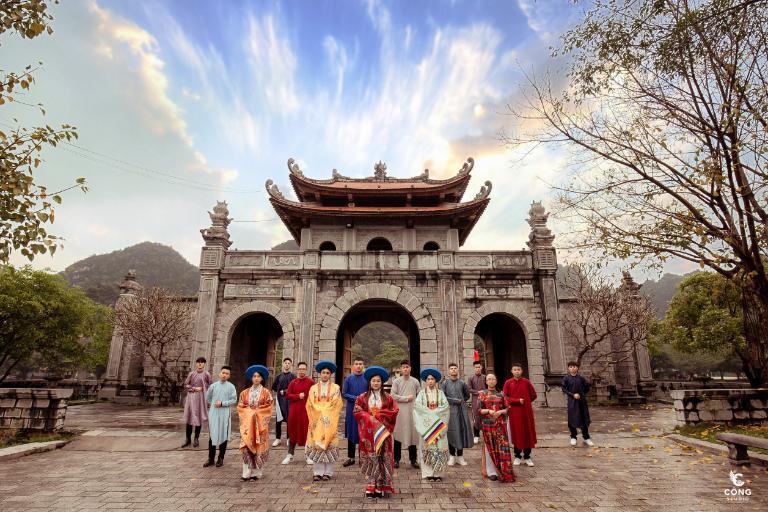
Be quiet and unobtrusive—avoid flash near altars, use silent shooting for devotees, and never touch or turn your back to sacred objects. Respectful behavior ensures your photos honor the space and its spiritual significance.
>>> Safety Tips for Traveling in Ninh Binh: Essential Guide for Tourists
Beyond the Frame: Compensation and Gratitude
When photographing locals at work, offer a small token of appreciation, like a few thousand VND or a purchased snack, to show respect for their time and effort.
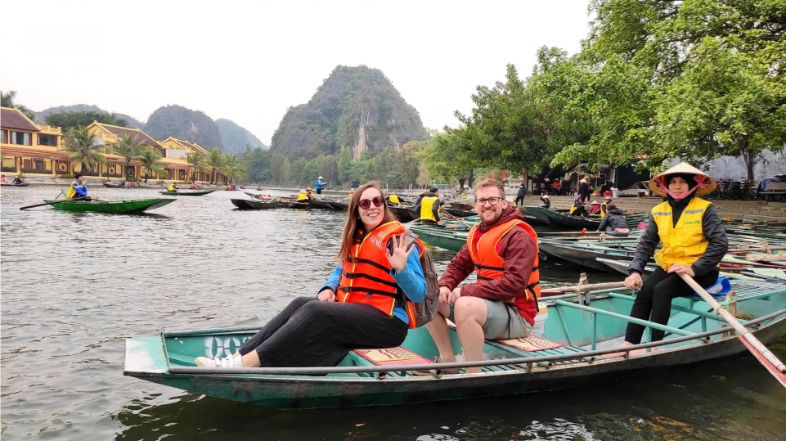
Whenever possible, share the image with them, showing it on your camera or giving a printed copy. This simple gesture of reciprocity honors their contribution and completes the photographic exchange.
Ninh Binh is undoubtedly one of Vietnam’s most photogenic destinations, offering lots of chances for both amateur and professional photographers. From the historic temples and energetic local culture to the limestone mountains and peaceful rivers, every area of this province has something distinctive to appeal.
Related Posts:
- Ninh Binh Motorbike Tour: Top Routes for a Memorable Ride
- Ninh Binh One-Day Tour: Ultimate Itinerary for Nature and Culture
- Ninh Binh Day Trip from Hanoi: The Ultimate Guide for a Scenic Escape
- Tour Ha Long Bay to Ninh Binh: Scenic Beauty and Cultural Wonders






Be the first to comment!