

Muong Lo Valley Tour: The Second Largest Rice Field in Northwest
The Muong Lo Valley Tour is a one-of-a-kind way to experience this northern gem’s breathtaking scenery and rich cultural heritage. To begin with, by joining MOTOGO Tours, travelers can uncover a hidden destination while enjoying peaceful villages, sweeping landscapes, and customs passed down through generations.
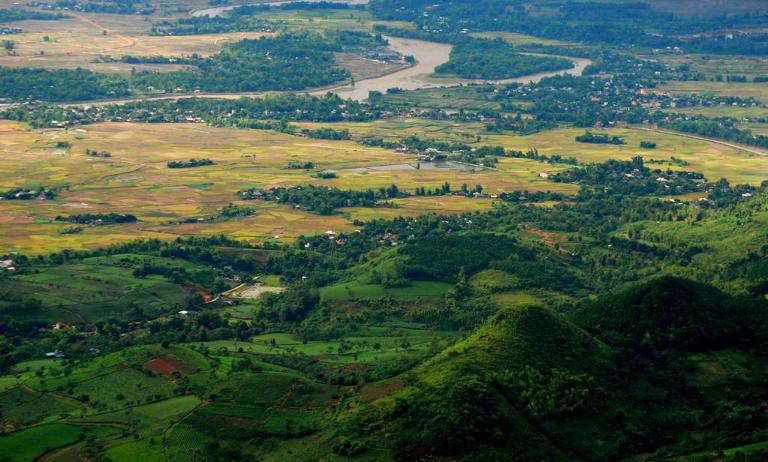
A Grand Introduction to Muong Lo Valley
Muong Lo Valley unfolds as the vast and fertile heart of Vietnam’s Northwest. More importantly, it is not merely a scenic destination but a living cultural landscape where nature and tradition blend seamlessly. Over time, history, agriculture, and community life have shaped the valley into what it is today.
Locating the Spectacular: Where is Muong Lo Valley?
Geographically, Muong Lo Valley lies about 80 kilometers west of Yen Bai City and roughly 200 kilometers from Hanoi. Specifically, it encompasses Nghia Lo Town and several communes of Van Chan District, with Nghia Lo serving as the main gateway for visitors.
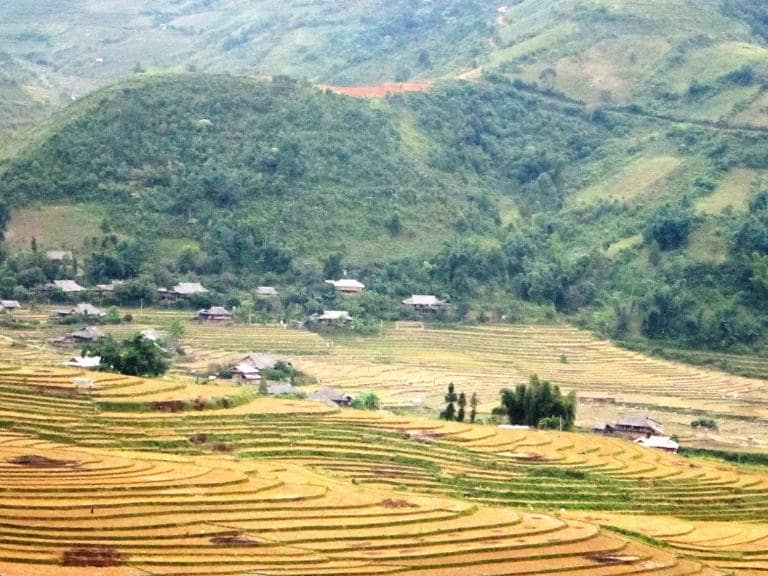
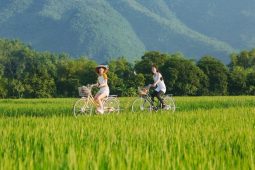
At first glance, the Hoang Lien Son mountains surround the valley in layers of mist, giving it a secluded feeling. However, as you descend into the basin, the scenery suddenly opens up into a vast, flat expanse of rice fields stretching endlessly toward the horizon.
The Valley’s Distinctive Features
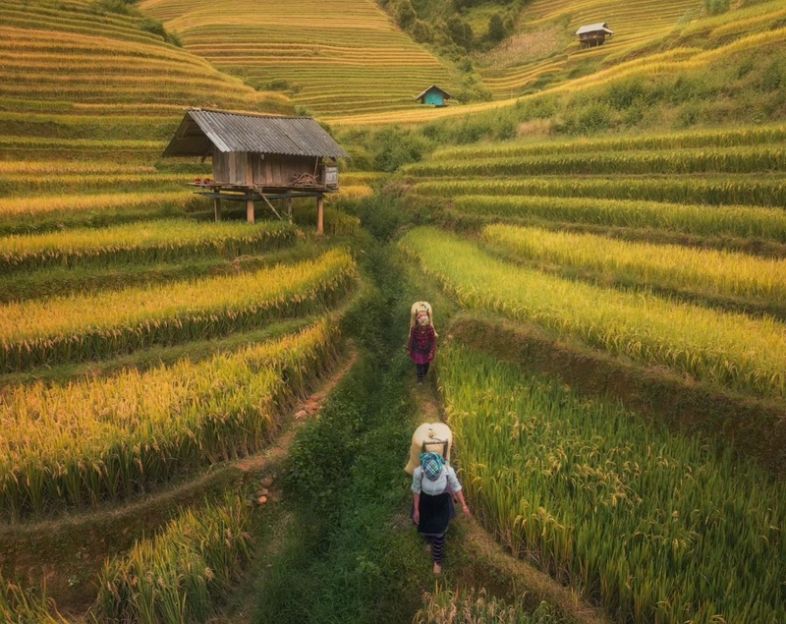
In terms of scale, Muong Lo truly lives up to its name, with around 3,000 hectares of flat rice fields. Unlike the famous terraced landscapes nearby, this uninterrupted plain has long served as the primary granary of western Yen Bai. As a result, Muong Lo has earned recognition as the second most important valley in Vietnam’s Northwest.
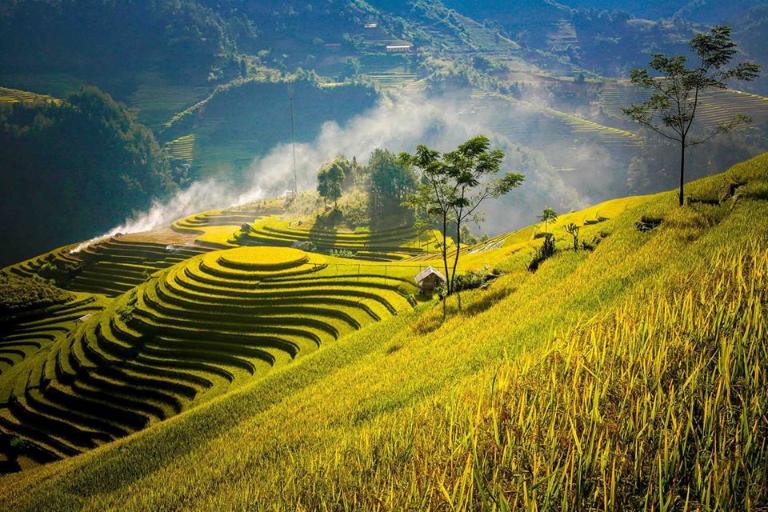
Traditionally known as the land of “white rice, clear water,” Muong Lo changes dramatically with the seasons. First, silvery water blankets the fields. Next, vibrant green rice dominates the landscape. Finally, autumn arrives with a striking golden harvest.
The Ethnic Groups of Muong Lo Valley
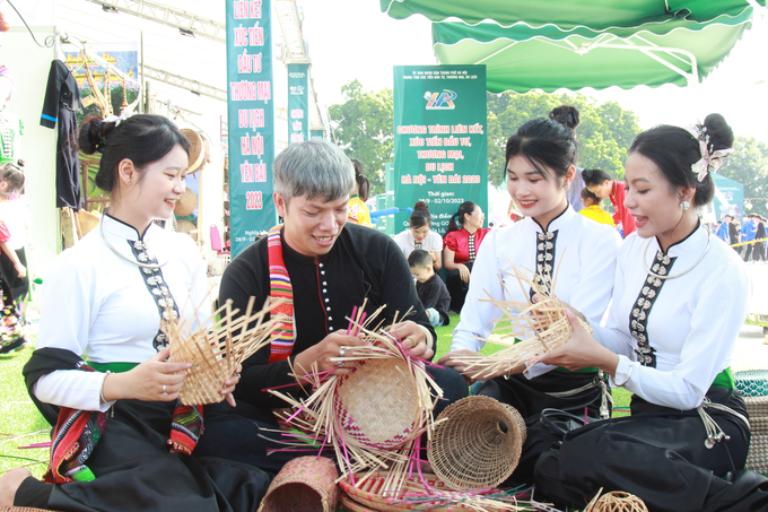
Culturally speaking, Muong Lo Valley is home to a rich mosaic of ethnic groups, including the Thai, Tay, H’mong, and several others. Among these, the Thai people play the most influential role due to their long-standing presence and well-preserved traditions.
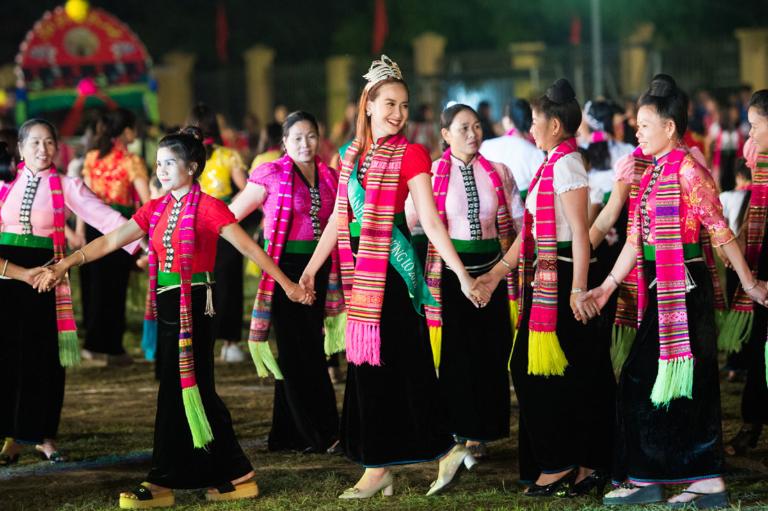
The celebrations of the ethnic groups add to the cultural vitality of the area, so Muong Lo is a living museum of Vietnam’s rich ethnic legacy. Muong Lo boasts a strong ethnic identity since about 60% of its population is Thai.
>>> Explore Lao Chai Village: Nature, Culture, and Adventure
Muong Lo Valley tour schedule
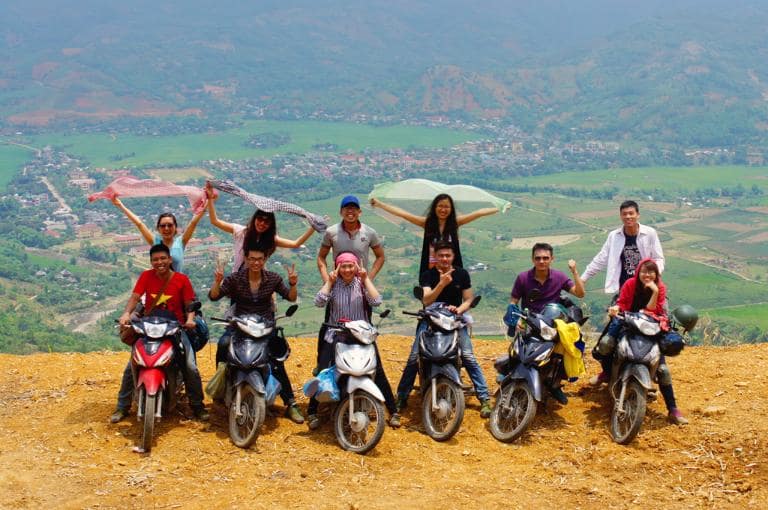
People who want to see the stunning nature and interesting culture of Vietnam’s mountains without spending too much time should definitely take our 2-day, 1-night Muong Lo Valley trip. This short but thorough excursion lets you experience the best of Muong Lo Valley, from charming traditional Thai towns to breathtaking natural vistas.
| Time | Active | |
Day 1: Hanoi – Duong Lam Village – Thai Village Muong Lo Valley |
||
| 07:30 AM | Pick-up straight from your Hanoi hotel. Starting your trip down Route 32 toward Son Tay Town, bid the busy city behind behind. | |
| 08:30 AM | Reached Duong Lam Ancient Village. Discover the classic Vietnamese architecture and take in a tour to Mia Pagoda, which dates back to the 17th century. | |
| 10:30 AM | Continue through the Phu Tho Province areas of Thanh Son and Tan Son. | |
| 12:00 PM | Mountains, rice fields, and tea gardens make for beautiful views. Lunch stop in Thu Cuc. Before you set off your adventure, savor some regional cuisine. | |
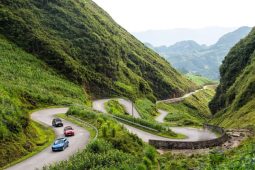
| 01:30 PM | The climb should start at Khe Pass, which is a beautiful mountain pass with a view of the valley below. | |
| 03:00 PM | Take a stroll through the village or relax at a nearby hot spring in Nghia Lo Town. | |
| 06:00 PM | Dinner with your Thai hosts, followed by an optional cooking class to learn the art of Thai cuisine. | |
| 08:00 PM | Relax and enjoy the evening at the homestay, absorbing the peaceful atmosphere of Muong Lo Valley. | |
Day 2: Muong Lo Valley – Nghia Lo – Hanoi |
||
| 07:00 AM | Breakfast at the homestay, prepared by your Thai hosts. | |
| 08:00 AM | Explore more of the surrounding villages in Muong Lo Valley, discovering the unique culture and lifestyle of the local Thai ethnic minority. | |
| 10:00 AM | Visit historical sites and landmarks in Nghia Lo, learning more about the area’s rich cultural heritage. | |
| 12:00 PM | Enjoy a delicious lunch with your hosts, sharing stories and experiences from your travels. | |
| 01:00 PM | Begin the scenic journey back to Hanoi, reflecting on your immersive cultural experience in Muong Lo Valley. | |
| 04:30 PM | Arrive in Hanoi, concluding your unforgettable Muong Lo Valley tour with a lasting appreciation of Vietnamese culture and nature. | |
>>> Things to Do in Yen Bai: Explore Vietnam’s Hidden Gem
Cost of Traveling to Muong Lo Valley: Self-Guided or Tour?
When planning your journey, you generally have two options: traveling independently or joining an organized tour. Each choice, however, offers distinct advantages and cost considerations.
The Cost of a Self-Guided Journey
Traveling independently in Muong Lo means full control over your schedule and experiences, from arranging transport to choosing a cozy homestay. The reward is flexibility and deeper cultural immersion. For a typical 2-day, 1-night self-guided trip, the average budget ranges from 2,000,000 to 3,500,000 VND (85–150 USD) per person, depending mainly on accommodation and dining preferences.
Getting to Nghia Lo from Hanoi by sleeper bus is the most economical option, costing about 400,000–500,000 VND round trip. Locally, scooter rentals are affordable, and homestays in traditional Thai stilt houses offer authentic stays from 250,000–400,000 VND per night, while hotels cost slightly more.
Food is inexpensive yet memorable, with daily meals and traditional dinners easily enjoyed on a modest budget. Overall, self-guided travel is ideal for independent explorers seeking authenticity, freedom, and value.
Tour Travel
For travelers who prefer a stress-free experience, an all-inclusive tour is the easiest way to explore Muong Lo Valley. A quality 2-day, 1-night tour typically costs 1,500,000–3,500,000 VND (60–150 USD) per person, depending on accommodation standards, group size, and included experiences.
Most tours cover round-trip transport from Hanoi, pre-arranged stays in trusted homestays or hotels, all meals featuring local specialties, and the service of a knowledgeable local guide.
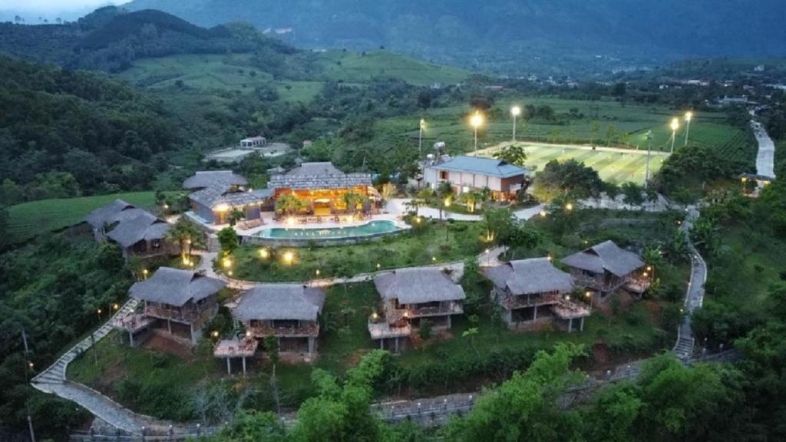
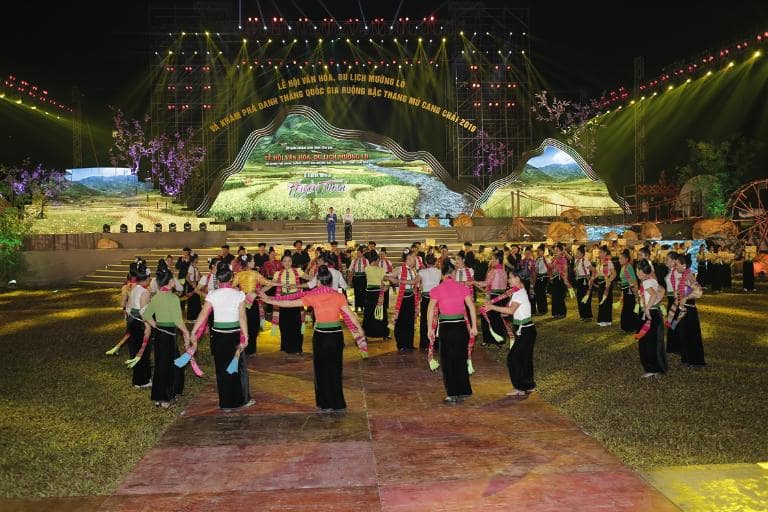
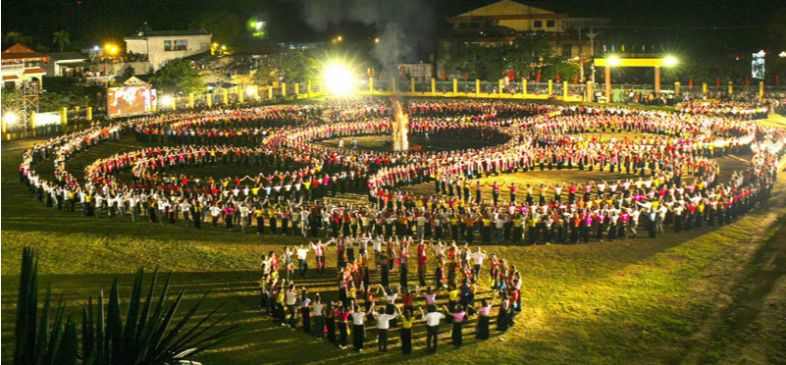
Curated activities often include village visits, Xoe Thai dance performances, and scenic rice-field viewpoints. Overall, this option offers comfort, cultural depth, and clear budgeting—ideal for first-time visitors or those seeking a well-organized, worry-free journey.
The Rhythmic Cycle of Muong Lo: Best Time to Visit
Muong Lo Valley is beautiful throughout the year, constantly transforming in color and mood with the seasons, but timing your visit is key if you want to catch a specific natural masterpiece. The local people, primarily the Thai, are deeply connected to this seasonal cycle, and you’ll see their industrious spirit reflected in the changing shades of the landscape.
The Water Pouring Season (May – June): A Mirror to the Sky
From May to June, Muong Lo enters the Water Pouring Season, when flooded fields turn the valley into a vast natural mirror. The water reflects blue skies, drifting clouds, and surrounding mountains, creating a dreamlike landscape.
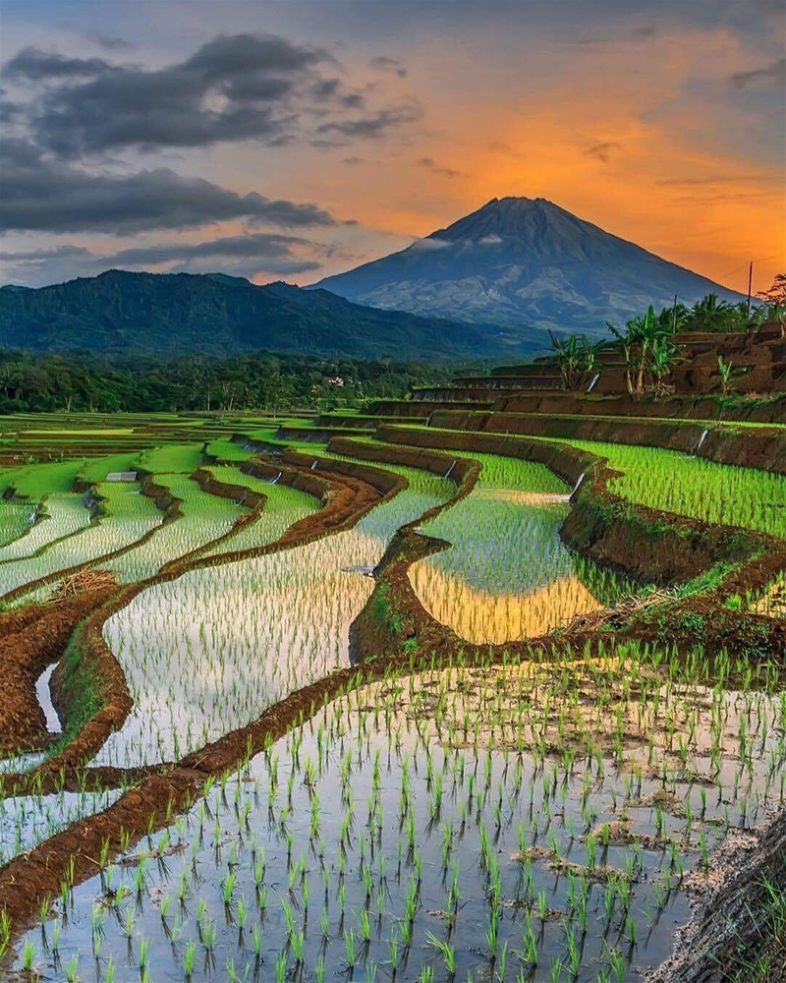
This season also marks a vital stage of rice cultivation, as farmers prepare the land and transplant seedlings, showcasing a quiet harmony between people and nature.
The Lush Green Season (July – August): Waves of Verdant Beauty
In July and August, Muong Lo transforms into a sea of vibrant emerald as rice fields grow thick and full. The valley becomes an endless green carpet, rippling gently in the mountain breeze.
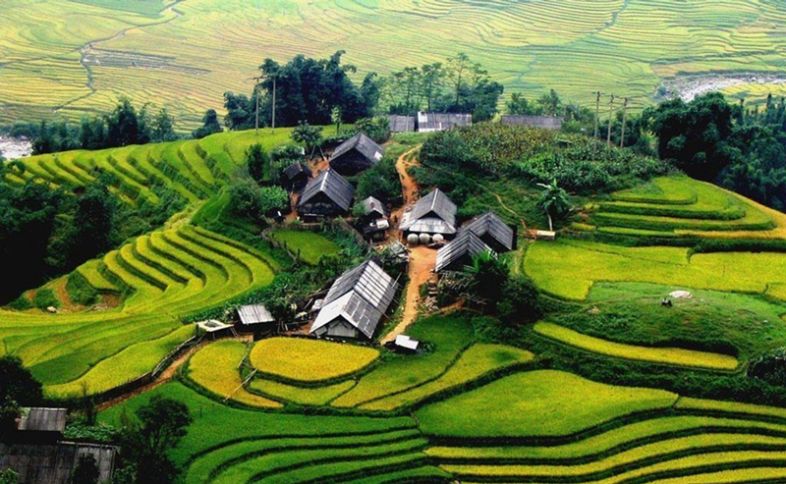
Fresh air and the striking contrast between forested slopes and bright fields make this a calm, refreshing season—ideal for cycling and leisurely walks.
The Golden Harvest Season (September – October): A Photographer’s Paradise
From mid-September to mid-October, Muong Lo reaches its most spectacular moment as the fields turn a radiant gold. The valley fills with the sweet scent of ripe rice beneath clear autumn skies, creating a breathtaking scene.
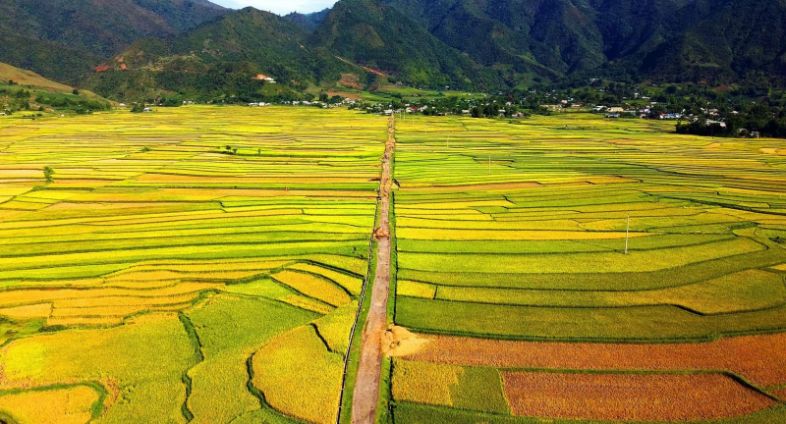
This is peak season for photographers and a lively time for visitors, as locals celebrate the harvest with festivals and traditional dances—offering the quintessential Northwest rice-field experience.
>>> Things to Do in Nghia Lo: Explore the Best of Yen Bai Province
Practical Tips for Your Muong Lo Valley Adventure
To ensure a smooth journey, careful preparation is essential. For example, booking transport and accommodation early during peak season can save both time and stress. Additionally, carrying cash is necessary, as card payments are rare in rural areas.
Getting Your Timing and Logistics Right
While self-guided travel offers great freedom, a bit of planning is essential especially during peak times. If you’re visiting in the Golden Harvest Season (mid-September to mid-October), book accommodation and sleeper bus tickets 4–6 weeks in advance, as homestays and hotels fill up quickly. Also, bring enough cash (VND), since cards and mobile payments are rarely accepted in villages and local markets.
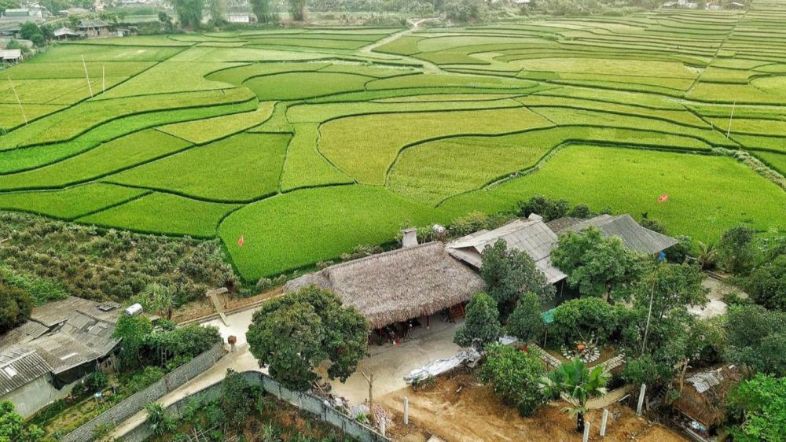
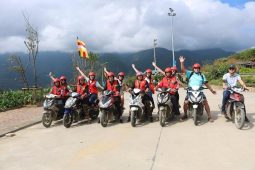
To fully explore Muong Lo, having your own transport makes a big difference. Renting a motorbike in Nghia Lo (about 100,000–150,000 VND per day) gives you the flexibility to enjoy sunrise views, quiet back roads, and nearby hot springs at your own pace. Just remember to carry a valid license and always wear a helmet.
Packing Essentials
The mountainous climate can be unpredictable. Packing smart will keep you comfortable and ready for any adventure the valley throws at you.
- Trekking Comfort: Pack light, breathable clothing that dries quickly, suitable for humidity and warm days. Crucially, bring sturdy, comfortable walking shoes or trekking sandals, as you will be spending hours walking between the rice paddies and through village paths.
- Sun and Bugs Defense: The sun can be intense when reflecting off the fields! Don’t forget sunscreen, a wide-brimmed hat, and sunglasses. Additionally, as you’ll be near water and vegetation, a high-quality insect repellent is necessary, especially during the early mornings and late evenings.
- Layer Up: Evenings in the mountains, especially outside the humid summer months, can get surprisingly cool. A light jacket or fleece is essential for those early morning photo sessions and late-night strolls under the starlit sky.

Deep Dive into Local Culture
The Muong Lo Valley experience comes alive through the traditions and hospitality of the Black Thai. Embrace local cuisine by trying Five-Colored Sticky Rice and traditional Thai grilled fish and don’t hesitate to share a cup of sticky rice wine with your hosts, it’s a warm sign of welcome.
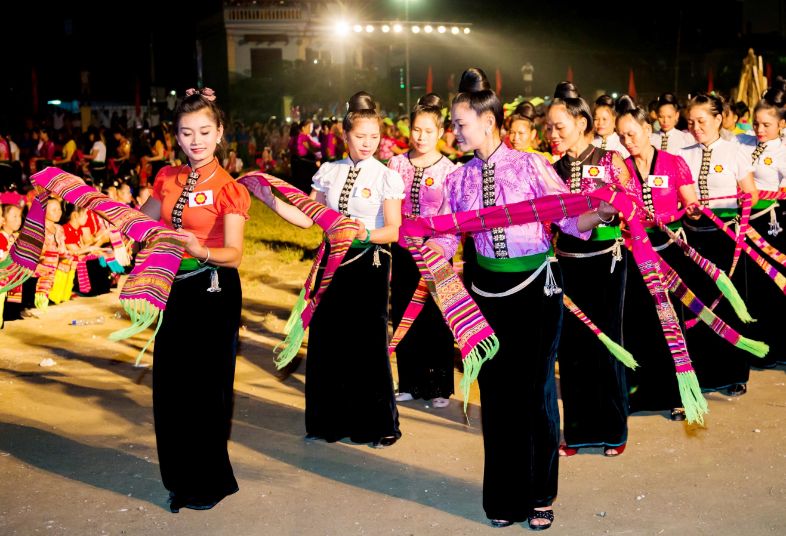
To truly feel Muong Lo’s spirit, join a Xoe Thai circle dance and experience the strong sense of community firsthand. For deeper cultural immersion, visit Nghia Lo Market and taste local specialties like black banh chung and the distinctive Muong Lo shrimp paste, both rich expressions of the valley’s culinary heritage.
>>> Discover Muong Hoa Valley: A Must-Visit Destination in Sapa
Maximizing the Photo Opportunities
Everyone visits Muong Lo for the views, but timing is key for unforgettable photos. For the most iconic shots, plan your trip for late September to mid-October, when the fields shift quickly from pale yellow to deep gold, creating a truly breathtaking scene.
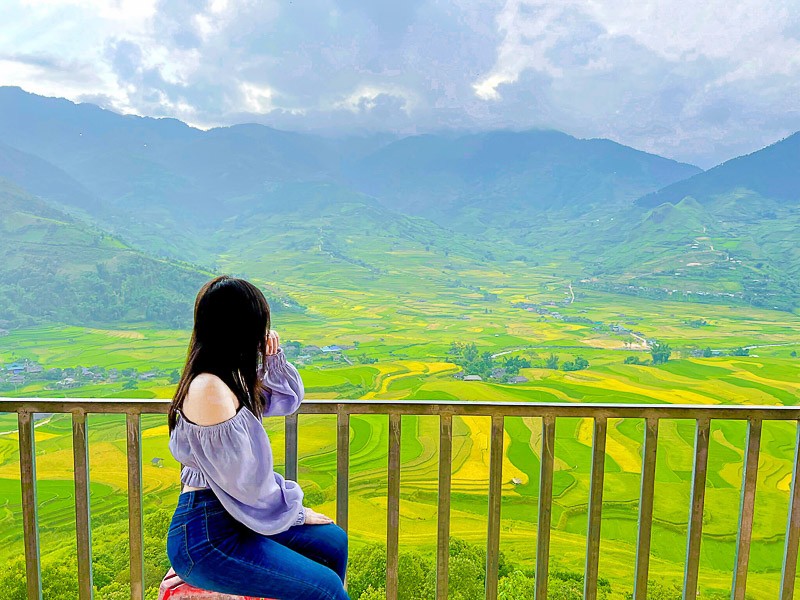
For added atmosphere, head out early. Sunrise often brings soft mist drifting over the rice fields, while sunset bathes the valley in warm light, turning the golden rice into a glowing sea.
Miss the opportunity to discover the breathtaking Muong Lo Valley. This trip looks to be a once-in-a-lifetime journey with its amazing scenery and energetic cultural encounters. I wish you a fantastic journey full with fresh insights and lifelong memories.
Related Posts:
- Mu Cang Chai Motorbike Tour: Explore Stunning Landscapes
- Mu Cang Chai Tour 3 Days 2 Nights: Explore Stunning Views
- Lung Cung Trekking Tour: Adventure Through Stunning Scenery
- Mu Cang Chai – Tram Tau Tour 3 Days 2 Nights: Full Itinerary & Details






Be the first to comment!