

Things to Do in Yen Bai: Explore Vietnam’s Hidden Gem
Tucked amid Vietnam’s breathtaking northern highlands, Yen Bai is a province sometimes overlooked in favor of more well-known travel destinations like Sapa and Ha Giang. Nature lovers, adventure seekers, and culture vultures all will find this region ideal with its verdant mountains, calm lakes, and amazing rice terraces. This MOTOGO Tours‘ post will help us to discover the best things to do in Yen Bai.
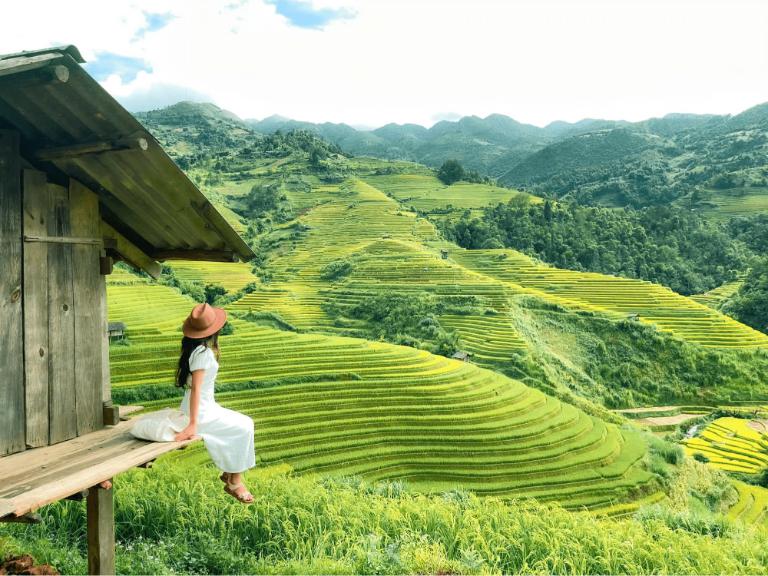
Yen Bai: A Hidden Treasure in Northern Vietnam
Yen Bai, in Vietnam’s Northwest, borders Lao Cai, Son La, and other provinces. Its mountainous terrain, valleys, and rivers support rich agriculture and biodiversity. Home to ethnic groups like the Thai, H’mong, Dao, and Tày, the province features stilt houses and vibrant traditions, with landscapes ranging from the flat Muong Lo Valley to the towering Hoang Lien Son mountains making Yen Bai full of diverse and exciting experiences.
Why Visit Yen Bai?
Why then ought you to go to Yen Bai? Imagine standing on a mountain top and seeing at seemingly limitless rice terraces, valleys, and rivers all around. Yen Bai has something unique to offer regardless of your interests— adventurer, culture vultures, or environmentalist. Most critically, though, it’s a site where you might escape the throngs and really see Vietnam.
Getting There: The Journey to Vietnam’s Northwest
Traveling to Yen Bai usually starts from Hanoi, as the province lacks a major airport. The most popular options are overnight sleeper buses or limousine vans, offering a comfortable and efficient way to reach Yen Bai City or Nghia Lo town.
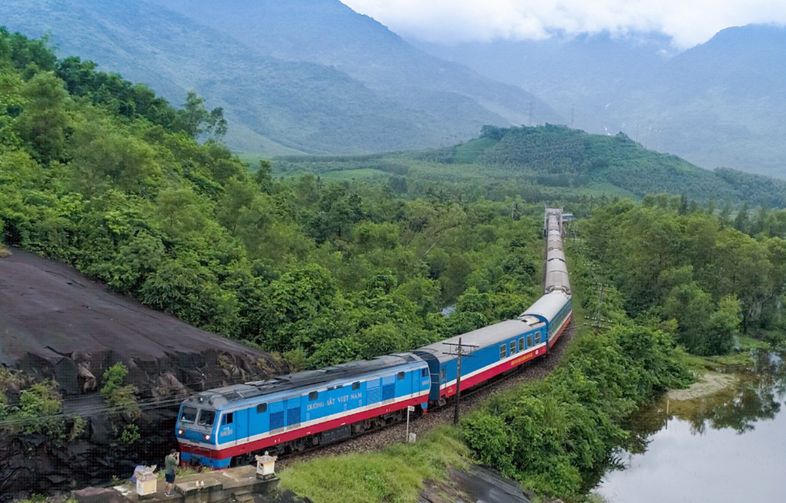
For the adventurous, renting a motorbike and taking the scenic route especially to Mu Cang Chai offers an unforgettable journey through winding roads and breathtaking landscapes, making the trip as memorable as the destination itself.
The Best Time to Visit Yen Bai
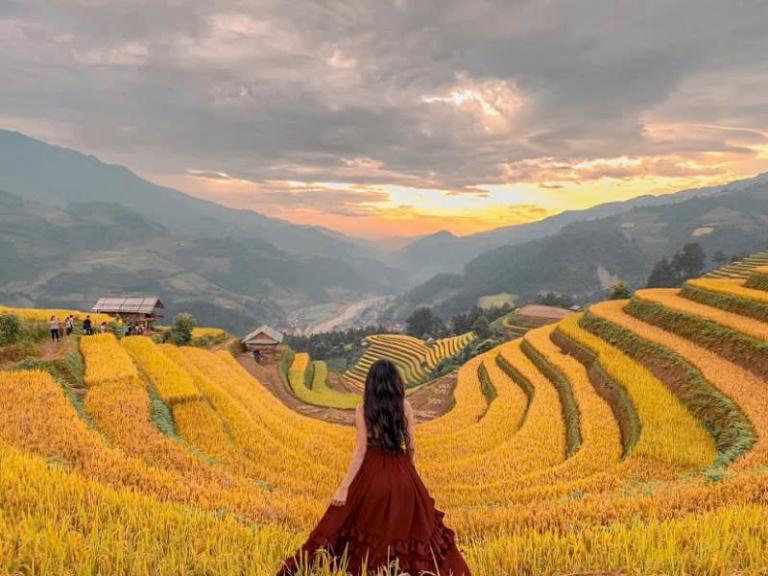
Yen Bai is best visited during harvest seasons, especially from May to September when the rice terraces are most alive. If you would rather have colder temperatures and less visitors, though, traveling between October and April is perfect. The nice temperature of the months makes them ideal for trekking and appreciating the area’s natural splendor.
>>> Best Time to Visit Yen Bai: Seasonal Highlights & Travel Tips
The Majesty of Mu Cang Chai: Terraced Rice Fields
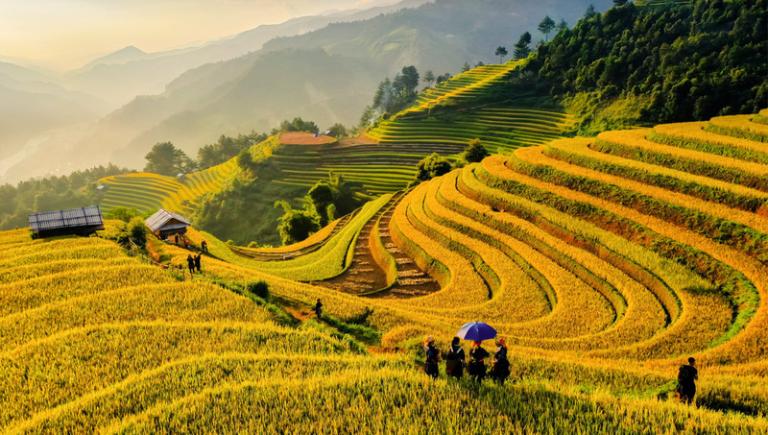
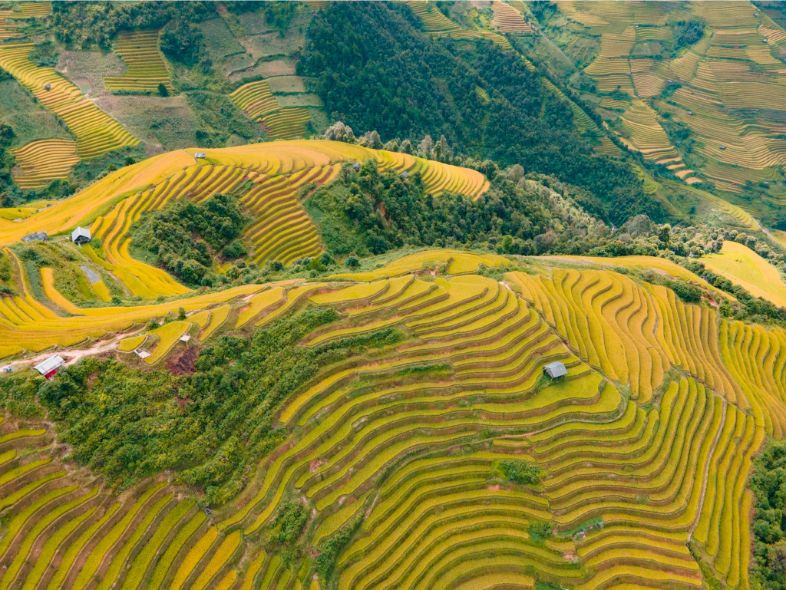
The terraced rice fields of Mu Cang Chai capture the magic of Yen Bai. Carved by generations of H’mong people, these vast steps wrap around steep hillsides like living art. Recognized as a National Landscape Site, the fields showcase human perseverance and harmony with nature, offering a truly awe-inspiring, almost spiritual experience.
Discover the Beauty of Mu Cang Chai
One of Yen Bai’s most well-known sights, Mu Cang Chai boasts breathtaking rice terraces across the terrain like a patchwork quilt. Particularly in harvest season when the fields are covered in golden yellow, these terraces are not only a wonder of agricultural creativity but also a stunning sight to behold.
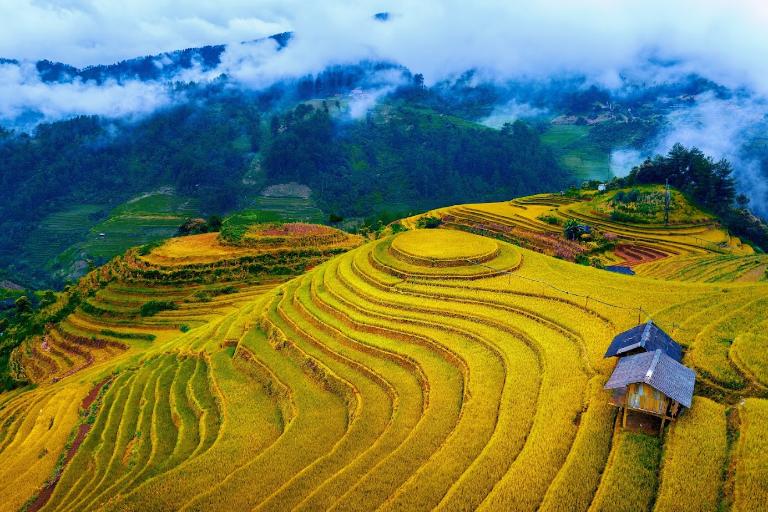
Trekking over Mu Cang Chai’s verdant rice terraces is among the best ways to see it. You will be able to see the painstaking effort involved in growing the rice as you go along little roads winding around the fields. Mu Cang Chai’s scenery will not let you down whether your passion is photography or just appreciation of a great vista. The terraces themselves are a photographer’s dream.
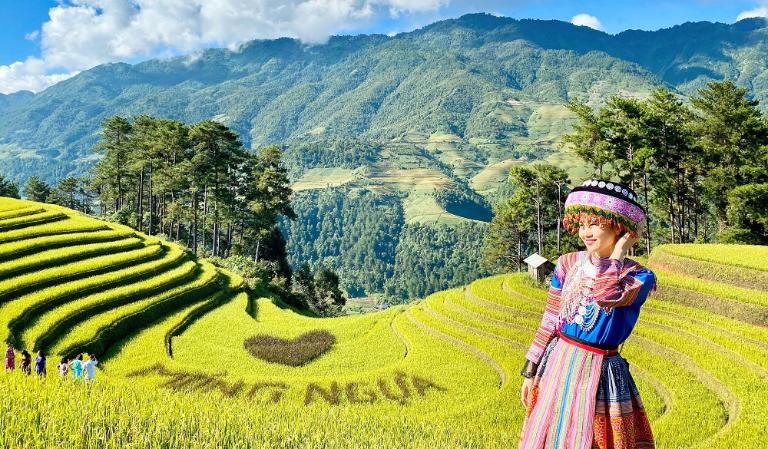
>>> Explore Mu Cang Chai Terraced Fields: A Hidden Gem in Vietnam
Apart from the terraces, Mu Cang Chai boasts various settlements where the H’mong and Tay people live. These communities provide an uncommon window into northern Vietnam’s traditional way of life. Many of the residents still weave complex fabrics and crafts, and the others still depend on conventional farming techniques.
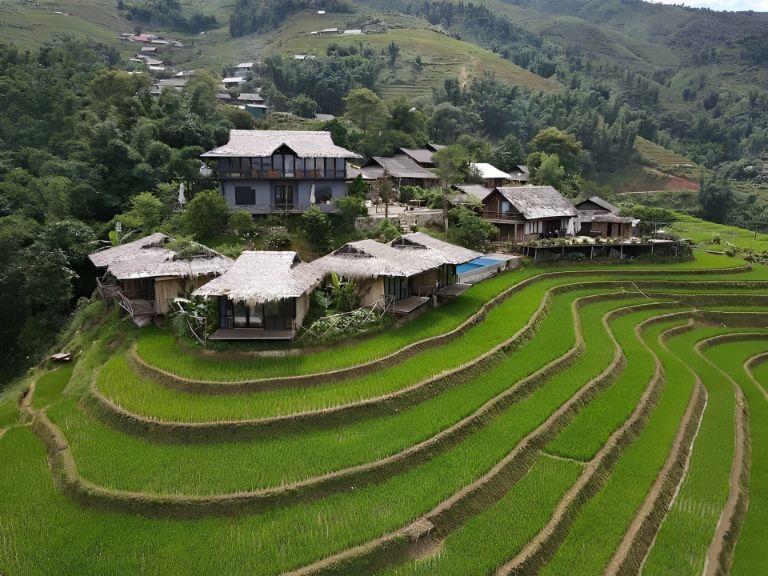
Visit nearby houses, take part in neighborhood events, and sample home-cooked food created from locally acquired products. Those who appreciate cultural immersion will have great chance to interact with residents and learn about their daily activities, customs, and celebrations.
When to Visit: The Golden and Water-Pouring Seasons
Timing your visit to Mu Cang Chai is essential, as the scenery shifts dramatically with the seasons. During the Water-Pouring Season (May–June), terraces are flooded for planting, creating shimmering mirrors that reflect the sky, clouds, and surrounding mountains—a surreal sight perfect for photography.
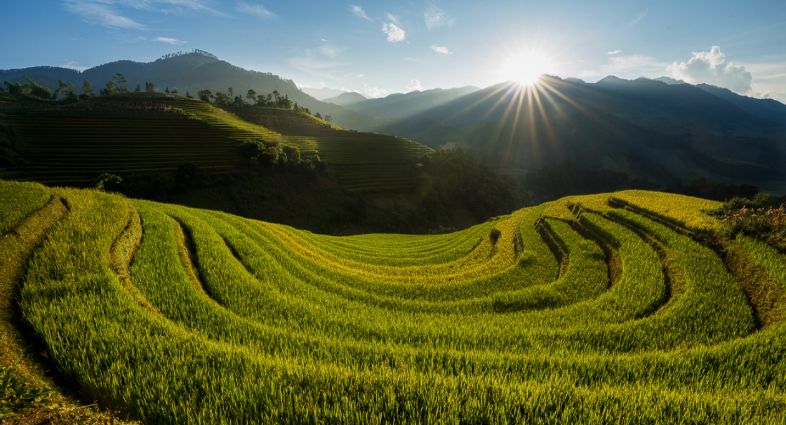
In the Golden Season (late September–mid-October), the rice ripens, covering the hills in a brilliant gold carpet. H’mong farmers can be seen harvesting, filling the air with the scent of crops, while the spectacular golden terraces make this period the most famous and unforgettable time to visit.
Must-See Terraces
While the entire district of Mu Cang Chai is beautiful, three communes are particularly renowned for having the most dramatic and photogenic terraces, and you should make a point to visit all three.
- La Pán Tẩn: Famous for its đồi “Mâm Xôi” – a perfectly formed, circular terrace that looks like a giant, woven basket. This spot is a quintessential Mu Cang Chai photo opportunity.
- Chế Cu Nha: This area features incredibly steep, winding terraces that create mesmerizing, snake-like patterns that seem to defy gravity.
- Dế Xu Phình: Located higher up and often shrouded in mist, this commune offers a more rugged, remote feel and expansive, high-altitude views.
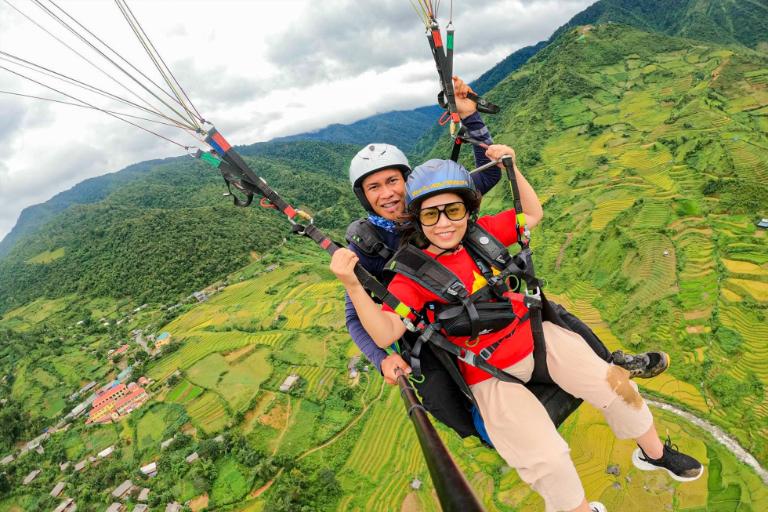
Conquering the Clouds: Khau Pha Pass and Paragliding
Khau Pha Pass is among the most thrilling places in Yen Bai for adventure seekers. Amazing views of the nearby mountains and valleys abound from this meandering mountain route. Motorbike aficionados frequent this location because they enjoy the challenge of negotiating the pass’s twists and the beauty revealed at every bend.
Motorbiking the Pass
You will not forget riding a motorbike across Khau Pha Pass. One of the toughest mountain crossings in Vietnam, the journey here is exciting and fulfilling. Often hazy and twisting, the route is an adventure that will cause your heart to rush.
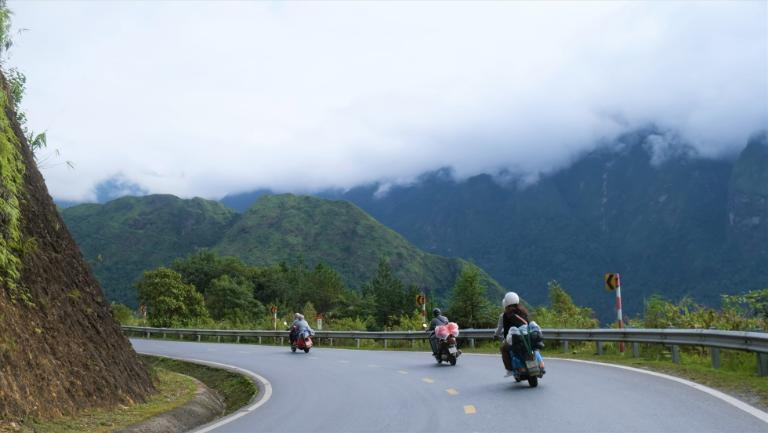
Rent a motorbike for the finest experience and slow down across the pass stopping at the points of view along the way. The views are amazing; there are valleys to view, terraced fields, and limitless mountains.
Photography Opportunities
Khau Pha Pass presents many of chances for photographers. With misty mountain ranges and deep valleys providing the ideal backdrop for images, the dramatic landscapes present amazing views of the surrounding areas. Nestled beside the pass, the nearby towns also provide striking subjects.
Explore the Tranquil Thac Ba Lake
Thac Ba Lake in Yen Bai is a serene retreat, surrounded by towering mountains and lush forests, making it ideal for travelers seeking relaxation and natural beauty.
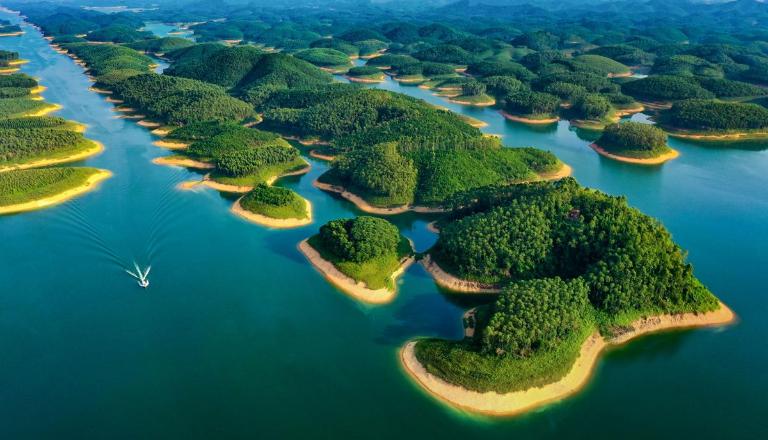
Spanning 234 square kilometers, the lake is dotted with over 1,300 islands and hills covered in lush vegetation. Its clear blue-green waters reflect the surrounding limestone cliffs and forests, making it a perfect haven for peace and relaxation.
Cruising and Caving: Activities on the Water
The best way to explore Thac Ba Lake is by boat. Local wooden boats navigate winding waterways, passing islands and hidden corners that reveal the lake’s natural beauty and tranquility. Some islands even feature fascinating caves, like Thủy Tiên (Fairy Cave), adding mystery and a sense of history to your journey.
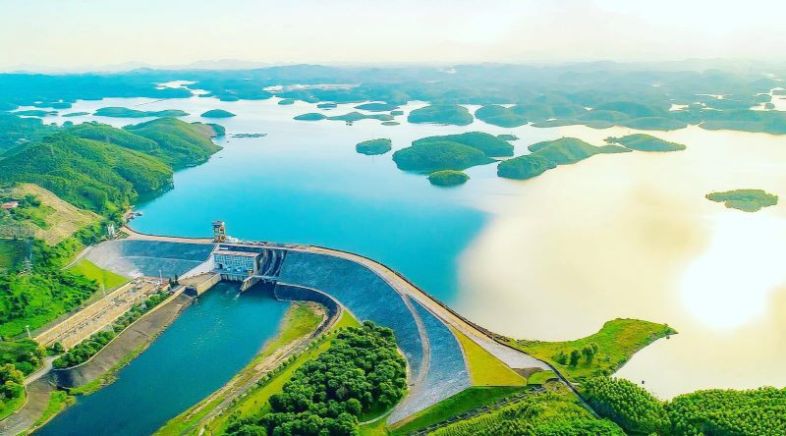
The villages around the lake, such as Ngòi Tu offer an authentic cultural experience. Home to Dao, Tày, and other ethnic groups, these communities showcase traditional stilt houses and daily life. Visitors can interact with locals, share meals, and witness customs firsthand, making the lake more than a scenic destination—it’s a window into Yen Bai’s rich cultural heritage.
>>> Must-Try Dishes in Yen Bai: A Culinary Adventure
Trekking and Cultural Immersion in the Valleys
Beyond Mu Cang Chai, Yen Bai’s lush valleys offer immersive trekking and authentic homestays. Wander into remote communities where traditional life thrives, and experience a refreshing escape from the modern world.
Tu Le and Muong Lo: Hidden Valleys of the Thai People
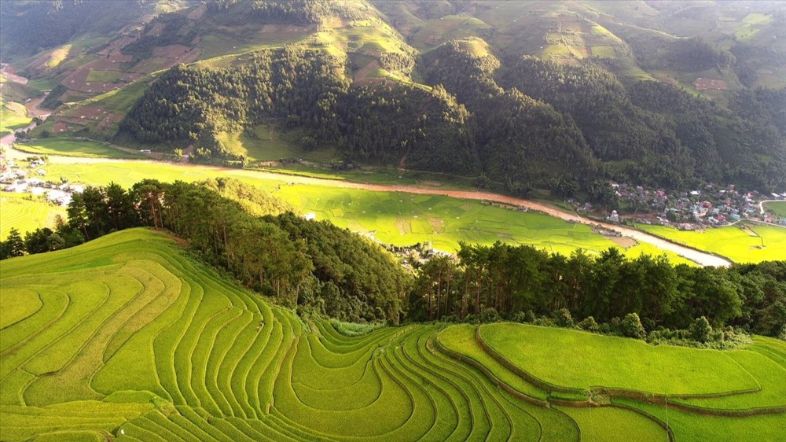
Between the towering passes and vast terraces lie the Tu Le and Muong Lo Valleys, traditional homelands of the Black Thai ethnic group. Tu Le Valley, located below Khau Pha Pass, is famed for its fragrant glutinous rice and serene rice fields. A visit here isn’t complete without relaxing in the local hot mineral springs after a day of trekking.
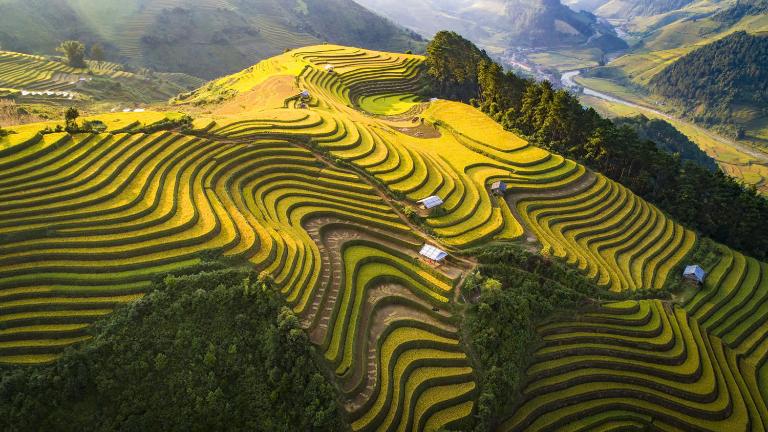
Muong Lo Valley, Northwest Vietnam’s second-largest rice plain, serves as a cultural hub for the Thai people. In Nghia Lo town, you can admire traditional stilt houses, vibrant markets, and perhaps witness the UNESCO-recognized Xoè circle dance, offering a deep immersion into the region’s rich heritage.
Suoi Giang: The Ancient Tea Forest Experience
Suoi Giang is the legendary home of the ancient, wild Shan Tuyết tea trees, perched over 1,400 meters above sea level. Some trees are rumored to be up to 400 years old, their leaves covered in a fine white fuzz that gives the tea its name: snow tea. Walking through the forest feels like stepping back in time, surrounded by gnarled trunks and a lush canopy.
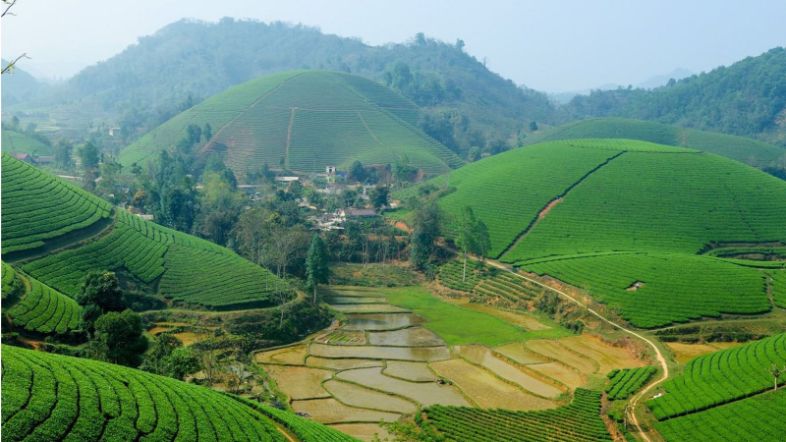
Visitors can meet local tea producers, learn traditional harvesting and processing methods, and savor a cup of this rare, aromatic brew. It’s a truly sensory experience that combines history, nature, and culture in one unforgettable visit.
Traditional Craft Villages of Yen Bai
Yen Bai is home to ancient craft villages where artisans create exquisite textiles, ceramics, and other handmade goods using techniques passed down through generations.
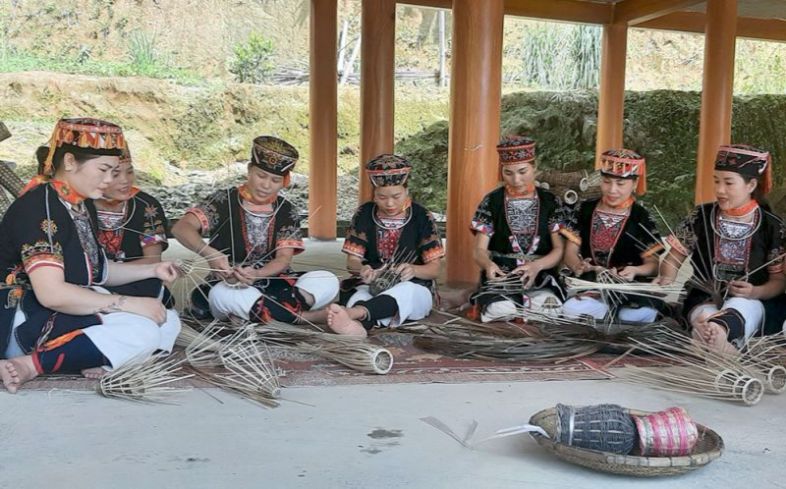
Visiting these villages offers a chance to learn about local traditions, witness skilled craftsmanship firsthand, and support the preservation of these cultural arts in the modern age.
>>> Top Attractions in Yen Bai: Explore Vietnam’s Hidden Gems
A Taste of the Highlands: Yen Bai’s Local Cuisine
No trip to Vietnam is complete without tasting the local cuisine, and Yen Bai offers flavors as unique as its landscapes. Here, mountain ingredients and traditional recipes from ethnic communities create a hearty, unforgettable culinary experience.
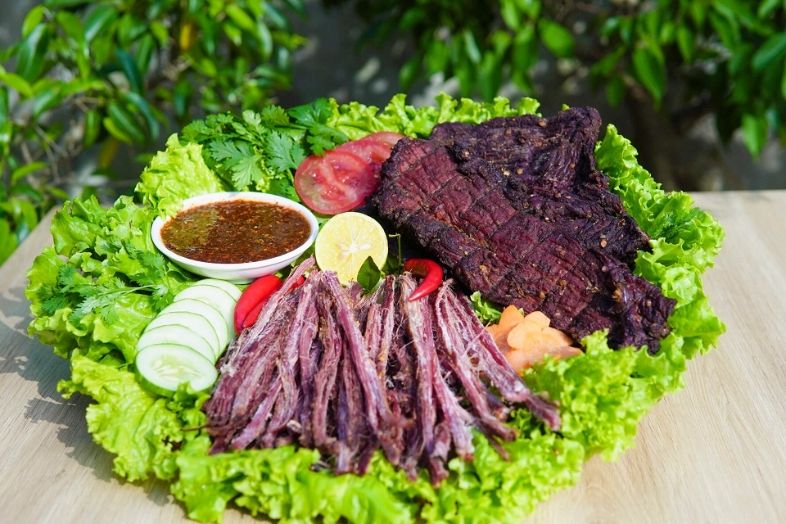
Smoked Buffalo Meat
Smoked Buffalo Meat is a prized Black Thai delicacy. Strips of buffalo are marinated with local spices like ginger, chili, and fragrant mắc khén, then smoked over a fire for days or weeks. The result is chewy, deeply smoky, and full of complex flavors. It’s traditionally enjoyed with a shot of rice wine, making for a truly authentic experience.
Five-Color Sticky Rice
Five-Color Sticky Rice is a vibrant, visually striking dish symbolizing the five elements in traditional belief. The colors: white, green, black, red, and yellow come naturally from local plants and herbs.
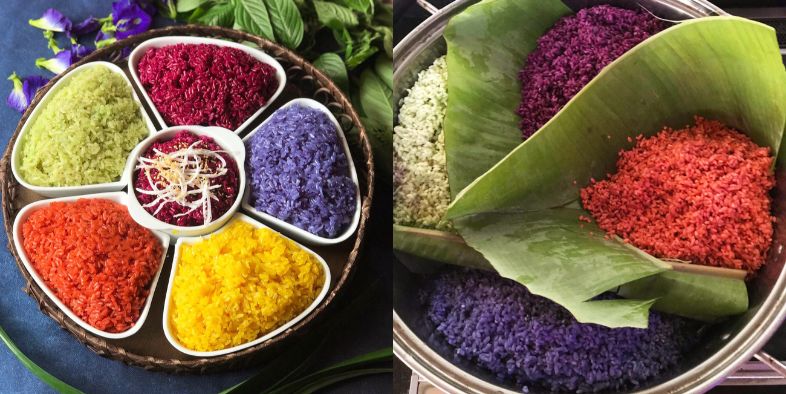
Made with the famous Tu Le glutinous rice, it’s typically enjoyed during festivals or special occasions, offering both beauty and flavor in every bite.
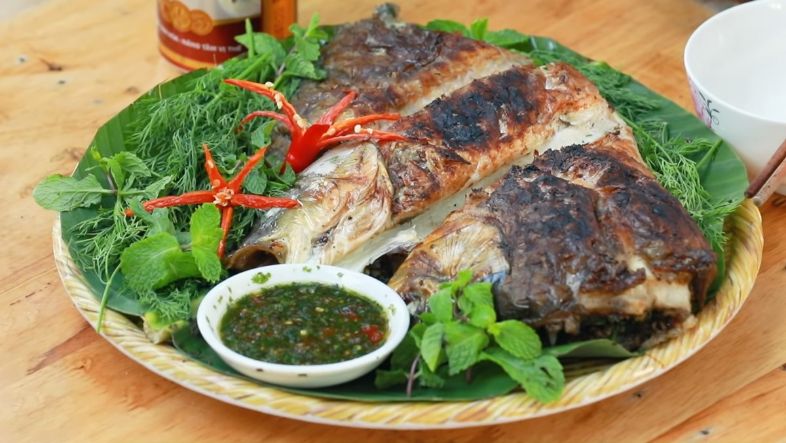
Grilled Stream Fish
Grilled Stream Fish is made from fresh mountain fish, butterflied and stuffed with lemongrass, dill, and local herbs, then grilled over hot charcoal. The result is a light, smoky, and aromatic dish that’s both flavorful and refreshing.
Tu Le Green Sticky Rice
Tu Le green sticky rice is a seasonal delight harvested early, roasted, and pounded to create a sweet, chewy snack that captures the delicate essence of the rice grain. It is a unique flavor of the region you won’t find replicated elsewhere.

>>> Let’s see more: Tu Le Sticky Rice: A Culinary Delight of Yen Bai You Must Try
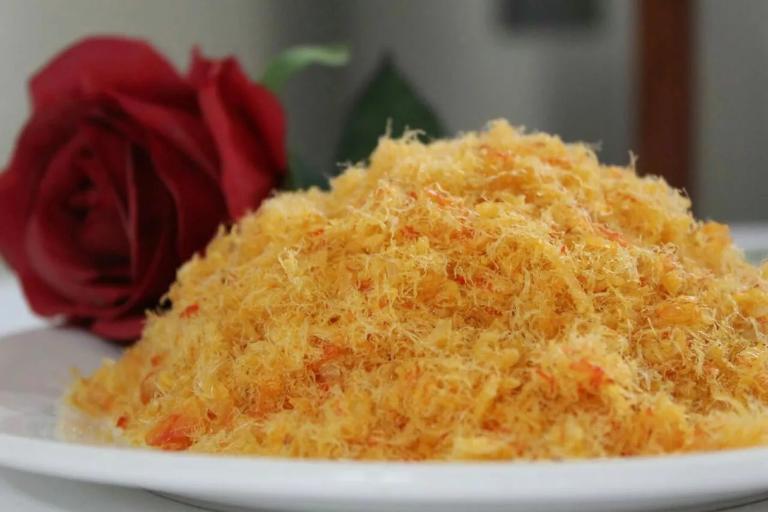
Muong Lo Shrimp Paste
Muong Lo Shrimp Paste is a specialty from the Muong Lo Valley, made from fresh shrimp, sometimes pork, and local seasonings, then roasted into a light, fluffy, flavorful paste. It pairs perfectly with five-color sticky rice), steamed rice, or as a dip, capturing the essence of Yen Bai’s rich culinary heritage.
Practical Tips for Your Yen Bai Trip
Venturing into Vietnam’s northwest requires a bit of planning to ensure a smooth and respectful trip. Being prepared will allow you to focus entirely on the incredible experiences Yen Bai has to offer.
Accommodation and Homestay Experiences
While Yen Bai City offers standard hotels, the most authentic stays are in Mu Cang Chai, Tu Le, and near Thac Ba Lake. Homestays in traditional stilt houses with Thai or H’mong families provide a unique cultural experience, simple but clean facilities, communal meals, and warm hospitality. Booking in advance is recommended, especially during peak season.
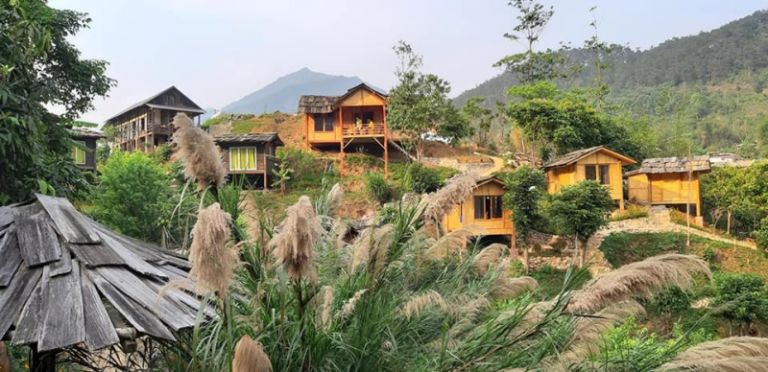
For more comfort, small family-run hotels and eco-lodges in Tu Le and Mu Cang Chai town offer privacy while still keeping you close to the region’s natural beauty and local life.
Respecting Local Culture and Ethnic Groups
Yen Bai is home to diverse ethnic communities, and visiting their villages is a privilege that calls for respect. Dress modestly, especially at temples or during festivals, and always ask permission before photographing people or their homes. Avoid touching anyone’s head, as it’s considered highly disrespectful in cultures like the H’mong.
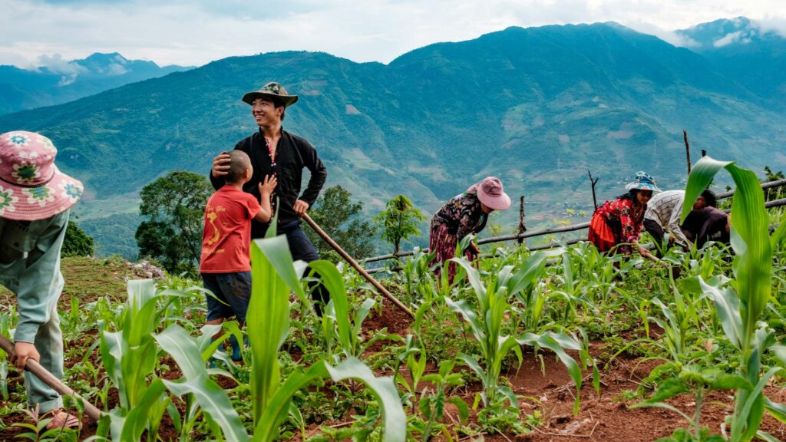
Making an effort to learn simple greetings in Vietnamese goes a long way in showing respect and building connections. Small gestures and cultural awareness can enrich your experience while honoring the traditions of the communities you visit.
Yen Bai is a hidden gem in northern Vietnam, offering the perfect fusion of outdoor adventure, great natural beauty, and rich culture. Yen Bai provides a welcome change from the more packed tourist spots in Vietnam whether your trip is through rice terraces, leisurely lake cruise, or immersion in the customs of other ethnic groups.
Related Posts:
- Best Time to Visit Yen Bai: Seasonal Highlights & Travel Tips
- How to Get to Yen Bai: Exploring the Scenic Route to Northern Vietnam
- Things to Do in Mu Cang Chai: Exploring Vietnam’s Iconic Rice Terraces
- Things to Do in Nghia Lo: Explore the Best of Yen Bai Province


Be the first to comment!