

Explore the Majestic O Quy Ho Pass – One of Vietnam’s Four Great Mountain Passes
O Quy Ho Pass is a must-see sites drawing many of people to Sapa. One of the Four Great Mountain Passes of the northern highlands, it provides an amazing experience whereby the wild beauty of nature meets a calm, even poetic scene. Come see the beauty of O Quy Ho Pass with MOTOGO Tours and learn why it enthralls so many visitors!
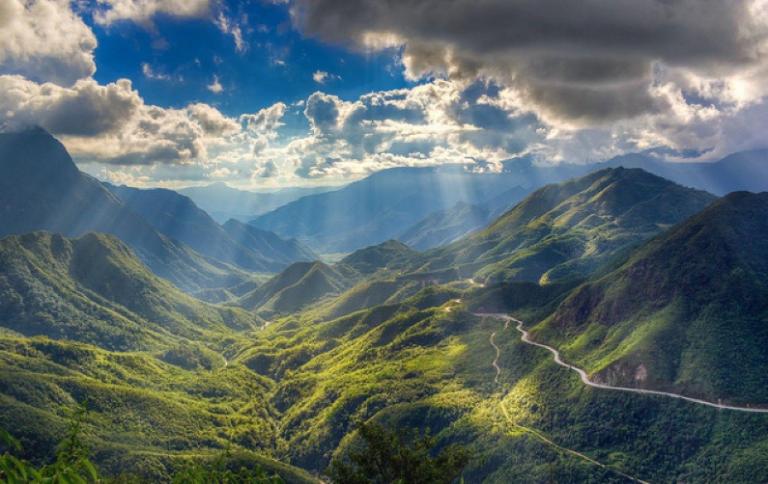
The King of Passes: Defining O Quy Ho’s Grandeur
The title “King of Passes” is well-earned. O Quy Ho is Vietnam’s longest mountain pass, stretching an impressive 50 kilometers along National Highway 4D. Consequently, its continuous climbs, descents, and hairpin turns reveal ever more breathtaking vistas, demanding respect while delivering the ultimate mountain adventure.
A Geographic Masterpiece: Location and Key Statistics
O Quy Ho Pass forms a dramatic natural border between Lao Cai and Lai Chau provinces. Starting gently from Sa Pa, the road quickly ascends into the Hoang Lien Son range, reaching nearly 2,000 meters above sea level—a high-altitude engineering marvel that lets travelers drive straight into the mountains.
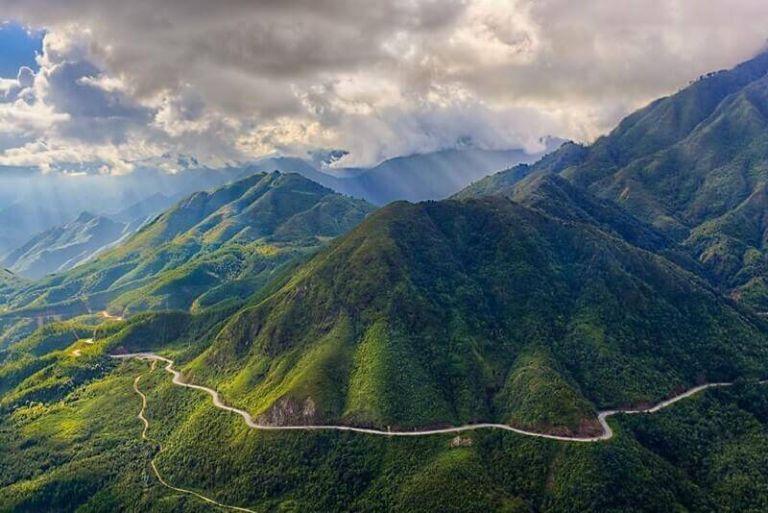
The Sa Pa side is lush, cool, and often cloaked in mist, while the Lai Chau side is clearer and warmer, creating a striking contrast. Traveling the pass feels like passing through two entirely different worlds.
A Tale of Two Worlds: The Climate Contrast
O Quy Ho Pass offers an incredible microclimate shift at its summit. On the Lao Cai (Sa Pa) side, expect cool, humid, and misty conditions, often blanketed in fog, frost, or even rare snow—earning it the nickname “Cloud Pass.”
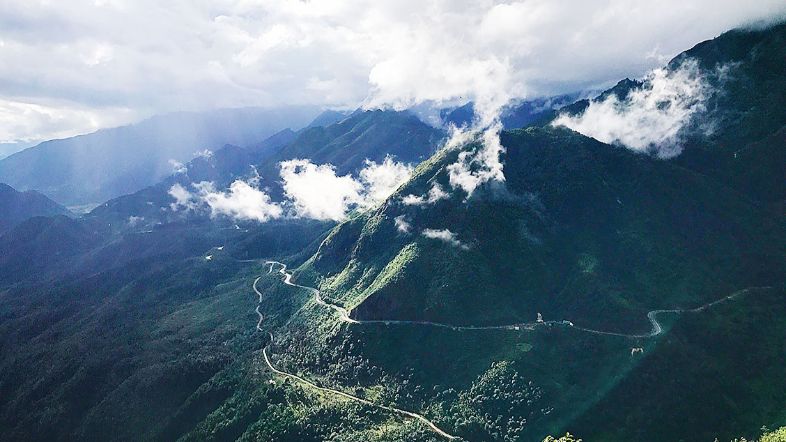
Crossing into Lai Chau (Tam Đường), the landscape transforms rapidly. The air becomes warmer, sunnier, and drier, thanks to the sheltering Hoang Lien Son range. This dramatic contrast creates a dynamic, visually stunning journey where two climates coexist along a single road.
Why O Quy Ho Pass is a Must-Visit for Every Traveler
O Quy Ho Pass is far more than a road. Instead, it is a once-in-a-lifetime encounter that connects visitors deeply with the rugged character of Northern Vietnam. It’s an adventure that leaves an indelible mark on your memory.
An Unforgettable Encounter: The Challenge and Accomplishment
O Quy Ho Pass thrills adventurous travelers with its demanding 50 kilometers of twists, turns, and steep climbs. Navigating the route tests focus, nerve, and skill, making every moment both intense and exhilarating.
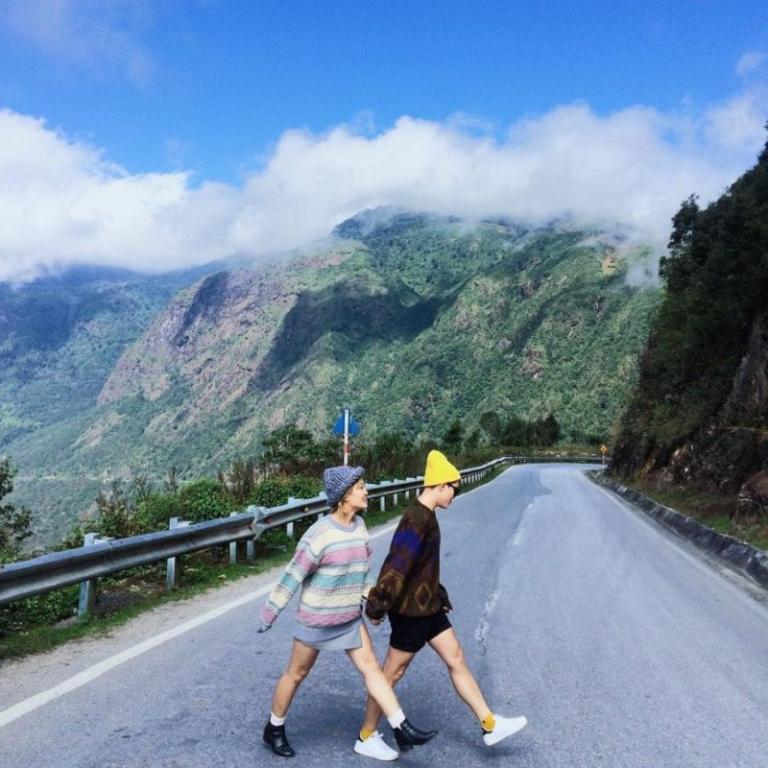
The reward goes beyond the scenery. Conquering the pass brings a deep sense of accomplishment, a connection to local culture, and the thrill of mastering a formidable natural obstacle. For first-timers and seasoned travelers alike, O Quy Ho is an essential experience to truly appreciate Vietnam’s rugged beauty.
Unmatched Scenic Grandeur: Where Poetry Meets the Wild
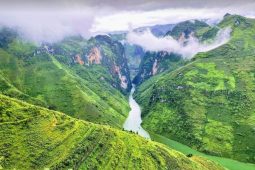
O Quy Ho dazzles with towering peaks, mist-filled valleys, and ever-changing vistas around each bend. Late afternoons cast a golden glow over the pass, while full moon nights turn it into an almost mythical landscape.
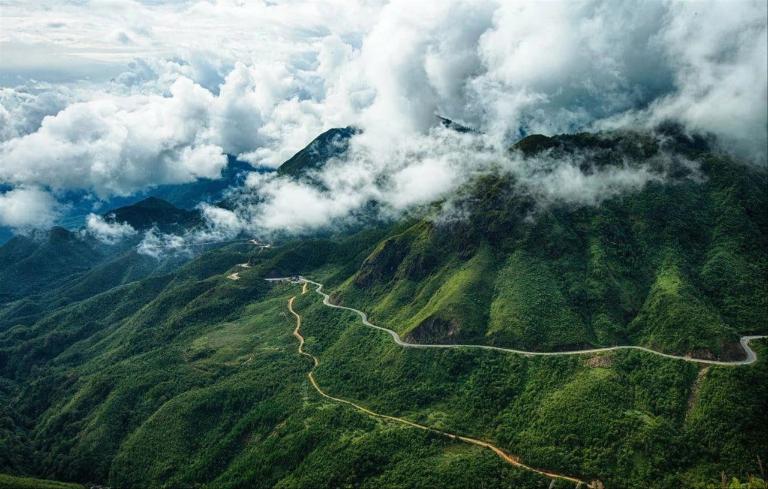
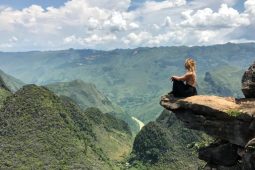
At many viewpoints along the road, travelers pause to capture photos or simply breathe in the crisp mountain air, feeling as if they’ve stepped into a living ink painting—grand, serene, and unforgettable.
>>> Discover Muong Hoa Valley: A Must-Visit Destination in Sapa
O Quy Ho’s Unique Jewels: The Unmissable Attractions
The O Quy Ho Pass is adorned with spectacular natural and man-made attractions, each offering a distinct reason to stop, gaze, and reflect.
Terrifying Mountain Passes
For visitors, O Quy Ho Pass, Vietnam’s longest mountain pass as of 2020 provides an exciting adventure. Deep, bottomless ravines spread out on one side; steep, craggy cliffs predominate on the other. Along the road, hazard signals alert drivers of the difficult terrain.
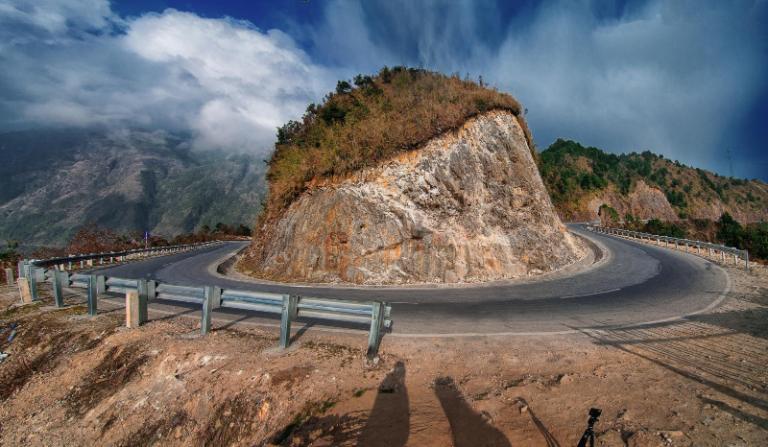
Traveling the pass is popular among many adventurers since the sun sets and blankets the terrain in a golden hue. Full moon evenings create a spectacular, almost legendary scene as the moon’s beams span the sheer cliffs. From some angles, it resembles a classic ink painting—grandi and enigmatic.
Waterfalls of Wonder: Silver and Love
At the base of O Quy Ho Pass, two stunning waterfalls await: Silver Waterfall and Love Waterfall. Silver Waterfall is a powerful cascade, renowned for its frothy spray and impressive size, making it one of Lao Cai’s most beautiful falls.
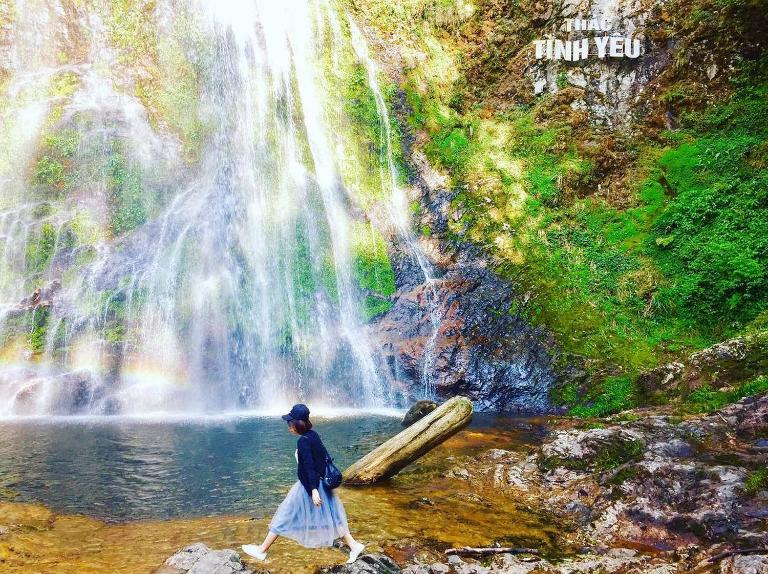
Love Waterfall, smaller and gentler, carries a romantic legend of the woodcutter O Quy Ho and a fairy, attracting couples and visitors seeking a softer, more intimate natural scene.
O Quy Ho Heaven’s Gate: Standing Above the Mist
The pinnacle of O Quy Ho Pass is Heaven’s Gate, a must-visit for any Sa Pa traveler. From here, you get sweeping, panoramic views of the Hoang Lien Son mountains, often shrouded in mist. Each season offers a new perspective—from golden terraced rice fields in autumn to sparkling rivers during the flood season.
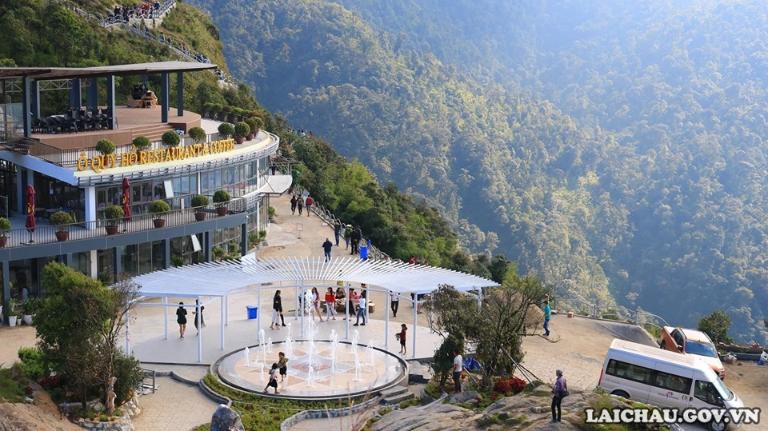
Nearby, the quaint O Quy Ho Café offers a cozy spot to enjoy a hot Vietnamese coffee while soaking in the misty mountain atmosphere. It’s the perfect place to pause, relax, and savor the highland scenery.
>>> How to Get to Sapa from Hanoi: Travel Options Explained
Cloud Hunting: The Magical Phenomenon at 2,073m
The summit of O Quy Ho Pass, at 2,073 meters above sea level, is often shrouded in a swirling sea of clouds, making it a top destination for cloud hunters and photographers.
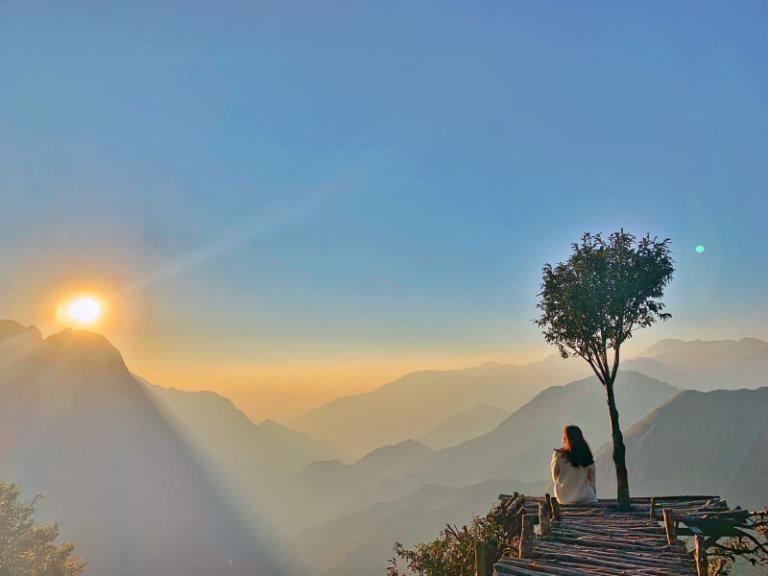
This natural phenomenon provides a stunning backdrop for capturing the mysterious grandeur of Vietnam’s northern mountains, especially during early morning or late afternoon when light and mist combine for unforgettable scenery.
A Test of Nerves: The Thrill of the Glass Bridge
For an adrenaline-pumping adventure, the O Quy Ho Glass Bridge, part of the Rong May Skywalk complex, awaits. Stretching 60 meters and suspended 500 meters above the valley, this engineering marvel offers a completely transparent walkway.
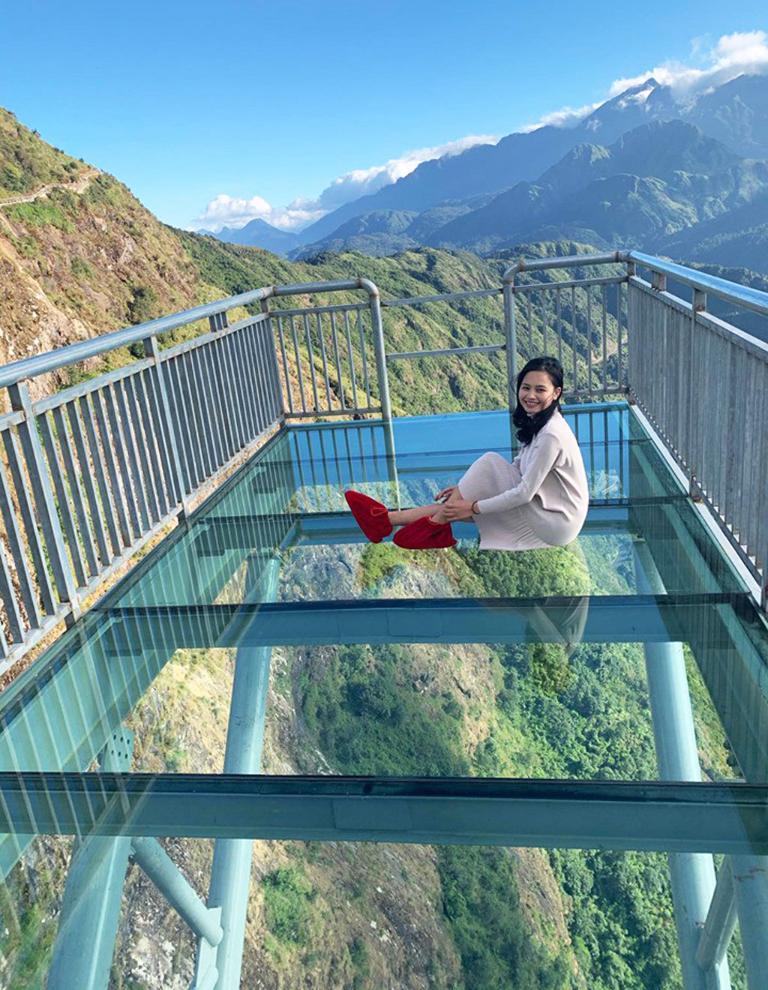
Walking across, visitors experience a thrilling sense of weightlessness, with clouds drifting beneath their feet and panoramic views of the surrounding mountains—an unforgettable, modern addition to the O Quy Ho experience.
>>> Sapa motorbike tours: The ultimate adventure in Vietnam’s majestic mountains
The Poetic Icon: The Lonely Tree of Sapa
Nestled on a small slope along O Quy Ho’s Lai Chau side, the Lonely Tree commands stunning views over a lush valley. Its solitary presence symbolizes resilience and strength, standing firm against the elements.
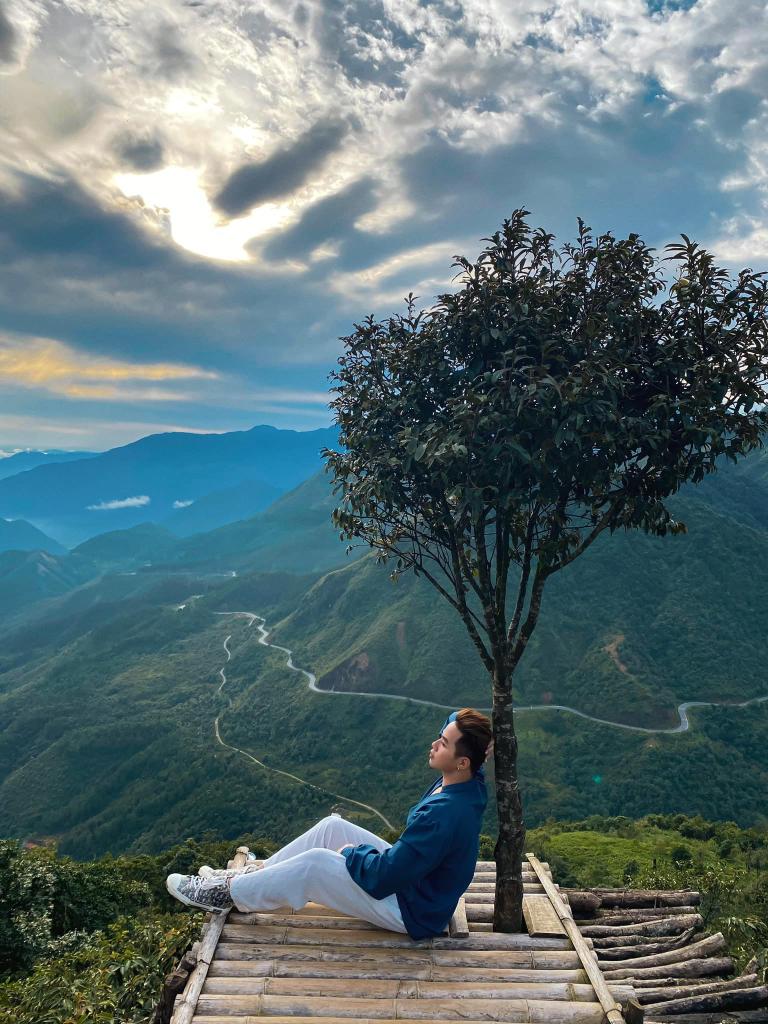
This iconic tree has become a magnet for photographers, offering a powerful, emotive subject that captures the raw beauty and quiet poetry of Sapa’s landscape.
Warmth and Flavor: Culinary Delights of the Highlands
Traveling along O Quy Ho Pass is also a journey through the highlands’ flavors. Small wayside stalls and eateries offer hearty dishes that warm you in the cool mountain air.

Classic treats include grilled skewers of meat, corn, sweet potatoes, and cassava; sticky rice cooked in bamboo; and grilled eggs. Regional specialties like smoked buffalo, wild boar, and free-range chicken let you taste the authentic, rustic flavors of the highlands while connecting with local culture.
How to Conquer the Pass: Routes and Transportation
Ready to take on the King? While the idea of riding a motorbike along Highway 4D is the classic, romantic way to experience O Quy Ho, modern options provide a safer and more practical approach for investigating this stunning region.
Recommended Routes: Hanoi to Sa Pa to the Pass
Most travelers begin their journey to O Quy Ho via Sa Pa, the main gateway to the pass. From Hanoi, you can reach Sa Pa by overnight bus, sleeper train, or car via the expressway.

From Sa Pa, O Quy Ho Pass starts just a few kilometers outside town, following National Route 4D west toward Lai Châu. Sa Pa is an ideal starting point, offering accommodation, supplies, and easy access to the pass.
Transportation Options
The classic way to conquer O Quy Ho remains on a motorbike—a thrilling, hands-on journey that lets you feel the wind and tackle every twist and turn. Many travelers include this route in Ha Giang motorbike tours, combining it with other mountainous adventures for an unforgettable experience.

For those seeking convenience, the Fansipan cable car offers high-altitude views without the full ride, descending via Silver Waterfall to meet Route 4D. Guided tours also provide insights into local history and culture, while most visitors start from Sa Pa, which serves as a convenient base with transport, accommodation, and supplies.
>>> Sapa – Ha Giang Route Travel Guide: Discover Vietnam’s Scenic Northeast
A Year of Beauty: Best Time to Visit O Quy Ho Pass
O Quy Ho boasts a unique beauty in every season, and the time you choose to visit will fundamentally shape the kind of experience you want. O Quy Ho Pass offers stunning scenery year-round, with each season shaping a distinct experience. In summer, the weather is cool and pleasant with lighter fog, ideal for extended tours focus on the Lao Cai side, as Lai Chau can get hot by midday.
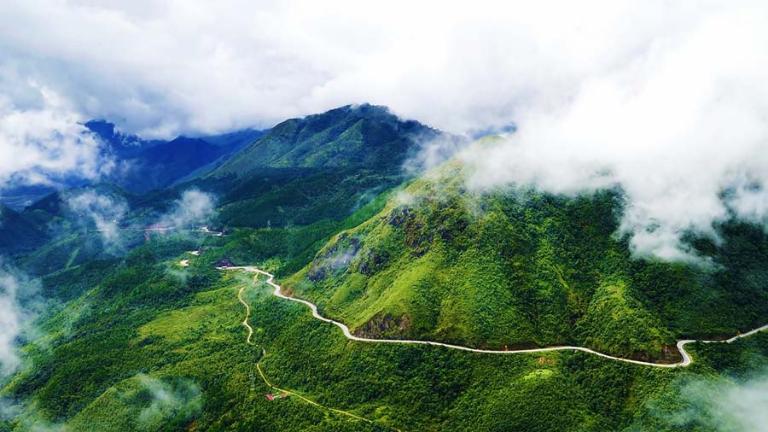
Winter brings dramatic, ethereal landscapes: heavy fog, occasional frost, and even rare snow on the Lao Cai side, while Lai Chau remains milder. For the most striking visuals, travel in the late afternoon to capture the golden light, or stay overnight to witness the magical sunrise over the misty mountains.
O Quy Ho Pass is an experience, a road trip via Vietnam’s natural beauties and cultural legacy, not only a pass. For any visitor wishing to discover the hidden beauty of northern Vietnam, O Quy Ho is a must-visit with its tall mountain views and exciting motorbike excursions as well as great cultural value.
Related Posts:
- Ham Rong Mountain Sapa: A Must-Visit for Nature and Culture Lovers
- Sapa Rice Fields: A Complete Guide to the Iconic Terraces of Vietnam
- Explore Sun World Fansipan Legend: The Thrilling Journey to Vietnam’s Roof
- Villages in Sapa: Discover the Heart of Northern Vietnam’s Culture and Beauty




Be the first to comment!