

Discover Vietnam’s Best Ethnic Villages: A Cultural Travel Guide
Vietnam is home to vibrant ethnic villages where traditions, crafts, and local lifestyles thrive. From colorful festivals to charming rural scenes, each village tells a unique story. Discover the best ethnic villages with MOTOGO Tours as your guide to these cultural treasures.
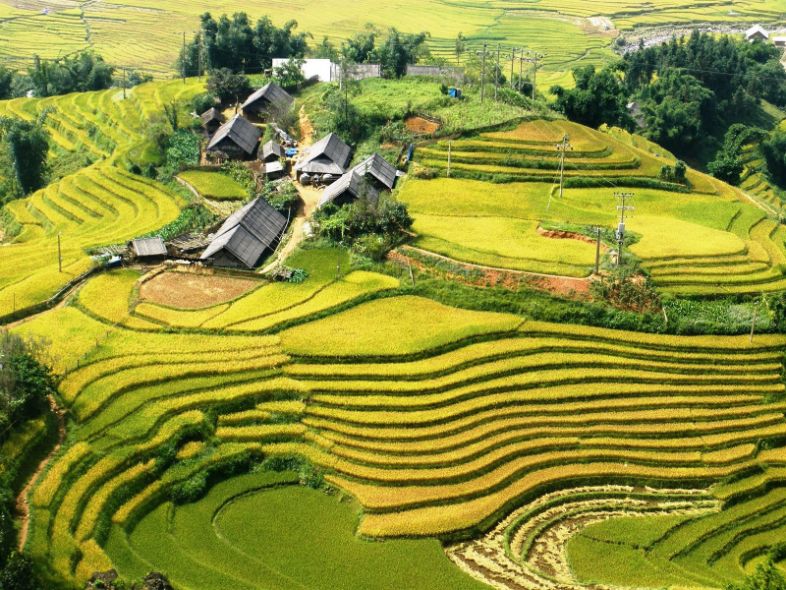
The Soul of the S-Shaped Land
Vietnam is a mosaic. While the Kinh people represent the modern nation, ethnic minorities form its soul. They hold the secrets of forests and the wisdom of mountains. Cultural travel here is not like visiting a museum; instead, it invites you to sit by a kitchen fire and hear stories that have remained unchanged for centuries.
Vietnam’s Ethnic Tapestry: A Deep Dive into the 54 Groups
Vietnam officially recognizes 54 ethnic groups. While the Kinh form the majority, the other 53 groups totaling over 14 million people create a brilliant spectrum of diversity. They belong to eight different language families, making the linguistic landscape as varied as the terrain itself.

The Major Groups and Their Geographical Distribution
In the Northern midlands and mountains, you will primarily encounter the Tay, Thai, H’mong, Muong, and Nung. Moving to the Central Highlands (Tay Nguyen), the Gia Rai, E De, and Ba Na dominate the landscape. Down in the Mekong Delta and the Southern coast, Khmer and Cham communities offer a unique cultural flavor shaped by Indianized civilizations.
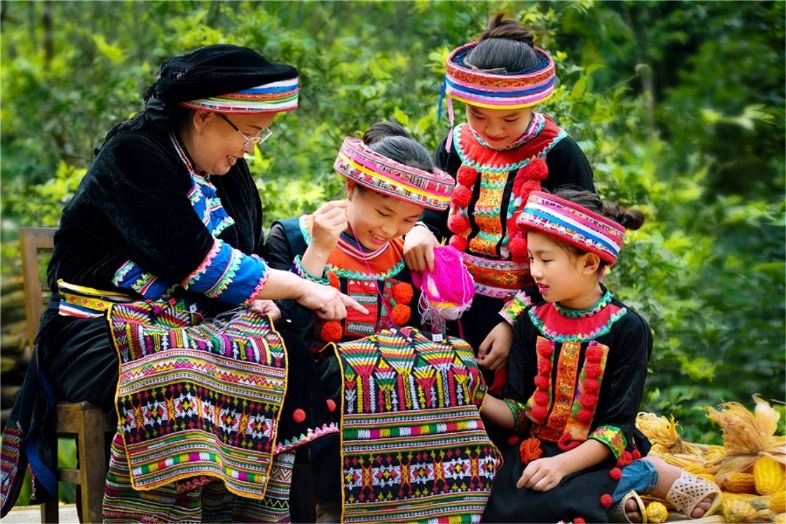
Distinctive Cultural Pillars: Costumes and Languages
Traditional attire makes discovering Vietnam’s ethnic villages visually stunning. For many groups, such as the Flower H’mong or Red Dao, their clothing is a hand-woven diary of history. Intricate embroidery and silver jewelry often indicate wealth and marital status.

>>> Du Gia Village: A Peaceful Retreat Amidst Nature’s Splendor
Northern Highlands: The Cradle of Ancient Traditions
The Northern Highlands offer stunning landscapes and rich cultural heritage. Diverse ethnic communities preserve ancient traditions, celebrate colorful festivals, and maintain unique ways of life.
Cat Cat Village
Just a short trek from Sapa town, Cat Cat Village is a Black H’mong settlement that blends history and culture. French colonial-era buildings stand alongside traditional stilt houses.
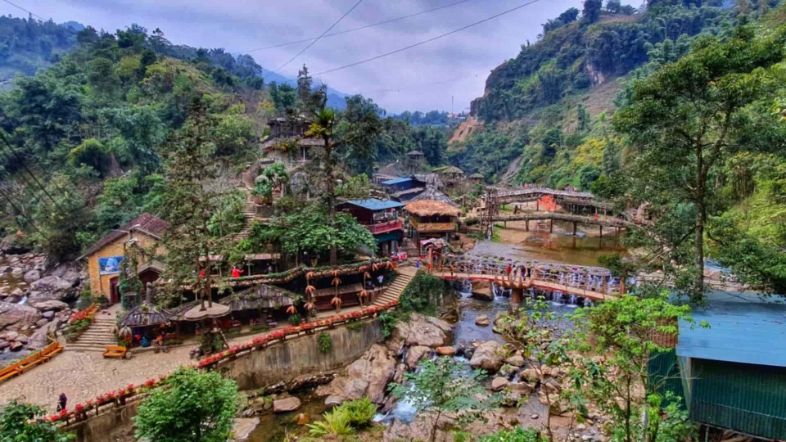
Moreover, the rhythmic hum of looms fills the air as women craft vibrant brocade using indigo dyes. In autumn, the terraced fields glow like molten gold, offering a breathtaking backdrop for sipping corn wine and enjoying highland life.
Ta Phin Village
A 12-kilometer drive from Sapa brings you to Ta Phin, home of the Red Dao people. They are easily recognized by their intricate red headdresses decorated with silver coins, a striking symbol of their culture.
The village is filled with the aroma of simmering herbs, used in their famous herbal medicine baths crafted from over 100 forest plants, a tradition rooted in ancient shamanism. Ancient rock carvings and hidden caves add a sense of mystery, telling stories of ancestors and forest spirits.
Lao Chai & Ta Van Village
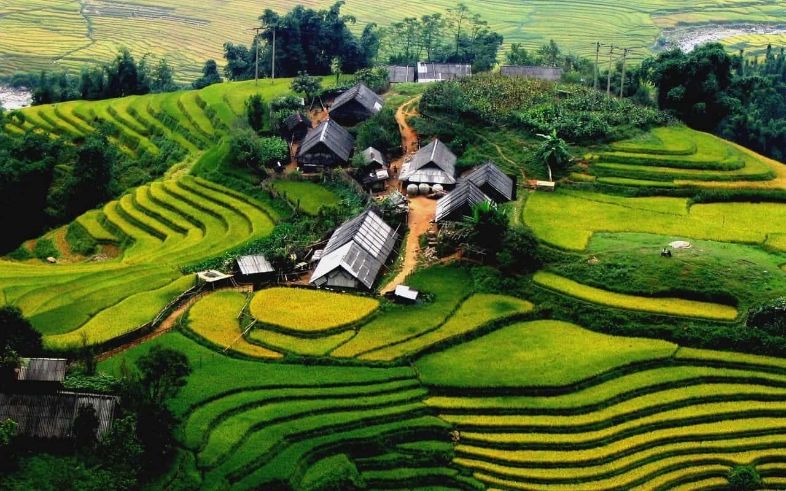
Connected by scenic mountain trails, Lao Chai and Ta Van villages showcase the region’s agricultural mastery. Lao Chai is renowned for its terraced rice fields, recognized as a UNESCO tentative site, while Ta Van is celebrated for its charming bamboo bridges spanning gentle streams.

Daily life revolves around communal farming, and visitors can join locals during rice harvest season in May or June. Wading through the cool paddies, you can learn to wield a sickle alongside families, experiencing firsthand the rhythms and traditions of highland life.
Lac Village
Lac Village, the cultural heart of Mai Chau valley, is known for its silk weaving, with White Thai women crafting intricate scarves and blankets using techniques passed down for generations. Evening dance performances, accompanied by gongs and flutes, bring the village to life, while lanterns cast a magical glow on traditional attire.
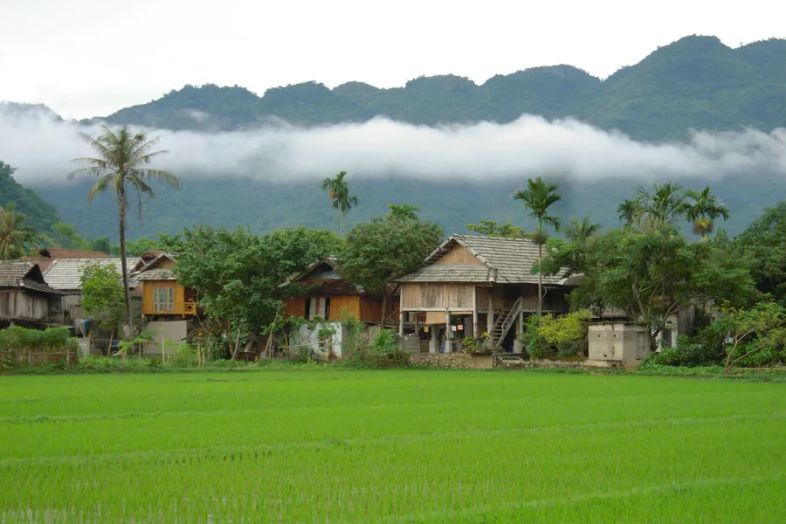
Visitors can explore the valley by bike, visit nearby caves, or join workshops in weaving and bamboo crafting. Homestays in stilt houses offer authentic experiences, from morning markets to traditional meals, and Tet celebrations showcase vibrant local traditions and communal festivities.
Lo Lo Chai Village
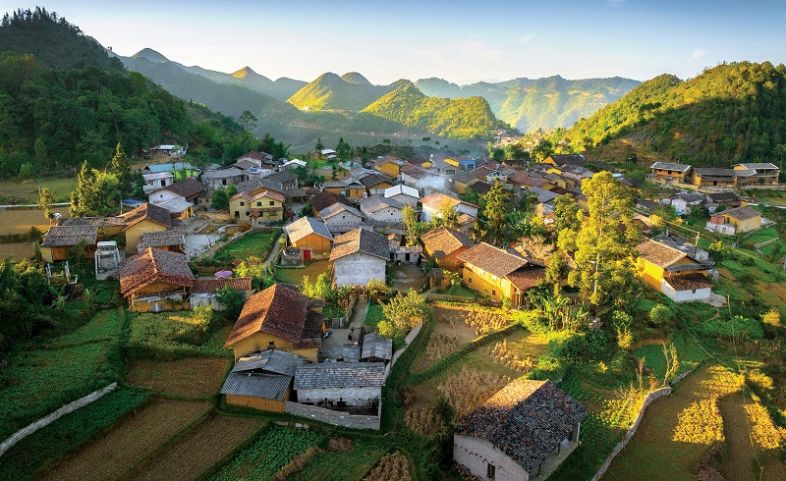
Nestled at the foot of Lung Cu Flag Tower, Lo Lo Chai is home to one of Vietnam’s smallest ethnic groups. Earthen wall houses, thatched roofs, and intricate carvings offer a glimpse into a bygone era. Visitors can climb Lung Cu Flag Tower, join weaving sessions, or explore markets while immersing themselves in local traditions.
>>> Thien Huong Village: The Century-Old Ancient Village at the Nation’s Edge
Dong Van Ancient Town
Dong Van, a historic market town in Ha Giang, showcases a blend of Hmong and Lo Lo cultures in its stone architecture and lively Sunday markets. Ancient streets are lined with 100-year-old houses, while local customs like the Lo Lo black-teeth tradition and shamanic drums make the town a vibrant cultural crossroads.
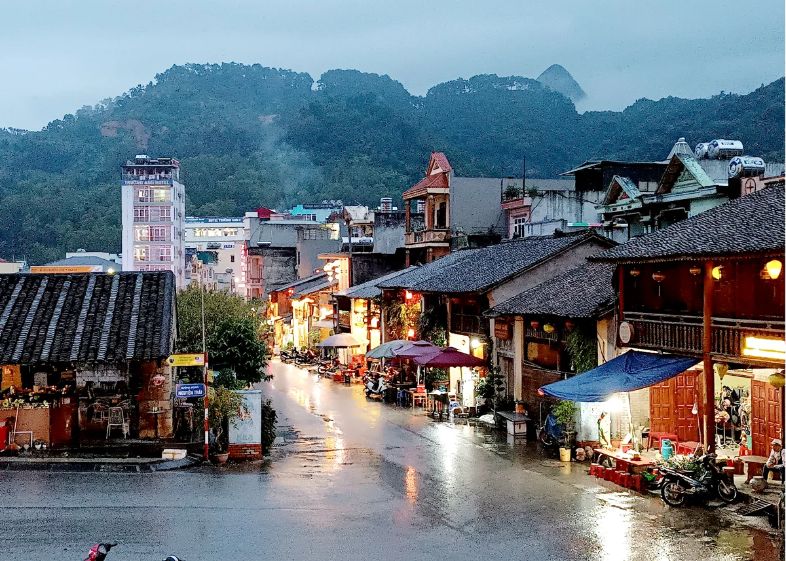
Visitors can explore markets for silver jewelry, trek to French forts overlooking the karst plateau, or join festival horse races. Homestays offer traditional meals like corn cakes with wild honey, paired with fireside storytelling. In winter, the town is shrouded in mystical fog, adding a magical atmosphere to this frontier gem.
Meo Vac Village
Perched near the dramatic Ma Pi Leng Pass, Meo Vac is home to a thriving Hmong community. The village is famed for its love markets, where singles court through songs and dances, and for terraced fields clinging to steep cliffs—a testament to local ingenuity.
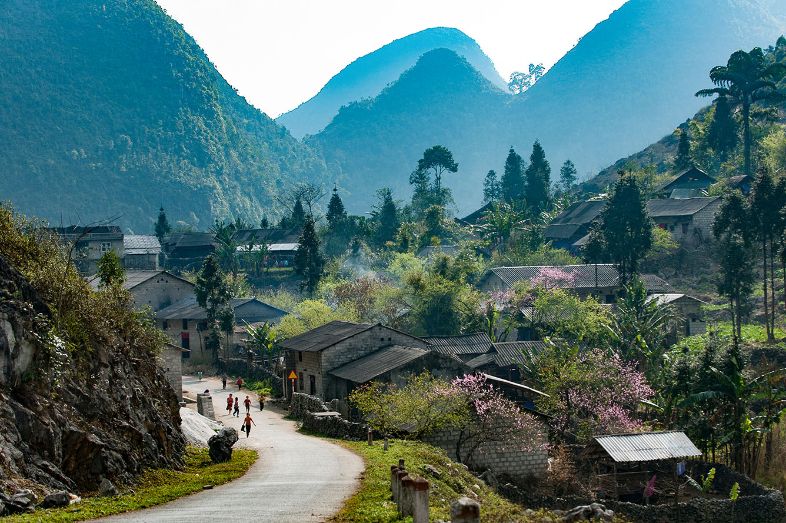
Visitors can explore lively markets filled with embroidered skirts and handmade flutes, hike for breathtaking views of the Nho Que River, or learn traditional embroidery from Hmong women. Homestays offer warmth and local cuisine, while seasonal highlights like winter buckwheat fields add a splash of pink to the landscape, creating an unforgettable highland experience.
Central Vietnam & Highlands: Legends of the Jungle
Central Vietnam are home to misty mountains, dense jungles, and rich ethnic traditions. Here, ancient legends and local crafts thrive amid untamed landscapes, inviting travelers to explore both culture and nature.
Bru-Van Kieu Village
Deep in the Truong Son mountains of western Quang Tri, the Bru-Van Kieu people live in close harmony with their land, offering visitors a glimpse of a rich spiritual heritage. Their stilt houses feature two doors: one for men, one for women with the Moong (hearth) at the center, serving as both kitchen and sacred spiritual hub.
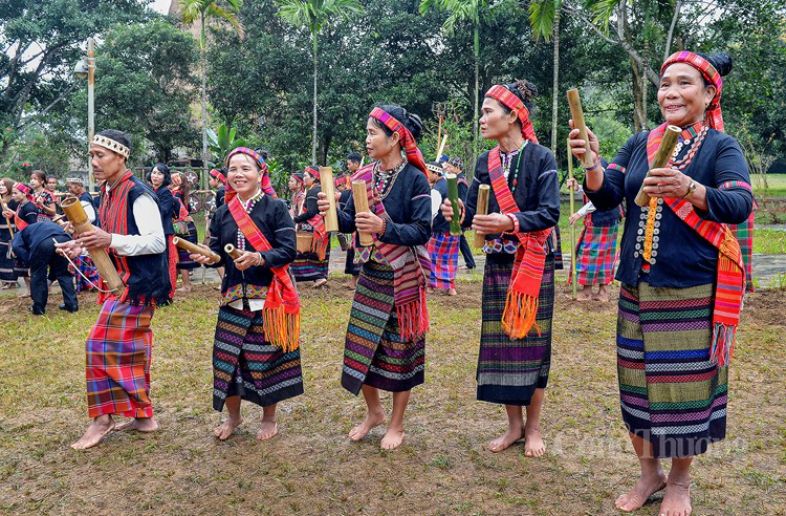
Visiting in October or November offers a special experience: the Rice Harvesting Festival. During this time, the community gathers to drink ruou can (straw wine) and play traditional drums, honoring the Rice God and celebrating the bounty of their fields.
H’re Village
The H’re people, speakers of a Mon-Khmer language, are renowned for their expertise in wet rice cultivation across the valleys of Quang Ngai and Binh Dinh. Their villages are marked by distinctive longhouses, with roof ridges adorned like buffalo horns—a tribute to their essential work animal.
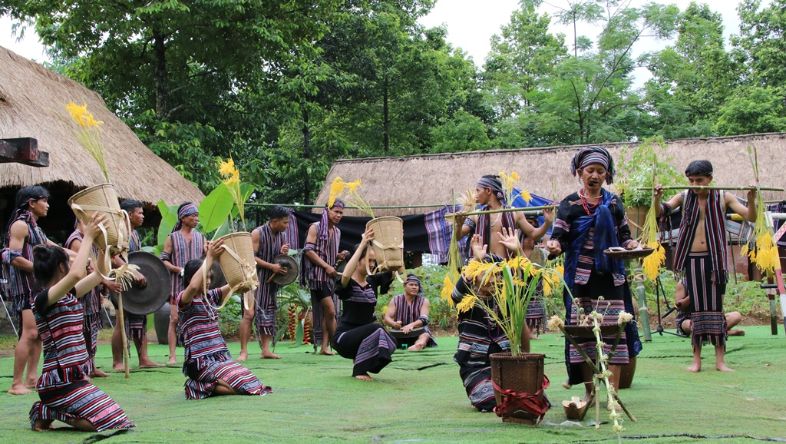
Music and ritual play a central role in H’re life. They are known for Kaleu and Kachoi songs, and their gongs (chiêng) are treasured, especially during buffalo sacrifice ceremonies that pray for health and prosperity. While historically sharing the surname “Dinh,” many H’re today also bear surnames like Nguyen, Ha, or Pham.
>>> Discover Top 18 Vietnamese Villages: Timeless Traditions and Unique Experiences
Xo Dang Village
In the misty landscapes of Mang Den, the Xo Dang people are embracing a cultural renaissance, transforming their traditions into sustainable tourism. Visitors can experience authentic stilt houses, forest-foraged meals, and the vibrant rhythms of local gongs and dances.
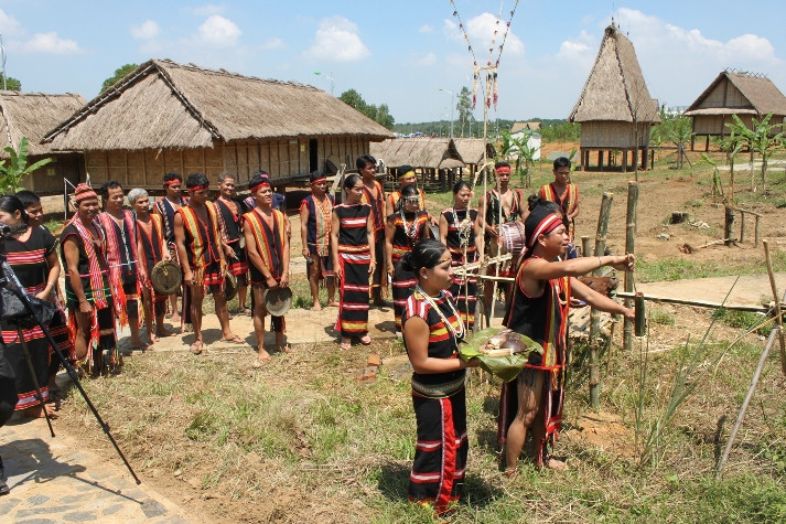
Vi Ro Ngheo village exemplifies this community-led effort. Each of its 63 households displays wooden gates adorned with orchids—over 1,000 in total. Guided by pioneers like A Hien, villagers maintain traditional performances and hospitality, earning a stable income while preserving the surrounding primary forest.
Ba Na Village
Perched over 1,000 meters above sea level, the Ba Na villages in An Toan commune are often cloaked in clouds, earning the nickname “the gateway to heaven.” About 90% of the population is Ba Na, preserving rich traditions and unique mountain lifestyles.

Their distinctive architecture includes hillside wooden silos for grain and the towering Rông House, the center of cultural rituals and communal gatherings. Villagers live in harmony with the forest, earning a living from harvesting wild honey and sim berries amid ancient trees.
Southern Vietnam: Rivers and Ancient Civilizations
Southern Vietnam is a land of winding rivers, fertile deltas, and ancient civilizations. From Khmer temples to traditional floating markets, the region blends rich history with vibrant culture, inviting travelers to explore its waterways, rice paddies, and timeless villages.
Cham Chau Giang Village
Located just across the river from Chau Doc, Cham Chau Giang Village is a unique Mekong Delta community blending Cham heritage from Malaysia, Indonesia, Cambodia, and the ancient Champa kingdom. The village is centered around the striking Mubarak Mosque, a national heritage site with white and green domes and crescent moon symbols, where life follows the Islamic calendar and festivals like Ramadan and Roja are celebrated.
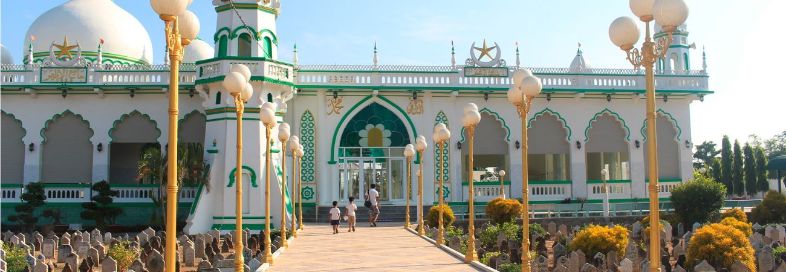
Visitors can watch elderly women craft intricate silk patterns on traditional looms and explore stilt houses, respecting areas designated for women. Modest dress and seeking permission before entering the mosque ensure a respectful and immersive experience in this vibrant Islamic community.
Gia Rai Village
The Gia Rai live in close connection with ancestral spirits, creating a culture where the line between the living and the dead is deeply respected. Valleys and villages are filled with traditions that honor both life and the afterlife.
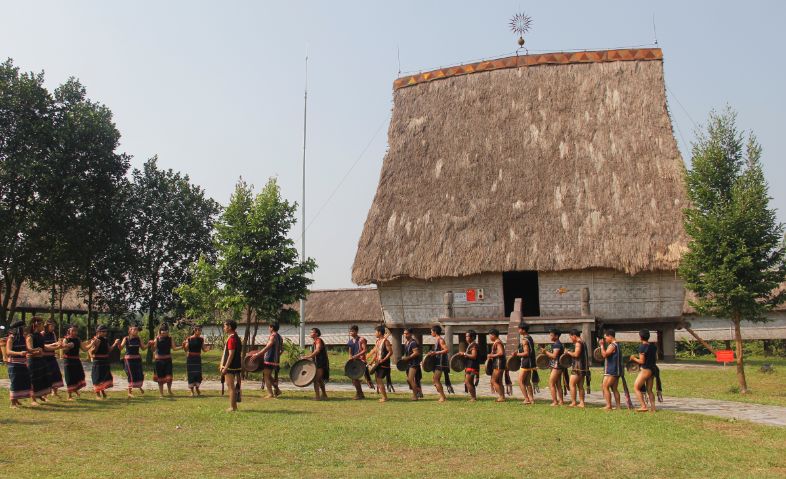
Their most renowned ritual is the Pơ-thi (Grave Abandonment) ceremony, a final farewell to the deceased. Tomb statues—wooden figures carved with intricate expressions of joy, sorrow, and protection—accompany the departed into the afterlife, guarding them from evil spirits and preserving the community’s spiritual heritage.
>>> TOP 15 Traditional Craft Villages in Vietnam: Heritage and Artistry
Xtiêng Village
The Xtiêng (or Stiêng) people, numbering over 100,000, primarily live in Binh Phuoc and have a deep connection to the forest. Traditionally, they resided in long stilt houses that sheltered multiple generations, reflecting their communal lifestyle and resilience.
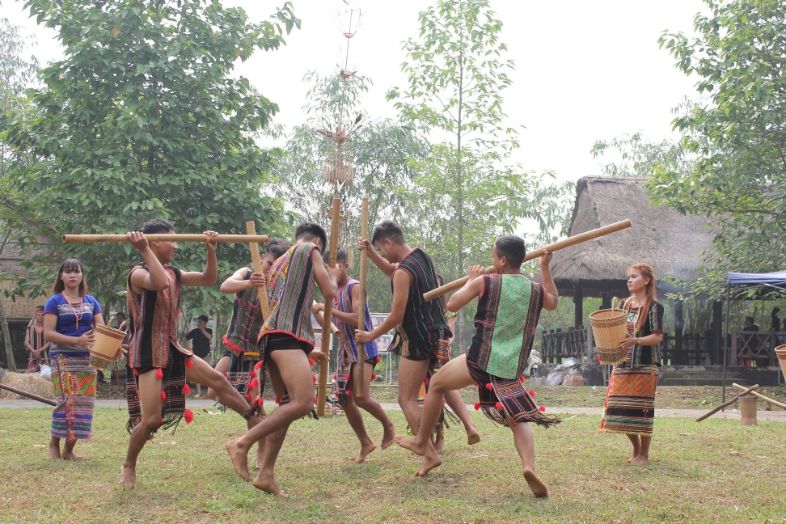
Their society was historically divided into three classes: the wealthy (bu khưng), the free poor (lươi), and servants (kon đek). Cultural highlights include the Buffalo Stabbing Festival, Gong and Chiêng music, and the Straw Offering Ceremony after the harvest, preserving rituals that honor gods and the land even as modern houses become more common.
Jun Village & M’Liêng Village
Nestled along the shores of legendary Lake Lắk, and Buôn M’Liêng are home to the M’nông people and the tale of hero Lắk Liêng, who discovered the lake to save his community. The villages are rich in culture, with traditional 25-meter-long stilt houses preserving their ancestral lifestyle.
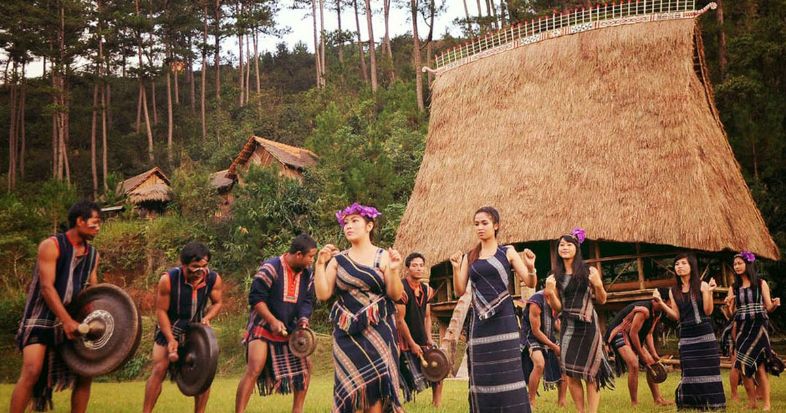
Elephants hold a special place in M’nông life, treated as family members with their own names and ceremonial offerings. Visitors can also witness remnants of ancient salt-making from lake algae and enjoy homestays and boat trips, experiencing a blend of tradition and sustainable tourism.
Essential Travel Tips for Your Trip
Planning a trip can be exciting but also overwhelming. These essential travel tips will help you navigate new destinations, stay safe, save time, and make the most of every experience. Whether it’s packing smart, understanding local customs, or finding the best transport options, a little preparation goes a long way.
Navigating Local Etiquette: The Do’s and Don’ts
Cultural norms vary significantly between the 54 ethnic groups. What is polite in a Kinh household may be a taboo in a H’mong or Cham home.
- Ask Before You Snap: Ethnic minorities are often proud of their heritage, but some believe photography can affect their soul or capture their spirit. Always ask “Can I?” with a smile and a nod.
- The Sacred Hearth: In Bru-Van Kieu and Xo Dang homes, the kitchen fire (Moong) is sacred. Never step over the hearth or throw trash into it.
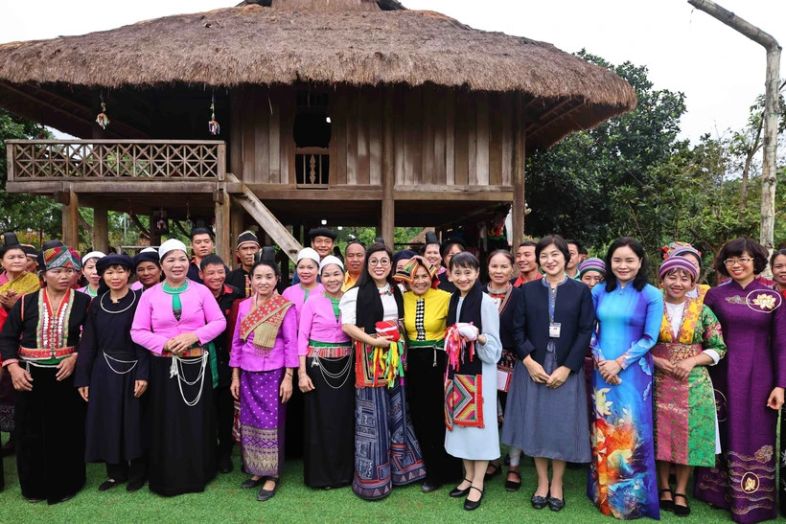
- Stilt House Protocol: When entering a stilt house in Mai Chau, look for a threshold. Never sit with your back to the family altar or point your feet toward it, as feet are considered the lowest part of the body.
- Gendered Spaces: In Cham Chau Giang, be aware that certain areas of the stilt house are reserved for women. If you are a male traveler, wait for an invitation before entering inner rooms.
>>> Traditional Craft Villages in Ninh Binh: Discovering Artisans and Their Creations
Ethical and Responsible Engagement
Your presence should benefit the community rather than disrupt it.
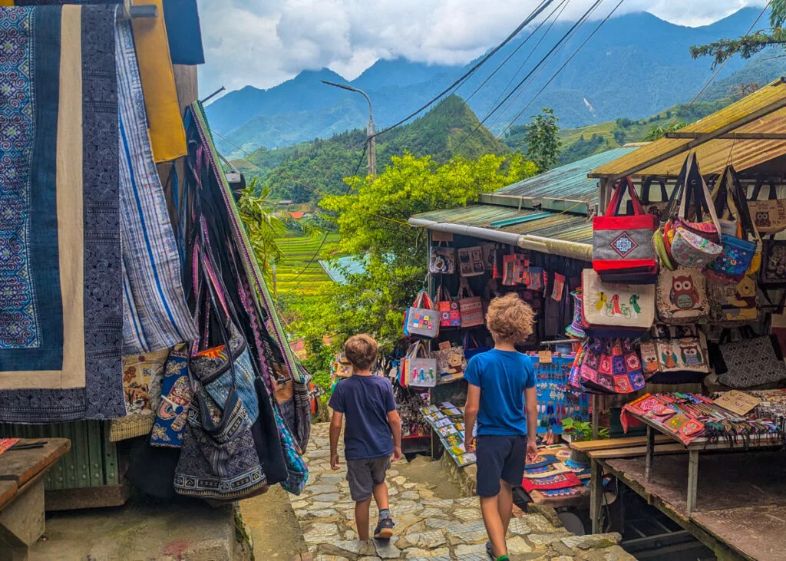
- Avoid the “Candy Trap”: It is tempting to give candy or small change to children in villages like Cat Cat or Ta Phin. However, this encourages begging and causes dental issues in areas without access to dentists. Instead, donate books, pens, or warm clothes to the local school or the village head.
- Support Local Artisans: Purchase handicrafts directly from the maker. Whether it is Xtiêng basketry, White Thai “tho cam” weaving, or Cham silk, buying at the source ensures the money stays within the community.
- Responsible Elephant Interaction: In Dak Lak, prioritize observation and education-based experiences. Supporting conservation programs over traditional riding helps the transition toward modern animal welfare standards.
Logistics and Connectivity
- Offline Maps: Mobile signals are notoriously spotty in the limestone gorges of the North and the deep forests of the Central Highlands. Download Google Maps for offline use before you leave your hotel.
- Cash is Queen: Most ethnic villages operate on a cash-only basis. Ensure you have enough Vietnamese Dong (VND) in small denominations for homestays, meals, and local markets.

Vietnam’s diverse landscapes, rich cultures, and vibrant ethnic communities offer an unforgettable journey for every traveler. From the misty highlands of the North to the lush deltas of the South, each village and region tells its own story, blending tradition, nature, and daily life. By exploring responsibly, respecting local customs, and immersing yourself in authentic experiences, you’ll not only witness the beauty of Vietnam but also create lasting memories that go beyond sightseeing.
Related Posts:
- Cat Cat Village Sapa: How to Experience the H’mong Heritage
- Villages in Ha Giang: Explore the Hidden Gems of Northern Vietnam
- La Pan Tan Village: A Scenic Gem in the Heart of Yen Bai’s Rice Terraces
- Villages in Sapa: Discover the Heart of Northern Vietnam’s Culture and Beauty







Be the first to comment!