

Ha Giang to Dong Van: Ultimate Travel Guide & Scenic Route Tips
Traveling from Ha Giang to Dong Van is an unforgettable journey through some of Vietnam’s most stunning landscapes. From winding mountain passes to picturesque villages, every turn offers a new adventure. MOTOGO Tours proudly presents this ultimate travel guide.
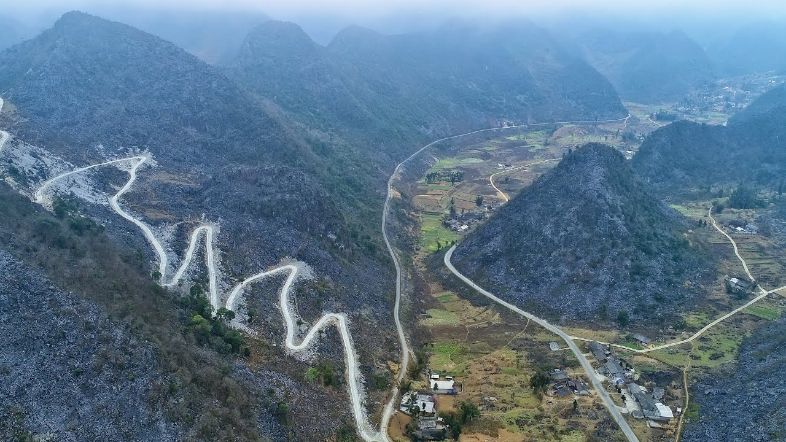
Introduction to the Epic Journey North
Embark on an unforgettable adventure through the rugged landscapes of northern Vietnam. From towering mountains to winding rivers and vibrant local villages, the journey north promises breathtaking scenery, rich culture, and experiences that will stay with you long after the trip ends.
Ha Giang to Dong Van: Travel Distance
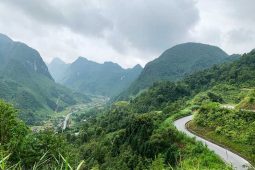
The journey starts in Ha Giang City, the province’s administrative hub, and winds north to Dong Van District, Vietnam’s northernmost region bordering China. Dong Van features a dramatic transition from lush foothills to high-altitude karst peaks shaped over millions of years.
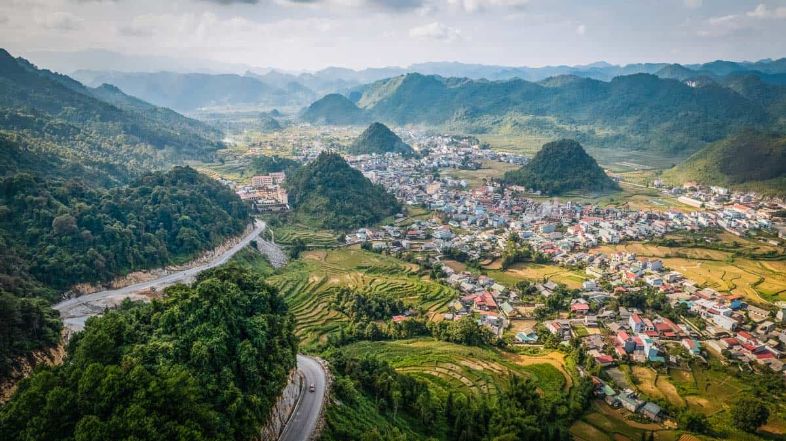
Although Ha Giang City and Dong Van are only about 150 kilometers (93 miles) apart on the map, the journey is far from a simple drive. With hundreds of hairpin turns, steep inclines of up to 10%, and occasional livestock crossing the road, average speeds are often just 25–30 km/h. Travelers should expect to spend 5–6 hours on the route, though most prefer to stretch the trip over a full day to fully enjoy the scenery.
Defining Characteristics of Dong Van: The Land of Ancient Stone
Dong Van is a land where “the stone blooms.” Dominated by rugged grey limestone covering nearly 80% of its surface, the region may look harsh at first but it is full of life and culture.
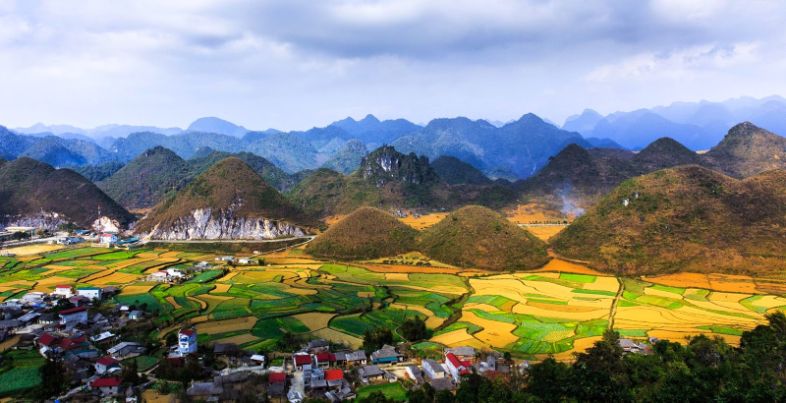
What makes Dong Van truly special is the harmony between its challenging landscape and its resilient people. Ethnic groups like the Hmong, Tay, and Lo Lo cultivate tiny patches of soil among jagged rocks, while the unique “trinh tuong” houses, with thick clay walls and yin-yang tiled roofs, stand as a testament to highland ingenuity. From the ancient streets of Dong Van Ancient Town to its vibrant Sunday markets, the district is a living showcase of ethnic heritage and geological wonder.
>>> Ha Giang Loop Travel Guide for Couples: Tips and Highlights
Travel Options: How to Conquer the Road to Dong Van
There are several ways to make the journey from Ha Giang to Dong Van, each offering a different experience. Whether you prefer the freedom of a motorbike, the comfort of a private car, or the convenience of a guided tour, the road promises stunning scenery and unforgettable adventures at every turn.
The Adventurous Spirit: Renting a Motorbike
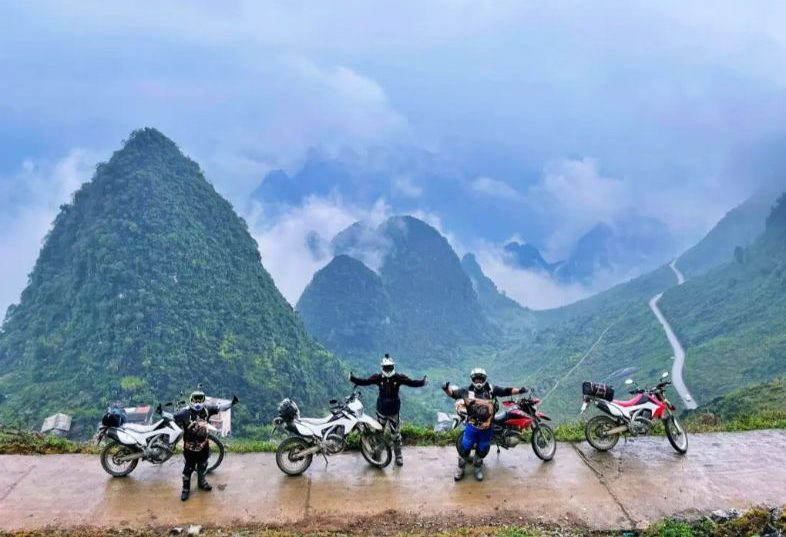
For the purists, there is no other way. Riding a motorbike allows you to feel the change in temperature as you climb the mountains and smell the woodsmoke from the ethnic villages. It offers total freedom, if you see a hidden trail, you can take it. Ha Giang motorbike tours are perfect for travelers looking for adventure and flexibility, letting you explore every twist and turn of the legendary Ha Giang Loop at your own pace.
Rental Costs and Recommended Providers: If you prefer the freedom of a solo mission, MOTOGO is the premier platform for self-drive rentals. They solve the biggest headache for travelers: finding a bike that won’t break down on a mountain pass.
- Yamaha Sirius 110cc – Helmets, Armor, Dorm Bed – 180,000 VND/day
- Honda Blade 110cc – Helmets, Armor, Dorm Bed – 180,000 VND/day
- Honda XR 150cc – Helmets, Armor, Dorm Bed – 550,000 VND/day
Renting a bike is simple, but remember that MOTOGO specifically serves tourists visiting Ha Giang.
- Eligibility: Motorbike rentals are exclusively for tourists visiting Ha Giang.
- Required: You are required to leave your ID Card, Driver’s License or another form of original personal identification. Alternatively, a cash deposit can be provided in place of leaving your original identification documents.
- Main Office: Group 1, Cau Me Village, Phuong Thien, Ha Giang (near the bus station).
- Delivery: They can deliver the bike directly to your location in Ha Giang city.

The Stress-Free Adventure – Motorbike Tours
Maybe you want the motorbike experience but aren’t confident in your riding skills. Or perhaps you just want to look at the view without worrying about falling off a cliff. This is where the Ha Giang motorbike tour comes in.
The Perks of Having a Local “Easy Rider”: Booking a local Easy Rider gives you a driver who knows every twist of the road, plus acts as your translator and photographer. They also share insider stories about the Tay, Hmong, and Lo Lo cultures that you won’t find in guidebooks.
Ha Giang Loop Tour Packages and All-Inclusive Pricing
For travelers seeking adventure and cultural immersion, MOTOGO Tours offers unforgettable journeys through Ha Giang. These tours are ideal for international adventurers looking for excitement and cultural immersion. You will stay in homestays, savor traditional cuisine, and visit nearby marketplaces.
- 3 Days 3 Nights Ha Giang Loop Tour: This journey transports you through winding mountain roads and energetic ethnic culture. Perfect for those with a tighter schedule.
- 4 Days 4 Nights Ha Giang Loop Tour: Our most popular option! It leads you to Vietnam’s most far-off areas, allowing you to investigate hidden beauties at your own speed.
Comfort and Convenience – Taking the Bus
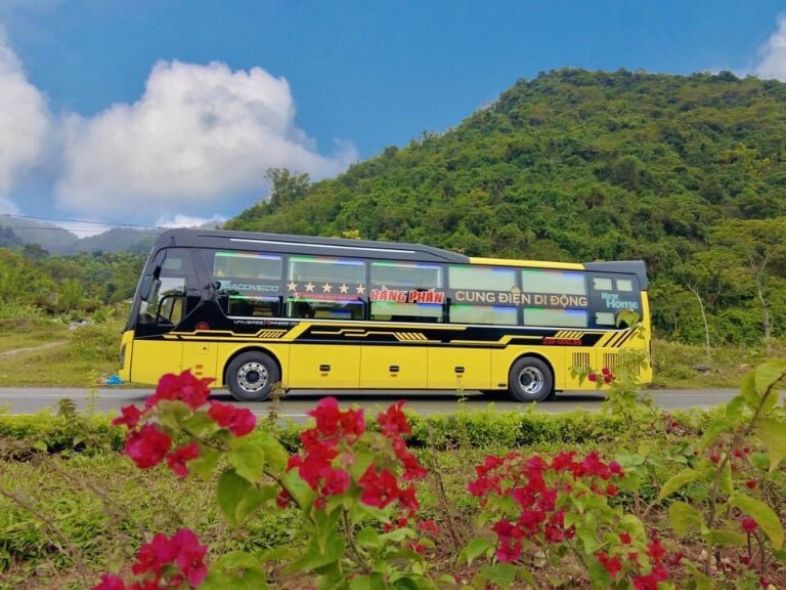
If motorbikes aren’t your preference, traveling from Ha Giang to Dong Van by local bus is a cost-effective option, ideal for solo travelers or small groups of 1–2 looking for a true local experience.
- Ticket price: 100,000 – 150,000 VND per person
- Travel time: 4–5 hours
- Departure window: 5:00 AM – 1:00 PM
Advantages: Taking the local bus is the cheapest way to reach Dong Van, making it ideal for travelers on a tight budget. In addition, it offers an authentic experience, allowing you to see daily life in northern Vietnam up close.
Disadvantages: The journey may require multiple bus transfers, which can be inconvenient. Communication with drivers can also be challenging if you don’t speak Vietnamese. Most importantly, you won’t have the flexibility to stop at scenic viewpoints along the famous “Happiness Road.” The windows might be dusty, and you can’t ask the driver to stop every time you see a pretty flower. It’s purely about getting from point A to point B.
>>> Ha Giang Restaurant: A Complete Guide for Travelers
Privacy and Power – Driving a Personal Car
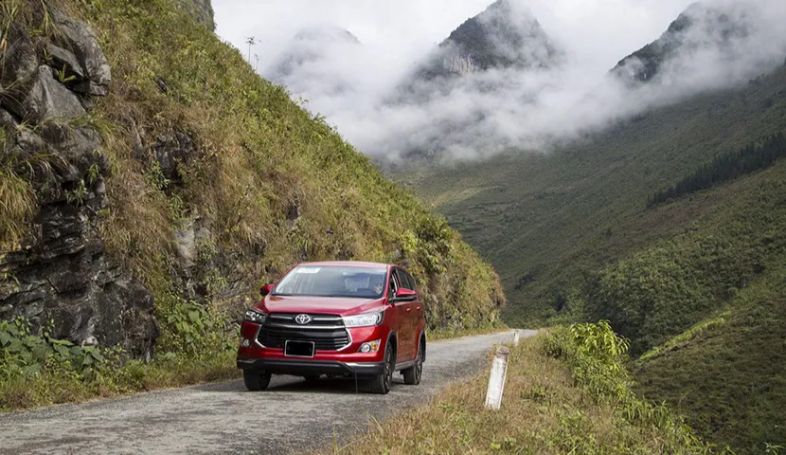
Driving a car offers comfort, privacy, and climate control, but there are important things to consider:
- Road conditions: The Ha Giang to Dong Van road is narrow and winding. You must be skilled at maneuvering tight spaces, especially when encountering large trucks or buses on blind curves.
- Fuel cost: Approximately 1,500,000 VND for a round trip.
- Safety vs. adventure: A car is generally safer than a motorbike, but it is less adventurous since you are separated from the mountain air.
- Recommended vehicle: High ground clearance vehicles, like SUVs, are ideal for handling potholes and occasional road construction, particularly in the rainy season.
Other Top Attractions You Should Visit
Beyond the main highlights of the Ha Giang Loop, the region is full of hidden gems waiting to be discovered. From scenic valleys and majestic mountain passes to vibrant local villages, these attractions offer unforgettable views and a deeper glimpse into northern Vietnam’s culture and natural beauty.
Quan Ba: Heaven’s Gate and the Twin Mountains
As you leave Ha Giang City, the road ascends sharply to Quan Ba Heaven Gate, sitting at an altitude of about 1,000 meters. This mountain pass is considered the symbolic gateway to the northern karst plateau, offering panoramic views of the surrounding valleys and villages.
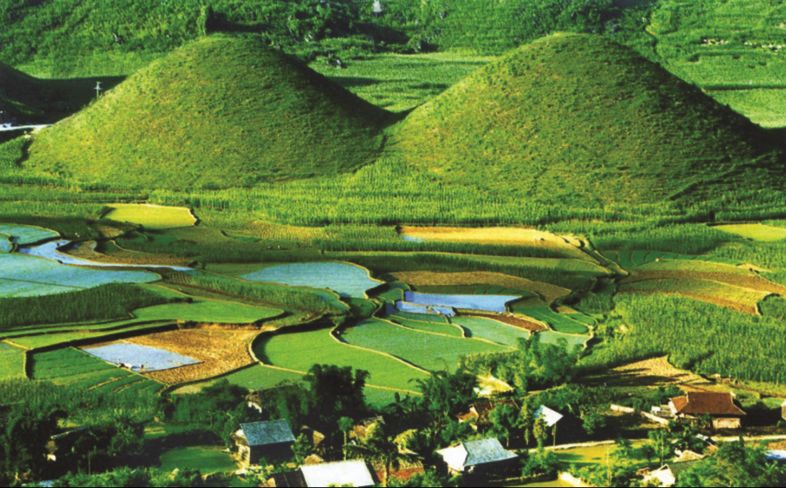
From the viewpoint, the Twin Mountains come into full view—two near-identical limestone cones rising dramatically from the valley floor. Revered in Hmong folklore as sacred peaks, they are also geologically significant, shaped over millennia by erosion and weathering, making them a unique highlight of the Ha Giang landscape.
Yen Minh: The Whispering Pine Forests
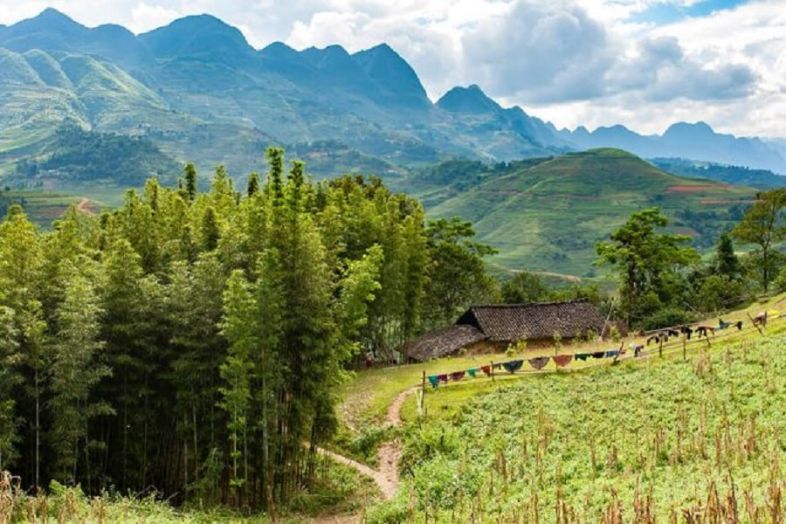
The terrain softens as you reach Yen Minh, known for its rolling hills blanketed with tall, green pine trees reminiscent of European landscapes. The air is cooler here, carrying the fresh scent of resin, making it the perfect spot for a mid-journey break to enjoy the peaceful forest before the road climbs back toward the rugged, jagged cliffs.
Tham Ma Pass: The Iconic Nine-Turn Pass
Tham Ma Pass is one of the most photographed spots in northern Vietnam, famous for its nine sharp, zig-zagging hairpin turns that challenge any vehicle’s engine.
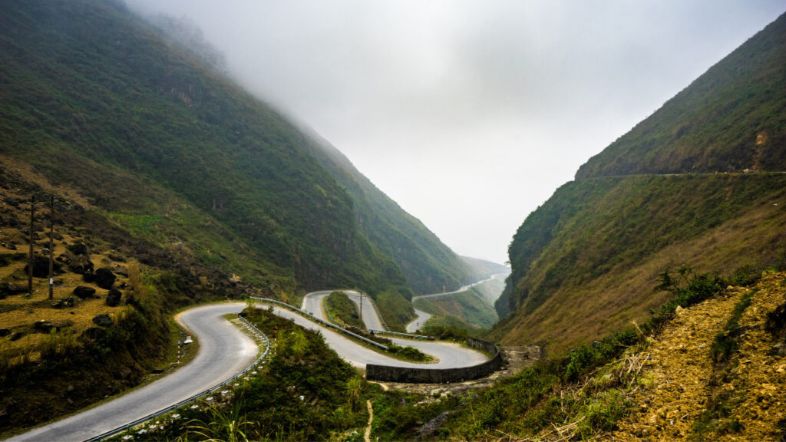
Historically used to test the strength of horses, the slope today offers a stunning backdrop for travelers. Along the way, you’ll often see local ethnic minority children and women in traditional dress, providing a vivid glimpse into the daily life of the highland tribes.
Sung La Valley and Pao’s House
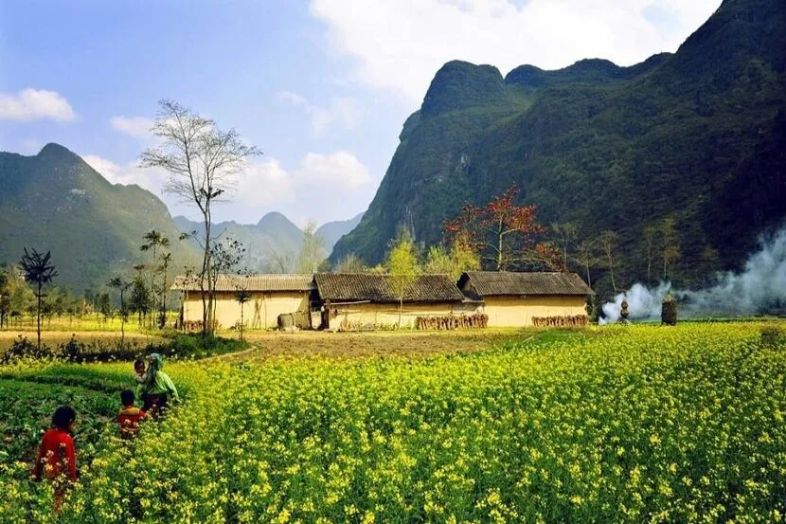
Sung La Valley, often called the “place where the stone blooms,” is a stunning oasis of green fields and traditional architecture. A highlight of the valley is Pao’s House, a century-old earthen home with a walled courtyard, famously featured in the film The Story of Pao. The valley becomes especially enchanting during buckwheat flower season, when grey limestone cliffs are blanketed with pink and purple blossoms.
Ma Pi Leng Pass and the Sky Path
Ma Pi Leng Pass, often called the “King of Passes” in Vietnam, offers breathtaking views of the Nho Que River winding through the deep Tu San Canyon below.
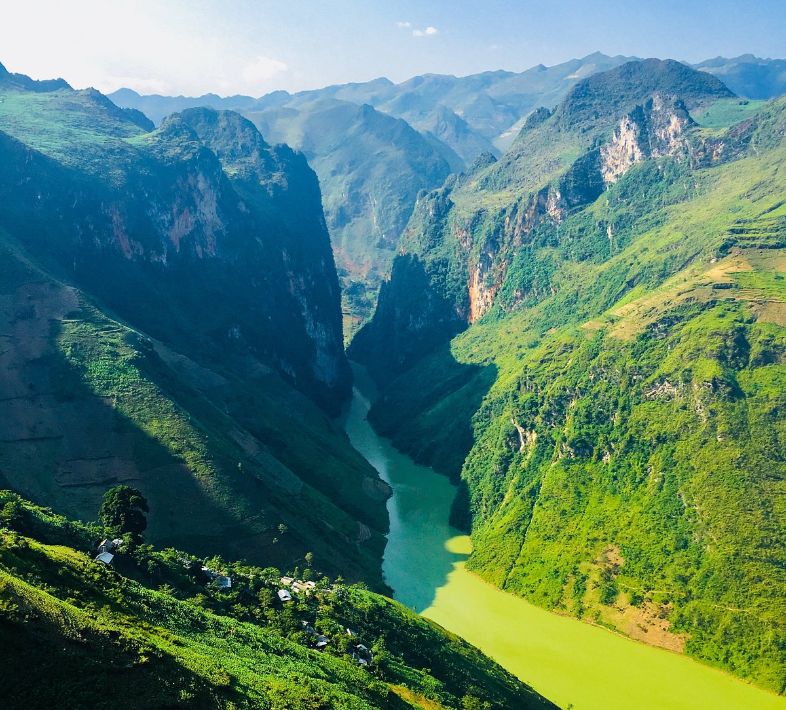
For adventure seekers, the Sky Path lets you walk along the cliff edge, providing a panoramic view of emerald waters and towering limestone walls. This is widely regarded as the most dramatic section of the entire Ha Giang Loop.
Du Gia Village and the Hidden Waterfall
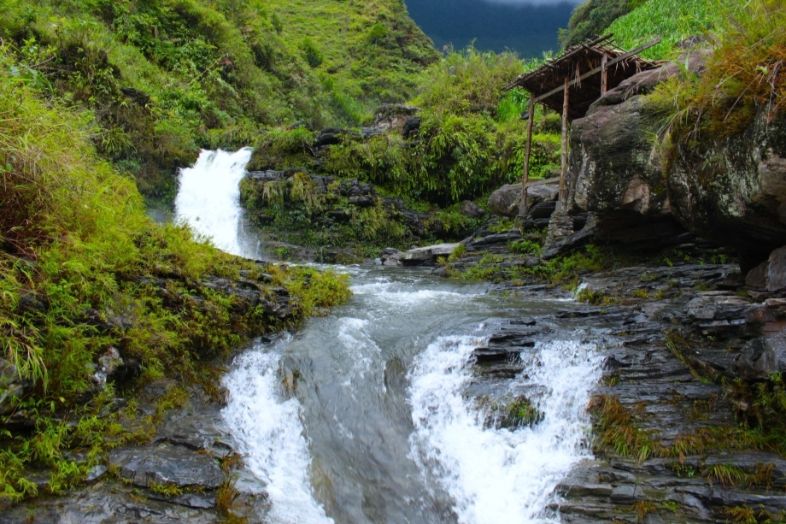
Du Gia is a tranquil commune nestled in a valley of lush rice fields, offering a peaceful escape from the high mountain peaks. A short trek from the village leads to a secluded waterfall, perfect for swimming and relaxing after days of riding through Ha Giang’s dramatic landscapes.
Lung Tam Village
On the return journey toward Ha Giang City, Lung Tam Village is a must-visit for anyone interested in traditional Hmong crafts. The village is renowned for its skilled artisans who have preserved age-old techniques for generations.
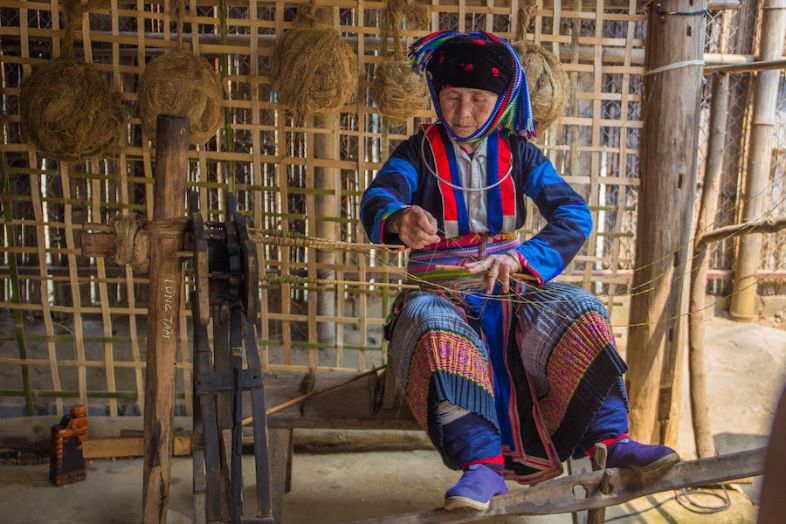
Hmong women here specialize in linen weaving, turning locally grown hemp into intricate, hand-dyed fabrics. Visitors can observe each step of the process—from spinning the fibers to weaving and applying beeswax patterns (batik)—gaining a deeper appreciation for the labor-intensive craftsmanship that defines the region’s cultural heritage.
Safety Tips for Navigating the Ha Giang Loop
- Check the Weather: Rain makes the limestone roads incredibly slippery. If it’s pouring, wait it out.
- Horn on Curves: In Vietnam, the horn isn’t an insult; it’s a “hello, I’m here, please don’t hit me” signal. Use it on every blind curve.
- Licenses are Key: If you’re driving, carry your International Driving Permit (IDP). Police checks are common, and safety is paramount.
- Fuel Up: Gas stations can be sparse once you get deep into the mountains. If you see one and your tank is half empty, fill it up!
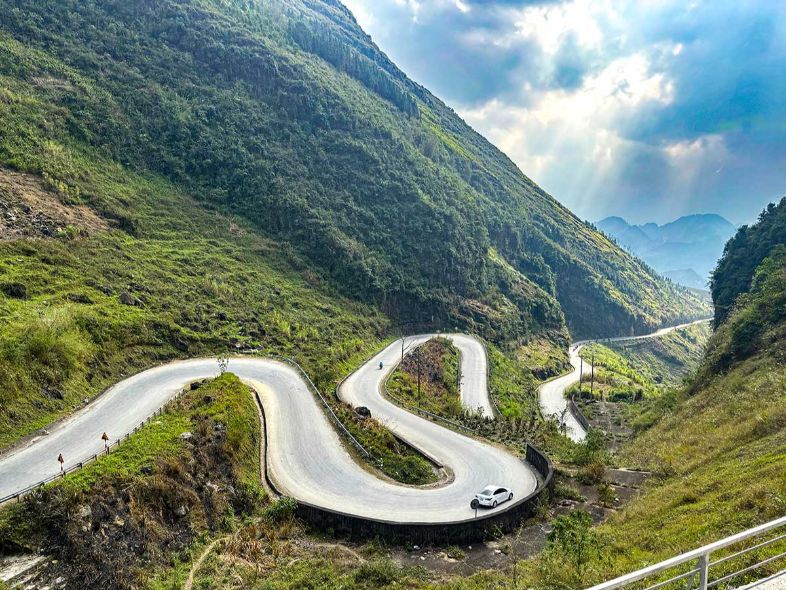
The journey from Ha Giang to Dong Van is more than a trip—it’s a rite of passage. Whether you ride a motorbike, join an Easy Rider tour, or travel by bus or car, the jagged limestone peaks and warm smiles of the locals will leave a lasting impression. Are you ready to head north along the legendary “Happiness Road”?
Related Posts:
- Ha Giang to Ninh Binh: Scenic Routes, Tips, and Must-See Stops
- Ha Giang to Sapa: The Ultimate Travel Guide for First-Time Visitors
- Discover the Best Things to Do in Ha Giang Loop
- Guide to Accommodation in Dong Van: Best Hotels and Homestays
- Explore The Majestic Beauty of Dong Van District in Ha Giang







Be the first to comment!