

The Ultimate Guide to Ha Giang Loop 2026
The Ha Giang Loop is a beautiful road trip in the far north of Vietnam that has won the hearts of travelers from all over the world. The Ha Giang Loop is sure to be an adventure like no other with its twisting mountain roads, tall limestone peaks, and colorful ethnic villages. MOTOGO Tours will tell you everything you need to know to plan your trip in this ultimate guide. We will tell you when the best time to ride is and what sights you can’t miss along the way.

Why Ha Giang Loop Is Vietnam’s Most Iconic Road Trip?
The Ha Giang Loop would definitely be the crown jewel for adventure seekers in Vietnam. Ha Giang is not like the famous Ha Long Bay or the busy streets of Ho Chi Minh City. It is a wild, unspoiled place where nature, culture, and excitement come together in the most memorable way.
Unmatched Scenery That Changes Every Hour
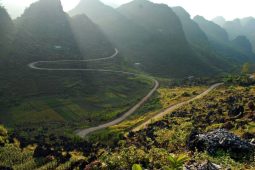
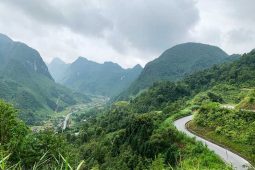
Think about driving on a road that winds and twists through tall limestone karsts, rolling emerald hills, and terraced rice fields that seem to go on forever. The Ha Giang Loop is more than just a ride; it’s a constantly changing visual symphony. Every turn gives you a new frame for your travel photos, but more importantly, it gives you a view that moves you.

Authentic Cultural Encounters
Ha Giang is still a place where you can see things as they really are, unlike other tourist-heavy routes in Vietnam. You will meet ethnic minority groups like the Hmong, Tay, Dao, and Lo Lo as you drive through remote villages. Their traditional clothing, busy local markets, and terraced farms give us a look at ways of life that have not changed in hundreds of years. When you stop in these villages, you’re not just seeing the sights; you’re also learning about the people who live there, tasting their home-cooked food, and smiling at people who don’t speak your language.

Adventure and Thrill in Every Turn
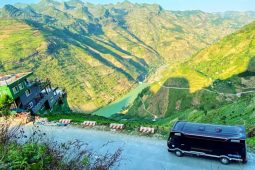
The Ha Giang Loop is a fun place for people who like to have fun. Narrow mountain passes, hairpin turns, and steep hills are hard for even experienced riders, and every section they finish makes them feel like they’ve accomplished something. One of the narrowest and most dramatic roads in Vietnam, Ma Pi Leng Pass is a great example. It clings to cliffs and offers breathtaking views of the Nho Que River below.

Photographer’s Paradise
The Ha Giang Loop is a dream come true for people who love to take pictures. The way light and shadow play over mountains, rivers, and rice terraces is unique. The colors of the early morning mist, the golden light of the late afternoon, and the colorful festivals change every day. Even people who are just passing through will have to stop all the time to take pictures of the amazing scenery around them.

Freedom Like No Other
The Ha Giang Loop is all about freedom. You have full control over your speed when you ride a motorcycle or sit on the back of an Easy Rider. You can stop and take in the views that take your breath away, or you can speed up through stretches where the road opens up to endless views. This place gives you a sense of escape, like you’re really off the beaten path.

Best Time to Do the Ha Giang Loop in 2026
When you go on the Ha Giang Loop can make all the difference between a beautiful trip and a stressful one. The loop is beautiful all year long, but each season has its own weather, personality, and scenery. If you pick the right time in 2026, you can make sure your trip fits your needs.
Spring Blooms (January–March)
Ha Giang in spring becomes a colorful living and breathing canvas. Peach, plum, and apricot blossoms cover the valleys from January to March, giving the mountains a soft, magical glow. The weather is usually between 18°C and 25°C at this time of year, which makes riding comfortable and lets you enjoy long days on the road without getting too hot.

This is also the time of year when many people celebrate Tet, Vietnam’s Lunar New Year. You can see traditional dances, try homemade treats, and learn about real northern Vietnamese culture at these festivals. Roads are usually dry and in good shape, so spring is a safe and beautiful time to ride. It can still be cool in the early morning and evening, so it’s best to wear layers of clothing when you ride at sunrise or sunset.
Summer Adventure (April–June)
In the summer, Ha Giang is full of green plants that make the loop feel alive with color and movement. The monsoon rains from April to June feed the rice terraces and forests, making the land a bright, almost surreal green paradise. This is also when the waterfalls along the way, especially in Du Gia and Meo Vac, are at their strongest, making beautiful natural displays.

But summer has its own problems: heavy rain can make roads slippery, especially on steep mountain passes, and sudden downpours can make it hard to see or even close roads for a short time. Fog is also more common, especially in the morning and at higher elevations. Even with these risks, summer is a thrilling and immersive time for adventurous travelers who are willing to deal with the occasional wet roads. The lush landscapes also make for great photos.
Autumn Harvests (July – September)
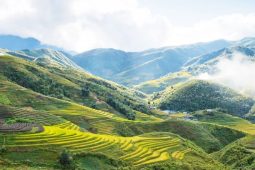
Some people say that autumn is the best time to visit Ha Giang because the weather is perfect and the scenery is stunning. The rice terraces turn golden between July and September as farmers get ready for the harvest. This gives the valleys a warm, glowing glow. The weather is nice, with temperatures between 18°C and 24°C and little rain. This makes the roads perfect for riding motorcycles and taking pictures.

This is the best time of year for tourists who want to see the mountains in their golden colors and the real life of the local ethnic groups working in the fields. Clear skies and cooler evenings make camping or staying in mountain homestays even better. If you want to see beautiful places, learn about the culture, and travel in safety and comfort, fall is the best time of year.
>>> Explore Ha Giang in Autumn: A Breathtaking Journey Through Golden Highlands
Winter Chill (October – December)
Winter in Ha Giang is a quieter, more personal time for travelers who like to be alone instead of with other people. In the valleys and on high mountain passes, temperatures can drop to 5–10°C from October to December, especially at night. Fog often covers the mountains in the morning, making the winding roads feel like a movie set.

This can make for great photos, but it also means that visibility may be poor and riding requires more care. In the winter, travelers will enjoy the peace and quiet of villages that don’t get as many tourists. Homestays and guesthouses are less crowded. It’s also a great chance to see how people live in a more real, peaceful place. You need to pack warm clothes, gloves, and layers. If you are sensitive to the cold, you should be ready for cold mornings and evenings.
>>> When is the Best Time to Visit Ha Giang? Discover the Ideal Seasons
How to Get to Ha Giang
The trip to conquer the Ha Giang Loop doesn’t start on the winding mountain passes; it starts the moment you leave for Ha Giang City. The type of transportation you choose can have a big effect on your energy, mood, and the whole trip.
Traveling from Hanoi to Ha Giang
It takes about 6 to 8 hours to get from Hanoi to Ha Giang, which is almost 300 kilometers away. The route is pretty simple; it mostly follows national highways through the northern midland provinces. A lot of people who travel prefer to take an overnight trip, leaving Hanoi in the evening and getting there early the next morning. This not only saves you time, but it also keeps you from getting tired from traveling all day.
Sleeping Bus
The sleeper bus from Hanoi to Ha Giang is the most popular option, especially for people who are doing the Loop for the first time. The trip lasts about 6 to 8 hours, and it usually leaves in the evening and gets to Ha Giang by dawn. The best thing about it is the price: tickets cost between 250,000 and 350,000 VND, which means you can save money on a night’s stay and start your adventure right away when you arrive.

Luxury Limousine
A limousine is better than a regular sleeper bus if comfort is your top priority. You can get better rest before tackling the tough mountain roads of Ha Giang Loop because the seats are bigger, the cabins are quieter, and there are fewer people on board. Prices are higher, between 400,000 and 500,000 VND, but the reward is a body and mind that are well-rested and ready for several days of riding on winding mountain roads.

Getting Around Ha Giang City
Once you get to Ha Giang City, take some time to rest, eat, and get ready before you leave. It’s easy to get around the city because it’s small. You can easily get from the bus station to your homestay and the rental shops. This is also a great time to go over your plans, keep an eye on the weather, and get ready for the adventure ahead.
Motorbike Rentals – The Heart of the Ha Giang Loop
The most important thing to do before starting the Loop is to rent a motorbike in Ha Giang City. MOTOGO is a popular choice for both international travelers and local adventurers because it has reliable bikes and good service. Their motorcycles are in good shape, with brakes and tires that are ready for the steep, twisty roads of Ha Giang. MOTOGO also gives first-time riders extra peace of mind by providing standard helmets, rain gear, cargo straps, and detailed route advice.

>>> Explore Ha Giang Motorbike Rental: 09 Places for 24/7 Doorstep Delivery
Easy Rider or Full-Service Tours
An Easy Rider is a safe and comfortable choice if you’re not sure you can drive on mountain roads by yourself. You ride as a passenger while a local driver takes care of the curves. This gives you peace of mind and a new way to see how people live in local villages. Full-package tours, whether by motorbike or jeep, are also great for people who don’t want to worry about how to get around or how to ride. Costs are higher than if you go alone, but the benefits are safety, ease of use, and a deeper understanding of the local culture.

How Long You Need for the Ha Giang Loop
It’s very important to plan how long your Ha Giang Loop trip will last. If you rush through it, it’s like trying to eat a five-course meal in five minutes: you’ll get full, but you won’t taste all the flavors. The amount of time you spend should match the speed you want, whether it’s a thrilling ride or a slow, immersive trip through the mountains and valleys of northern Vietnam.
Ha Giang Loop 2 Days 1 Night
The 2-day Ha Giang Loop is a short but unforgettable trip for people who want to see the stunning scenery of northern Vietnam but don’t have a lot of time. This trip plan focuses on the best parts of the Dong Van Karst Plateau, Ma Pi Leng Pass, and traditional highland villages.
Day 1: Ha Giang – Yen Minh – Sung La Valley – Dong Van
Your journey begins early in the morning from Ha Giang City.
07:00: Leave Ha Giang at 7:00 AM and head north to the Dong Van Karst Plateau, a UNESCO Global Geopark known for its rough limestone mountains and beautiful views. As you ride, pay attention to how the scenery changes from gentle valleys to steep cliffs and rolling hills with terraced rice fields on them.

09:30: Stop in Yen Minh Town for a quick break and some snacks. Take a moment to enjoy the views of the highland countryside, where villages cling to the slopes and people go about their daily lives.
11:30: Go on to Sung La Valley, a beautiful place with colorful buckwheat fields in bloom. Take some pictures and enjoy the peaceful view before you go to Dong Van.

13:00: Arrive in Dong Van Town and have lunch at a local restaurant. You can try highland foods like sticky rice, grilled meats, and mountain vegetables.
Afternoon: In the afternoon, visit the famous Tham Ma Slope, where local women in traditional clothing often gather for photos. Then, go to King Meo Mansion (Vuong Chinh Duc), a historical H’Mong home full of culture and history.

Evening: In the evening, check into your hotel in Dong Van. Take a slow walk through the old town and breathe in the fresh mountain air. Eat dinner at a nearby restaurant or at your hotel, and enjoy the calm atmosphere of the plateau.
Day 2: Dong Van – Ma Pi Leng Pass – Meo Vac – Ha Giang
07:00: After breakfast, leave Dong Van and head to Ma Pi Leng Pass, which is often thought to be one of the most beautiful roads in Vietnam. As you drive through the steep turns, enjoy the wide views of the emerald Nho Que River winding through the Tu San Alley below.

09:30: Stop at the Sky Path, a beautiful walking path along the side of the mountain that is great for taking pictures and taking in the stunning views of cliffs, valleys, and winding rivers.
10:30: Keep going through Meo Vac and Mau Due, stopping along the way to see how people live in remote highland villages. This is a great chance to meet people from the area, see how traditional farming is done, and take pictures of real rural life.

12:30: Have a light lunch in Meo Vac or along the way, trying local foods and fresh fruits and vegetables.
Afternoon: In the afternoon, start the trip back to Ha Giang City. On the way, stop at Quan Ba Heaven Gate for one last look at the Twin Mountains (Fairy Mountains).
16:30: Arrive back in Ha Giang City at 16:30. From here, people can take a bus or a private car to Hanoi.
Ha Giang Loop 3 Days 3 Nights
Take a thrilling Ha Giang Loop 3 days 3 nights, where you’ll see winding mountain roads, stunning limestone peaks, and colorful ethnic villages. This trip takes you deep into northern Vietnam’s most beautiful places, like the Dong Van Karst Plateau, which is on the UNESCO World Heritage List, and the famous Ma Pi Leng Pass.
Day 1: Ha Giang – Yen Minh – Sung La Valley – Dong Van
After a big breakfast in Ha Giang City, your adventure begins. You can’t wait to see the beautiful landscapes that are ahead.
- 09:00: At 9:00 AM, leave Ha Giang and head to the Dong Van Karst Plateau, a UNESCO Global Geopark known for its amazing limestone formations and stunning views. The road winds through rough mountains, lush valleys, and charming villages, giving you a taste of life in the highlands.

- 11:30: Stop in Yen Minh Town for lunch. This is a great time to try some of the local highland foods, like thang co (a traditional horse meat stew), sticky rice, and fresh mountain vegetables. The town itself is peaceful and charming, with busy streets that don’t seem to be affected by a lot of tourists.
In the afternoon, your trip goes on through Chin Khoanh Pass, a road that winds its way through tall limestone cliffs and pine forests. Along the way, you’ll stop at places you’ll never forget:
- Tham Ma Slope: Tham Ma Slope is one of Ha Giang’s most popular photo spots. You might see H’Mong women in colorful traditional dress posing in front of fields of buckwheat flowers. The pink and white flowers that grow in the valleys are nothing short of magical.
- King Meo Mansion (Vuong Chinh Duc): A historic H’Mong home that is more than 100 years old and shows off the highlands’ beautiful architecture and cultural history. You can almost hear the stories of the H’Mong kings who used to rule the plateau as you walk through the mansion.

17:00: Arrive in Dong Van, check into your hotel, and have a traditional Vietnamese dinner. As night falls, take a leisurely walk through the old town’s cobbled streets and breathe in the fresh mountain air. The cool air, the quiet town, and the lights of small homes in the distance make for a perfect evening in the highlands.
Day 2: Dong Van – Ma Pi Leng – Meo Vac – Mau Due – Waterfall – Du Gia Village
08:00: After breakfast, go to Dong Van Market to start your day. On Sundays, you can see a traditional highland market where people come together to buy and sell things like livestock and handmade crafts. This lively market shows what the H’Mong people’s culture, traditions, and daily life are like.

10:00: Leave Dong Van for the famous Ma Pi Leng Pass, which is also known as the “King of Passes.” This is one of Vietnam’s most beautiful and difficult roads. As you walk along the Sky Path, you’ll be able to see the Nho Que River, a jade-green ribbon that winds its way through a deep canyon. The cliffs, green water, and mountains in the distance are all amazing.
The trip goes on through Meo Vac, Mau Due, and Lung Ho, with a stop at a beautiful natural waterfall along the way. You can relax, swim in the cool water, and listen to the peaceful sounds of nature here. It’s a nice break from the winding mountain roads.

Evening: Get to Cheers Lodge Du Gia, which is surrounded by beautiful green rice terraces. Dinner is a cozy meal made with love by a local family that tastes like the highlands. You should definitely try Happy Water, the local corn wine. It will make the night more fun and warm. Talk to other travelers or just enjoy the peaceful rural setting that makes Du Gia so special.
Day 3: Du Gia – Lung Tam – Quan Ba – Ha Giang – Hanoi
In Du Gia, wake up to the soft sounds of the mountains and have a quiet breakfast surrounded by green rice paddies.
10:30: Go to Lung Tam Village, where H’Mong artisans are known for their traditional hemp weaving. You can do the following here:
- Learn about the age-old techniques of fabric weaving
- Admire beautifully crafted textiles
- Purchase authentic handmade products as keepsakes

Keep going through Quan Ba, stopping to look at the Twin Mountains (Fairy Mountains), which are a beautiful natural formation. Take your time eating lunch in the area before going through Quan Ba Heaven Gate and Bac Sum Pass. This will give you one last chance to see the rolling mountains and terraced fields.
16:00: Get on a luxury bus or limousine back to Hanoi. Your three-day trip will end with memories of winding roads, stunning views, and the warmth of the highland communities.
Ha Giang Loop 4 Days 4 Nights
The Ha Giang Loop 4 days 4 nights lets you explore at your own pace, which is great for people who want to get more out of their trip. Most travelers start their trip with an overnight sleeper bus from Hanoi to Ha Giang City, which gives them a fresh start.
Day 1: Ha Giang – Bac Sum – Heaven Gate – Nam Dam – Dong Van
- Start your trip through Bac Sum Pass, which is a nice way to get used to the plateau’s winding roads.
- You can see all of Tam Son Town and the Twin Mountains from Quan Ba Heaven Gate.

Lunch is served at Nam Dam Village, a quaint highland settlement where you can savor the calm rhythm of rural life.
In the afternoon, drive through Chin Khoanh Pass and Tham Ma Slope. You’ll see terraced fields, limestone peaks, and ethnic villages full of life. Before you get to Dong Van, stop by the King Meo Mansion in Sa Phin. It’s a beautiful building that represents a golden age in H’Mong history.

Evening in Dong Van: Check into your hotel and have dinner. The old town is a great place to explore at night, or you can join locals and other travelers for a fun karaoke session.
Day 2: Dong Van – Ma Pi Leng – Nho Que River – Lung Cu Flag Tower
- Start your day at Ma Pi Leng Pass, which is famous for its stunning views and steep cliffs. Every curve is exciting and a chance to take a picture.
- Take a boat ride on the Nho Que River and go through Tu San Gorge, the deepest canyon in Southeast Asia.
- Keep going to Lung Cu Flag Tower, which is the northernmost point in Vietnam. From the top, you can see the Vietnam-China border and learn about the historical and cultural importance of this famous landmark.

In the evening, go back to Dong Van, where you can enjoy a leisurely stroll through the old town with a steaming cup of local coffee while taking in the peaceful mountain scenery.
Day 3: Dong Van – Ma Pi Leng – Meo Vac – Mau Due – Lung Ho – Du Gia
- Take a morning walk along the Sky Path at Ma Pi Leng Pass to see the deep valleys and the winding Nho Que River below from all sides.
- Keep going through Meo Vac, Mau Due, and Lung Ho, stopping for lunch in small villages along the way to see how the people in the highlands really live.
- In the afternoon, take scenic, rough mountain roads to get to Du Gia. Stay the night at Du Gia Homestay, which is surrounded by lush green rice fields. Du Gia is charming because it is peaceful and rustic, which is a nice change from the rough beauty of Dong Van Plateau.

Day 4: Du Gia – Ha Giang – Return to Hanoi
- Leave Du Gia on the last day and go back to Ha Giang City. In the afternoon, get back to Hanoi by limo or high-end bus.
The 4-day Ha Giang Loop gives you more than just pictures. It gives you memories of the tall mountains, winding rivers, friendly local communities, and the amazing feeling of freedom that comes with being in Vietnam’s northernmost landscapes.
Must-See Highlights Along the Ha Giang Loop
The Ha Giang Loop isn’t just a road trip; it’s a place to see natural and cultural treasures. Every turn and twist shows off a new stunning view. Here’s a close-up look at the best places you can’t miss.
Ma Pi Leng Pass
Ma Pi Leng Pass is the crown jewel of the Ha Giang Loop and is often called Vietnam’s most beautiful mountain pass. This pass is a dramatic work of art that nature made and hardened over hundreds of years of rock formations. It runs for more than 20 kilometers between Dong Van and Meo Vac.

Picture yourself riding along a narrow strip of asphalt with cliffs rising sharply on one side and the Nho Que River winding far below like a sparkling emerald ribbon. The views are so beautiful that they make you dizzy. People who take pictures and people who travel both say it’s a “heart-stopping panorama,” and they’re right. In the morning, mist often hangs over the river, making the valley look like a scene from a fantasy movie.
Dong Van Karst Plateau
The Dong Van Karst Plateau is a UNESCO Global Geopark and a geological wonder that took over 400 million years to form. The landscape here is strange—jagged limestone towers rise up like frozen waves, making a stone moonscape that is both haunting and beautiful.

It feels like you’re on a different planet when you ride through Dong Van. Hmong, Tay, and Lo Lo villages are nestled between the limestone peaks. Their bright traditional clothing looks great against the gray stone. Every turn in the road shows off another stunning view: steep cliffs, deep valleys, and terraced fields that follow the hills’ curves like art.

The Dong Van Old Quarter is a small historic town with French colonial architecture and a laid-back market vibe. Don’t miss it! This is the best place to stop for lunch, try some local food, and take a short break before continuing your loop adventure.
Lung Cu Flag Tower
Lung Cu Flag Tower is the northernmost point in Vietnam and a symbol of national pride. It is a must-see for tourists who want to see both culture and stunning views. The tower is on top of a steep hill, and you have to climb about 1,200 steps to get to it. But every step is worth it.

From the top, you can see the winding roads you’ve conquered, terraced fields, and rolling hills below. On a clear day, you can see all the way to the border with China. The huge Vietnamese flag waves proudly in the wind, making it a great place to take pictures and think about Vietnam’s past and how strong it is.
Quan Ba Heaven Gate & Twin Mountains
The Quan Ba Heaven Gate is a great way to get to the highlands just before you go deeper into the loop. From this lookout, you can see the famous Twin Mountains (Fairy and Husband Mountains) rising up from the valley floor in a big way.

The “Heaven Gate” viewpoint is a good name for it because you’ll feel like you’ve been taken above the clouds. In the early morning, fog often wraps around the peaks, making a scene that feels almost magical. A lot of people stop here to take pictures of the sunrise or just to take in the view over Quan Ba Valley.
Hmong Kings’ Palace (Dong Van)
The Hmong Kings’ Palace in Dong Van is a historical treasure that lets you see what life was like in the past. The Hmong King Vuong Chinh Duc built this palace in the early 1900s. It has both Chinese and Hmong architectural styles.

As you walk through the palace, you’ll see old royal artifacts, antique furniture, and intricate carvings that tell stories of power, tradition, and strength. The palace also has a great view of Dong Van town, which makes it a great place for both history and photography lovers. You don’t just ride through mountains here; you ride through history.
Yen Minh Pine Forest
The Yen Minh Pine Forest is a peaceful place to get away from the rough cliffs of Ha Giang. It is surrounded by rolling hills. The tall pines make trails that are shady, and the ground is often covered in pine needles, which makes every step feel soft and magical. This is a great place to take a break from riding, go for a short hike, or have a picnic. The early morning light coming through the trees makes the forest feel almost magical, which is great for taking pictures or just enjoying the peace and beauty of nature.

Pho Bang Town
Pho Bang Town is a small, quiet village near Dong Van that is known for its traditional Hmong and Tay buildings. Wooden stilt houses line narrow streets, and local markets sell fresh produce and crafts made by hand. A trip to Pho Bang gives you a taste of a slower pace of life and is a great place to take pictures.

Sung La Valley
Sung La Valley is a secret place that nature lovers and photographers will love. The valley is surrounded by rolling hills and small farms, and the views are so wide that they seem untouched by modern life. The morning mist slowly lifts to show golden fields and distant mountains. Sunrise and sunset are magical here. This is the perfect place to stop, take a breath, and enjoy the peace and quiet that makes Ha Giang so special.

Tham Ma Pass
Tham Ma Pass is one of the lesser-known mountain passes on the loop. It has dramatic curves and great views without the crowds of Ma Pi Leng. The road winds through cliffs and forests, revealing hidden rock formations and waterfalls along the way. It’s perfect for daring riders who want both a challenge and a reward.

Pao’s House (Dong Van)
The Vietnamese movie “The Story of Pao” made Pao’s House, a traditional Hmong home, famous. The wooden stilt house is in the mountains and is surrounded by terraced rice fields. It is a beautiful example of ethnic architecture. People who come to the house can look around, talk to the family who lives there, and learn about the area’s customs.

Bac Sum Pass
Bac Sum Pass is a road that goes through the mountains and connects Dong Van and Meo Vac. It has steep turns and wide views. Clouds often hang low, giving the impression that you’re riding through the sky. This pass isn’t as busy as Ma Pi Leng, so you can stop for pictures or just enjoy the peace and quiet. On a clear day, you can see the rolling mountains for miles. This is a great view for both riders and photographers.

Suoi Thau Grassland
Suoi Thau Grassland is a huge open space in the mountains. The jagged limestone cliffs that surround it make the rolling green fields stand out. It’s a peaceful place to hike for a short time, have a picnic, or just sit and watch the sun go down behind the mountains. In the early morning, fog often settles in the valley, making it feel almost magical, which is great for meditation or taking pictures.

What to Eat on the Ha Giang Loop?
One of the best things about visiting Ha Giang is trying the food that is unique to the area. Each village has its own unique style of cooking, and after a long day of riding through the mountains, these meals feel like a warm hug. Here’s a list of local foods you have to try, from colorful sticky rice to filling soups and smoked meats.
Five-Colored Sticky Rice
This meal is more than just food; it’s a feast for the eyes. Magenta comes from magenta leaves, green comes from pandan, yellow comes from turmeric, purple comes from magenta leaves again, and white comes from plain sticky rice. In Hmong culture, each color has a different meaning. They often stand for life, wealth, and happiness. It’s a sweet and slightly nutty snack that goes great with sesame seeds and sometimes roasted peanuts or coconut shavings.

Thang Co Ha Giang
If you want to try something new, Thang Co is the dish for you. The Hmong stew is made with horse or buffalo meat, bones, organs, and a mix of herbs and spices. It is cooked slowly. People often say that the taste is earthy and strong, and that you have to get used to it. But once you try it, you’ll never forget it. People in Ha Giang’s ethnic minorities usually serve it at festivals or other special events, so tasting it on your trip is a direct link to their culture.

Au Tau Porridge
Au Tau porridge is a rice porridge that is unique to the Hmong people. It’s great for warming up after a cold morning ride. It’s hearty and comforting because it’s cooked slowly with rice and sometimes corn or millet and flavored with wild herbs. Some versions have small pieces of meat, like pork or chicken, and a little bit of salt. When you eat Au Tau in a homestay, it feels like you’re sharing a centuries-old tradition with locals who have perfected the recipe over the years.

Thang Den
Thang Den is a kind of black pudding that is made with blood and sticky rice. The blood usually comes from a pig or buffalo. It has a chewy texture and a rich, slightly salty taste because it is steamed or boiled with a little bit of seasoning. It may sound scary at first, but it’s a delicacy in Ha Giang and shows how the region’s cooking traditions are resourceful and long-lasting. People in the area like it with fresh herbs or a light dipping sauce.

Smoked Buffalo Meat
Buffalo are an important part of life in the mountains of Ha Giang, and smoked buffalo meat is a special treat. We put salt, herbs, and spices on the meat and then smoke it over wood fires for hours. The end result is soft, smoky, and very tasty. It’s great as a quick snack or a protein-rich dinner after a long day on the loop. For the full mountain experience, eat it with sticky rice and fresh vegetables.

Dong Van Rice Rolls
Finally, don’t miss Dong Van rice rolls, which are lighter and go well with the heavy and rich dishes of Ha Giang. These steamed rice rolls are stuffed with ground pork, mushrooms, or vegetables. They are then served with fish sauce, fresh herbs, and fried shallots. They smell great, are soft, and are a little chewy. They make a great lunch or dinner choice, especially if you’re stopping in Dong Van town for a quick break on the loop.

Where to Stay on the Ha Giang Loop?
The place you choose to stay can make or break your Ha Giang Loop trip. Hotels along the loop are small, unique, and often very connected to the local culture. This is different from big cities where hotels are all the same. There is a place for every kind of traveler, from cozy homestays to small eco-lodges. Here’s a breakdown:
Homestays
The Ha Giang Loop is all about homestays. Staying in a local home gives you a look into the lives of ethnic minority groups like the Hmong, Tay, and Dao. You won’t just sleep; you’ll also eat, tell stories, and share traditions.
- Experience: Picture yourself getting to a stilt house with a view of terraced rice fields after a long day of riding. When you arrive, you are greeted with warm smiles, tea brewed over a wood stove, and a meal made with ingredients grown just steps away.
- Cost: Most homestays are affordable, costing between $10 and $20 per night, which includes meals made at home.
- Tips: Always have cash on hand because most homestays don’t take cards. Follow the rules of the area: ask before taking pictures and take off your shoes before going inside.

Recommended Homestays:
- Lung Cam Homestay (Dong Van) – Known for panoramic mountain views.
- Meo Vac Clay House (Meo Vac) – Offers authentic Hmong-style stilt architecture.
Guesthouses & Eco-Lodges
Guesthouses and eco-lodges are great choices if you want more comfort or modern conveniences. These places to stay often combine traditional architecture with clean rooms, hot showers, and Wi-Fi. Some even have terraces with amazing views of the valleys below.
- Experience: Waking up to mist curling around limestone peaks, drinking coffee on a wooden balcony, or taking a shower with mountain water sounds easy, but in Ha Giang, it’s magical.
- Cost: Mid-range lodges cost between $25 and $50 per night, while boutique eco-lodges can cost more depending on the amenities they offer.
- Tips: During busy times of the year, like spring and fall, book ahead of time to get the best spots, since these lodges can fill up fast.

Recommended Guesthouses & Eco-Lodges:
- Terraced Homestay & Lodge (Yen Minh) – Offers cozy rooms with terrace views over rice paddies.
- Du Gia Eco Lodge (Du Gia Village) – Nestled near waterfalls and lush forests, perfect for nature lovers.
Unique Stays for Adventure Seekers
Some people want their stay to be just as exciting as the ride. You can camp, stay in a hut by the river, or even a small lodge on a cliff. These places to stay aren’t about luxury; they’re about making memories that will last a lifetime.
- Experience: When you fall asleep to the sound of a river or wake up above a sea of clouds at 1,500 meters above sea level, it feels like you’re in a movie.
- Cost: Usually $5–$15 USD per night, depending on facilities.
- Tips: If you’re going camping or staying in a simple hut, bring your own sleeping bag. Also, always check the weather before planning to stay overnight in a remote area.

Costs & Budget Breakdown for Ha Giang Loop
Not only is riding the Ha Giang Loop a visual adventure, it’s also a financial one. Carefully planning your budget can mean the difference between a relaxing trip and a stressful one. Ha Giang is generally cheaper than other popular tourist spots in Vietnam, but prices can change depending on how you get there, where you stay, and how much adventure you want.
Transportation Costs
1. Motorbike Rental:
- In 2026, a regular semi-automatic motorcycle that can handle the loop costs $8 to $12 a day.
- Good semi-automatic or manual bikes with better tires and suspension may cost $15 to $20 a day.
- If you want an Easy Rider service (a local guide rides their bike while you sit behind), you should expect to pay $25 to $35 per day, which includes gas and the guide’s fee.

2. Fuel:
- In Vietnam, gas is surprisingly cheap. Depending on how far you go, you should plan to spend between $3 and $5 a day.
- The loop is about 300–350 km long, so it’s normal to fill up 2–3 times during the trip.
3. Bus or Shuttle (Optional):
- If you aren’t riding, a sleeper bus from Hanoi to Ha Giang costs about $15 to $20 each way.
- Private transfers cost more, between $50 and $70, but they are faster and more comfortable.
Accommodation Costs
There are many places to stay overnight along the loop, from cheap homestays to eco-lodges:
1. Homestays:
- Traditional ethnic family homestays cost between $5 and $10 per person per night.
- Usually, it has a simple room with a shared bathroom, and hot water may not always be available.
- You don’t have to eat, but meals cost between $2 and $5 each and often include local dishes like sticky rice, vegetable stir-fries, and plain grilled meat.

2. Guesthouses & Eco-Lodges:
- Modern lodges with better amenities: $15–$25 per night per person.
- Breakfast is sometimes included, and rooms are more comfortable with warm showers and Wi-Fi.
Food & Drinks
If you’re willing to try local food, eating along the Ha Giang Loop is cheap and tasty:
- Local restaurants and food stalls on the street: $1 to $3 per dish.
- Traditional meals at homestays cost $3 to $5 per person.
- Cafes or lodges in the Western style cost $5 to $10 per meal.
- Drinks or bottled water: $0.50 to $1.
- Tip: Bring some snacks for long rides because there aren’t always a lot of food options between villages.

Permits & Entrance Fees
Some attractions along the Ha Giang Loop do charge an entrance fee, but the loop itself does not.
- Dong Van Karst Plateau Geopark: Approx. $2–$3.
- Lung Cu Flag Tower: Around $1–$2.
- Cultural museum entrances in Dong Van: $1–$2.
- Tip: Bring small cash in Vietnamese dong—many places don’t accept cards.
>>> Explore Budgeting for the Ha Giang Loop Tour – Costs, Tips, and Savings
Safety Tips for the Ha Giang Loop
The Ha Giang Loop is fun to ride, but it’s dangerous if you’re not ready. The mountains are beautiful, but their steep roads, sharp turns, and unpredictable weather should be taken seriously. Here’s how to stay safe and have a smooth trip:
Road Conditions
The Ha Giang Loop isn’t a highway; it’s a mix of narrow mountain roads, gravel roads, and holes in the road. Some parts, especially those close to high passes, can be very dangerous. Here are some things to look out for:
- Sharp hairpin turns: Always slow down before curves and don’t pass people on bends. A lot of corners have steep drops with no guardrails.
- Landslides and loose gravel: When it rains, mud and rocks can fall on the road. Stay alert and drive slowly.
- Fog and low visibility: Thick fog often rolls in early in the morning and late in the afternoon, making it very hard to see. Use your headlights and ride carefully.
- Cows, goats, and even buffalo often cross the road without warning. Be very careful, especially near villages.
- Night riding: Don’t ride after dark. There isn’t much light, so it’s harder to see road hazards.

Motorbike Maintenance & Gear
It’s not just a hassle to break down in the mountains; it can also be dangerous. Your bike is the first step to safety:
- Check your brakes and tires: Make sure your tires have good tread and your brakes work well.
- Helmet: You have to have a good helmet. You could live if you fell.
- Gear that protects you: With gloves, a jacket, and sturdy shoes, you won’t get hurt or cold when you fall or scrape your skin.
- Extra fuel and tools: There are stretches of road where there are no gas stations for tens of kilometers. Bring a small gas can and some basic tools for repairs.

Weather Preparedness
The weather in Ha Giang is hard to predict. Rain that comes out of nowhere can make dirt roads into muddy paths.
- Check the weather: Before you leave each day, check the local news.
- Bring rain gear: You need waterproof jackets and pants because even a short shower can get you completely wet.
- Layering: High passes are cold, especially in the winter. Put on layers that you can take off as the valleys get warmer.

The Ha Giang Loop isn’t about getting likes or checking things off a list. It’s the quiet times—the sound of your engine, the nod of a farmer, and how the mountains make you feel small in the best way. This trip is still Vietnam’s most powerful road trip in 2026, waiting for people who are brave enough to take the long way around.
Related Posts:
- Must-Visit Destinations in Ha Giang: A Comprehensive Travel Guide
- Discover the Best Waterfalls in Ha Giang, Vietnam
- Villages in Ha Giang: Explore the Hidden Gems of Northern Vietnam
- Ha Giang Loop’s Best Passes and Roads: A Complete Guide to Vietnam’s Top Motorbike Routes
- Ha Giang’s Culinary Specialties: Top 17 Famous Dishes From This Renowned Northern Land





Be the first to comment!