

Dong Van to Meo Vac: Scenic Route, Travel Tips & Things to See
Traveling from Dong Van to Meo Vac offers one of Ha Giang’s most breathtaking journeys. Along the scenic route, you’ll pass winding mountain roads, stunning landscapes, and charming ethnic villages. MOTOGO Tours is excited to guide you through this unforgettable experience.
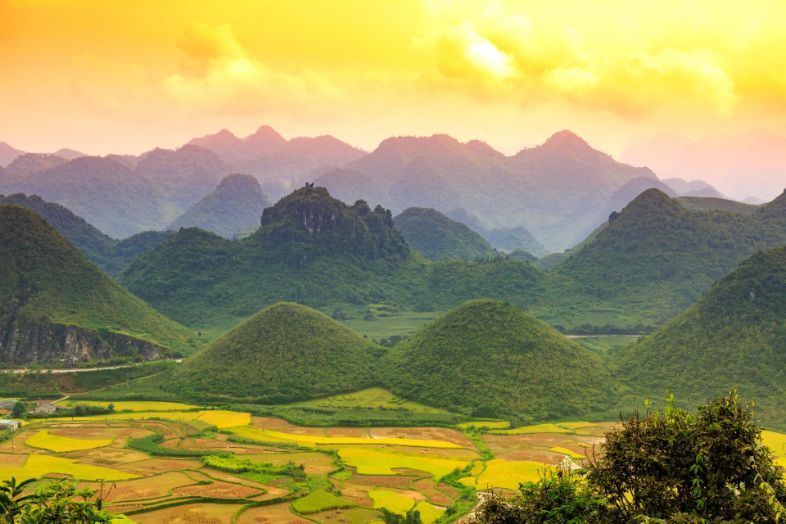
Introduction to the Crown Jewel of the Ha Giang Loop
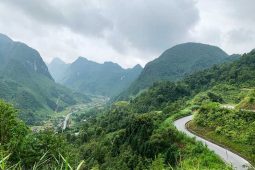
The journey from Dong Van to Meo Vac is more than just a drive, it’s a spiritual experience. Along the “Happiness Road,” witness Hmong farmers on steep slopes and emerald rivers winding through deep canyons, showcasing the raw beauty of the Dong Van Karst Plateau Geopark.
Navigating the Route: Distance and Logistics
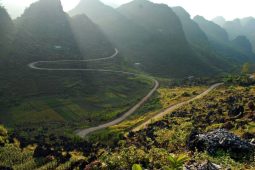
Although the direct distance from Dong Van to Meo Vac is only 22–25 kilometers, the route is far from a simple drive. This isn’t a highway where you can maintain high speeds—hairpin turns and steep inclines slow your pace considerably.
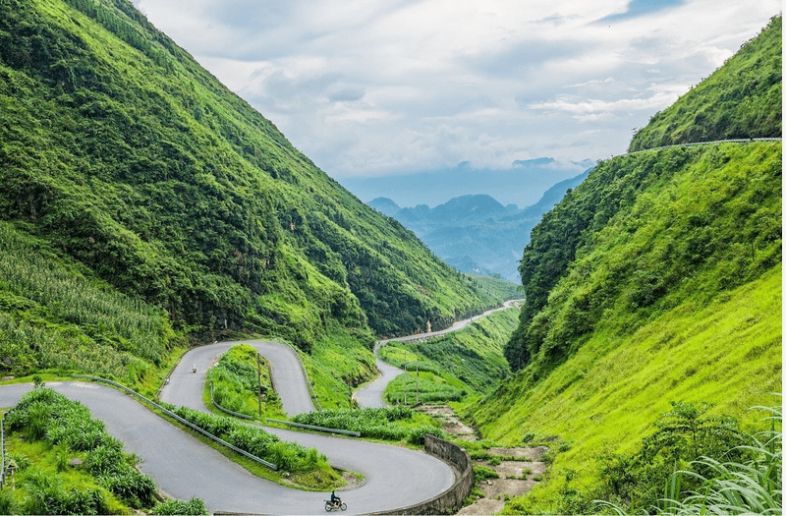
With the temptation to stop every few hundred meters for photos, this short stretch can easily take 2–3 hours. If you choose to descend to the river below, a full day can be spent exploring and soaking in the stunning scenery.
The Famous “Happiness Road” Connection
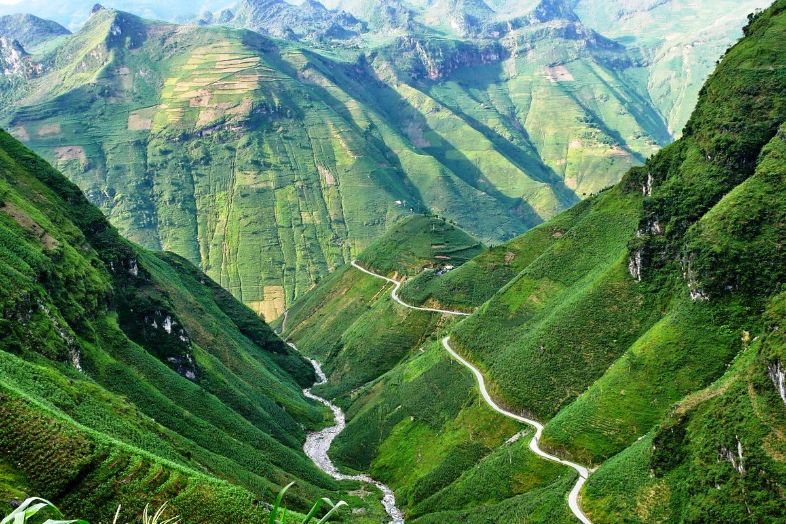
The Happiness Road is a symbol of Vietnam’s perseverance and revolutionary spirit. Built by thousands of volunteers over 7 years with simple tools, it carved a 200 km path through the Ha Giang highlands. Today, it connects remote communities, improves local life, and stands as one of Vietnam’s most beautiful roads.
>>> Ha Giang Hostel: Where to Stay for the Loop Adventure
How to Get There: Motorbike, Easy Rider, or Car?
Traveling from Ha Giang to Dong Van offers several options to suit different tastes and comfort levels. Whether you crave the freedom of a motorbike, the guided experience of an Easy Rider tour, or the convenience of a car, each choice promises stunning scenery and unforgettable adventures along the legendary Ha Giang Loop.
Motorbike (Self-Drive): The Ultimate Freedom
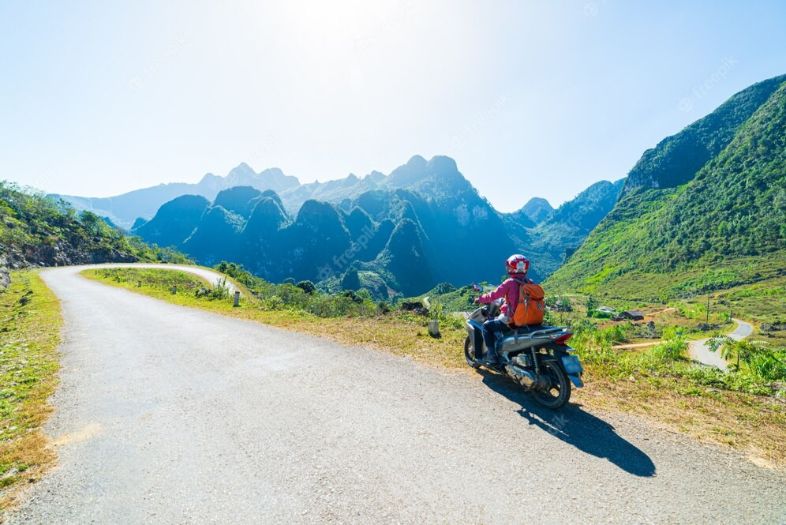
For the “brave souls” and seasoned riders, renting a motorbike is the quintessential Ha Giang experience. At a modest price of approximately 200,000 VND per day, it offers the ultimate flexibility to stop whenever a cloud hits a peak or a local market catches your eye.
- The Experience: There is nothing quite like the unobstructed views and the wind whipping past you as you navigate the “dog-leg” turns. It is raw, intimate, and exhilarating.
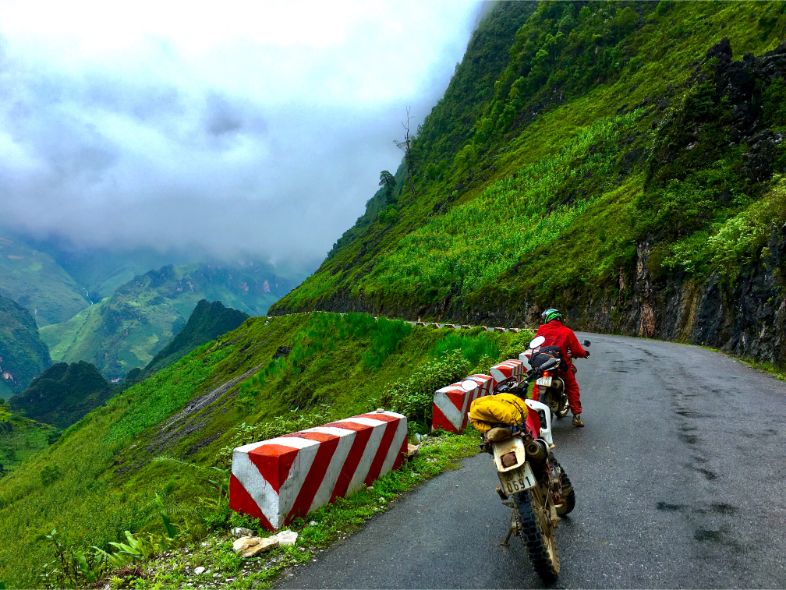
- The Reality Check: These roads are no joke. You need serious focus to handle the steep inclines and sharp hairpin bends. Before heading out, it is vital to inspect your bike thoroughly—check the brakes, tires, and lights. If you aren’t confident on a semi-automatic or manual bike, the sheer drops of Ma Pi Leng are not the place to practice.
Easy Rider: The Gold Standard
If you want the “motorcycle feel” without the white-knuckled stress of driving, hiring an Easy Rider is the move. You sit on the back while a local professional who knows every pothole and curve takes the wheel. Ha Giang Motorbike Tours offer this experience with trained guides who combine safety, local insight, and scenic stops along the legendary Ha Giang Loop.
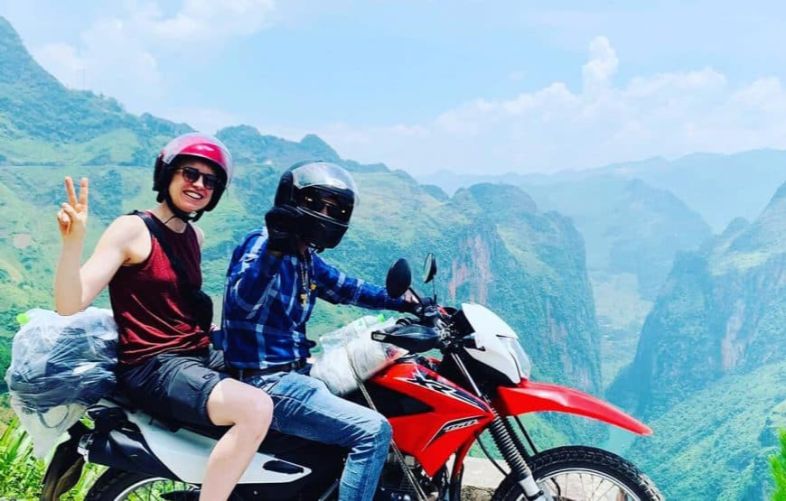
This is the best way to actually see the landscape. Instead of staring at the asphalt and worrying about oncoming trucks, you can keep your eyes on the horizon, snap photos on the go, and learn local secrets from your driver. It balances adventure with a high safety margin.
Local Bus: The Authentic Local Vibe
For budget-conscious travelers or those who want to dodge the mountain elements, the local bus is a fascinating option.
- The Cost: It is incredibly affordable. For instance, the bus charges only about 100,000 VND per person for the trip from Ha Giang to Dong Van.
- The Benefit: You get to sit back and watch the “land of buckwheat flowers” unfold through the window. It’s a great way to observe the daily transit of locals moving between the highland districts without worrying about navigation.

Private Car or Tour Van: Safety in Numbers
If you are traveling in a group of 15 to 20 people, or simply prefer a roof over your head, a private tourist car or van is the most logical choice.
- The Comfort: This is the safest and most comfortable option, especially during Ha Giang’s unpredictable weather. If the notorious mountain fog rolls in or a sudden rainstorm hits, you’ll be glad for the climate control and protection.
- The Trade-off: While cars provide comfort and can stop at all the major “check-in” viewpoints, they are physically limited. You won’t be able to squeeze through the narrow paths of the “Skywalk” or reach the hidden Hmong hamlets that only two wheels can access.
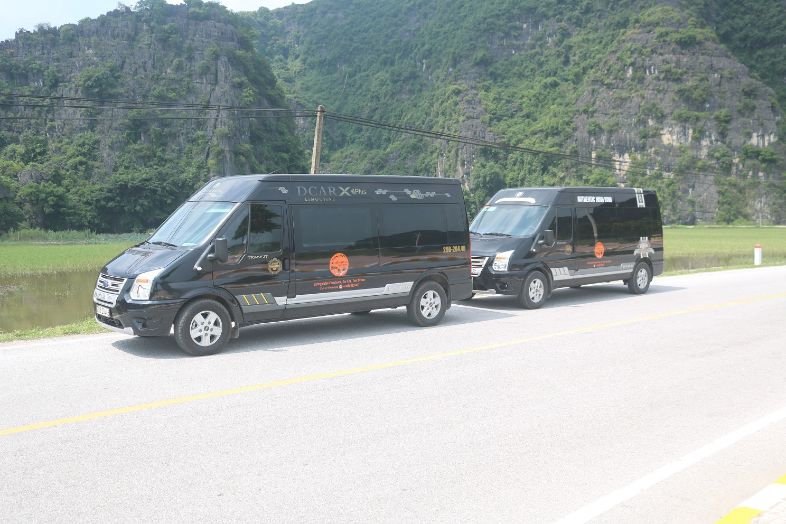
>>> SUV Car Tours in Ha Giang Loop: Safe, Scenic, and Stress-Free
The Best Time to Experience
Timing your trip can make all the difference when exploring Ha Giang. From vibrant flower seasons to clear skies over the karst peaks, the best months offer ideal weather, breathtaking landscapes, and lively cultural experiences that bring northern Vietnam to life.
Spring (January to March): The Season of Festivals and Blossoms
Spring transforms the Ha Giang highlands into a floral wonderland. Peach and plum blossoms burst into color, framing ancient Hmong houses with delicate pink and snowy white petals that contrast beautifully against the grey limestone karsts.

This is also the peak season for ethnic festivals. Visitors can witness traditional ceremonies and games of the Hmong and Dao people, while crisp mountain air carries the scent of incense and fresh spring water through the villages.
Summer (April to June): The Season of Sparkling Water
The route to Meo Vac stays pleasantly cool during summer, offering a lush, green highland experience. Terraced fields fill with rainwater, creating a “mirror effect” that reflects the sky and transforms the mountainsides into sparkling natural mirrors.
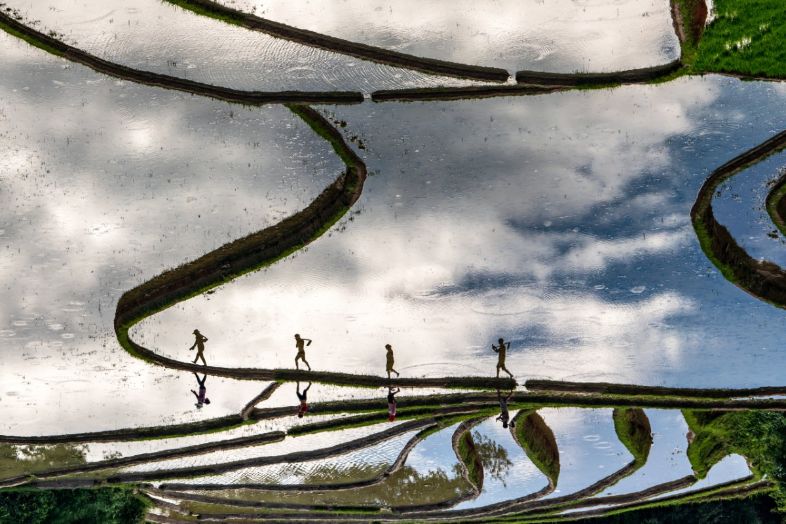
Vegetation is at its peak, with corn crops turning rocky crevices into a vibrant sea of green. This is the ideal season for photography, capturing the high-contrast, lush landscapes of Ha Giang.
September – The Golden Harvest Spectacle
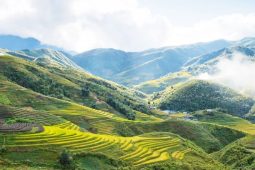
September marks the “Golden Season” in Meo Vac, when the rice terraces ripen all at once, turning the steep, rocky valleys into a brilliant, shimmering gold. The terraces here are smaller and more rugged than elsewhere, but their vertical cliffs make them even more striking.
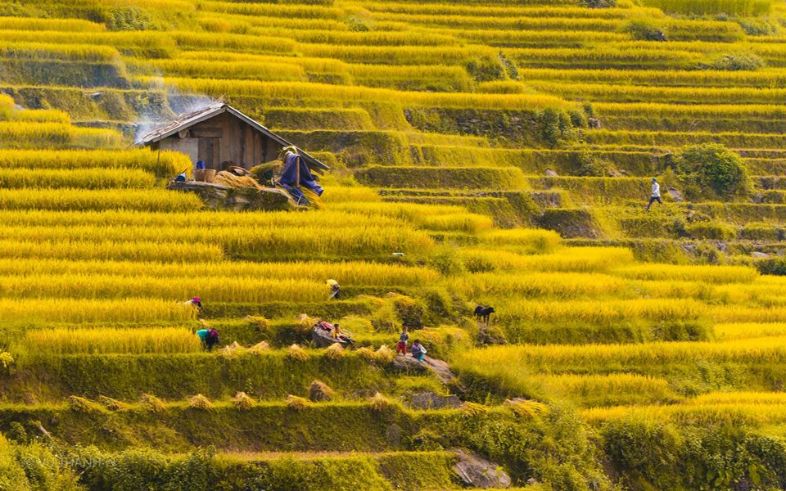
With the monsoon rains fading, the air becomes crisp and visibility is excellent, creating perfect conditions for riding. Travelers can fully appreciate the dramatic depth of the Tu San Alley while witnessing locals harvesting rice on the steep slopes—a true display of resilience and tradition.
October to November – The Legendary Buckwheat Flower Season
This is the most famous time to visit Ha Giang, when the buckwheat flowers bloom along the road to Meo Vac. Hillsides transform into a vibrant carpet of light pink, violet, and white, growing right from the rocky soil of the Karst plateau.
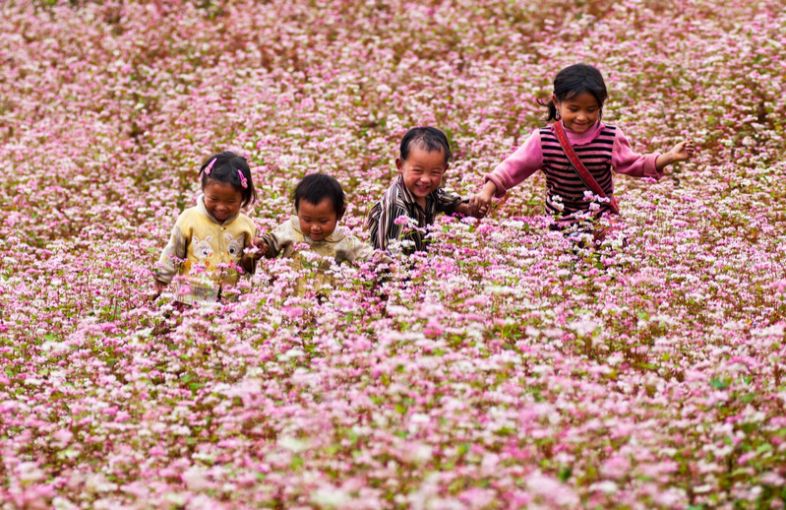
The season is also marked by local flower festivals, featuring music, food stalls, and traditional performances that celebrate the stunning buckwheat bloom, offering travelers both natural beauty and cultural immersion.
December – The Call of the High-Altitude Winter
For travelers seeking the thrill of the cold, December brings a unique beauty to Ha Giang. On lucky days, frost or even a light dusting of snow may appear on the peaks of Ma Pi Leng Pass—a rare and magical sight in tropical Vietnam.
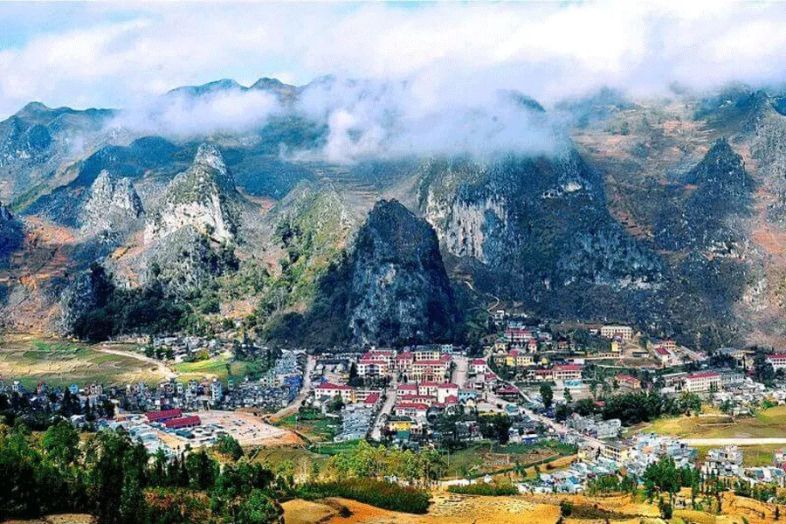
The highlands take on a quiet, moody atmosphere. Sitting by a traditional hearth in a Meo Vac homestay with a warm cup of corn wine while fog drifts across the valleys is an unforgettable way to experience northern Vietnam’s winter.
>>> Ha Giang Weather: Best Time to Visit & Travel Tips
Must-Do Experiences in Meo Vac
Meo Vac is more than a stop on the Ha Giang Loop—it’s a place to immerse yourself in dramatic landscapes, rich culture, and unique highland traditions. From exploring bustling local markets to trekking along breathtaking mountain passes, these are the experiences that make a visit truly unforgettable.
Conquering the Ma Pi Leng Pass
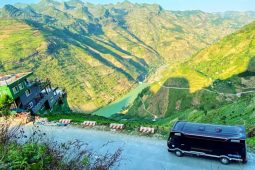
The Ma Pi Leng Pass, one of Vietnam’s “Four Great Passes,” sits at around 1,200 meters and is famously steep, its name means “bridge of a horse’s nose.” A stop at the Panorama Viewpoint offers dizzying views of the Nho Que River below, looking like a tiny green thread from this height.
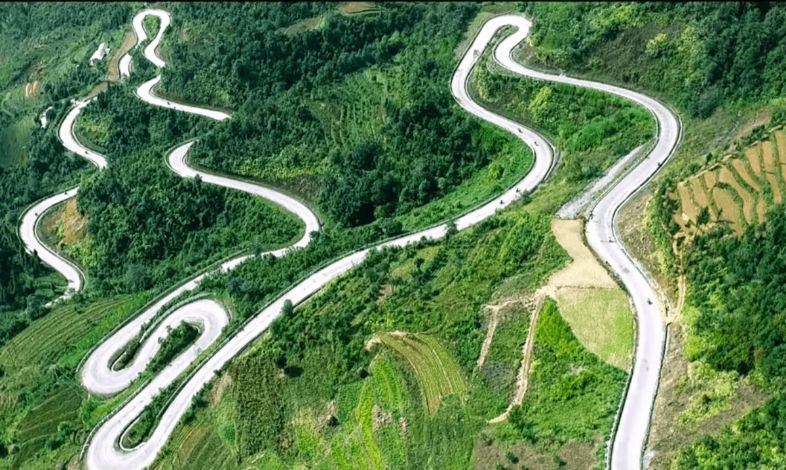
For those seeking an even more thrilling perspective, the Skywalk (White Cliffs path) branches off the main road. Accessible by foot or skilled motorbike riders, it provides a 360-degree view of the surrounding peaks, making you feel as if you’re walking on the edge of the world.
Up Close with the Emerald Nho Que River and Tu San Canyon
While the Nho Que River is stunning from above, experiencing it up close is unforgettable. Its turquoise waters wind through Tu San Alley, Southeast Asia’s deepest gorge, with cliffs soaring nearly 800 meters on either side. The silence inside the canyon, broken only by the boat or kayak, creates a hauntingly beautiful atmosphere.
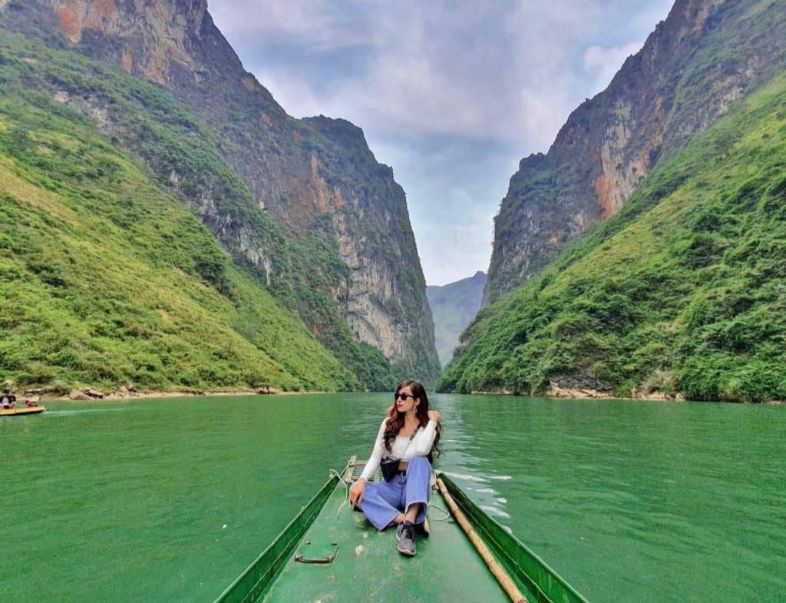
Getting to the river requires a steep, winding road, often via shuttle or local motorbike. A 45-minute boat ride costs around 100,000–150,000 VND, while kayaking lets you drift at your own pace, fully immersed in the emerald waters and towering rock walls of this dramatic highland landscape.
Cultural Pitstops Between Dong Van and Meo Vac
It isn’t just about the rocks; it’s about the people who call them home. The Dong Van to Meo Vac route passes through several ethnic Hmong and Giay communities.
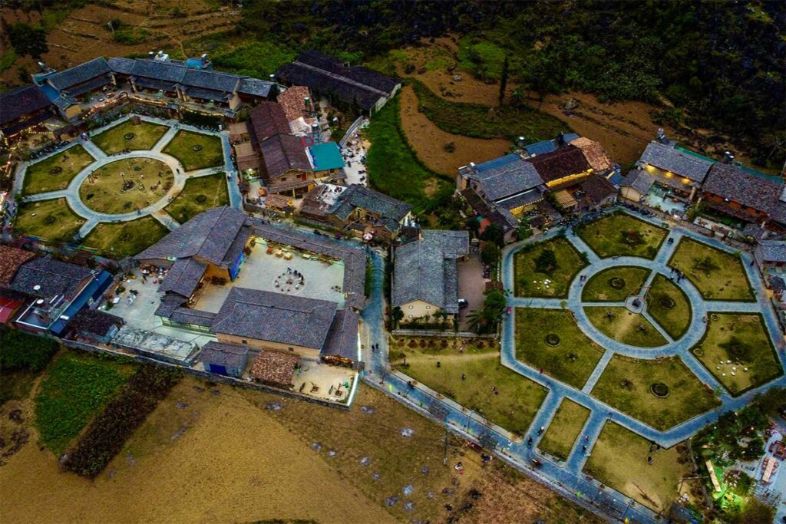
- Pavi Hmong Village: Located near the foot of the Ma Pi Leng Pass, the Pavi Hmong Community Travel Village is a cluster of traditional houses with “yin and yang” tiled roofs. It’s a great place to stay overnight if you want to avoid the bustle of the main towns. The hospitality is warm, and the corn wine is strong!
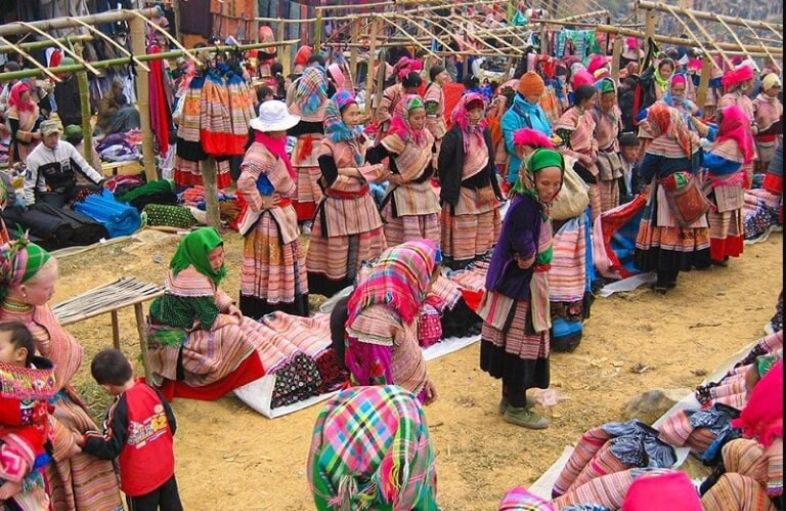
- The Sunday Markets: If your trip aligns with a Sunday, you are in luck. Both Dong Van and Meo Vac host massive weekly markets. This isn’t for tourists; it’s the heartbeat of the region. Thousands of people from the Hmong, Dao, and Lo Lo tribes trek for miles to trade buffaloes, buy colorful textiles, and share a bowl of Thang Co. The colors of the traditional dresses alone are worth the trip.
Essential Travel Tips for a Smooth Journey
Navigating the road from Dong Van to Meo Vac is an exhilarating feat, but it demands respect for the terrain. This isn’t your average Sunday drive; it is a high-altitude traverse where the conditions can change in a heartbeat. To ensure your journey is memorable for the right reasons, keep these specific technical and safety tips in mind.
Vehicle Maintenance and Fuel Management
The steep gradients of the Ma Pi Leng Pass put immense strain on engines and braking systems. Whether you are on a semi-automatic bike or driving a manual car, “brake fade” is a real danger on the long descents toward Meo Vac.
- Check Your Brakes: Before leaving Dong Van, test your brake pads. If you are riding a motorbike, use engine braking (shifting to lower gears like 1 or 2) rather than riding the brakes constantly, which can cause them to overheat and fail.
- The “Half-Tank” Rule: While there are petrol stations in both Dong Van and Meo Vac towns, there are virtually none on the pass itself. The steep climbs consume fuel at nearly double the normal rate. Always top off your tank before departing, even if you think you have “enough” for 25 kilometers.
Navigating the Ha Giang Fog and Visibility
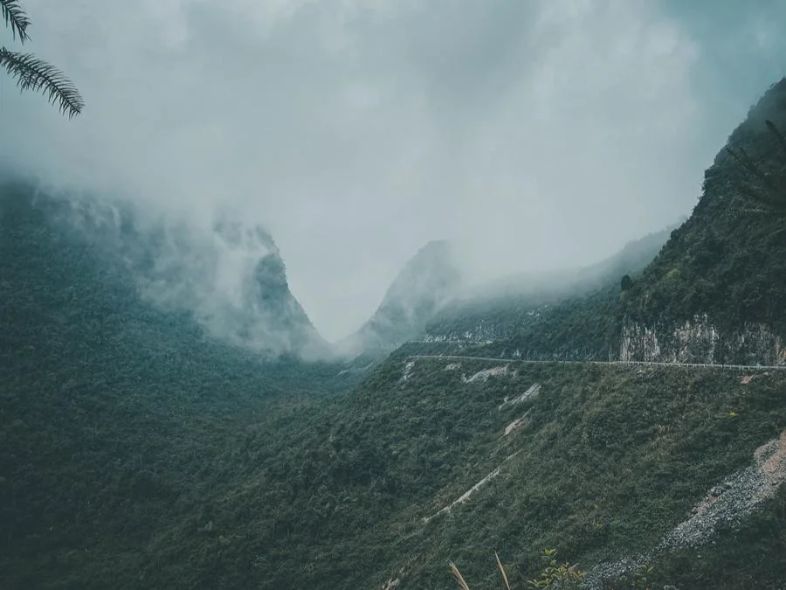
Weather in the Dong Van Karst Plateau is notoriously fickle. You might start in bright sunshine and find yourself engulfed in a “white-out” ten minutes later.
- Cloud Hunting vs. Safety: If you encounter heavy fog, turn on your hazard lights or headlamps immediately. If visibility drops below 5 meters, find a roadside “Panorama” cafe and wait. The fog often moves in “waves”—patience is your best friend here.
- The Horn is Your Signal: On sharp “blind” curves, it is local custom to give a short honk of the horn. This alerts oncoming trucks or other riders who might be hugging the center line.
>>> Ha Giang to Sapa: The Ultimate Travel Guide for First-Time Visitors
Cash and Connectivity in the Highlands
While Vietnam is becoming increasingly digital, the mountains between Dong Van and Meo Vac remain a cash-heavy society.
- ATM Strategy: Withdraw sufficient Vietnamese Dong (VND) in Dong Van. While Meo Vac has a few ATMs, they are frequently out of service or out of cash, especially during the busy Sunday Market weekends.
- Offline Maps: Mobile signal can be spotty at the bottom of the Nho Que River gorge or behind the massive limestone peaks. Download an offline version of Google Maps or use an app like Maps.me to ensure you don’t miss the turn-offs for the Tu San Canyon boat wharf.

Cultural Etiquette and Local Interaction
You are traveling through the ancestral lands of the Hmong, Dao, and Tay people. Being a respectful guest ensures a warmer welcome.
- Photography Protocol: The locals are incredibly photogenic in their traditional attire, but always ask for permission first with a simple nod or “Xin Chao.” At the Meo Vac market, avoid pointing cameras directly into people’s faces while they are eating or trading livestock.
- Support the Local Economy: Instead of buying mass-produced souvenirs, look for authentic hemp textiles or local honey. Small purchases at the roadside stalls help sustain the mountain communities that make this route so special.
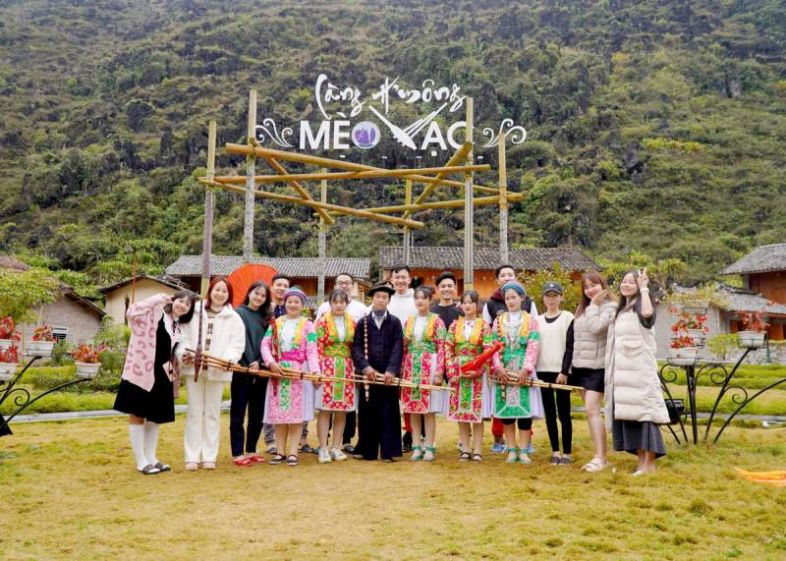
The road from Dong Van to Meo Vac is the soul of Northern Vietnam. It’s a place where geography and history collide to create something truly epic. It’s not just about the “scenic route”; it’s about the feeling of awe that stays with you long after you’ve returned home. Whether you are gazing down at the Nho Que River or sharing a laugh with a local farmer, this journey will change how you see the world. So, are you ready to ride the dragon’s back?
Related Posts:
- Dong Van Market: Discover the Cultural Heart of Ha Giang
- Ha Giang to Dong Van: Ultimate Travel Guide & Scenic Route Tips
- Accommodation in Meo Vac Ha Giang | Find Your Perfect Stay
- Du Gia Waterfall: Best Time to Visit and What to Expect






Be the first to comment!