

Ha Giang in Spring: Best Time to Visit Vietnam’s Majestic Highlands
Ha Giang in spring bursts to life with blooming peach and plum blossoms, rolling hills, winding mountain passes, and traditional hill-tribe villages, offering a magical and remote northern highland experience. Discover its vibrant culture, fresh mountain air, and stunning landscapes with MOTOGO Tours, your trusted companion for authentic adventures across Vietnam’s northern highlands.
Decoding the Ha Giang Spring Season: Timing Your Bloom Trip
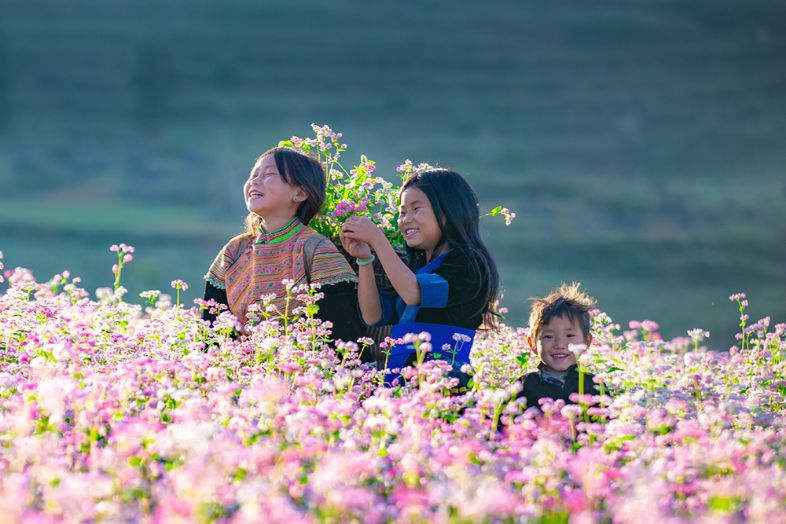
Spring in Ha Giang is magical, as Vietnam’s far north bursts to life with blooming apricot trees, emerald rice terraces, and vibrant cultural experiences. Perfect for nature lovers, adventure seekers, and culture enthusiasts, it’s the ideal season to explore the Northern Highlands.
The Ha Giang Spring Calendar: Jan to May Breakdown
Spring marks the start of the travel season, from late December to May, with mild weather and daytime temperatures between 15°C and 25°C—perfect for riding and trekking.
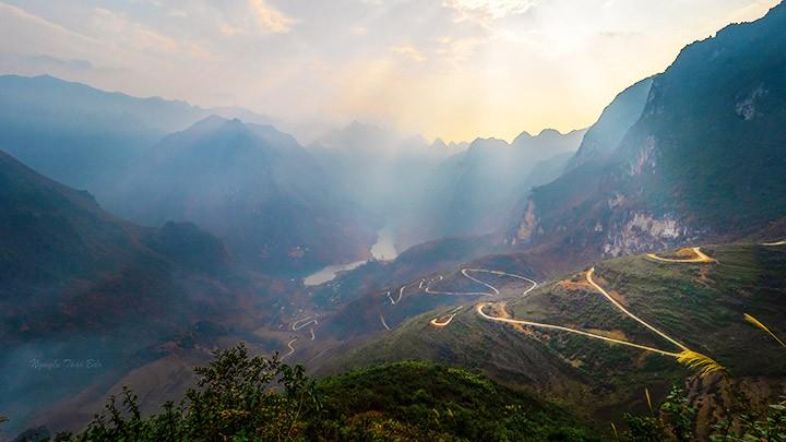
However, those early mornings in January and February can still be quite cold, sometimes dropping below 10°C, so don’t leave your warm layers behind!
The Ephemeral Beauty of Plum and Peach Blossoms (Late Jan – Early Mar)
The best time to witness Ha Giang’s magic is from late January to early March, when wild plum and peach blossoms paint the rugged landscape in white and pink. Unlike city trees, these blossoms grow directly from the grey karst rocks, creating a truly breathtaking scene.
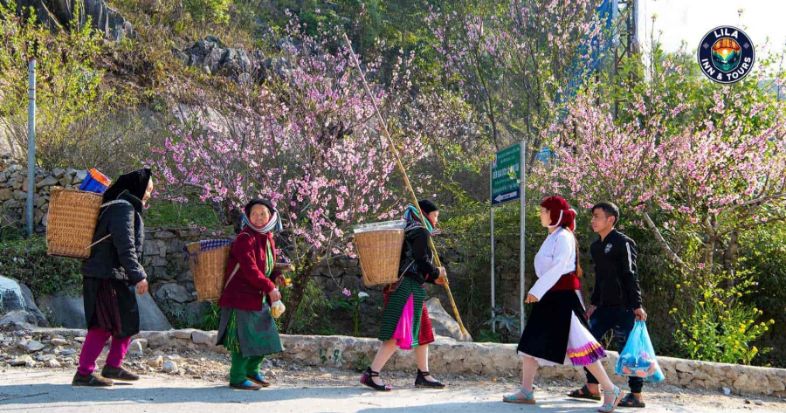
Peak bloom often coincides with the Tet Nguyen Dan, usually between late January and mid-February, though the exact timing shifts each year. At this moment, the flowers beautifully frame the rammed-earth houses of the H’Mong people, blending natural splendor with rich local culture.
Kapok Trees and the Green Transition (Mid-Mar – Apr)
As the white and pink blossoms fade, mid-to-late March brings the fiery bloom of Kapok trees. Often standing alone by rivers or village edges, their bright red flowers create a dramatic contrast, signaling the end of early spring and the arrival of lush greenery.
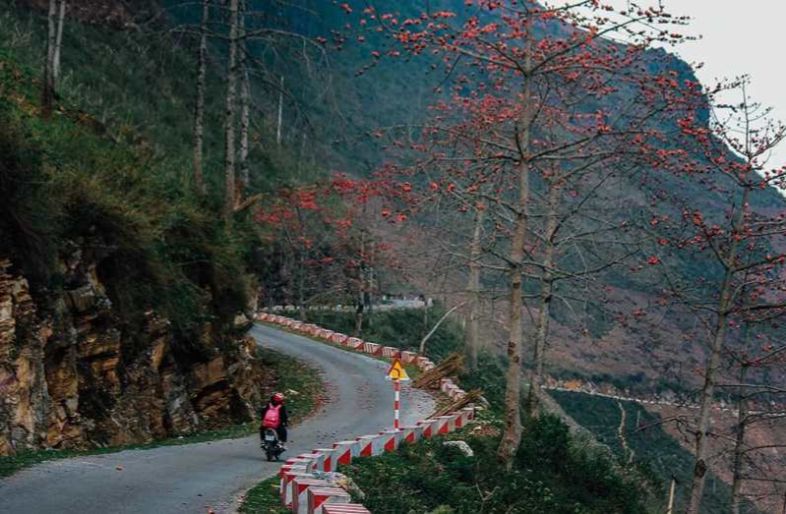
April offers clear skies and warm temperatures (17°C–28°C), ideal for riding the famous Ha Giang Loop. The fields turn vibrant green as farmers prepare for rice planting, completing the region’s stunning spring transformation.
Weather Watch: What to Expect on the Loop in Spring
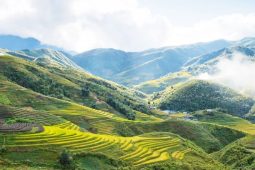
Spring, especially in March and April, brings some of the most stable weather for exploring Ha Giang. Roads are generally dry, and visibility is excellent—ideal for admiring the 800-meter-deep Nho Que River canyons. Mornings may start in mist and end in bright sunshine, so layering is essential.
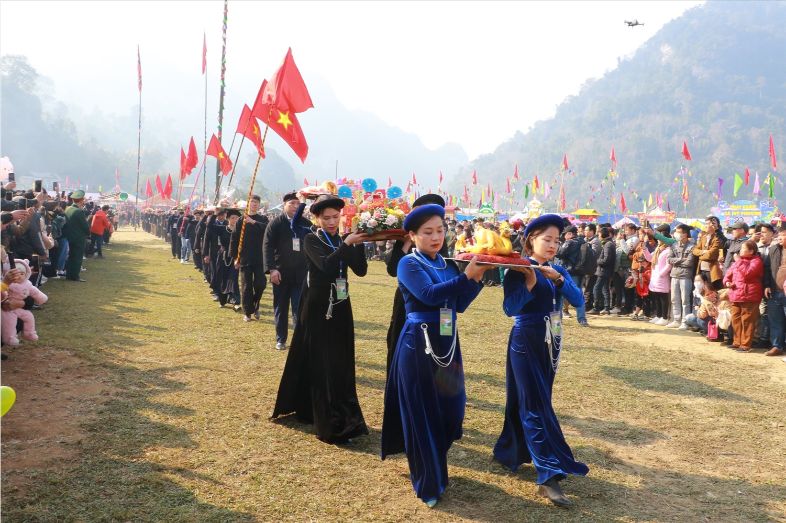
Spring is also a time of celebration. Ethnic communities like the H’mong, Dao, and Tay hold traditional festivals, offering visitors a vibrant glimpse into local customs, music, and dances that have been preserved for generations.
>>> Top Things to Do in Ha Giang in December: Nature, Culture, and Winter Magic
The Route Transformed: Spring on the Ha Giang Loop
The Ha Giang Loop is a legendary 300-400 km motorbike route, and in spring, it feels entirely new. The road is the same, but the colors, the atmosphere, and the light are fundamentally different. It transforms the challenging ride into a celebratory procession, making Ha Giang motorbike tours an unforgettable adventure for nature lovers and culture enthusiasts alike.
Quan Ba Heaven’s Gate: A Welcome to the Clouds
Spring adventures often begin with the climb from Ha Giang City to Quan Ba Heaven Gate. The air is crisp, and the valley views are spectacular.
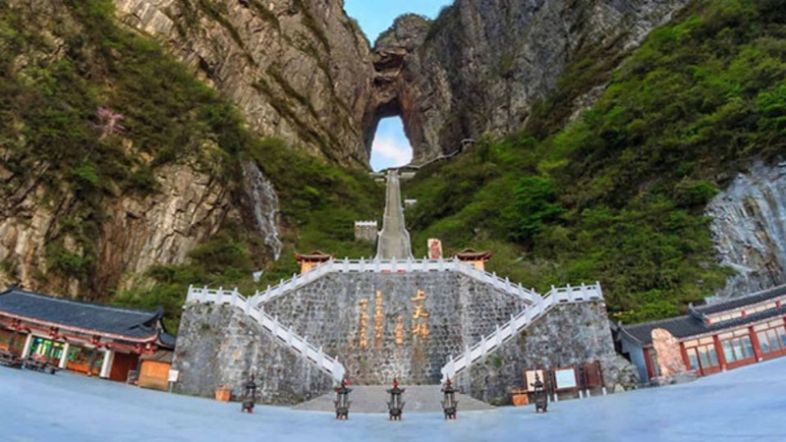
The Twin Mountains shine amidst the fresh green of young rice fields, sometimes softened by morning mist. This breathtaking scene offers a serene introduction to the beauty of Ha Giang in spring.
Dong Van Karst Plateau: The UNESCO Canvas
The Dong Van Karst Plateau, a UNESCO Global Geopark, is the dramatic heart of the Ha Giang Loop. In spring, the blooms here are especially striking, with delicate pink peach trees pushing through sheer grey cliffs—a vivid symbol of the resilience of the local people.
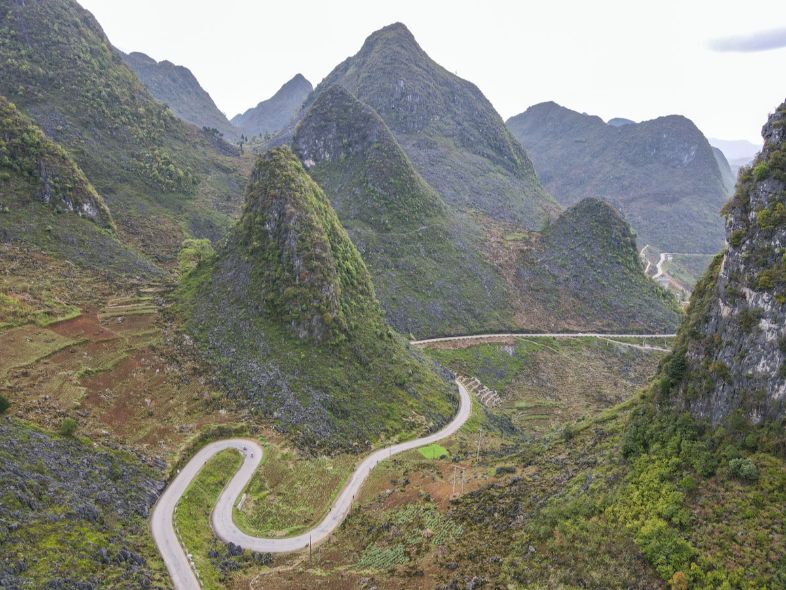
Unlike cultivated fields, the flowers grow wherever they can—on cliff edges, beside stone fences, or outside H’Mong homes. This scattered, untamed beauty captures the raw, authentic, and unforgettable essence of Hà Giang in spring.
Ma Pi Leng Pass: The Grand Canyon in Bloom
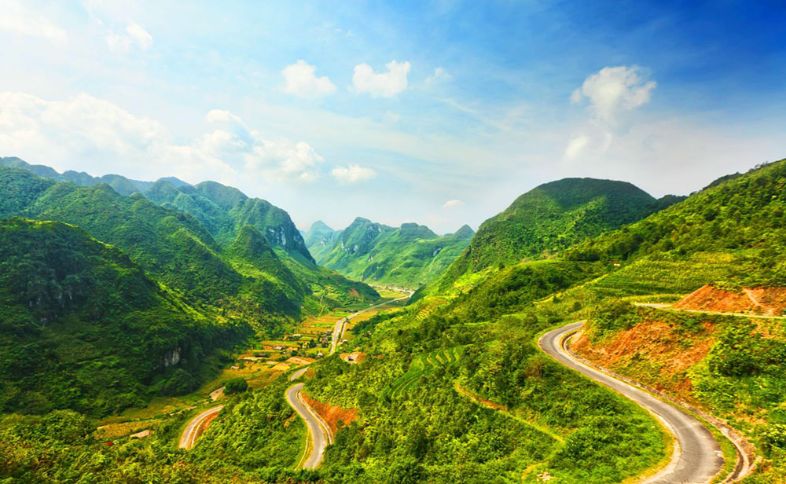
In spring, Ma Pi Leng Pass, one of Vietnam’s “Four Great Mountain Passes,” reaches the pinnacle of the Ha Giang Loop, where the legendary Nho Que River winds hundreds of meters below, framed by flowering trees, green hills, and towering cliffs that celebrate the season.
Lung Cu Flag Tower: The Symbolic Northern Tip
Continuing north, you reach Lung Cu Flag Tower, Vietnam’s symbolic northernmost point. In spring, the surrounding hills bloom vividly, making the massive flag stand out even more against a colorful floral backdrop.
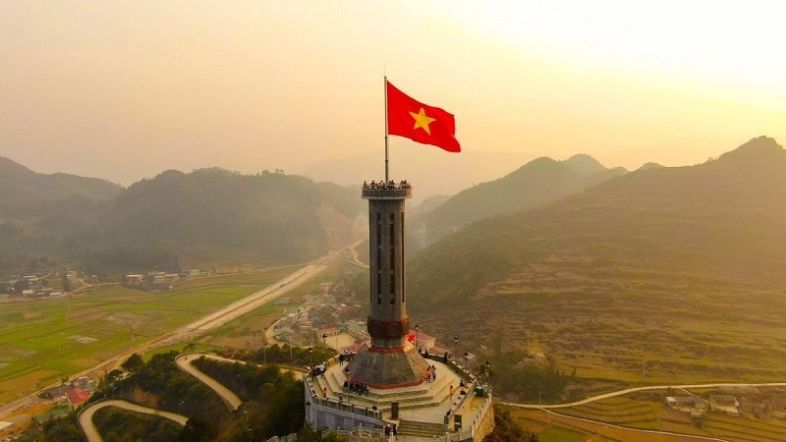
The climb to the top rewards visitors with panoramic views of checkerboard fields and traditional Lo Lo villages, often edged with pure white plum blossoms. It’s a place of patriotic pride for Vietnamese visitors and a breathtaking, triumphant highlight for all, marking the northern tip of the country in full spring bloom.
>>> Ha Giang Loop Map: Your Ultimate Guide to Adventure
Must-Visit Springtime Villages & Hidden Gems
Don’t just stick to the main road! Some of the most beautiful spring moments are found in the small, traditional villages nestled off the Loop. These hidden corners allow you to step not just into the scenery, but into the lives of the people who call this magnificent, challenging land home.
Lo Lo Chai: Earthen Houses under Plum Canopies
Located near Lung Cu Flag Tower, Lo Lo Chai is renowned for its traditional Lo Lo people and distinctive rammed-earth houses with tiled roofs.
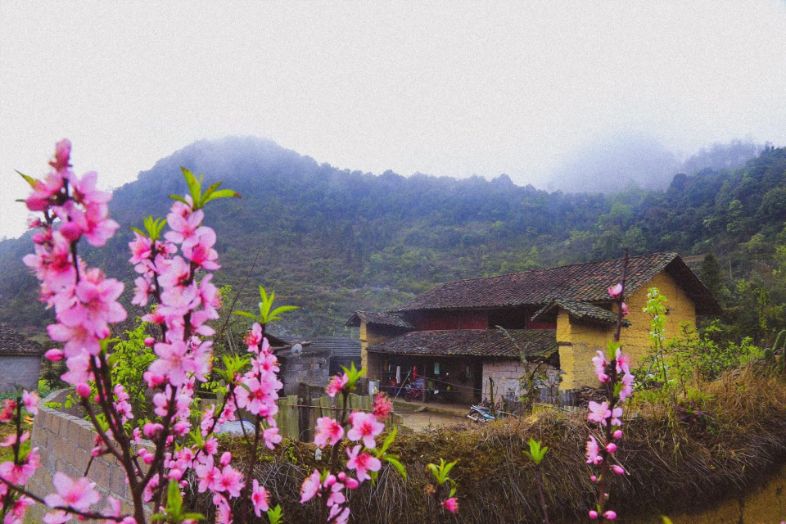
In late winter and early spring, the village transforms into a wonderland, with golden-yellow earthen walls shaded by pure peach blossoms. The scene exudes a timeless, almost mythical beauty, reflecting the deep connection between the people and their land.
Lao Xa Village: The Silver-Lined Floral Path
Hidden in Sung La Commune, the famous “Valley of the Flowers,” Lao Xa Village transforms into a stunning display of white and pink blossoms in spring. The village is also known for its traditional silversmithing workshops, where artisans continue centuries-old crafts. The rhythmic clinking of hammers blends with the floral scenery, creating a unique harmony of culture and nature.
Thien Huong Village: Apricot Blooms and Tay Traditions
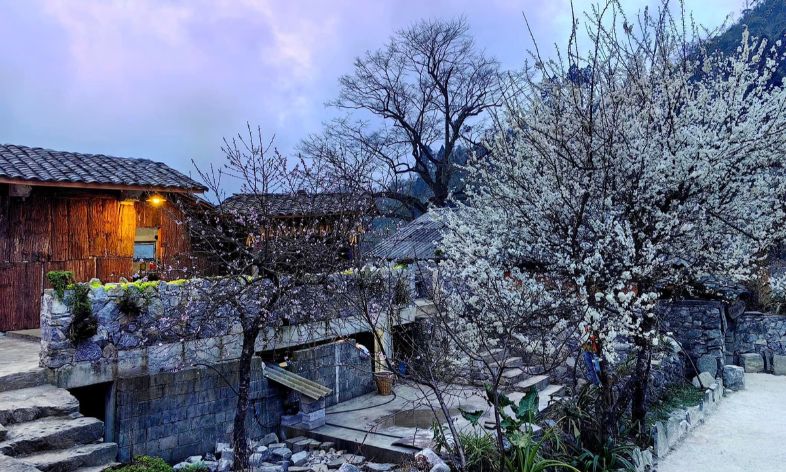
A short distance from Dong Van Town, Thien Huong is an ancient Tay village known for its stone fences and centuries-old apricot trees. In spring, these gnarled, moss-covered trees burst into fragrant white blooms.
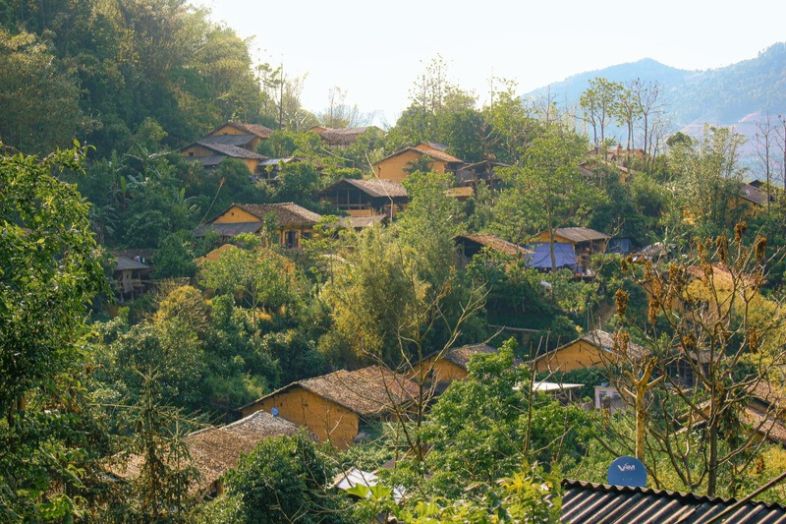
Strolling along the narrow paths, visitors are immersed in a peaceful, timeless atmosphere. Many locals still brew traditional corn wine, adding a cultural touch to the serene beauty of the spring landscape.
Pho Bang: A Timeworn Town Draped in Peach and Plum
Tucked near the Chinese border, Pho Bang is one of Ha Giang’s most atmospheric old towns, with rows of Chinese-style mud and wood houses that seem frozen in time.
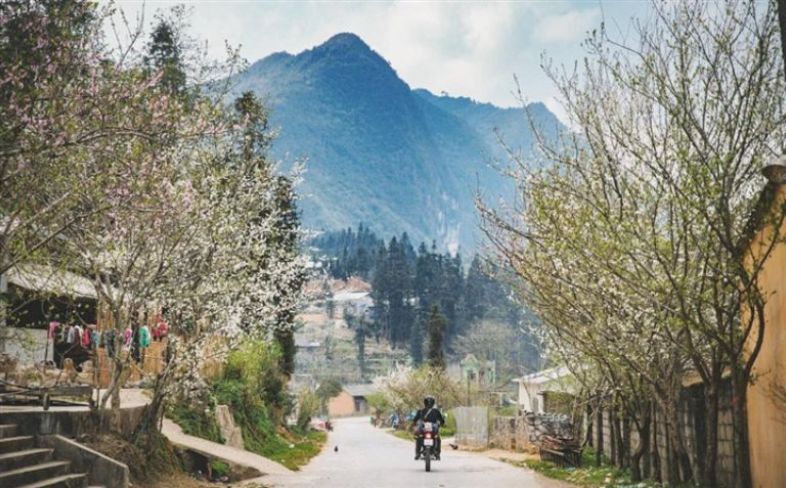
In spring, pink peach blossoms and white plum blossoms overflow the streets and walls, creating a striking contrast with the traditional architecture. This hidden gem offers a perfect blend of history and natural beauty, making it a photographer’s dream and a must-visit for those seeking an authentic, floral cultural experience.
The Spirit of Spring: Festivals and Local Culture
The flowers are just half the story. Spring is also the festival season in Ha Giang. The shift in the weather and the end of the harvest period means that the ethnic groups take time to celebrate, worship ancestors, and pray for the coming year. This is your chance for real cultural immersion.
Tet Nguyen Dan: The Ultimate Cultural Immersion
If your trip falls during Tet (late January to early February), you’ll experience a vibrant cultural celebration. Local H’Mong, Dao, and Tay people dress in their finest traditional clothing, and homes are adorned with peach blossoms and kumquat trees.
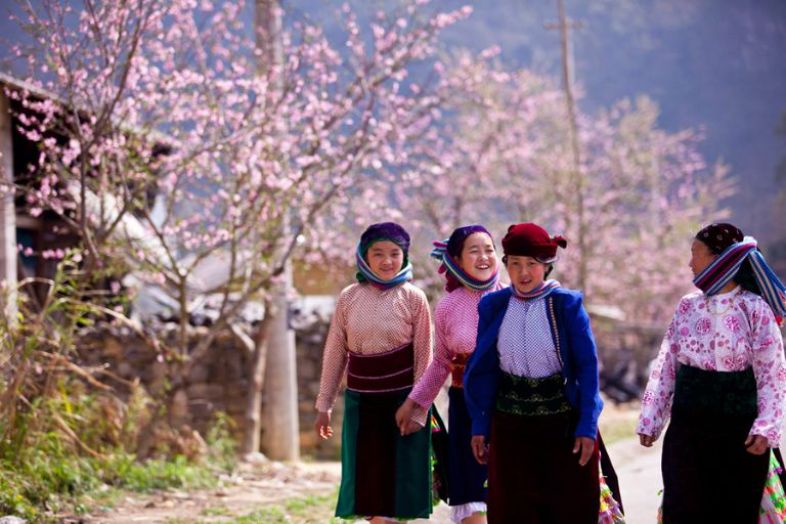
The festive atmosphere is full of color, sound, and warmth. Visitors may be invited to share meals, exchange well-wishes, and enjoy the legendary hospitality of the northern highlands, making it an unforgettable cultural experience.
The Legendary Khau Vai Love Market (April)
Held annually on the 26th day of the third lunar month (usually in April), the Khau Vai Love Market in Meo Vac district is a unique cultural event. It brings together ex-lovers to meet, share stories, and reconnect, often with the understanding of their current spouses.
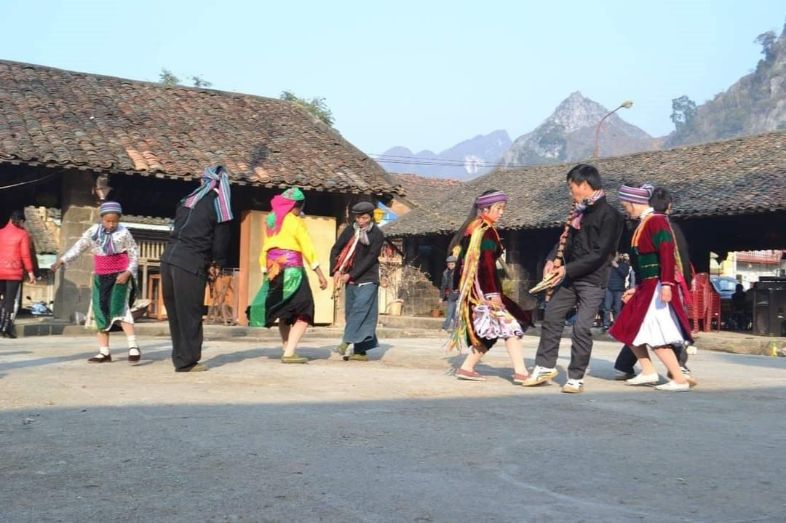
This one-of-a-kind tradition stems from a tragic love story and reflects the tolerance, deep emotion, and unique customs of the highland people. More than a market, it is a deeply moving celebration of human connection and cultural heritage.
Gau Tao and Long Tong Festivals: Praying for Prosperity
In January and February, smaller local festivals bring the northern highlands to life. The H’Mong celebrate Gau Tao, a spiritual ritual praying for fertility, health, and prosperity, featuring traditional games, flute performances, and folk singing around a symbolic pole.
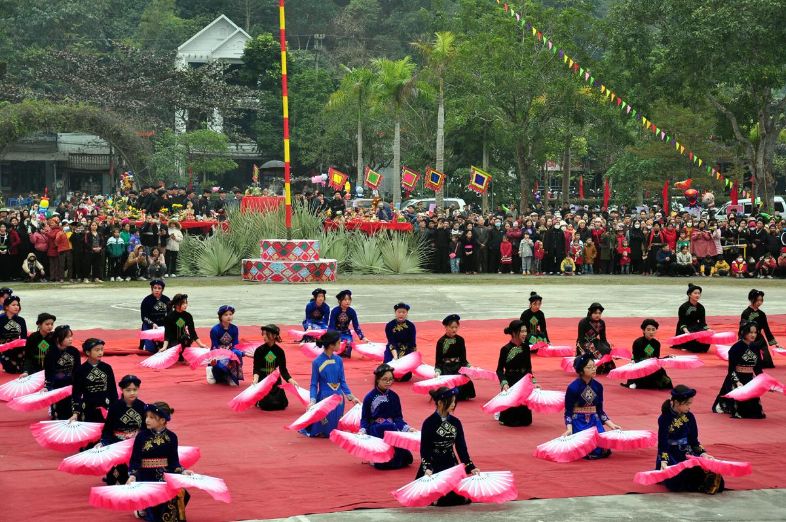
The Tày people hold the Long Tong Festival, an agricultural celebration for a bountiful harvest, with folk games like Tung Con (throwing a cloth ball through a hoop) and ceremonial ploughing. Witnessing these festivals offers a rare glimpse into the region’s living traditions and vibrant community life.
>>> Where to Buy Traditional Handicrafts and Souvenirs in Ha Giang
Essential Tips for a Spring Loop Adventure
A spring trip to Ha Giang is a journey of a lifetime, but it’s not a walk in the park. You are, after all, navigating one of the most stunning but rugged terrains in Southeast Asia. Here are a few practical pointers to ensure your trip is as smooth as it is spectacular.
Packing the Right Layers: Warm Days, Chilly Nights
Mountain weather in Ha Giang can be unpredictable. While midday sun, especially in April, can feel warm, mornings, evenings, and high-altitude areas like Meo Vac and Dong Van are often chilly.

Layering is essential: breathable t-shirts for the heat, a fleece or sweater for cooler moments, and a windproof, waterproof jacket to protect against mountain winds. Good gloves are also important for motorbike riders. Staying comfortable ensures you can fully enjoy the stunning scenery.
Safety and Road Conditions: Navigating the Spring Mist
Spring (March–April) offers the ideal conditions for riding Ha Giang’s Loop, with mostly dry roads. However, the narrow, winding routes with sheer drop-offs demand caution. Ride slowly around blind curves and stay alert for local traffic, including trucks and water buffalo.
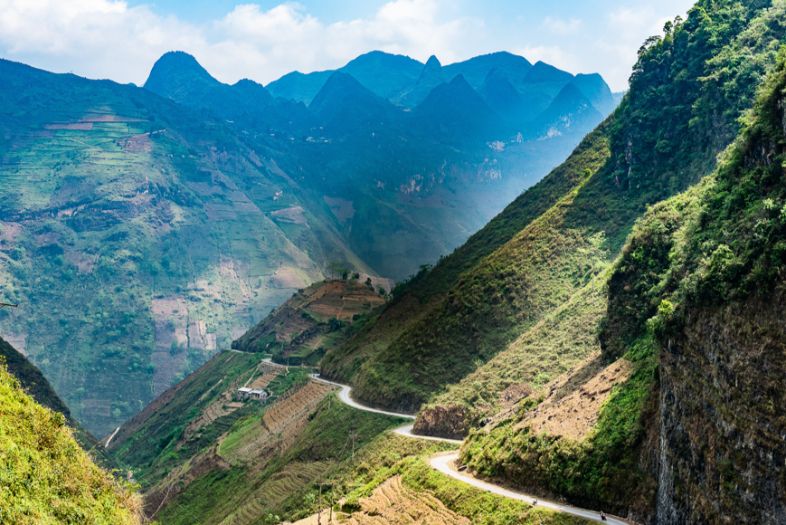
Early morning mist and fog can limit visibility, so take your time, wait for the sun, or proceed very slowly. Never ride at night, as mountain roads are unlit and extremely dangerous after dark.
Responsible Tourism: Preserving the Highland’s Beauty
Ha Giang locals are warm and welcoming, but the region’s environment and culture are delicate. In spring, practice responsible tourism: don’t pick the flowers, as they are enjoyed by all and often provide local produce. Always ask before photographing people, especially children.
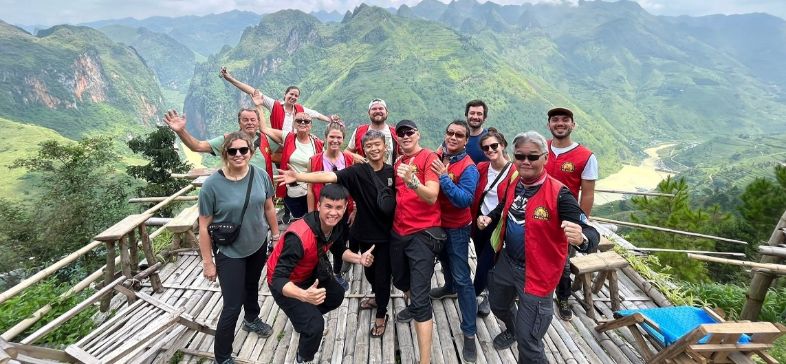
Support the local economy by staying in homestays, buying handicrafts, and dining at family-run restaurants. Respecting their way of life and the pristine landscape ensures that Ha Giang’s beauty endures for generations—leave only footprints, take only memories.
The Ha Giang Loop is unforgettable in spring, when rugged stone plateaus soften with white plum and pink wild peach blossoms, and festivals like Tết and the Khau Vai Love Market bring local culture to life. Slow down, breathe the fresh mountain air, and let the blooming northern highlands create memories that will stay with you forever.
Related Posts:
- Ha Giang in August: Best Time to Explore Vietnam’s Hidden Gem
- Ha Giang in September: Unforgettable Landscapes and Culture
- The Ultimate Travel Guide to Ha Giang in October: Nature, Festivals, and More
- Explore Top Things to Do in Ha Giang in November






Be the first to comment!