

Nguom Ngao Cave: A Hidden Gem in Cao Bang Province
One of Vietnam’s best-kept natural secrets, Nguom Ngao Cave is tucked away in the tranquil settings of Cao Bang Province. Nguom Ngao Cave beckons people to discover its beauties with its unusual limestone formations, historical value, and amazing biodiversity. Let MOTOGO Tours explore.
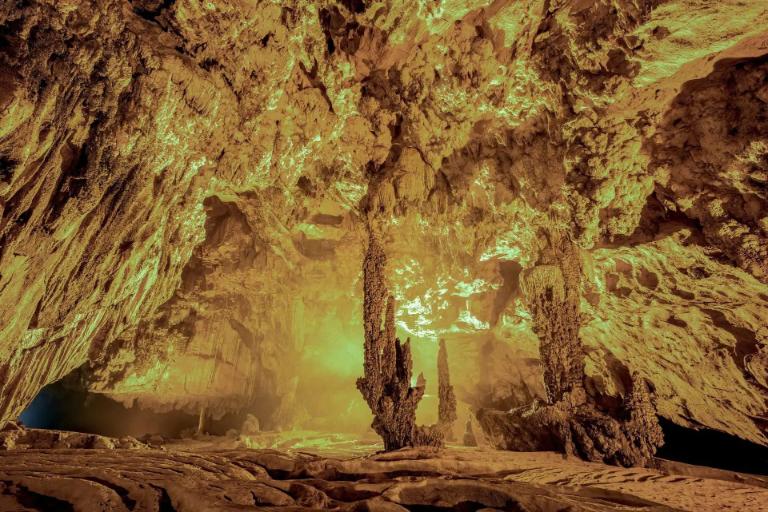
Nguom Ngao Cave: An Overview of Cao Bang’s Famous Limestone Cave
Nguom Ngao Cave is one of Cao Bang’s most iconic natural wonders, featuring vast chambers and dramatic limestone formations just a short distance from Ban Gioc Waterfall. It’s a must-see highlight for any Northern Vietnam itinerary.
Where Nguom Ngao Cave Is Located
Located in Phu Linh Commune, Trung Khanh District about 25 km from Cao Bang City and close to Ban Gioc Waterfall, the cave is easy to reach and surrounded by beautiful scenery. With nearby spots like Thang Hen Lake and the Cao Bang Geopark, it’s the perfect stop for nature lovers and explorers alike.
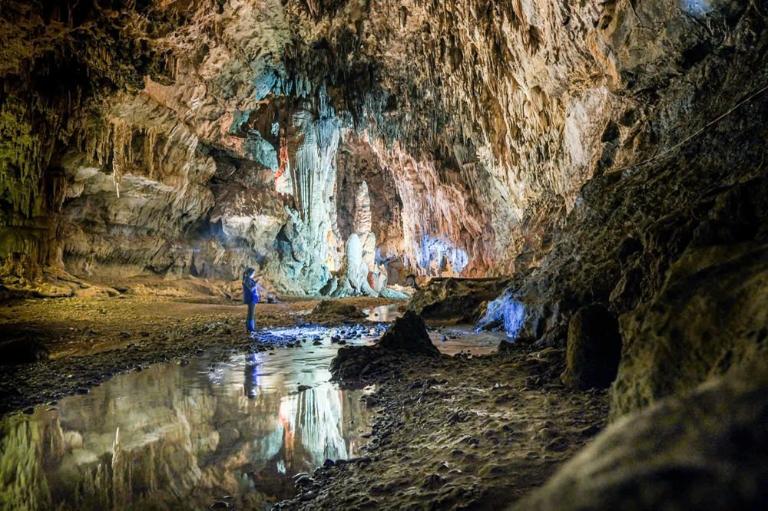
Nguom Ngao Cave is a stunning natural masterpiece formed over millions of years in the karst mountains of Northern Vietnam. Its vast chambers, glowing calcite formations, and surreal stalactites and stalagmites make it one of the most impressive caves in the country.
A Brief History and the Legend of the Tigers
Nguom Ngao’s name comes from the Tay language: “Nguom” means cave, and “Ngao” means tiger, earning it the evocative title “Tiger Cave.” According to local legend, wild tigers once lived deep within its chambers, their roars echoing through the dark and terrifying nearby villagers. While the tigers are long gone, the story captures the cave’s raw, untamed spirit.
Nguom Ngao was only opened to tourists in recent decades, which explains why it still feels incredibly pristine and uncrowded. Unlike many popular natural attractions, this cave retains a sense of mystery and discovery. Walking through it, you’re not just exploring a geological wonder, you’re retracing the steps of early explorers and, perhaps, the legendary “tigers” that inspired its name.
A Geological Marvel: How Was Nguom Ngao Cave Formed?
Nguom Ngao is a classic karst cave, created over millions of years as rainwater and underground rivers slowly dissolved the region’s limestone mountains. This gradual process known as karstification carved out the vast chambers and winding tunnels that make the cave so spectacular today.
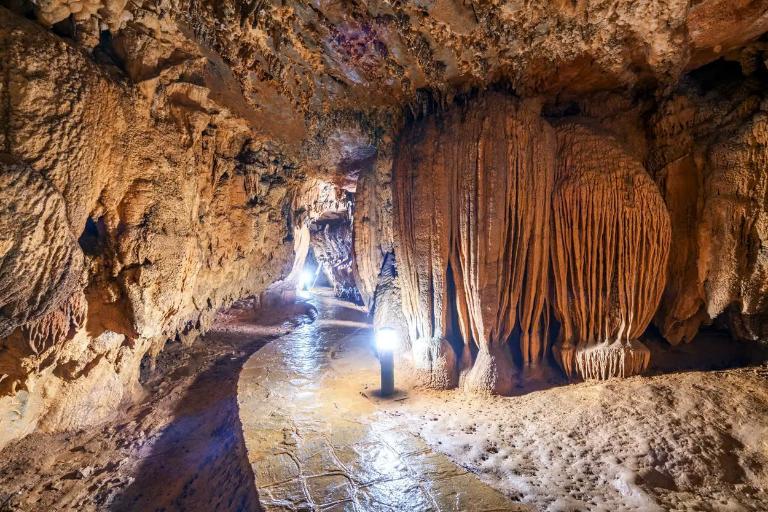
As mineral-rich water drips and evaporates, it leaves behind calcium carbonate, creating Nguom Ngao’s iconic stalactites, stalagmites, and other formations. These structures are still growing today, making the cave a living geological masterpiece in constant transformation.
>>> Discover Me Pja Pass in Cao Bang: Vietnam’s Most Thrilling Mountain Road
Exploring the Wonders Inside Nguom Ngao Cave
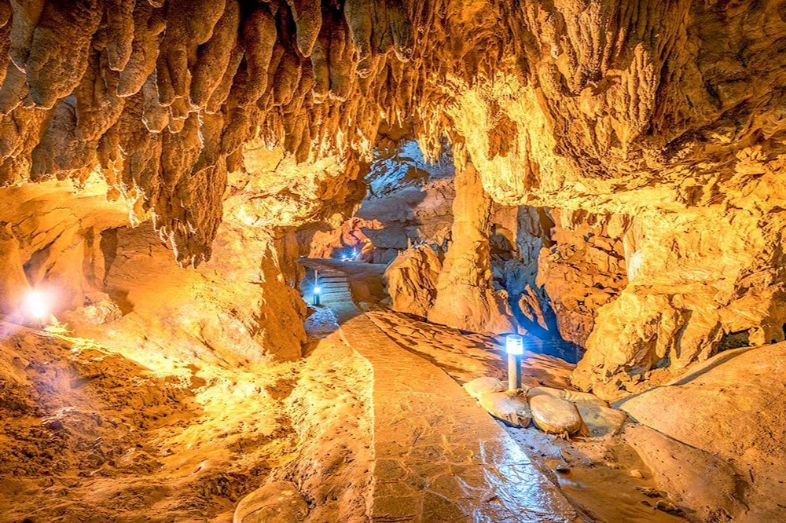
Nguom Ngao Cave stands out for its sheer size over 2,144 meters long, with nearly 900 meters open to visitors. Its vast chambers and soaring ceilings create an awe-inspiring sense of scale from the moment you enter. But its true magic lies in the remarkable variety of formations. The cave is filled with dense clusters of stalactites, stalagmites, flowstones, and draperies, making it feel like a natural art gallery sculpted by water and time.
Walking Through Time: The Cave’s Spectacular Formations
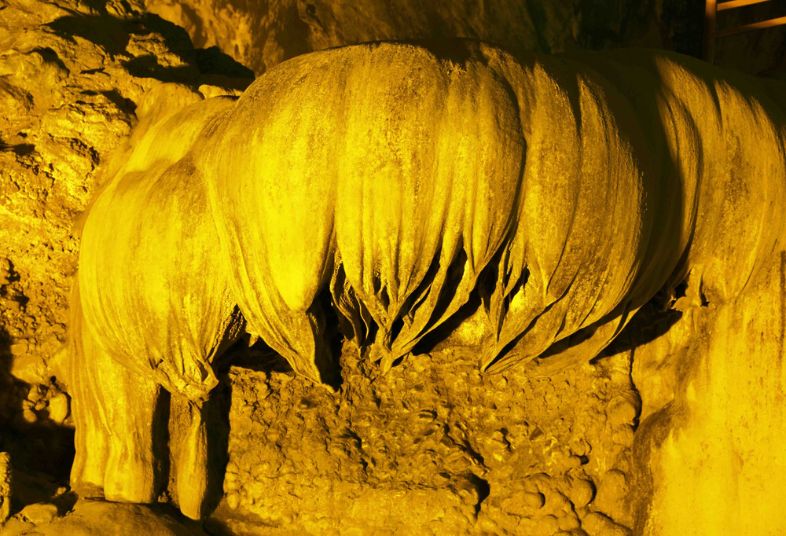
As you move deeper into Nguom Ngao, you’ll notice that many formations have earned imaginative local names because with a bit of creativity, they resemble everything from rice terraces to draped silk curtains. These natural sculptures, shaped over thousands of years, feel like solid stone versions of cloud shapes.
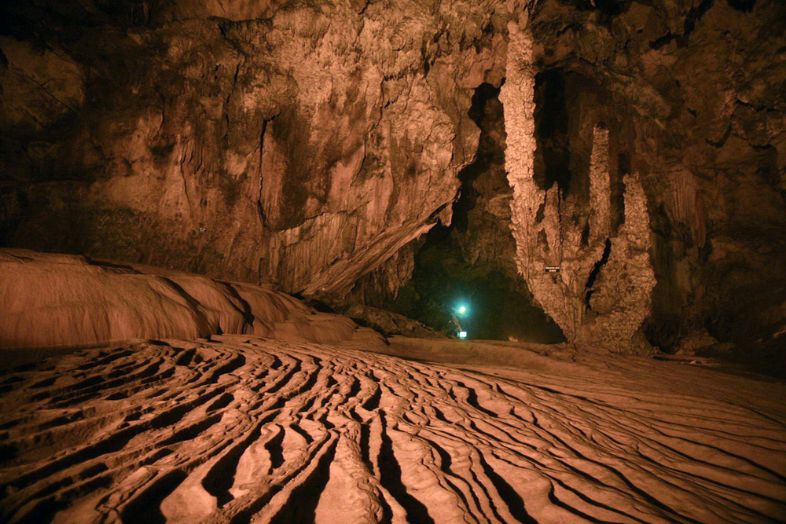
Delicate draperies hang like frozen fabric, terraced calcite formations mimic mountain paddies, and towering columns look like ancient petrified trees. Soft, carefully placed lighting enhances their textures and shadows, adding just enough drama to make each chamber feel like a new discovery.
The ‘Centre Palace’ and its Regal Stalactites
Often called the “Centre Palace” or “Thousand-Metre-High Palace,” this is the widest and tallest chamber of Nguom Ngao Cave. The space feels like a natural cathedral, with giant stalactites and stalagmites merging into enormous pillars that resemble the columns of an ancient temple.
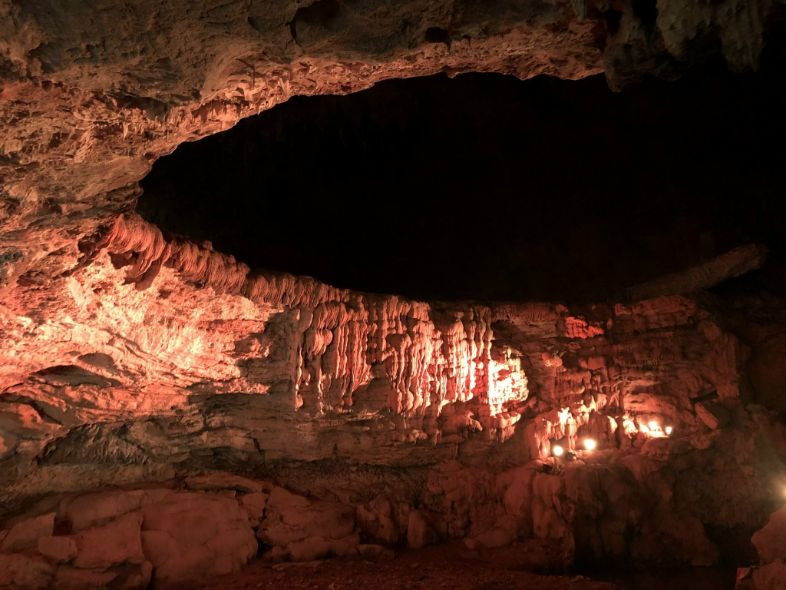
Standing beneath these formations, you can’t help but feel humbled by the vast scale and the immense geological time it took to shape this breathtaking chamber.
Underground Rivers and Echoing Chambers
Nguom Ngao Cave is more than simply a collection of rock formations; it also features a network of subterranean rivers that lends mystery and tranquilly to the visit. The soft sound of water running through the cavern accentuates the peace. The landscape gains a magical touch in some areas when the rivers create shallow pools reflecting the surrounding structures.
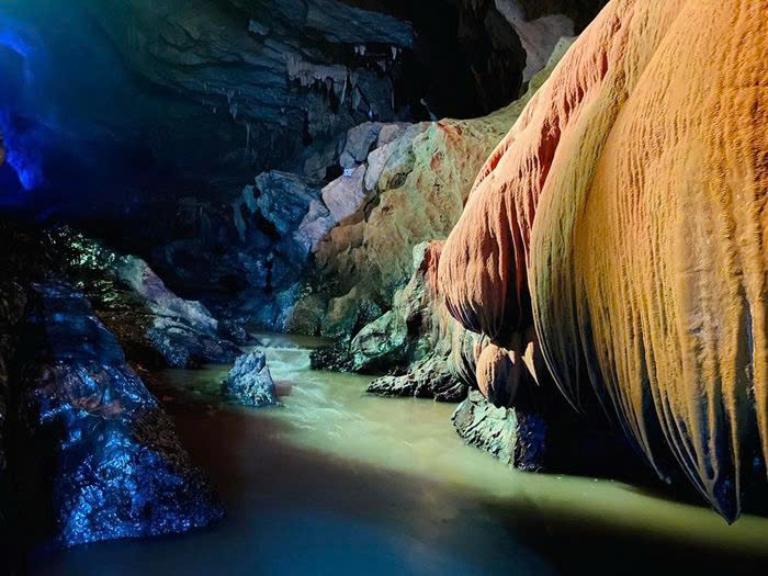
The cavernous chambers inside the cave, where natural acoustics magnify every sound, also highlight These chambers are ideal for understanding the overwhelming enormity of Nguom Ngao and experiencing humility in the grandeur of the surroundings.
The ‘Treasure Garden’ of Calcite Deposits
Beyond the towering columns of the Centre Palace lies the “Treasure Garden,” an area known for its delicate, water-filled “rice paddy” formations. These rimstone dams and flowstones form tiny terraces across the cave floor, created as mineral-rich water slowly builds up natural walls that hold shimmering pools.
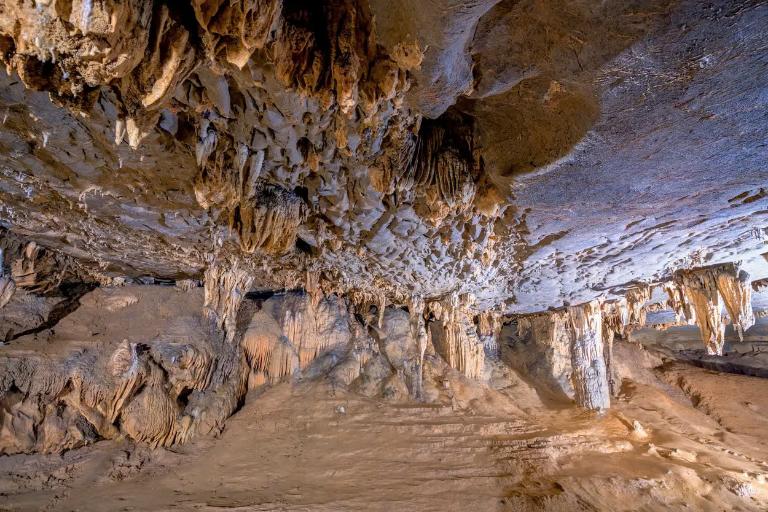
In the soft lighting, these clear pools reflect the formations above, creating a double-layered scene of quiet beauty. This is where you really appreciate the cave’s finer details, proof that some of nature’s most stunning treasures are small, intricate, and shaped drop by drop.
A Symphony of Senses: Light, Sound, and Air Inside the Cave
Nguom Ngao isn’t just a visual wonder, it’s a full sensory experience. The air is cool and fresh, offering relief from the humid world outside, and the quiet is broken only by the rhythmic drip of water echoing through the chambers. Each step creates a soft reverberation, reminding you of the sheer size of the spaces around you.
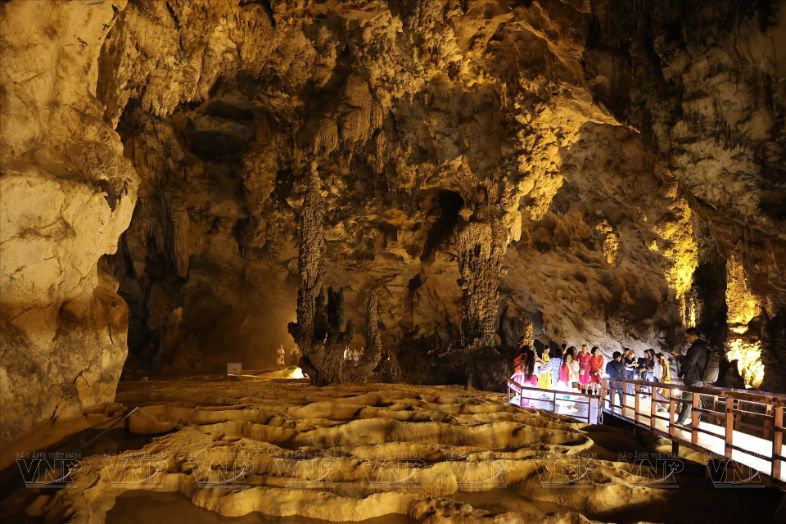
The cave’s lighting adds to the atmosphere, gently illuminating creamy whites, rusty reds, and soft green tones in the rock. Instead of darkness, you walk through a glowing, serene underworld: mysterious, calming, and unlike anything you’ve felt before.
Nearby Attractions to Combine with Your Visit
When visiting Nguom Ngao Cave, you’re in for a treat, not just because of the cave itself but because it’s located in a region brimming with incredible attractions. From calm lakes and historical landmarks to tumbling waterfalls, Cao Bang presents a wealth of must-see locations ideal for complementing your cave tour.
Ban Gioc Waterfall
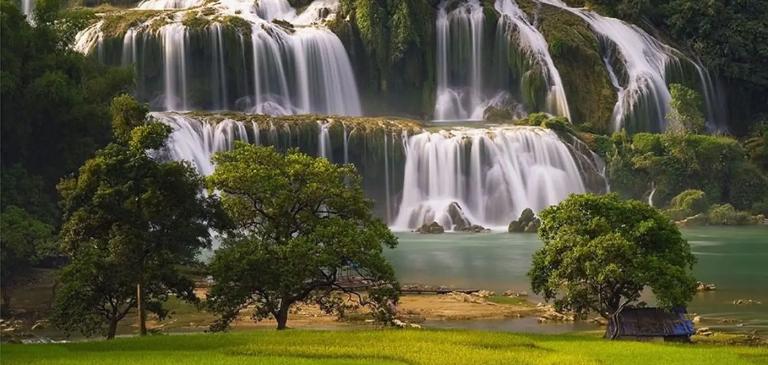
Ban Gioc Waterfall is a natural beauty that will astounds you about three kilometers from Nguom Ngao Cave. One of the most amazing transnational waterfalls in Asia, it is the biggest one in Vietnam and shared with surrounding China. Feeling the cool spray on your face, you can climb on a bamboo raft to go near the base of the falls. Photographs are also quite good here since the emerald-green river offers a striking contrast to the white falls.
Truc Lam Ban Gioc Pagoda
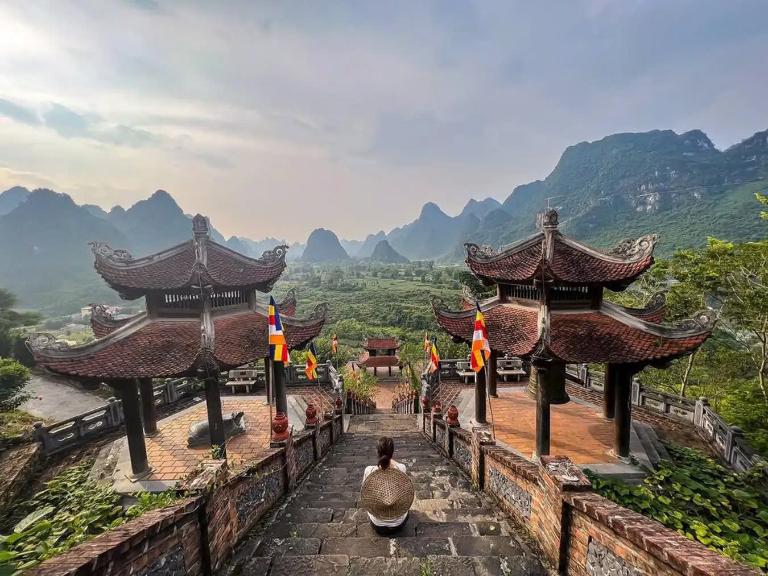
Nestled on a hill next to Ban Gioc Waterfall, Truc Lam Ban Gioc Pagoda is a calm spiritual haven. The architecture of the pagoda captures conventional Vietnamese Buddhist style. From the mountaintop, you will have amazing views of the large rice fields far down and Ban Gioc Waterfall. This is the location to discover a moment of serenity among your adventures.
Planning Your Trip: Practical Advice for Visitors
Ready to go? Excellent! While getting to Cao Bang Province is a journey, it’s a manageable one. Planning ahead will ensure your trip is smooth and enjoyable. Remember, this isn’t a quick day trip from Hanoi; it requires commitment, but the rewards are immeasurable.
Getting There: Transportation Options from Hanoi and Cao Bang City
Most travelers begin their journey in Hanoi, with sleeper buses being the easiest and most affordable way to reach Cao Bang City. The ride takes about 8–10 hours, and since buses leave in the evening, you can rest through the night and arrive ready to explore.
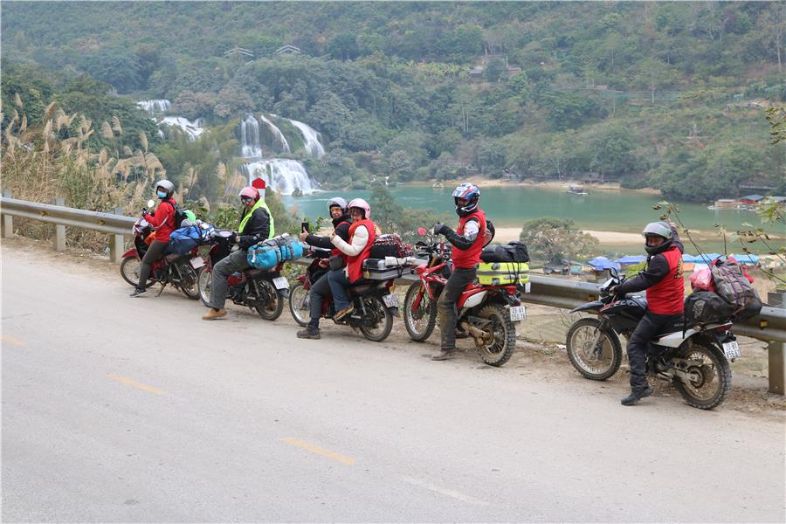
From Cao Bang City, Nguom Ngao Cave is roughly 90 km away. You can rent a motorbike, great for flexibility and enjoying the stunning karst scenery or hire a private car/taxi for convenience. The roads are generally good, but be sure your bike rental is reliable and that you’re comfortable with long-distance riding.
Best Time to Visit Nguom Ngao
The best time to visit Cao Bang is during the dry season, from October to April, when the weather is cool and the roads are easier to navigate. This period offers the most comfortable conditions for caving and long motorbike journeys.
The wet season, from May to September, comes with its own highlight: Ban Gioc Waterfall at its most powerful and dramatic. If you want comfort, choose the dry months; if you want the most spectacular waterfall views, embrace the wet season.
Must-Have Items for a Comfortable Cave Visit
A few simple items can make your cave exploration smoother, safer, and far more enjoyable. Here’s what you shouldn’t skip:
- A Light Jacket or Sweater: The temperature inside Nguom Ngao Cave stays cool (around 18–20°C). It’s refreshing at first but can feel chilly after some time, so an extra layer helps.
- Sturdy Shoes: The path is paved but can get slippery from moisture and dripping water. Wear shoes with good traction to stay safe.
- Water and Snacks: Vendors are available near the entrance (shared with Ban Gioc Waterfall), but it’s best to bring your own for the bus ride and the journey between attractions.
- A Camera: You’ll want to capture the cave’s stunning formations. The lighting is good, but for long-exposure shots in low light, a tripod makes a big difference.

Visiting Nguom Ngao Cave is a trip into Vietnam’s natural beauty and cultural legacy, not only a sight-seeing excursion. Nguom Ngao is a special experience that will astound you whether your interests are in learning about its historical relevance, appreciating the formations inside the cave, or traversing the nearby nature. If you want to know all the details about the location, join Vietnam Motorbike Tours, where you’ll have a full guide to assist you.
Related Posts:
- Best Places to Visit in Cao Bang: Nature and History Combined
- Phong Nam Valley in Cao Bang: Discover a Hidden Gem of Vietnam’s North
- Explore the Wonders of Nui Thung Mountain in Cao Bang






Be the first to comment!