

Old City Gate Hanoi (O Quan Chuong): A Historical Landmark in the Heart of the Old Quarter
The Old City Gate (O Quan Chuong) is a beautiful gateway to the past that can be found in Hanoi’s busy Old Quarter. It is a weathered remnant of the imperial city of Thăng Long that tells the story of Vietnamese history through its moss-covered tiles and old stones. This isn’t just a pretty archway; it’s a real sign of trade, defense, and the country’s spirit that still fascinates both locals and tourists. Come along with MOTOGO Tours as we open up the amazing history that these old walls hold and find out why this one building is so vital to the heart of Vietnam’s capital.
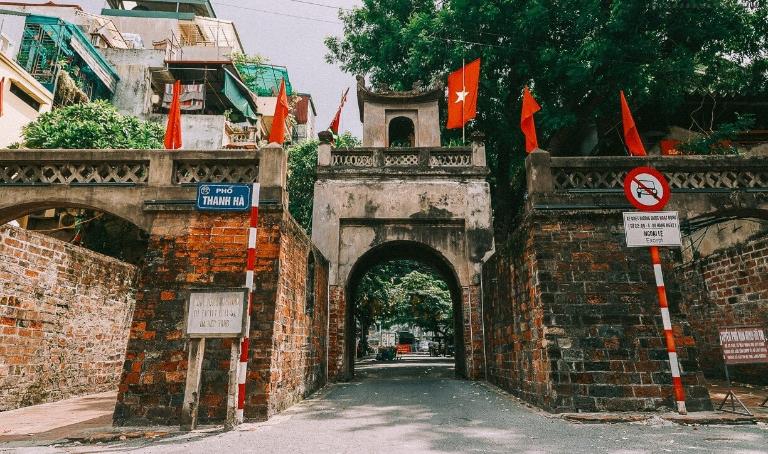
The History of Old City Gate Hanoi
O Quan Chuong, which is sometimes dubbed the Old City Gate of Hanoi, is a remarkable example of the city’s long and interesting past. The Le Dynasty built this huge edifice in the late 1700s. It was one of many gates that used to protect the historic citadel of Thăng Long, which is now Hanoi. The gate was put in a strategic area as part of a bigger defense system to keep attackers from the north out and secure the center of the imperial city.
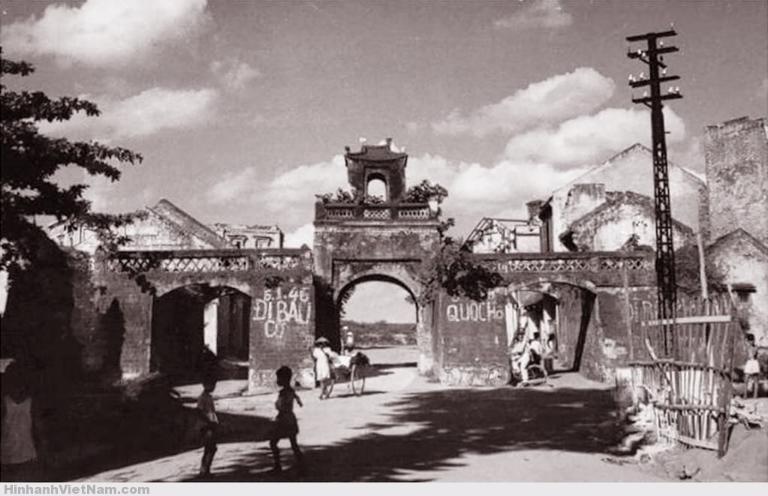
O Quan Chuong was named after a famous military captain known for his bravery and leadership. It had two purposes: as a strong defensive and as a strategic checkpoint to keep an eye on the flow of people and products into the city. The gate was built employing military engineering ideas from China and Vietnam and strong stone and brick. It was the city’s first line of defense against both planned attacks and natural calamities. As Thăng Long grew into a busy center of trade, culture, and politics, the Old City Gate became an important part in keeping the city safe and prosperous.
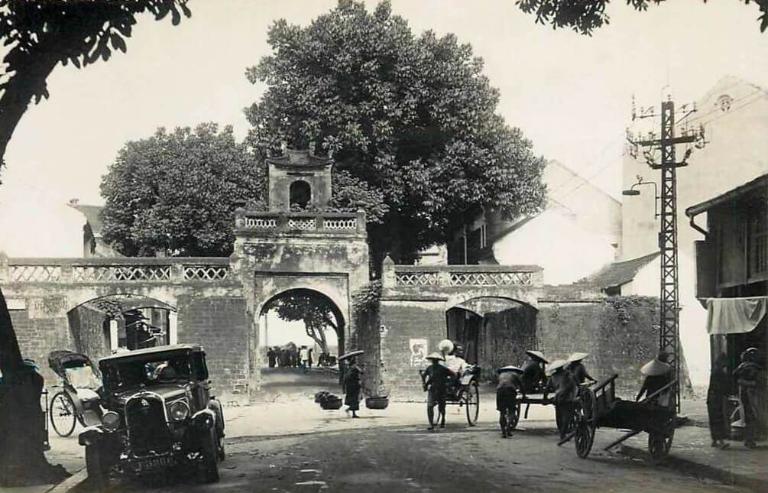
This historic landmark has been the venue of some of Vietnam’s most important events over the years. Hanoi’s landscape altered a lot during French colonial administration in the 19th century, yet the Old City Gate stayed the same, signaling that the city was powerful and stable. The edifice stood up to later battles, even the horrific airstrikes of the Vietnam War. Today, it is one of the few old city gates left in Hanoi. It is a really strong indication of how strong the country is.
>>> Explore: History of Hanoi: A Journey Through Vietnam’s Capital
Exploring the Architectural Beauty of Old City Gate
O Quan Chuong Gate is not only a military site, but also an architectural wonder that perfectly mixes strong defenses with traditional Vietnamese beauty. This shows how clever the ancient builders were to make a building that was both strong and beautiful.
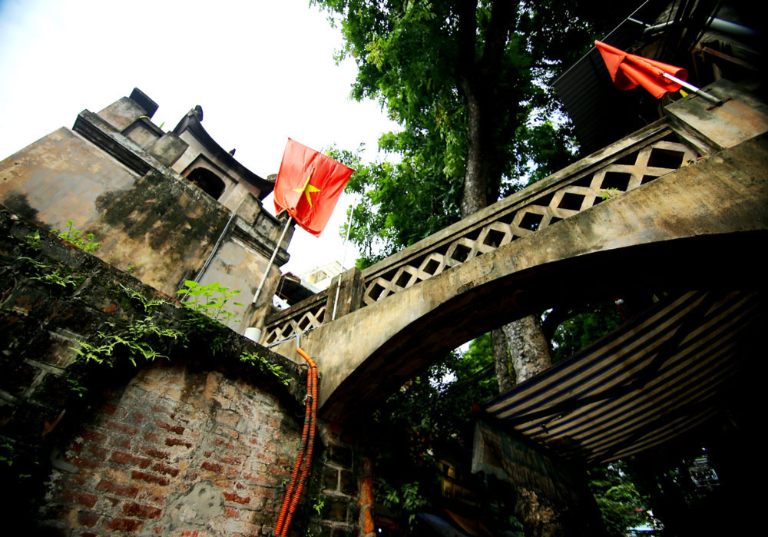
Bricks, Mortar, and History: Examining the Gate’s Structure
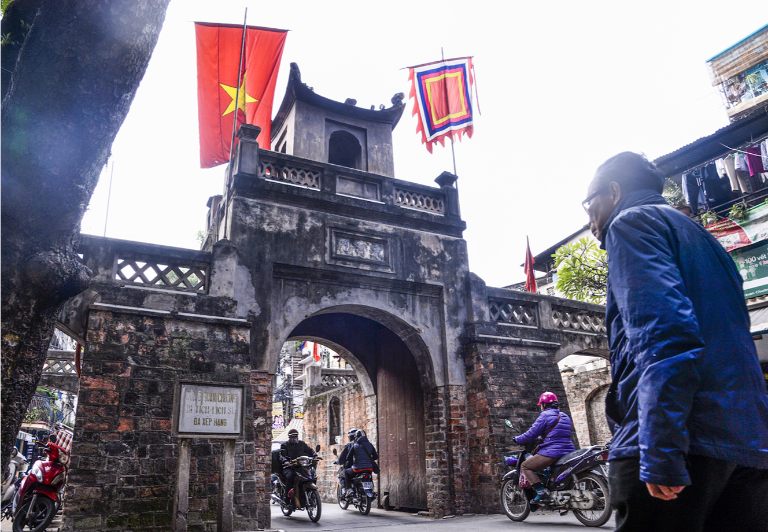
Step up and touch the walls. The strong, dark bricks and stone foundations were made from materials that have been around for hundreds of years and are known for their strength. The gate has three doors: a huge central archway with two smaller pedestrian entrances on either side. This smart design kept traffic moving while still providing a strong defense. These walls are so thick that they seem to be permanent, like a carefully made shield that will last forever.
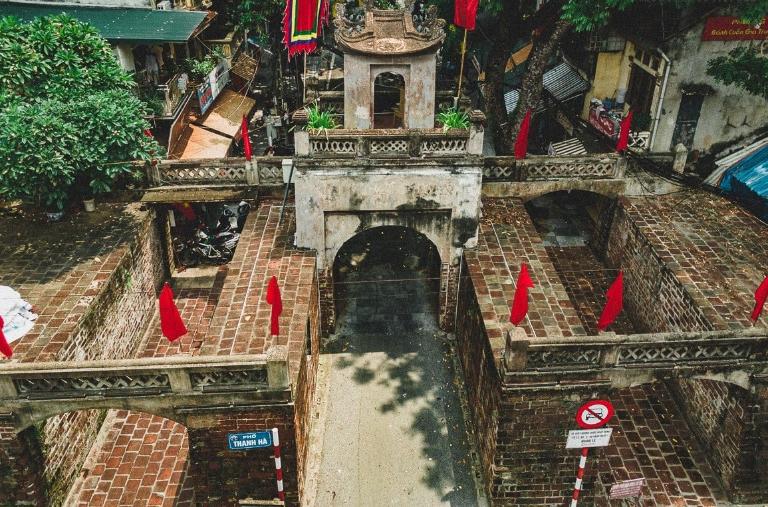
The Two-Tiered Grandeur: The Unique Design’s Secret
The two-tiered design of O Quan Chuong sets it apart from other archways. The base looks like a fortress and has three arched pathways. The top has a beautiful watchtower where guards used to keep an eye out for threats, watch trade, and send out warnings. The traditional ceramic tiles and gently curved roof on the upper level give beauty to the practical base below, making a perfect mix of strong protection and elegant observation. This building that combines power and beauty is a great example of the advanced design ideas of imperial Vietnam.
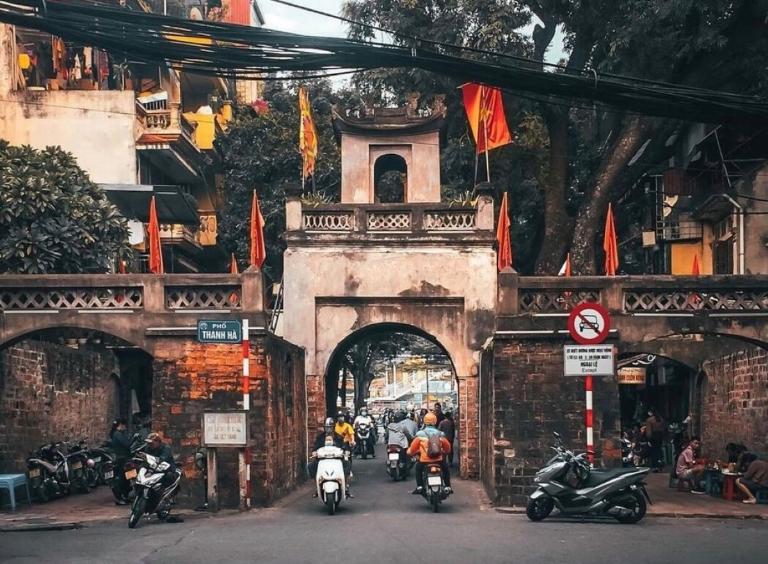
Its Architectural Style: A Fusion of Eras
The two-tiered architecture of O Quan Chuong, with a fortress-like base and three arches topped by an attractive watchtower with a curving ceramic roof, perfectly combines strong protection with traditional beauty. This is a great example of the profound architectural principles of imperial Vietnam.
>>> Let’s see more: Quan Thanh Temple: Discover the Spiritual Heart of Hanoi
Discovering the Best of Old Quarter Around O Quan Chuong
The Old City Gate isn’t just a place to go; it’s also the method to go to the fascinating Hanoi Old Quarter. When you step through O Quan Chuong, you enter a world of culture. This antique door leads to a lively tangle of sights, sounds, and smells where old traditions live on alongside modern life. The treasures of the 36 Guild Streets are only a few minutes away. Let’s find the best things to do just beyond these old walls!
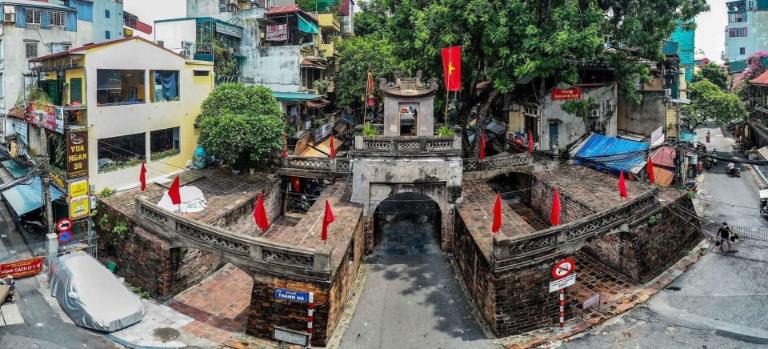
Stepping into the Heart of the 36 Ancient Streets
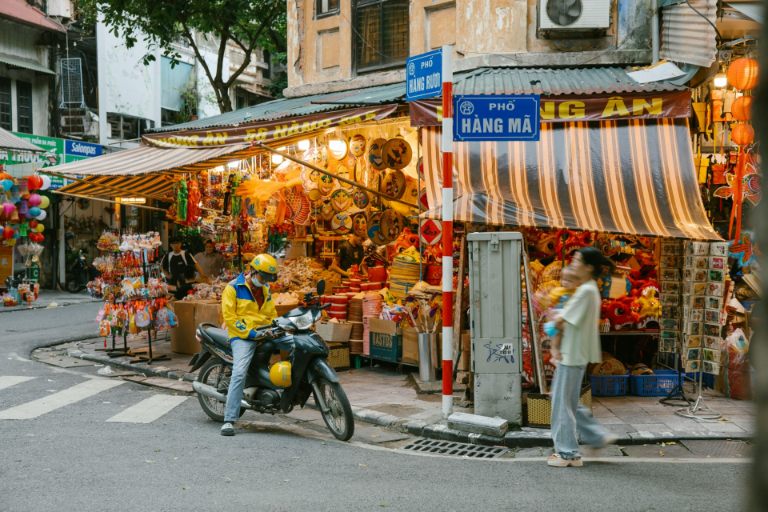
The instant you go through the arch into the lively Hanoi Old Quarter, your journey begins. The gate is surrounded by old guild lanes that used to be used for certain trades. In just a few minutes, you can reach classic streets like Hang Chieu, Hang Mam, and Hàng Buồm, which still have their crazy energy and unique trade names that have developed over hundreds of years. It’s the best area to get completely lost and feel the city’s energy in every corner.
Temple, Market, and Art: The Cultural Trifecta
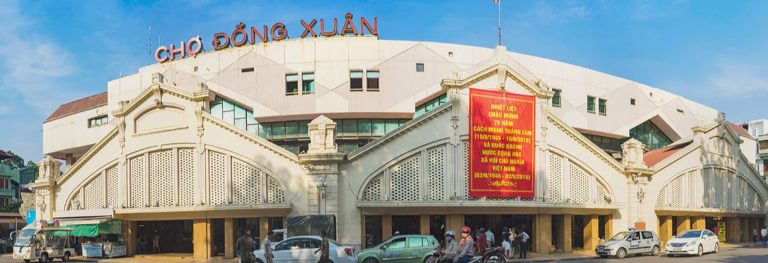
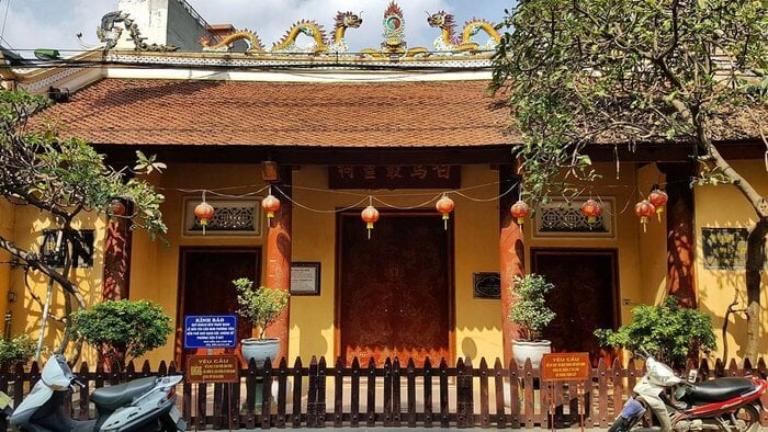
The area around O Quan Chuong is a great example of Hanoi’s cultural heart. The nearby Bach Ma Temple (one of Thang Long’s four sacred temples) is a peaceful place to reflect on your spirituality, while Đong Xuan Market, which is only 300–400 meters away, is a great place to experience street culture with local food and unique souvenirs. For a modern touch, check out Phùng Hưng Mural Street, where beautiful wall paintings mix old buildings with modern art. It’s a great place to walk around and take pictures. These places make for an exciting trip from sacred past to lively current life.
Bridge to History and Hanoi’s Famous Nightlife
As the sun goes down, the neighborhood around the gate changes. Just a few minutes away is Ta Hien Beer Street, Hanoi’s most famous nightlife spot, where residents and visitors sit on plastic stools to drink cheap bia hơi and eat street food while enjoying the city’s legendary nighttime camaraderie. The famous Long Bien Bridge, erected by the French, is only 5 to 7 minutes away by bike or a nice 15-minute stroll. It has stunning views of the Red River and is another powerful emblem of Hanoi’s strength in the 20th century. The gate is a great place to start your day-to-night adventure because it is close to both busy social areas and historic sites.

>>> Article for you: Discover the Enchantment of Ngoc Son Temple in Hanoi
Must-Know Tips for Your Visit to O Quan Chuong
Are you interested in the history and architecture of the Old City Gate? You need to know what you’re doing to see this living icon in the middle of the Old Quarter’s bustle. Use these important recommendations to make sure your visit to O Quan Chuong goes smoothly, is full of useful information, and is secure while you explore like a native.
Mastering the Art of the Approach: Traffic and Safety
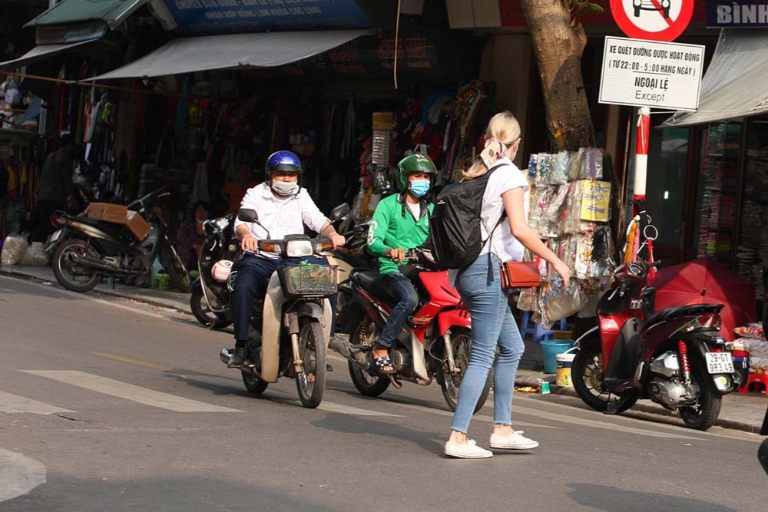
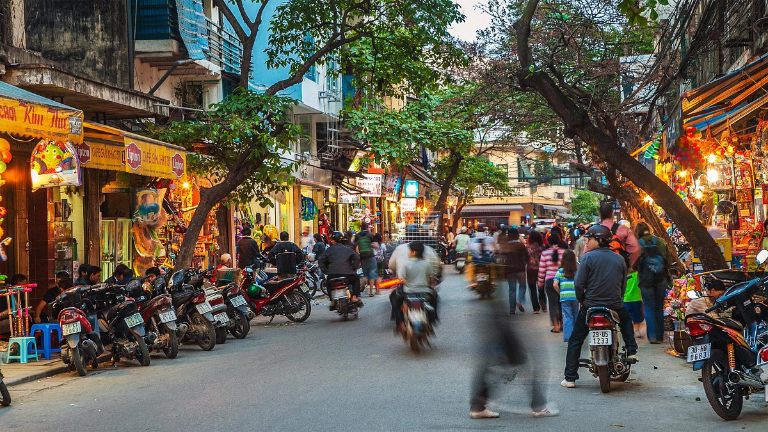
The Old City Gate is always surrounded by motorbikes, cyclos, and cars that won’t stop for your picture op. So be very careful and stay on the small paved sections just around the structure instead of standing in the street. Keep your things safe. The location is usually safe, but it’s always a good idea to keep an eye on your luggage and camera while you’re in a crowded place. We want you to really enjoy this historical site, but safety comes first!
Timing is Everything: When to Capture the Best View
When is the ideal time to visit? It depends on what you want to do. If you want to take calm, classic photos and enjoy the architecture without the noise of motorcycles, come early in the morning, around 6:00–7:00 AM, when the light is soft and there isn’t much traffic. But if you want to see the gate as a “living museum,” with the dramatic clash of old stone and modern life, go in the middle of the morning (10:00 AM) or late afternoon (4:00 PM) when sellers set up, people talk, and the Old Quarter’s full, busy pulse surrounds O Quan Chuong. Every time frame gives you a different but equally interesting view of this historic site.
Look Beyond the Arch: Exploring the Immediate Surroundings
Don’t just stroll through the arch and leave. The real wonder of O Quan Chuong is how it fits in with everyday life in Hanoi. So, right away, check out the vendors and shops that have been there for decades. Look for hidden plaques or instructional signs that give you more information about restoration efforts. Also, enjoy the real atmosphere that these long-standing local businesses provide. If you take the time to really explore the area instead of just taking a quick picture, you’ll turn your visit into a rich cultural experience that depicts the gate’s living past.
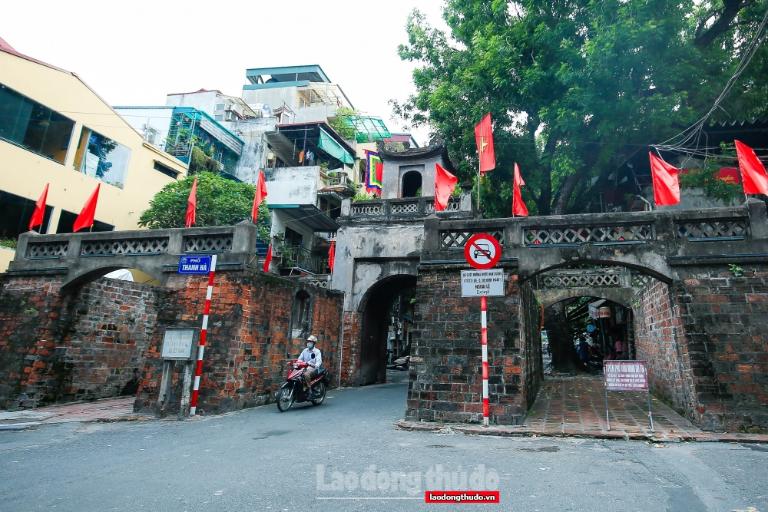
The Old City Gate Hanoi is more than just an old building; it shows how lengthy and storied the city’s history is. As one of the last gates still standing from the megacity’s old fortifications, it stands proudly as a reminder of how adaptable and strong the people of Vietnam are. Going to the gate is like going back in time. Each slip and gravestone has a tale to tell, from the protective sweating during battles to its role as a guardian of the Old Quarter.
Related Posts:
- Top Tourist Attractions in Hanoi | A Comprehensive Guide
- Hanoi Botanical Gardens: A Tranquil Escape Amid the Bustling City
- Thang Long Water Puppet Theatre: Hanoi’s Cultural Masterpiece
- Explore Hoa Lo Prison: A Dark Chapter of Vietnam War
- Hanoi Old Quarter: A Journey Through Time and Culture







Be the first to comment!