

Best Time To Visit Cao Bang: Your Ultimate Guide to Exploring This Hidden Gem
Timing is everything when planning a trip to remote, scenic Cao Bang. The right season means clear skies, ideal trekking weather, and unforgettable views; the wrong one could mean muddy trails and relentless rain. Let MOTOGO Tours dive into the details and guide you through the best time to explore this hidden gem.
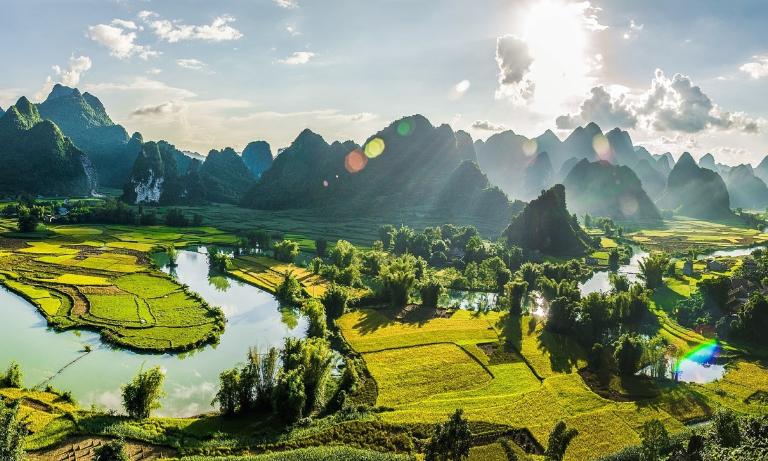
Why Cao Bang Should Be on Your Travel List
Cao Bang is a secret treasure just waiting to be found if you want to see Vietnam outside the typical travel destinations. Rising mountains, deep valleys, and some of the most breathtaking waterfalls in the nation highlight the unvarnished beauty of Vietnam here.
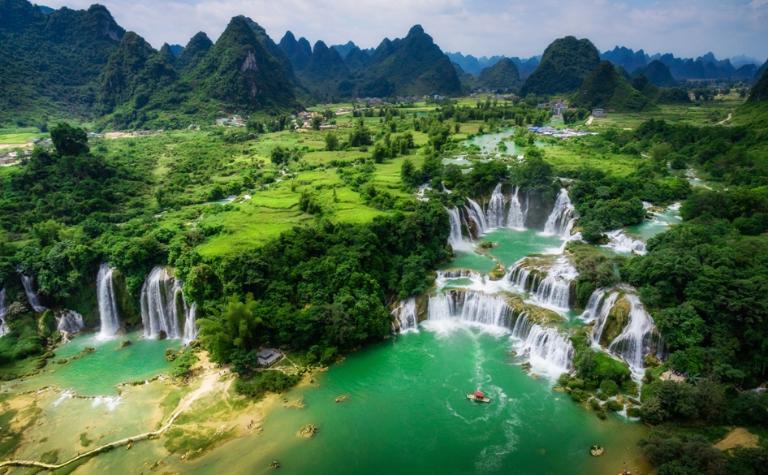
Straddling the border between Vietnam and China, the most well-known sight here is the Ban Gioc Waterfall. Apart from its natural beauty, Cao Bang boasts several ethnic minority communities, each with own customs, celebrations, and culture.
Deciphering the Climate: Understanding Cao Bang’s Seasons
Cao Bang, in Vietnam’s sub-tropical north, experiences four distinct seasons, often grouped into the Dry and Rainy periods. The weather is highly changeable, shifting quickly from sunshine to fog or rain, making timing key for a visit.
The Dry Season vs. The Rainy Season: A Quick Comparison
The Dry Season (October–April): This period features cooler temperatures, lower humidity, and minimal rainfall, making it ideal for trekking and exploring. Winter months (December–January) can be cold and foggy, so be prepared for chilly conditions.
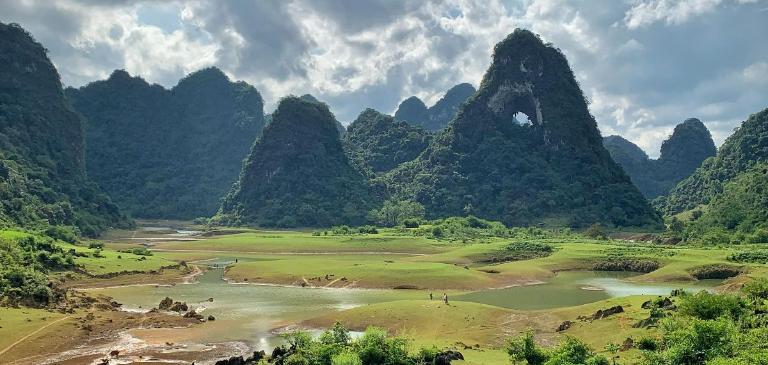
The Rainy Season (May–September): Heavy, unpredictable downpours dominate this season, which can make travel and hiking challenging. On the plus side, the landscape is lush and waterfalls are at their most dramatic and spectacular.
Elevation and Temperature Gradients
Cao Bằng’s altitude varies widely from the lower valley floors of the city to the high mountain passes near Ban Gioc Waterfall and Non Nuoc Geopark. Temperatures drop roughly 0,6°C for every 100 meters of ascent, so higher passes can feel noticeably cooler than the valleys, especially during motorbike rides.
On cold, clear nights, dense cold air can settle in the valleys while higher slopes remain warmer, a phenomenon called thermal inversion. This effect intensifies the chill and fog in towns like Trung Khanh and Cao Bang city during December and January.
The Orographic Effect and Rainfall
Cao Bang’s steep mountains force moist air from the South China Sea to rise rapidly, cooling and condensing into heavy rainfall on the windward slopes—a phenomenon called the Orographic Effect.
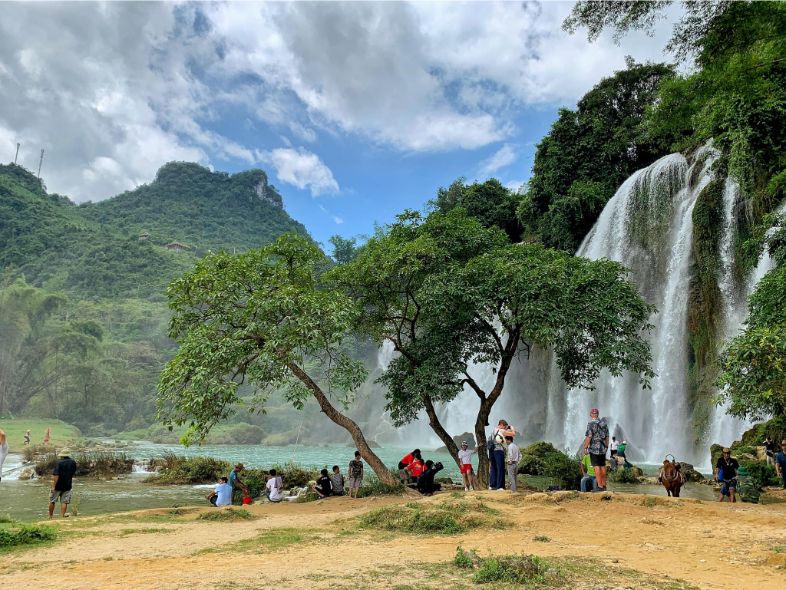
Rain can be highly localized: one valley may be drenched while the next remains dry. This sudden variability makes weather unpredictable, so always be prepared for a quick downpour that can turn trails slippery in minutes.
Fog and Visibility Challenges
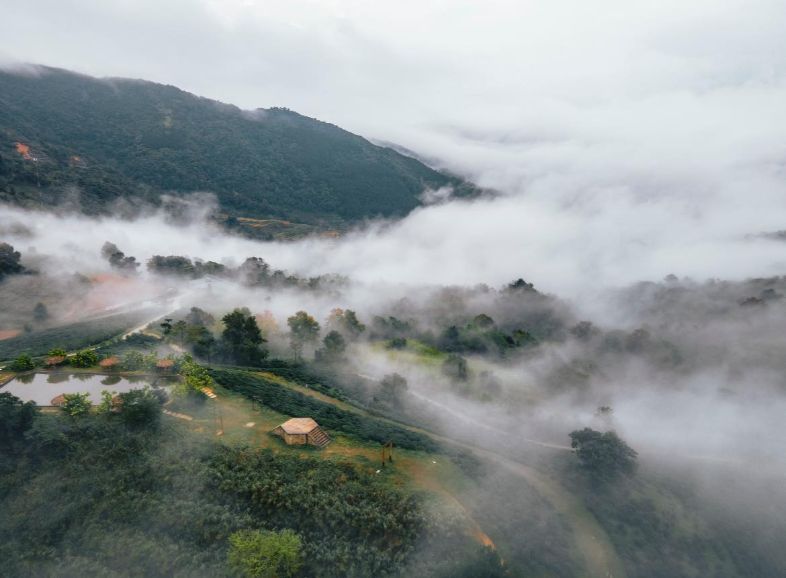
Cao Bang’s high humidity, temperature variations, and mountains create frequent fog, especially from late autumn to early spring. Clouds often sit at peak level, enveloping roads in dense, disorienting fog. For motorbikers on narrow passes, reduced visibility can be a bigger hazard than rain, making caution essential.
The Best Time to Visit Cao Bang
Depending on what you wish to see, you should take much thought on the optimum times to visit Cao Bang. Whether your travel interests are cultural, environmental, or adventure, timing your visit will help you to maximize your trip. Here’s a detailed breakdown of the best time to visit Cao Bang.
Autumn’s Embrace (September to November): The Ideal Scenic Months
Late September to early November is arguably the perfect window for visiting Cao Bằng. The heavy summer rains have passed, the air is crisp, and temperatures are moderate (around 18–25°C). The region comes alive with vibrant colors, ideal for photography and outdoor activities.
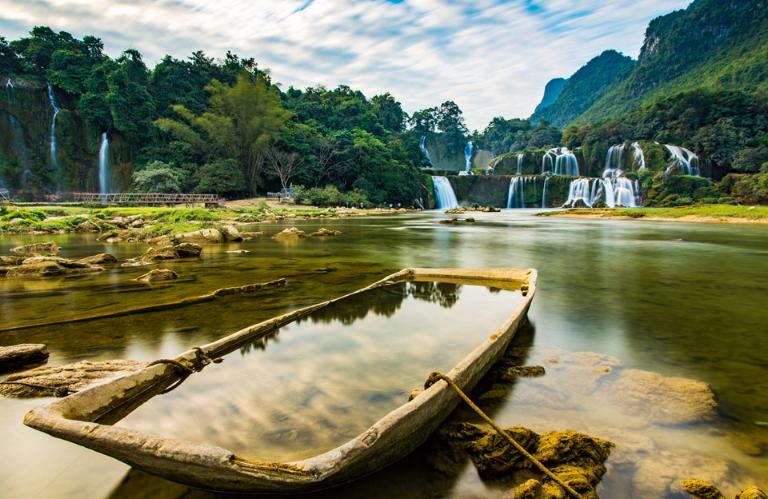
During this period, Ban Gioc Waterfall is at its most spectacular—powerful cascades under bright, clear skies, with water shifting from brown to turquoise as sediment settles. Rice terraces around Trung Khanh and Pac Bo turn golden for harvest, offering breathtaking trekking routes and iconic photo opportunities. Cooler, drier conditions make hiking and motorbiking far more comfortable.
>>> Traditional Handicrafts in Cao Bang: Exploring the Rich Craftsmanship of Vietnam
Spring’s Delight (March to May): Blooming Flowers and Pleasant Weather
March and April offer a second-best window to visit Cao Bằng. Winter’s chill has eased, summer’s humidity hasn’t arrived, and temperatures sit comfortably in the low to mid-20s°C.
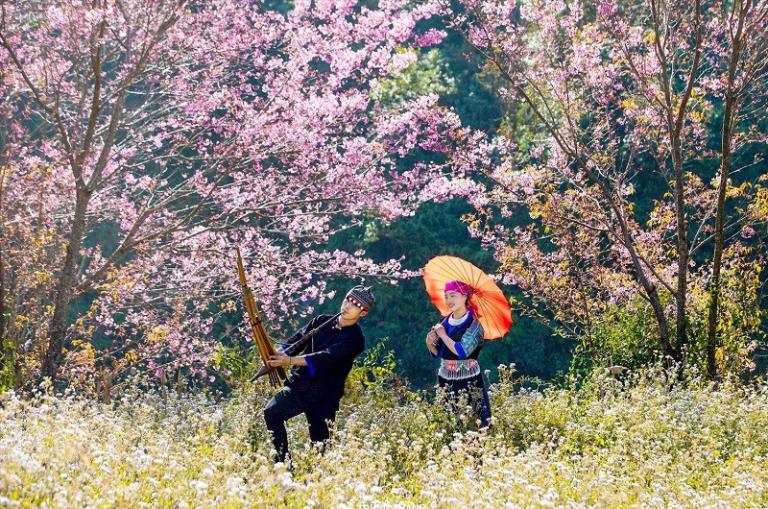
The landscape is a vibrant green, with wildflowers in bloom and fruit trees blossoming, filling the air with fragrance. It’s an ideal time for peaceful exploration and enjoying the park before the summer crowds arrive.
Summer (May to August): Green Lush Landscapes
In Cao Bang, the summer months—from May to August—are defined by the rainy season. The summer season has appeal even if this might not be the best time for dry, sunny weather. The regular rain at this period produces rich, vivid scenery that transforms the region into a breathtaking green paradise. When the rivers, waterfalls, and lakes flow at their most, it’s a great time to explore Ban Gioc Waterfall, among Vietnam’s most striking natural features.
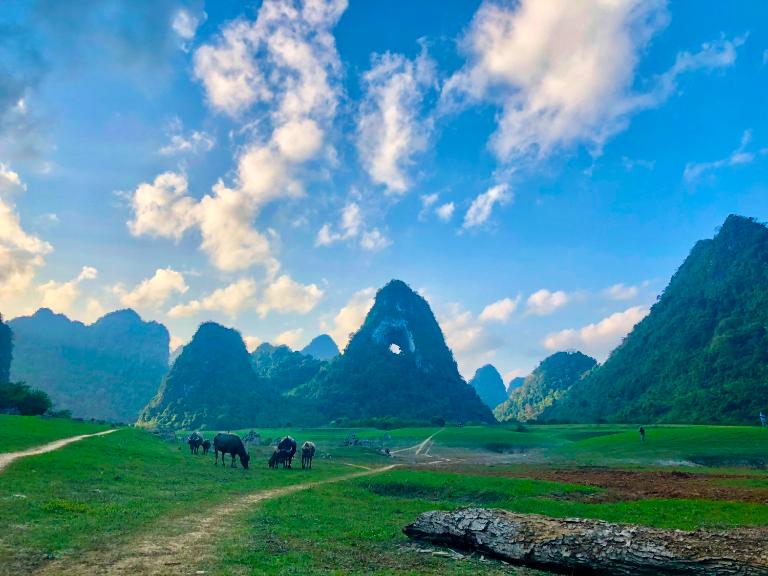
Visiting Cao Bang in summer also means fewer tourists, allowing you to enjoy the province’s serene landscapes in relative solitude. It’s ideal for travelers seeking a calm, peaceful experience, though be prepared for occasional rain and muddy trails.
Top Activities by Season in Cao Bang: Tailoring Your Adventure
Since the weather dictates so much of the experience here, tailoring your activities to the season is the ultimate insider tip for enjoying Cao Bang. Let’s break down the optimal activities for each time of year, moving beyond just the sightseeing essentials.
Spring (March – May): The Time of Rebirth and Greenery
Spring brings moderate weather and vibrant landscapes, making it an excellent alternative to the popular autumn months. The slopes are dotted with wildflowers, perfect for nature photography and witnessing the awakening of the forest after winter.
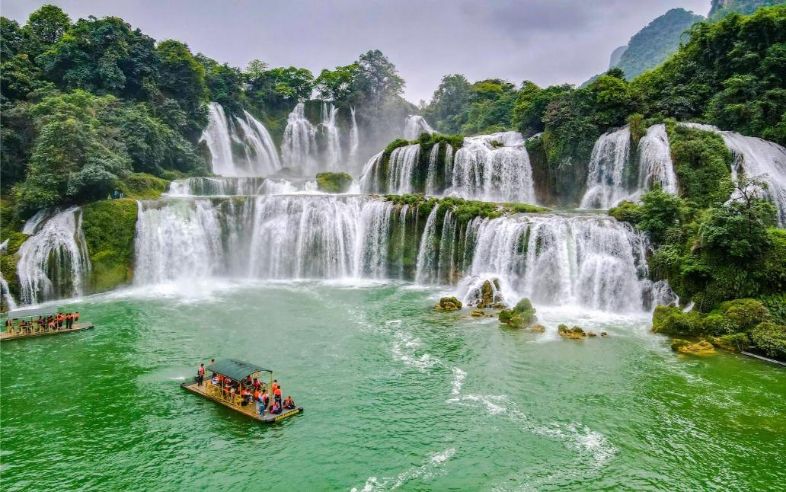
It’s ideal for trekking and caving, with comfortable temperatures and dry conditions for exploring local caves like Nguom Ngao (Tiger Cave). Early spring, especially March, also offers excellent motorbiking conditions, with clear roads and gentle sunshine before the heavier rains of May arrive.
Summer (June – August): The Thrill of the Torrent
Summer is hot and wet, but it offers dramatic rewards for those willing to brave the rain. This is when Ban Gioc Waterfall is at its peak, with colossal, muddy-brown cascades creating a breathtaking, powerful display.
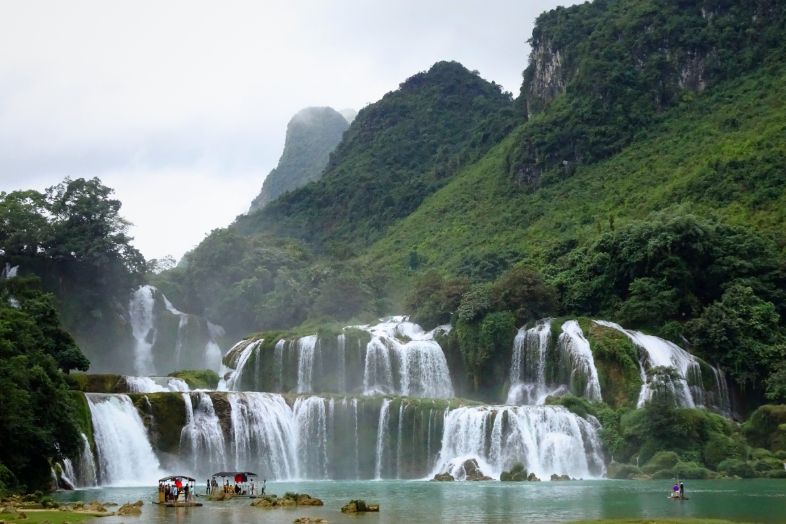
Stick to the valley floors and areas near the Quay Son River for more manageable temperatures, and enjoy lush, saturated greenery that makes for striking photography. A sturdy rain jacket or poncho is essential, as showers are frequent—but the dramatic scenery makes it well worth the effort.
>>> Phong Nam Valley in Cao Bang: Discover a Hidden Gem of Vietnam’s North
Autumn (Late September – November): The Explorer’s Ideal Time
Late September to November offers cool, dry, and clear conditions—ideal for all activities. Motorbiking the mountain passes is safe and enjoyable, trekking trails are pleasant, and the golden rice fields are at their peak.
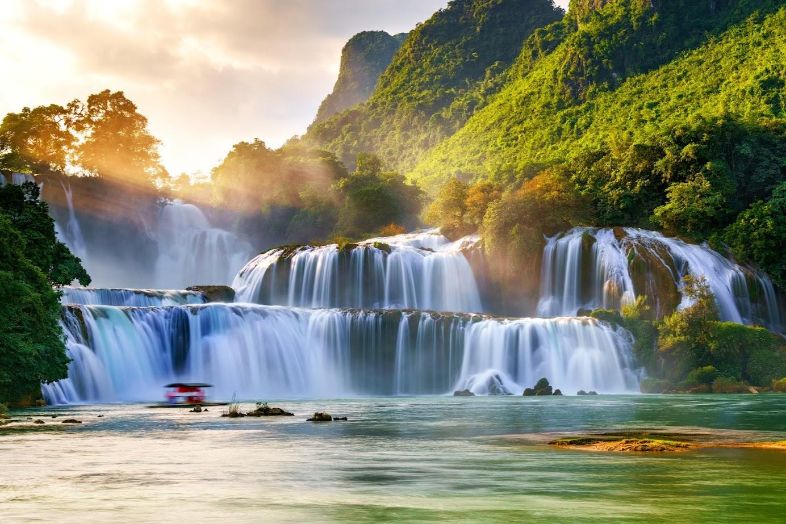
Ban Gioc Waterfall flows powerfully with clear skies, perfect for photography, while visiting local Tay and Nung villages is comfortable, making autumn the best time for both adventure and cultural immersion.
Winter (December – February): The Quiet Contemplative Journey
December to February is ideal for solitude and cultural immersion. Tourist sites like Nguom Ngao and Pac Bo Caves are largely empty, and the misty valleys create a magical, atmospheric backdrop perfect for photography.
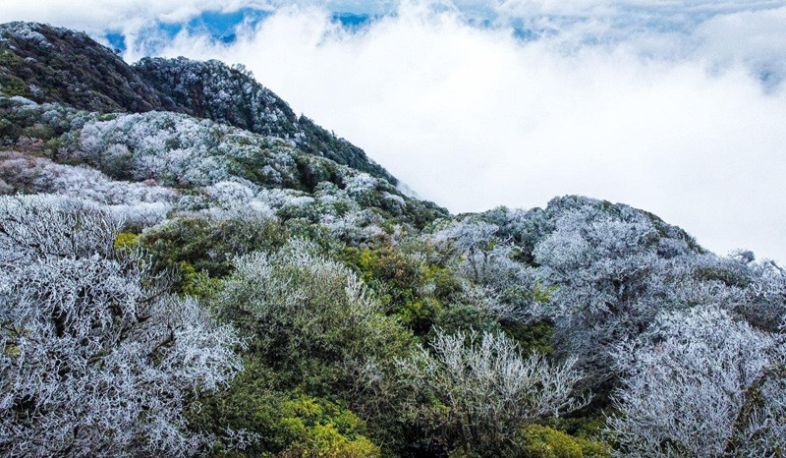
Focus on low-altitude exploration, local cuisine, and cozy cultural experiences. High-altitude trekking or motorbiking is not recommended due to fog, icy patches, and limited visibility.
Preparing for Your Trip: Essential Tips for Every Season
Regardless of when you decide the best time to visit Cao Bang is for you, a little preparation goes a long way. This region requires a different kind of planning than a typical beach holiday.
What to Bring for Each Time of Year
- Autumn (Sept-Nov): Light layers, a medium jacket for evenings, comfortable hiking shoes, and basic rain gear (for unexpected showers). This is the easiest time to pack for.
- Spring (Mar-May): Similar to Autumn, but with slightly more focus on breathable, quick-drying materials as humidity starts to rise.
- Summer (Jun-Aug): Quick-drying clothes, waterproof bag covers, mosquito repellent, and a high-quality raincoat. Don’t bother with heavy clothes; you’ll sweat right through them!
- Winter (Dec-Feb): Thermal layers, a warm fleece or down jacket, hat, gloves, and thick socks. A small thermos for hot tea is a lifesaver.

Riding the Ha Giang Loop Extension: Seasonal Road Conditions
Travelers often extend the Ha Giang Loop to include Cao Bang, but road conditions vary greatly by season. During the Rainy Season, trails can be muddy or temporarily blocked by small landslides. In Winter, dense fog can reduce visibility to near zero, making sharp curves particularly hazardous.
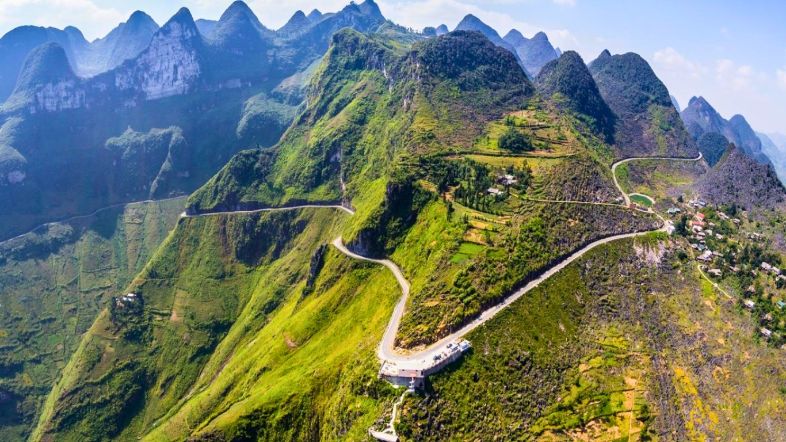
Autumn and Spring provide the safest and most enjoyable riding conditions, with dry roads and clear skies. Always check local forecasts before departing, and if you’re inexperienced, hiring an easy-rider (local driver) is strongly recommended for a safe and memorable Ha Giang motorbike tours experience.
Cao Bang is an off-the-beaten-path destination that promises to leave an impression on anyone who ventures there. There is always something to explore whether your interests are in its breathtaking scenery, rich history, or energetic celebrations. Understanding the ideal times to visit Cao Bang and making appropriate plans will help you to make sure your trip will be full of remarkable events.
Related Posts:
- Discover Cao Bang Loop: A Must-Visit Vietnam Adventure
- Best Places to Visit in Cao Bang: Nature and History Combined
- Explore the Wonders of Nui Thung Mountain in Cao Bang
- Ma Phuc Pass: Conquer Vietnam’s Most Scenic and Thrilling Mountain Road
- Khuoi Ky Ancient Stone Village in Cao Bang: A Cultural Gem of Vietnam


Be the first to comment!