

Cao Bang Travel Guide: Exploring the Hidden Treasures of Northern Vietnam
Nestled in Vietnam’s northernmost corner, Cao Bang province offers a perfect blend of stunning landscapes, vibrant ethnic cultures, and fascinating history. Whether you seek adventure, cultural immersion, or a peaceful escape, Cao Bang has it all. Therefore, let MOTOGO Tours guide you through this hidden gem.
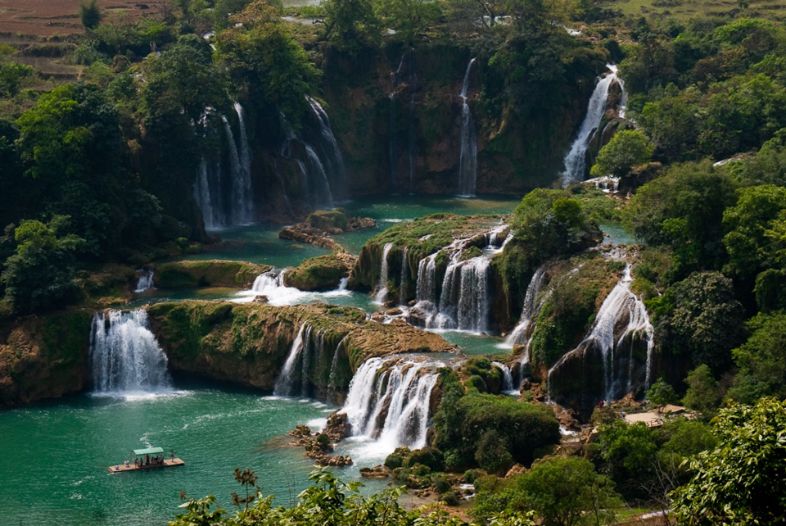
Cao Bang Unveiled: Vietnam’s Northern Gem of Culture and Adventure
Cao Bang, in Vietnam’s far north near China, is often overlooked by travelers. Yet, because of its dramatic mountains, crisp air, and rich history, it is more than a detour. Indeed, it is a journey into Vietnam’s heart, where natural beauty meets revolutionary heritage.
Why Cao Bằng is Northern Vietnam’s Hidden Gem
Cao Bang, in Vietnam’s far north near China, is often overlooked by travelers. Yet, because of its dramatic mountains, crisp air, and rich history, it is more than a detour. Indeed, it is a journey into Vietnam’s heart, where natural beauty meets revolutionary heritage.
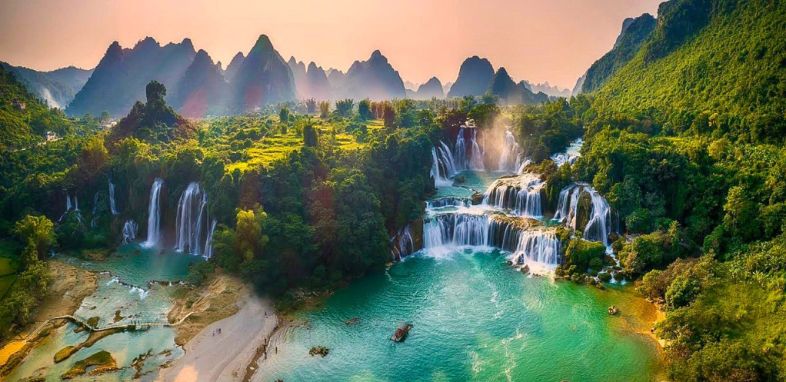
Geographical Position: Vietnam’s Northern Highlands
Cao Bang lies in Vietnam’s far northeast, about 280 km from Hanoi. Thus, it is a feasible two-day overland journey for adventurous travelers. The province’s dramatic mountains and deep valleys define the Northern Highlands, offering breathtaking, largely untouched landscapes.
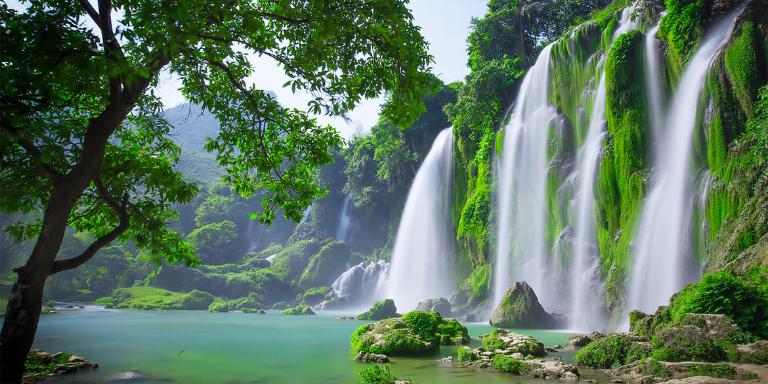
A Landscape Forged by Karst and Time: The Scenic Splendor
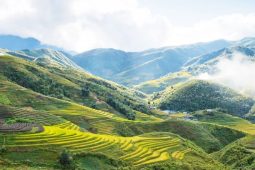
Cao Bang is defined by towering limestone peaks, deep caves, and jade-green rivers. Additionally, terraced rice paddies by Tay and Nung communities create a beautiful mosaic amid rugged mountains.
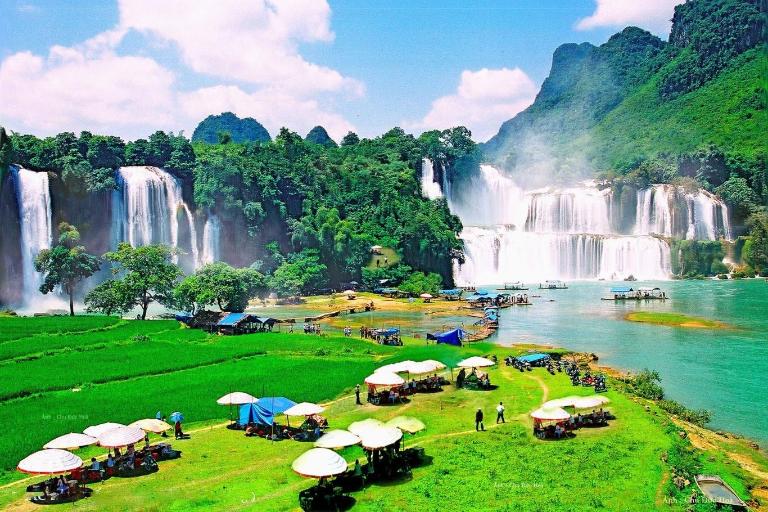
Getting to Cao Bang
Prepare for a remote adventure – Cao Bang requires planning and a willingness to embrace Northern Vietnam’s rugged landscapes. Most travelers reach it by road from Hanoi, as the province has no airport, making the journey itself part of the experience.
How to Get There by Plane
Although Cao Bang itself lacks an airport, Hanoi is the closest sizable one. From there, you could reach Cao Bang by bus, train, or rented car. Depending on traffic and road conditions, the approximately 6-8 hour road drive from Hanoi to Cao Bang is picturesque.
The Reliable Overnight Sleeper Bus (The Local’s Choice)
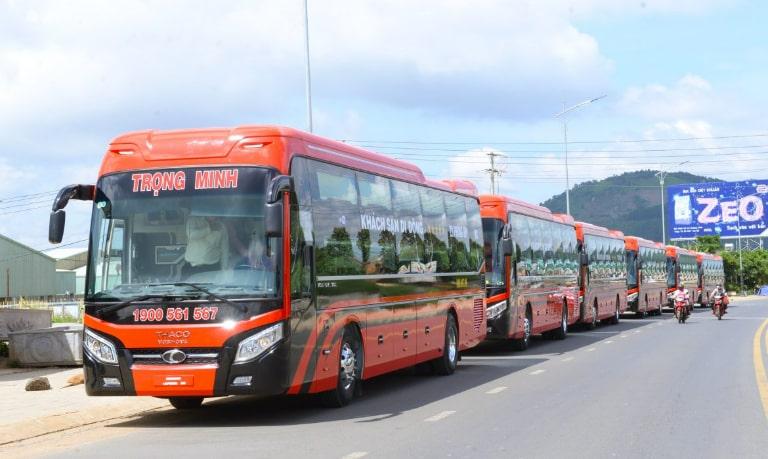
The easiest option is the overnight sleeper bus from Hanoi. These buses feature reclining bunk beds stacked in two or three rows. You board in the evening and wake up near your destination, saving a night’s accommodation.
The Independent Drive: For Motorbike Enthusiasts
Experienced riders seeking a full Northern Vietnamese adventure can ride from Hanoi to Cao Bang, passing through Thai Nguyên and Bac Kan. The journey takes 8–10 hours of riding time, so splitting it into a two-day trip with an overnight stop allows for a more relaxed and immersive experience.
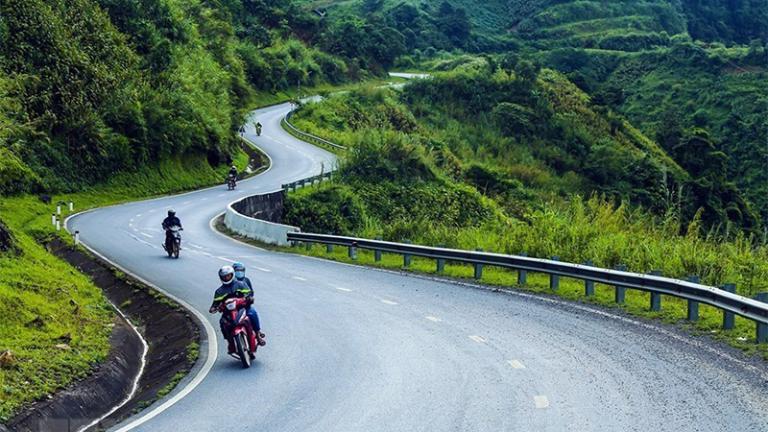
This route offers ultimate freedom to explore viewpoints, small villages, and the dramatic shift from Red River Delta plains to rugged mountain passes. Roads are generally in good condition, but mountainous sections can be slippery in the rainy season, making this option best for seasoned riders. Always carry your international driving permit and refuel whenever possible.
Private Car or Taxi (The Comfort Upgrade)
For families, groups, or travelers who value comfort, hiring a private car or inter-provincial taxi from Hanoi to Cao Bằng is a top choice. The service is door-to-door, picking you up from your hotel and dropping you directly at your accommodation, including areas near Ban Gioc Waterfall.
The Best Time to Visit Cao Bang
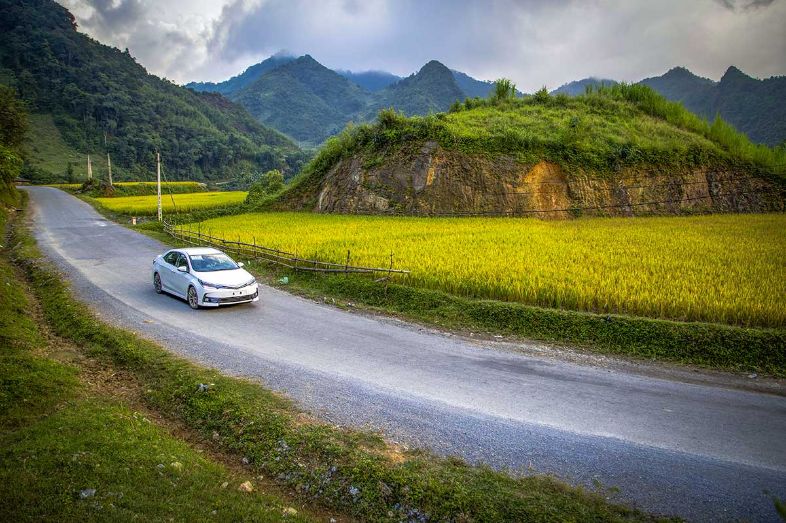
Cao Bang transforms beautifully throughout the year thanks to its high-altitude, mountainous location. Each season offers a unique experience, so your ideal travel date depends on the scenery and weather you prefer.
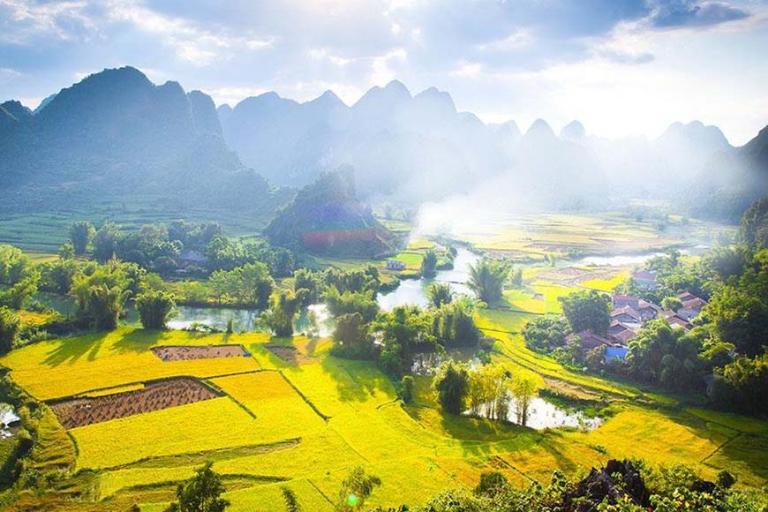
>>> Best Time To Visit Cao Bang: Your Ultimate Guide to Exploring This Hidden Gem
Must-See Attractions in Cao Bang
Cao Bang is a region where nature’s beauty meets rich cultural history, offering a range of must-see sites that appeal to those looking for both adventure and peace. From peaceful lakes to tumbling waterfalls, cavernues, and historic sites, Cao Bang’s attractions are as varied as they are breathtaking.
Ban Gioc Waterfall: A Natural Wonder
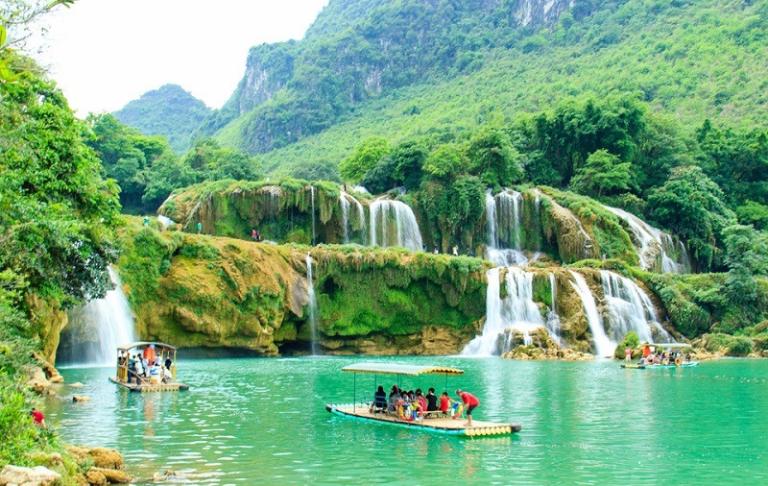
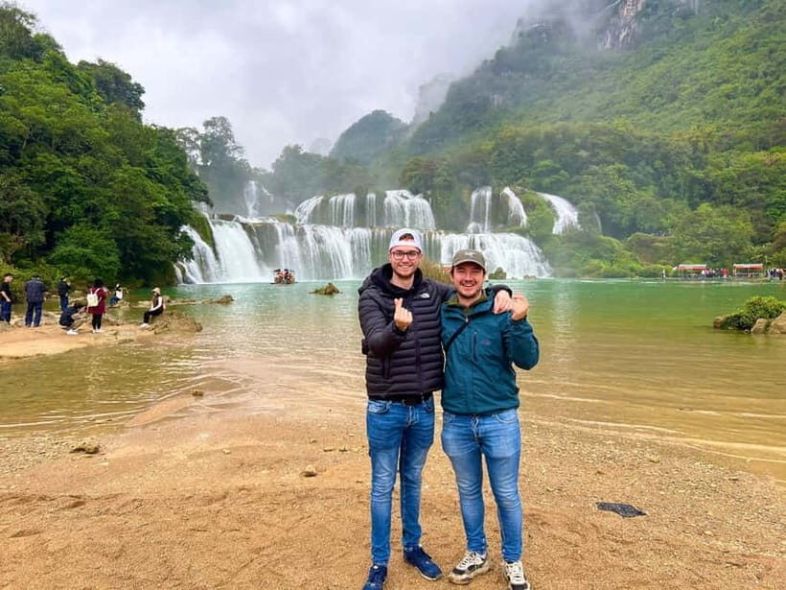
Ban Gioc Waterfall is the undisputed highlight of Cao Bằng and a must-visit for any traveler. Straddling the Vietnam-China border, it is the fourth largest international waterfall in the world. The Quay Son River, a striking jade-green, cascades over multi-tiered limestone ledges, forming a wide, powerful curtain of water that showcases the raw force of nature.

Nguom Ngao Cave and Truc Lam Pagoda
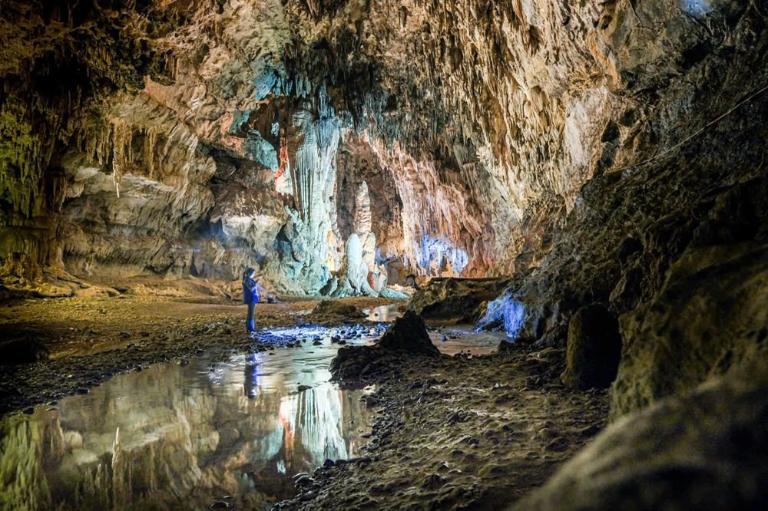
No trip to Ban Gioc is complete without visiting Nguom Ngao Cave. Just a short drive away, this subterranean marvel stretches over 2,100 meters, with chambers filled with stunning stalactites and stalagmites shaped like lotus flowers and mythical creatures. It’s a cool, peaceful escape and a fascinating showcase of Cao Bang’s karst geology.
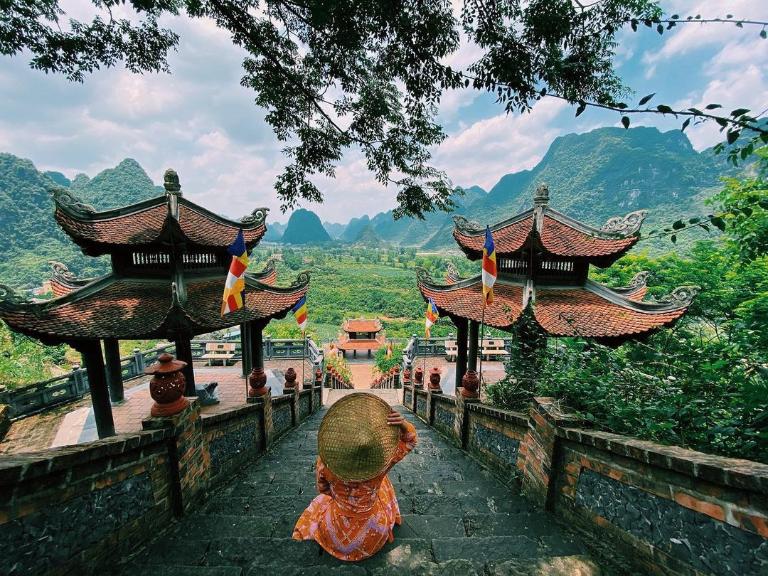
Nearby, Truc Lam Phat Tich Pagoda perches atop a hill overlooking the valley and the falls. This serene, relatively modern structure offers breathtaking panoramic views of Ban Gioc and the surrounding rice paddies, making it the perfect spot for reflection, photography, and soaking in the region’s natural beauty.
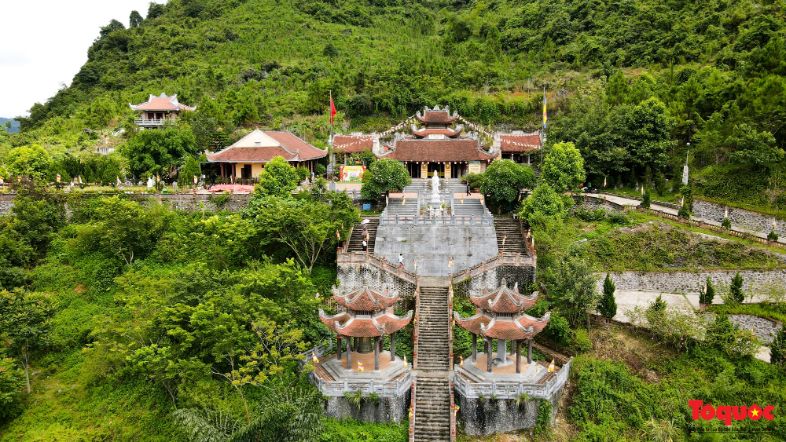
>>> Let’s see more: Phat Tich Truc Lam Pagoda: Discover Cao Bang’s Spiritual Jewel
Pac Bo Special National Relic Site: The Cradle of the Revolution
The Pac Bo Special National Relic Site in Hà Quảng marks Ho Chi Minh’s 1941 return to Vietnam and the start of the revolution. Visit Hang Pac Bo Cave, his simple shelter, and Lenin Stream, where he worked, all set amid tranquil jungle and karst peaks.
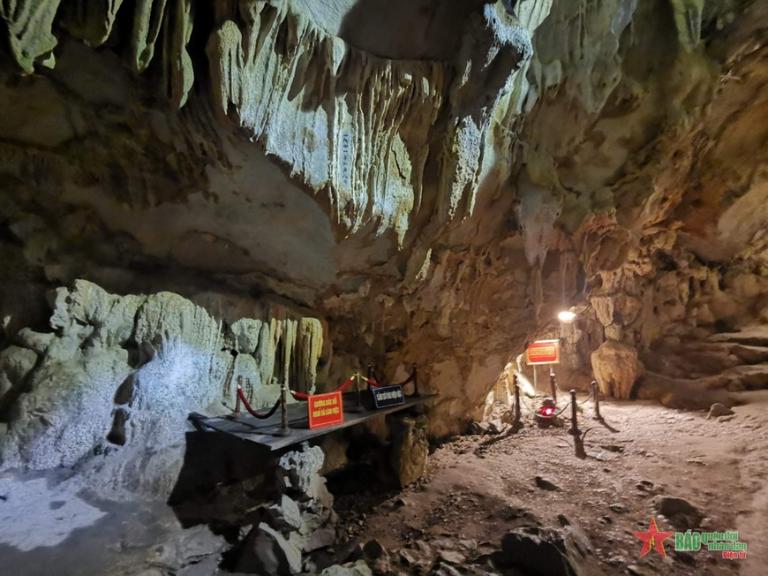
Nearby, the Tran Hung Dao Forest Site in Nguyen Binh commemorates General Vo Nguyen Giap forming the Vietnam Propaganda and Liberation Army in 1944. A monument and museum highlight this historic beginning of Vietnam’s modern army.
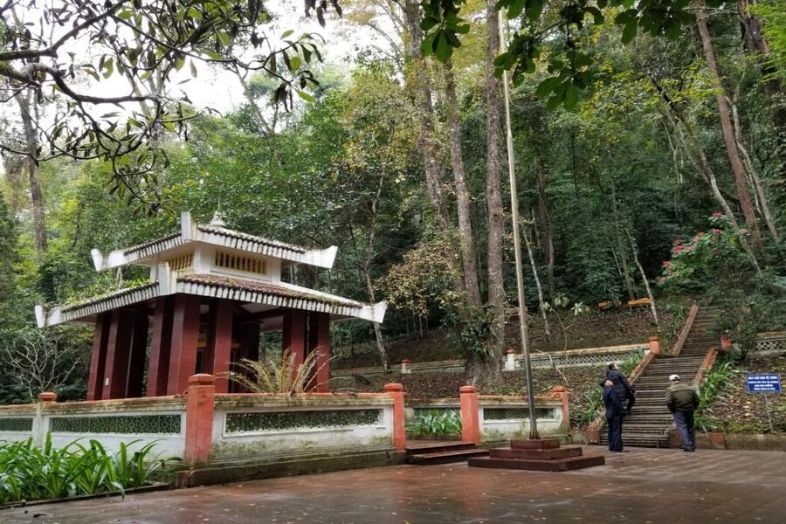
>>> Discover the Pac Bo Historical Site: The Birthplace of Vietnam’s Revolution
The Geological Marvel: Thang Hen Lake and “God’s Eye” Mountain
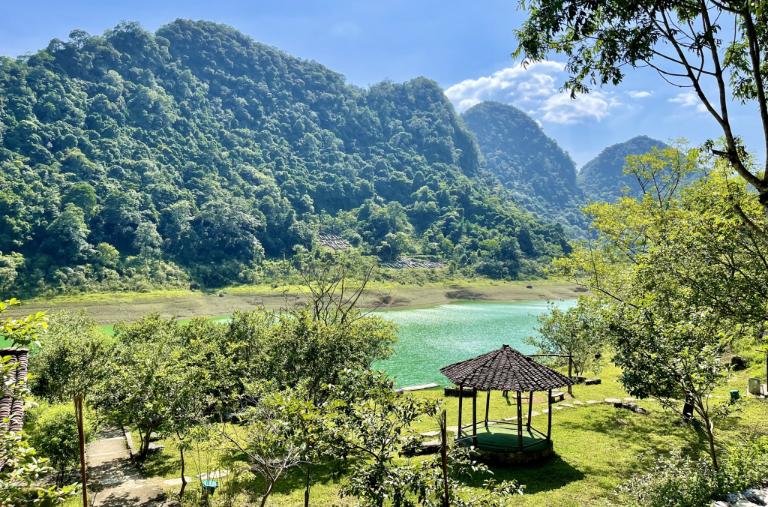
Thang Hen Lake, deep in the Geopark, is a system of 36 interconnected lakes that shift in level and color with the seasons. Surrounded by limestone cliffs and lush forests, it’s perfect for boating or soaking in the serene atmosphere.
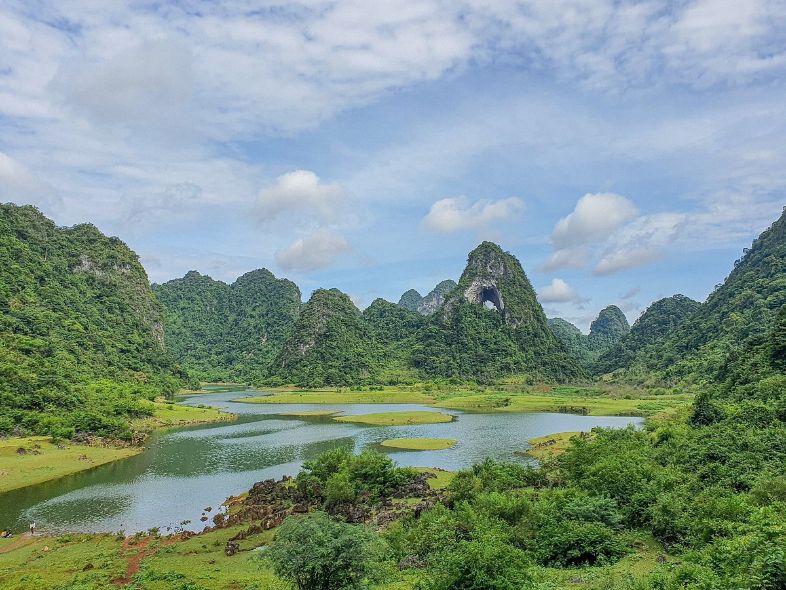
Nearby, “God’s Eye” Mountain features a massive circular hole near its peak, resembling a giant eye watching the valley below. This geological wonder is ideal for camping and offers one of Cao Bằng’s most striking photo opportunities.
Hoang Dong, Quang Uyen and the Local Villages
Those wishing to experience traditional Vietnamese village life will find ideal surroundings in the rural districts near Hoang Dong and Quang Uyen. Here you can catch a view of the local customs and daily life of the ethnic minorities who call the area home as well as the breathtaking scenery of rice terraces, valleys, and rivers. Among the most notable ethnic groups in this area are the Tay, H’mong, and Dzao ones; many of the villages let guests stay in homestays and enjoy real local culture.
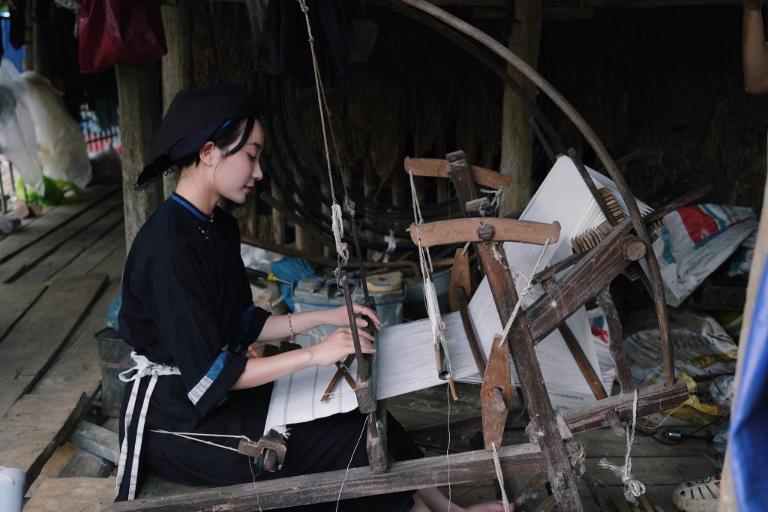
Discovering these communities offers a special chance to pick up traditional farming methods, sample regional cuisine, and get to know the pleasant residents. Many of the settlements are tucked away in gorgeous valleys with verdant fields extending in all directions from clean rivers.
Me Pja Pass
For those who enjoy riding a motorbike, the Me Pja Pass is among the most amazing paths in Cao Bang and provides an adrenaline experience. Offering magnificent views of the valley below, terraced rice fields, and towering limestone peaks, this meandering mountain route links Cao Bang City to the border territories across forty kilometers.
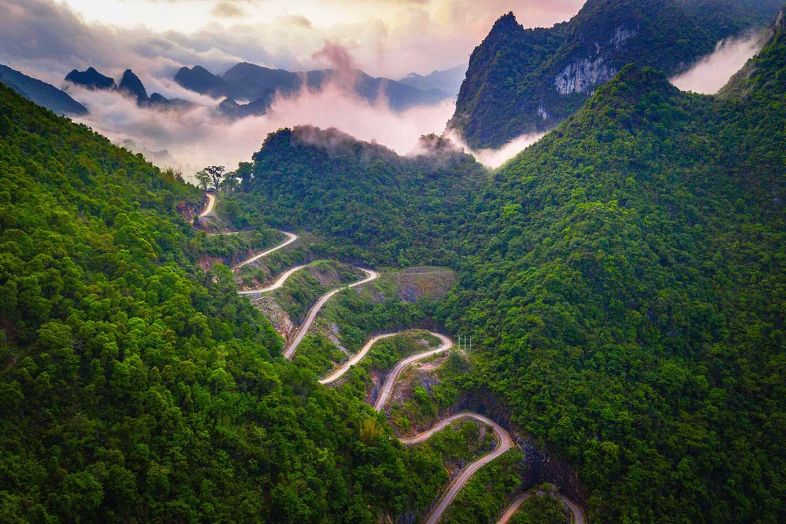
Motorbike aficionados love the road since it is a difficult but rewarding ride with tight twists and high hills. Travelers looking for a closer relationship with Cao Bang’s untamed beauty will find the Me Pja Pass absolutely essential. You will see native life right in the middle of the mountains as you travel by little H’mong and Tay communities along the road.
Phong Nam Valley
Phong Nam Valley is a peaceful haven in Cao Bang, perfect for individuals wishing to relax in a calm, natural surroundings. Towering limestone cliffs, meandering streams, and stretches of green rice paddies abound in the valley’s gorgeous scenery. If you want a peaceful and real experience, the area is very unspoiled by mass tourist, hence it’s a fantastic place to visit.
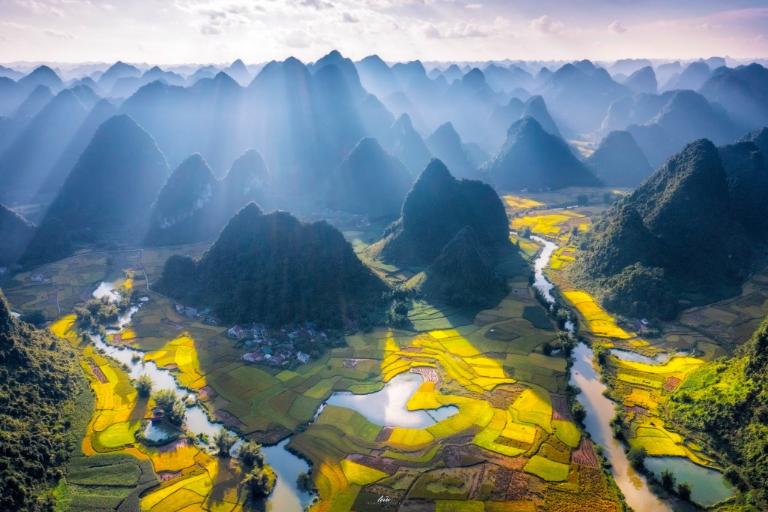
Hiking, photography, and cycling over the breathtaking scenery are just a few of the activities available to visitors to Phong Nam Valley. The simplicity of the valley—the little, dispersed settlements, the sound of birds chirping, and the clean, fresh air—owns its appeal. For a homestay experience, where you can stay with local families and have a closer look at Tay people’s everyday lives, it’s also a fantastic place.
Phia Oac National Park: A Natural Wonderland
An ecological gem, Phia Oac National Park gives guests the opportunity to discover one of Vietnam’s most varied and unspoiled natural settings. Rich in flora and wildlife not found anyplace else in the nation, this park in northeastern Cao Bang is well-known for its biodiversity.
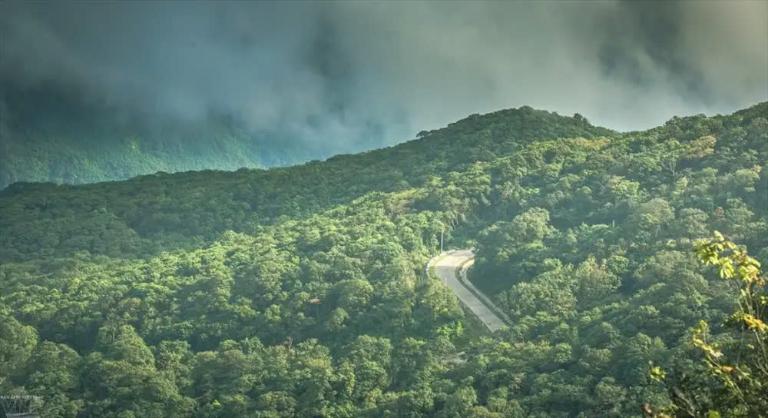
Comprising more than 1,000 square kilometers, the park boasts rocky mountains, deep forests, and many streams and waterfalls. Hiking across the park, visitors will come to unique orchids, tall trees, and vibrantly colored birds. Worth the climb, the highest peak in the park, the Phia Oac Peak provides panoramic views of the neighboring valleys and the far-off mountains.
Khuoi Ky Ancient Stone Village
Khuoi Ky Ancient Stone Village is an interesting place in Cao Bang for individuals passionate in history and old civilization. Built by the Tay people, this hamlet boasts a collection of historic stone homes thought to be hundreds of years old. The unusual building techniques used in the stone buildings make them especially remarkable since they have helped them to resist the test of time and strong weather in the hilly area.
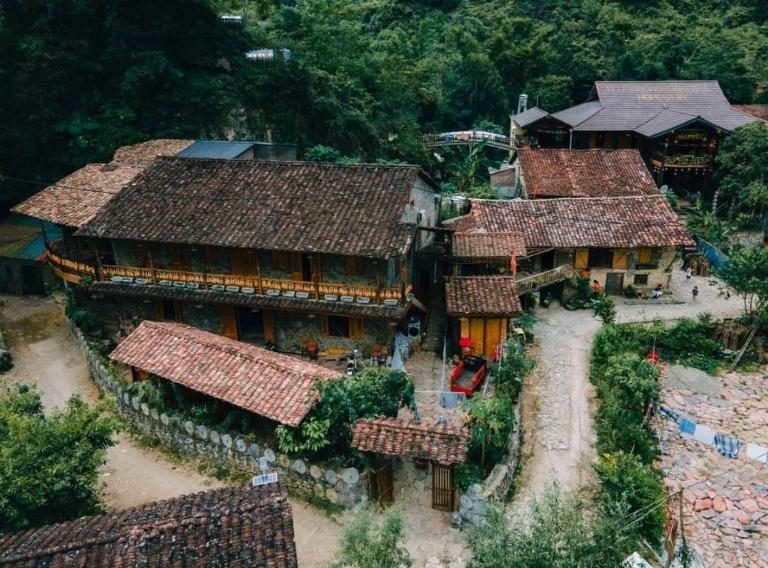
Moving across Khuoi Ky is similar to going back in time. The community offers a window into old rural life and is still mostly unaltered by modernization. Made of locally sourced granite, the stone buildings have an enigmatic and intriguing rustic appeal. Visitors can discover the historical relevance of these buildings and the Tay people’s traditional way of life—known for their agriculture and unique customs—while in the hamlet.
Ban Viet Lake
Nestled in the center of Cao Bang, Ban Viet Lake is a peaceful haven ideal for those who enjoy the outdoors seeking solace from daily grind. Towering mountains and verdant forests surround the lake, therefore fostering a peaceful environment ideal for introspection and relaxation.
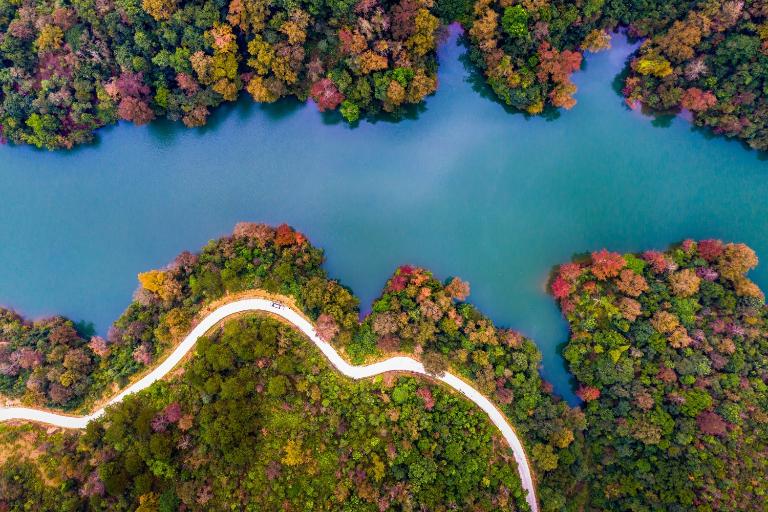
Ban Viet Lake’s serene waves mirror the surroundings, offering a perfect backdrop for fishing, pictures, or just leisurely enjoyment of the surroundings. The lake is somewhat calm and less well-known than some of Cao Bang’s other attractions, thus it’s perfect for people looking for peace and a real natural experience.
Nam Tra Waterfall
Nam Tra Waterfall is a great place for those seeking a more off-the-beaten-path adventure. Though less busy than Ban Gioc, this waterfall in a far-off part of Cao Bang is equally striking. Rugged mountains and lush forests round the waterfall, providing a real window into the rural life of Cao Bang’s people.
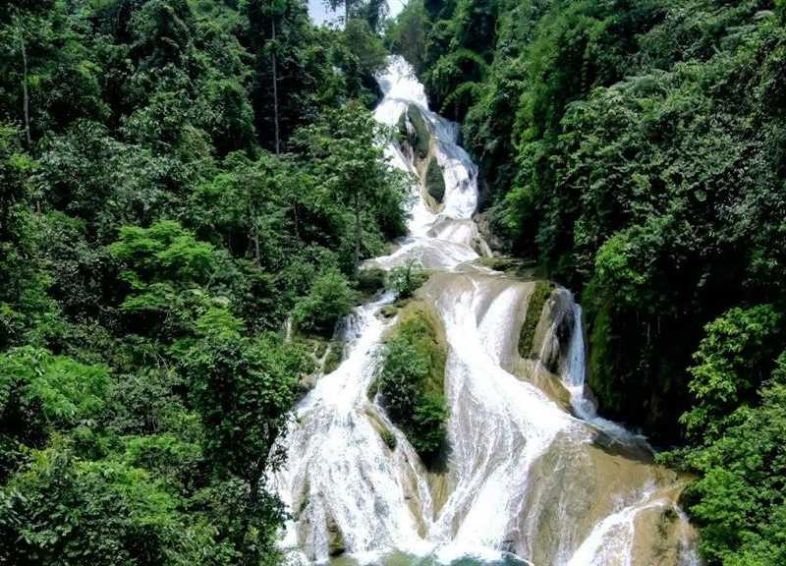
The path to Nam Tra lets you see a side of the area most visitors overlook by means of a picturesque walk over ancient towns and farms. Once you get to the falls, the peace and natural beauty make the work very well worth it.
Outdoor Adventures in Cao Bang
Cao Bang is a playground for nature lovers and adventure seekers. Towering karst mountains, deep valleys, crystal-clear rivers, and cascading waterfalls create the perfect backdrop for hiking, kayaking, and exploring. Here, you can unplug, breathe fresh mountain air, and fully immerse yourself in the untamed beauty of Northern Vietnam.
Hiking and Trekking in Cao Bang: Finding Tranquility on Foot
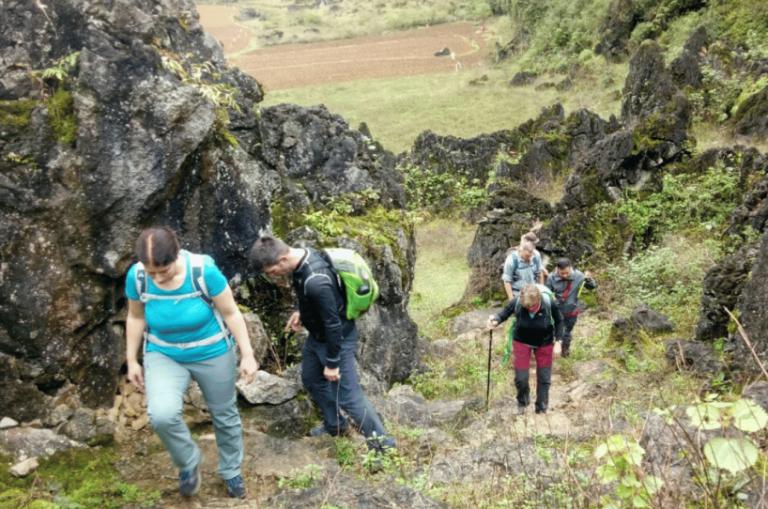
Trekking is one of the best ways to experience Cao Bang’s raw beauty. Moving slowly through pine forests, rural villages, and winding mountain paths lets you absorb the sights, sounds, and scents of this untouched region. Each step offers a closer connection to nature and local life, revealing a tranquil, off-the-beaten-path side of Northern Vietnam.
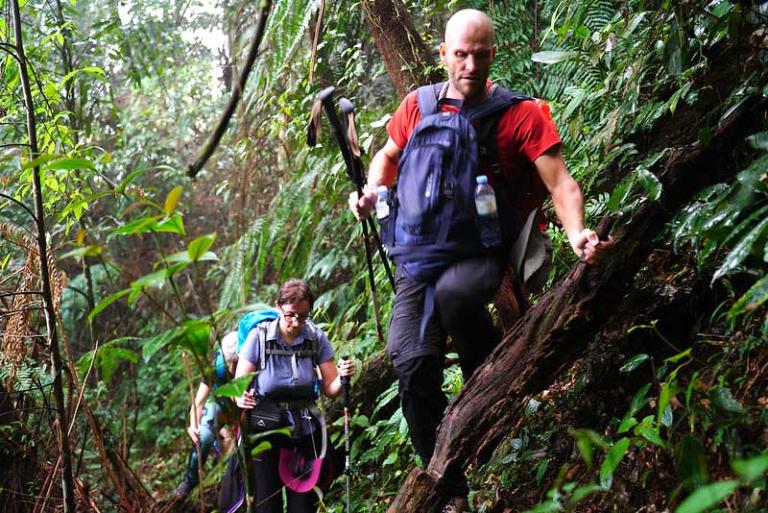
Ban Gioc Waterfall Hikes: Trails near the iconic Ban Gioc Waterfall provide rewarding views and immersive experiences. As you ascend, panoramic vistas of cascading water and surrounding karst peaks unfold. Short trekking loops around the falls offer perfect vantage points for photos and peaceful reflection, making the hike both manageable and unforgettable.
Kayaking and River Adventures: Floating on the Jade-Green Waters
Cao Bang’s rivers offer a unique way to explore its stunning landscapes. Kayaking or canoeing gives you an intimate perspective of the region, letting you glide past limestone cliffs and through serene waters.
>>> Best Things to Do in Cao Bang: Waterfalls, Caves & Local Culture
Caving Adventures: Delving into the Subterranean World
Cao Bang’s karst landscape isn’t just stunning above ground—it hides spectacular caves below. For a thrilling experience, head underground and discover a whole new world.
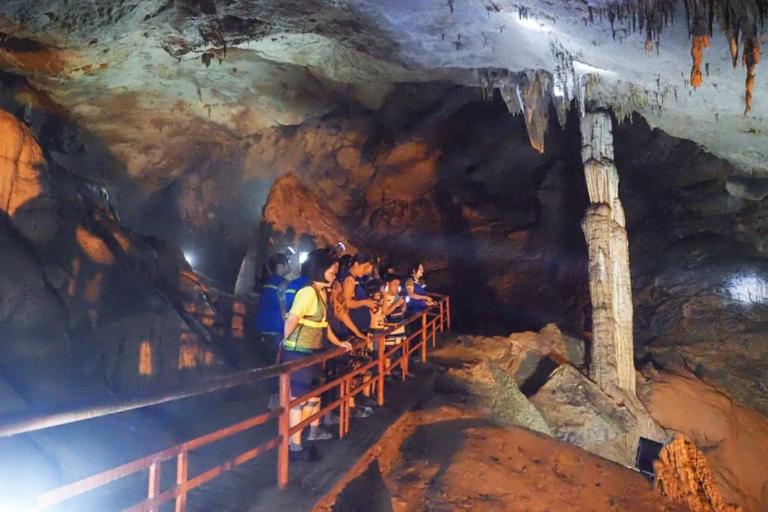
Near Ban Gioc Waterfall, Nguom Ngao (Tiger Cave) is a must-visit. Wander through massive chambers filled with stalactites, stalagmites, and subterranean streams formed over millennia. Well-lit and accessible, it offers an awe-inspiring glimpse into the region’s mysterious geological wonders.
Cycling and Motorbike Tours
Riding a bike or motorbike tour is great way to view the breathtaking scenery of Cao Bang if you like two wheels exploring the countryside. An amazing journey is created from the meandering mountain routes, quiet rural towns, and breathtaking views. You can join Vietnam Motorbike Tours to book tour exploring Cao Bang.
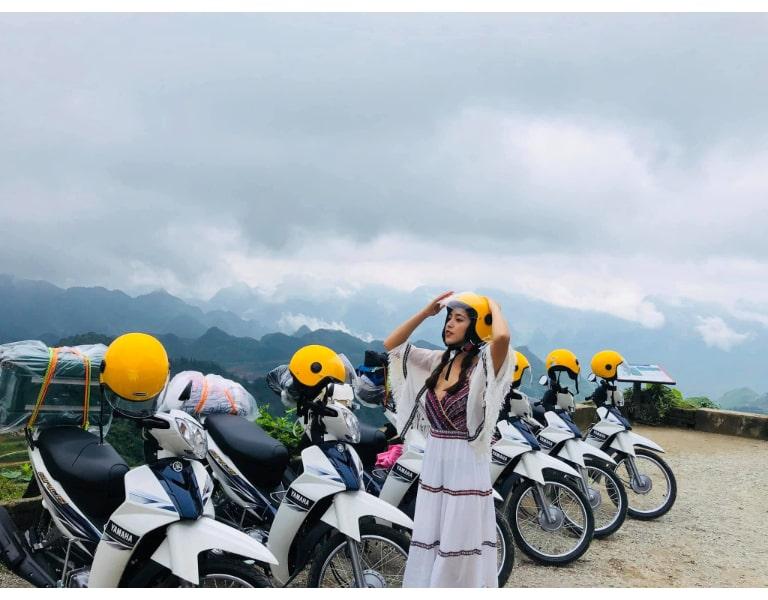
Motorbike Tours in Cao Bang: Motorbike tours are particularly popular in Cao Bang, allowing visitors to cover more land while savoring the freedom of the open road. Cao Bang provides some of the most picturesque motorbike routes in Vietnam, whether your trip is off the usual path or the well-known Cao Bang Loop is under exploration. Motorcyclists will find an exciting ride on the meandering roads flanked by tall limestone cliffs and rich valleys.
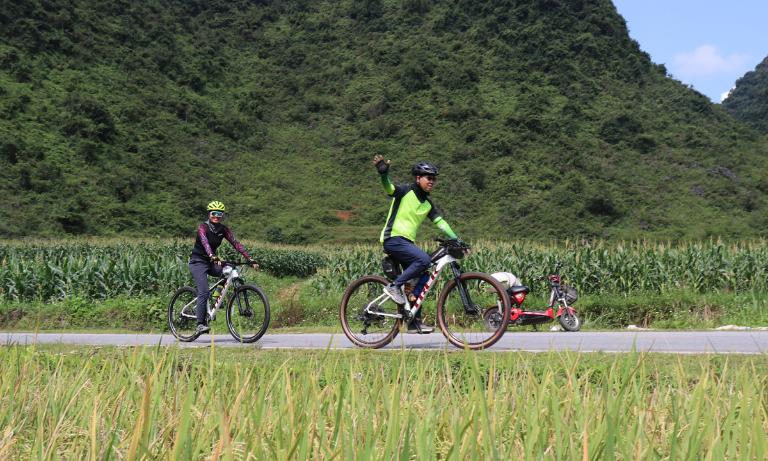
Cycling through Cao Bang’s Villages: Riding over Cao Bang’s rural towns is a fantastic way for a more relaxed outdoor adventure. Riding a bike is a fun way to see the region because of the level roads and peaceful surrounds. You will be able to view life in the villages close-by as you ride across the countryside.
Climbing and Rock Climbing
The hilly surroundings of Cao Bang make it an amazing place for rock climbing. Both novice and experienced climbers have great chances to test themselves on the limestone cliffs and tough rock faces. If you are an experienced climber, there are several outdoor climbing routes around the area with different difficulty level. There are local guides available for individuals just starting out in climbing who can supply tools and training.
Must-Try Dishes in Cao Bang
To truly experience Cao Bang, you need to taste it. The region’s cuisine mirrors its ethnic diversity and rugged landscapes, offering more than just meals—it’s a window into local culture. Skip the tourist spots and savor the authentic flavors that define the mountains.
Cao Bang Steamed Rice Rolls
Steamed Rice Rolls is a beloved local breakfast, distinct from other Vietnamese versions. Thin, steamed rice sheets are filled with ground pork and wood ear mushrooms, offering a savory, delicate flavor.
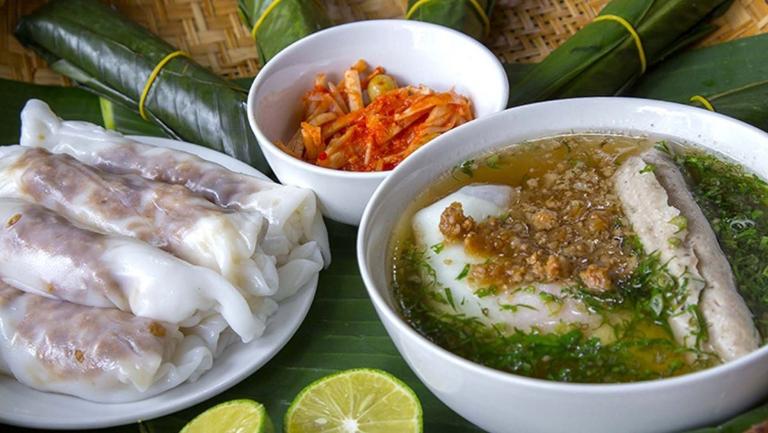
What truly sets it apart is the serving style: instead of a dipping sauce, the rolls are served in a warm, clear, sweet-and-sour broth, often with Vietnamese sausage and soft-boiled eggs. It’s a comforting, hearty start to a chilly morning in Cao Bang.
>>> Cao Bang Steamed Rice Rolls: Discover Vietnam’s Hidden Culinary Gem
2. 7-Flavor Roast Duck
7-Flavor Roasted Duck is Cao Bng’s culinary star, renowned for its unique, aromatic flavor. The secret seven-spice marinade, including local mắc mật leaves, infuses the duck with a slightly sweet, deeply fragrant taste.
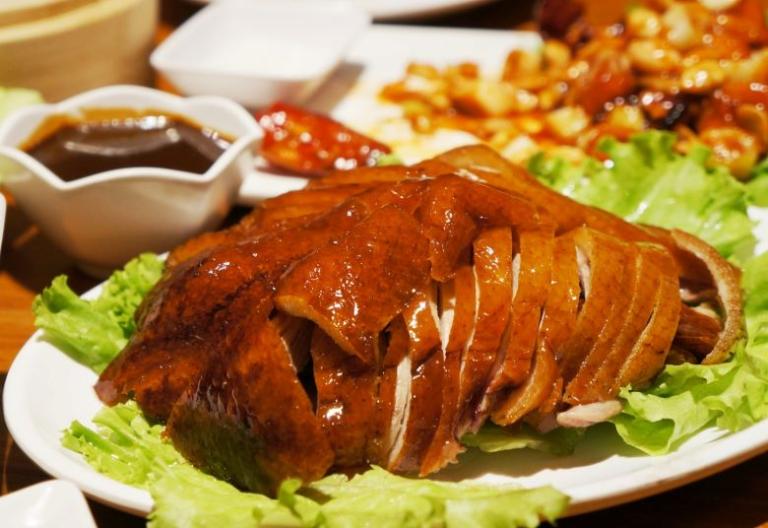
Roasted to perfection, the skin is crispy while the meat remains tender and juicy. This dish is a must-try for anyone seeking an unforgettable, indulgent taste of the region.
Ant Egg Cake
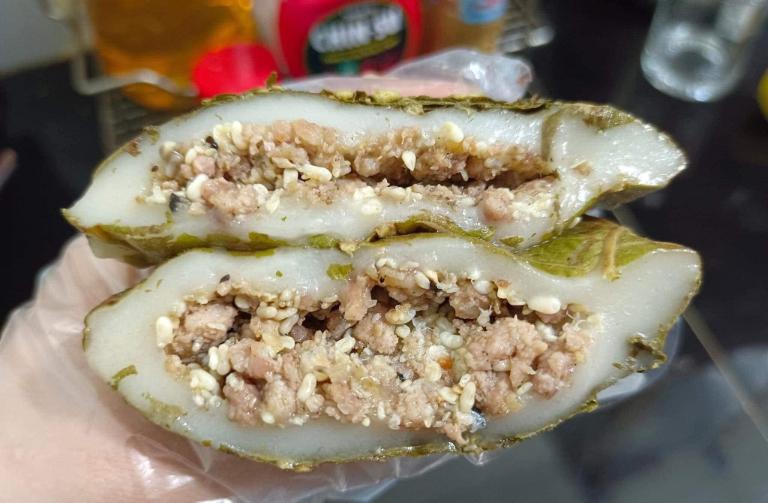
Ant Egg Cake is a daring local delicacy made by the Tay ethnic group, this cake calls for minced pork, fresh ant eggs, and sticky rice flour. The mixture cooked under banana leaves produces a soft, chewy texture with a somewhat nutty flavor from the ant eggs. This special treat highlights the people’ culinary inventiveness and ingenuity.
Sour Noodles
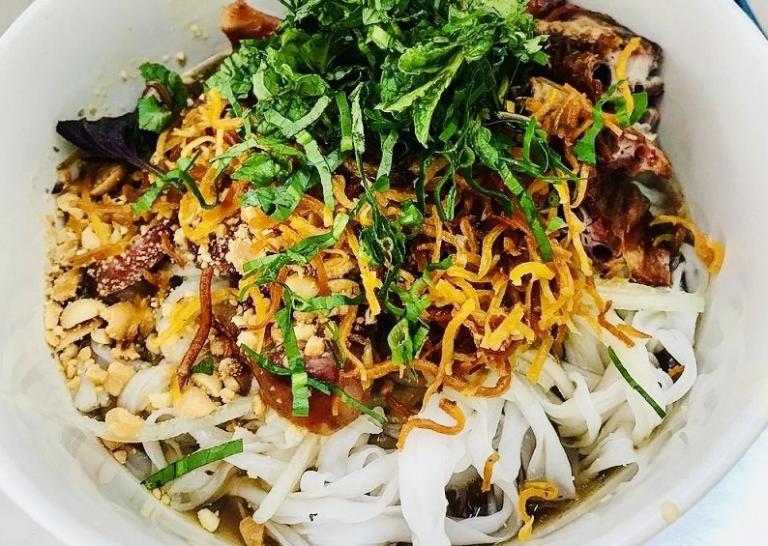
Sour Noodle Soup offers a refreshing twist on traditional pho. This cold noodle dish combines crunchy peanuts, shredded meat, cucumbers, and a tangy dressing of vinegar, sugar, and local herbs, often topped with crispy fried pork – perfect for cooling down after a day exploring Cao Bang’s waterfalls.
Canarium Sticky Rice
Canarium Sticky Rice is a seasonal specialty unique to Cao Bang. The sticky rice is blended with the paste of “trám” fruit, which gives it a beautiful purplish color and a distinctive, rich flavor that’s slightly smoky and savory.
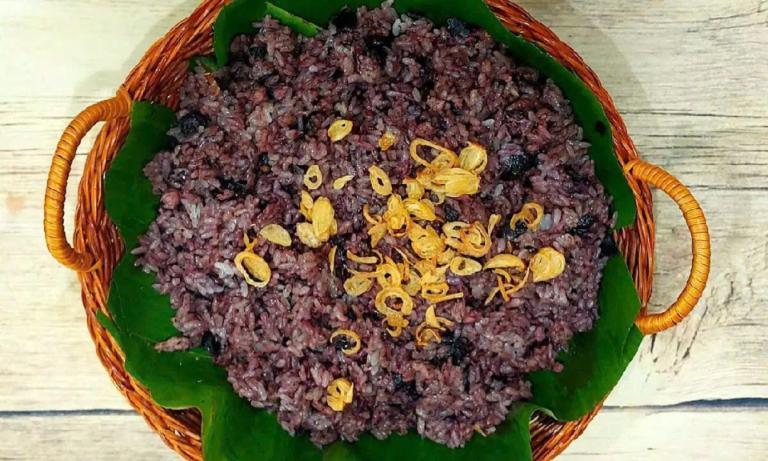
Traditionally wrapped in banana leaves, Canarium Sticky Rice can be enjoyed as a hearty snack or a side dish. It’s a simple yet flavorful example of the region’s mountain cuisine, showcasing local ingredients and traditional cooking methods.
Che Lam
Che Lam (Ginger Sticky Candy) is a traditional Vietnamese treat perfect for a quick, energizing snack during your Cao Bang adventures. Made from roasted glutinous rice flour, peanuts, ginger, and malt syrup, it’s chewy, sweet, and carries a warm, spicy kick from the ginger.
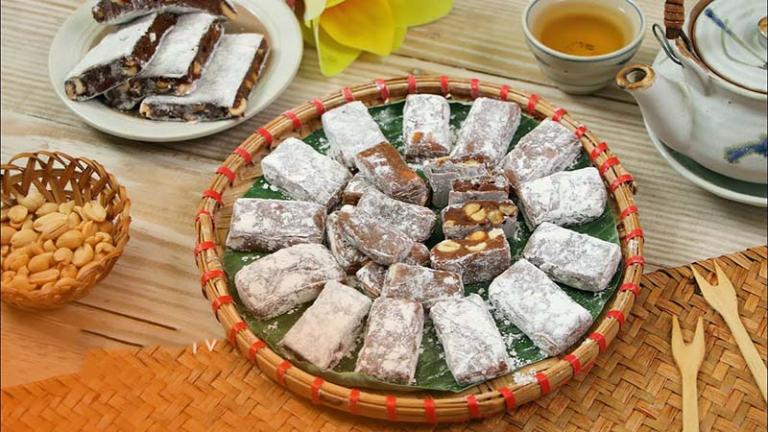
Typically sold in small blocks, Che Lam is ideal for enjoying on the go, offering both a taste of local confectionery and a little boost of energy for exploring the highlands.
Black Grass Jelly
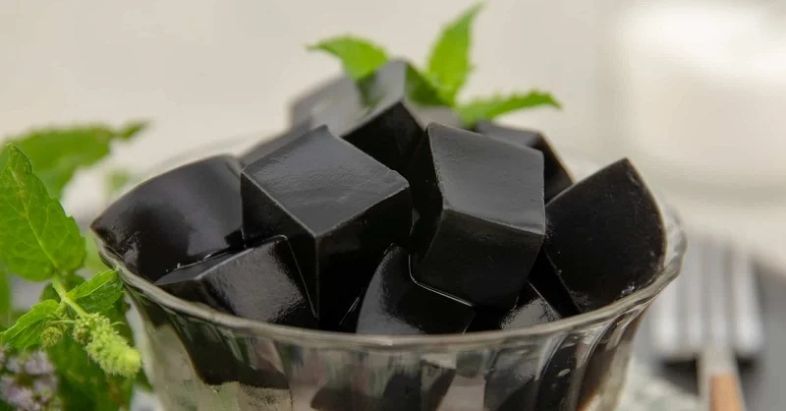
For a cooling dessert, seek out black grass jelly. This jelly is made from boiling a local herb (Mesona chinensis) and setting the liquid into a wobbly, gelatinous dessert. Served with a splash of coconut milk, and sometimes sugar syrup, it’s the perfect cool-down after a day exploring Cao Bang’s caves and mountains, offering a subtly sweet and uniquely local flavor.
Where to Stay in Cao Bang
After a day of exploring waterfalls, trekking mountains, or kayaking the Quay Son River, a comfortable place to rest is essential. The province offers options for every traveler from convenient city hotels to authentic ethnic homestays, letting you choose between comfort and cultural immersion.
The Urban Base Camp (Hotels and Guesthouses)
For travelers seeking convenience and comfort, staying in Cao Bằng City is ideal. The city center offers a wide range of accommodations, from mid-range hotels to budget guesthouses, putting you close to restaurants, transport hubs, and travel services.

Convenience and Options: City hotels like Cao Bang Hotel and Thao Nguyen Hotel provide comfortable rooms, private bathrooms, and reliable Wi-Fi, perfect for planning trips to remote sites like Ban Gioc. For budget travelers, smaller guesthouses offer clean, basic rooms at very affordable rates.
Homestays: Experience Local Life
For travelers seeking authentic experiences, homestays offer a chance to step off the tourist trail and live like a local. The best options are near major attractions, such as Trung Khanh District (close to Ban Gioc Waterfall) or the scenic valleys of Khuoi Ky and Pac Bo.
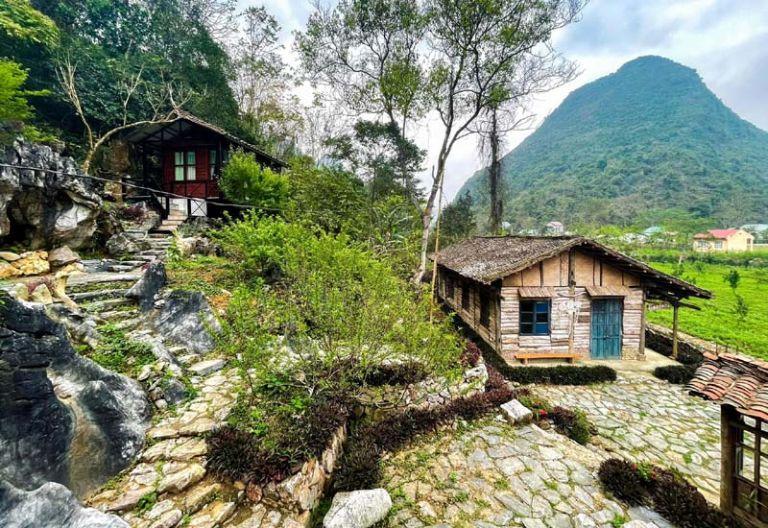
Living with Locals: Staying in traditional stilt houses of the Tay and Nung communities provides a firsthand glimpse into daily life. You’ll enjoy home-cooked meals made from fresh, local ingredients, sip corn wine with your hosts, and create some of the most memorable and meaningful moments of your Cao Bang adventure.
Tips for Traveling in Cao Bang
Cao Bang is stunningly beautiful, but its remote nature means traveling here requires a little more preparedness than visiting a major city. To ensure your adventure is smooth, safe, and truly unforgettable, here are some essential tips for navigating this northern frontier.
What to Pack for Cao Bang: Essentials for Every Season
Cao Bang’s high-altitude, changeable weather means layering is key. In summer, pack light, breathable clothing plus a jacket for cooler evenings or rain. In winter, bring thermal layers and a windproof jacket to stay warm.
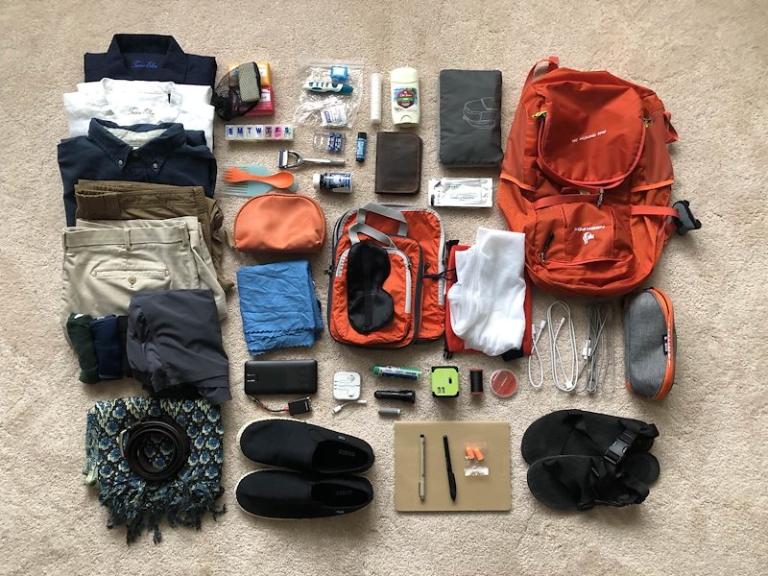
Footwear and Gear: Sturdy shoes or hiking boots are a must for trekking, caves, and waterfalls—leave flip-flops for the city. Don’t forget your camera to capture the stunning scenery and a power bank, as electricity can be unreliable in remote homestays.
Important Travel Tips
Respecting local customs and preparing for logistics will make your trip smoother. Learn a few Vietnamese phrases like “Xin chào” (hello) and “Cảm ơn” (thank you) to communicate with locals, as English is uncommon outside Cao Bang City. Carry a translation app with offline capability.
Bring enough Vietnamese Dong (VND), as ATMs are scarce in remote areas. For motorbike travelers, prioritize safety: wear a helmet, maintain your bike, and drive cautiously on narrow, steep, and winding roads, avoiding night rides whenever possible.
Safety and Health Tips for Cao Bang
While generally safe, Cao Bang requires some precautions. Roads are narrow and winding—drive slowly and stay alert, especially around trucks.
Health Measures: Bring insect repellent for forested or riverside areas, and always drink bottled or properly filtered water. Carry a basic first-aid kit with band-aids, antiseptic, pain relievers, and any personal medications, as medical facilities in remote districts are limited.
In short, Cao Bang isn’t just another stop on the tourist trail, it’s a journey into Vietnam’s soul. From its breathtaking waterfalls and karst landscapes to its vibrant ethnic culture and revolutionary history, every corner offers discovery and awe. For travelers craving authenticity, adventure, and unforgettable scenery, Cao Bang promises memories that will linger long after the trip ends.
Related Posts:
- Discover Cao Bang Loop: A Must-Visit Vietnam Adventure
- Traditional Handicrafts in Cao Bang: Exploring the Rich Craftsmanship of Vietnam
- Phuc Sen Blacksmithing Village: A Timeless Vietnamese Craft Tradition






Be the first to comment!