

Discover Phia Oac National Park: Vietnam’s Hidden Natural Paradise
Phia Oac National Park provides a haven into unspoiled beauty tucked away in Vietnam’s rich northern area. Hikers, nature lovers, and those looking for peace away from the busy metropolis find refuge in this paradise for plant and animal species combined with breathtaking scenery. Let MOTOGO Tours discover this national park.
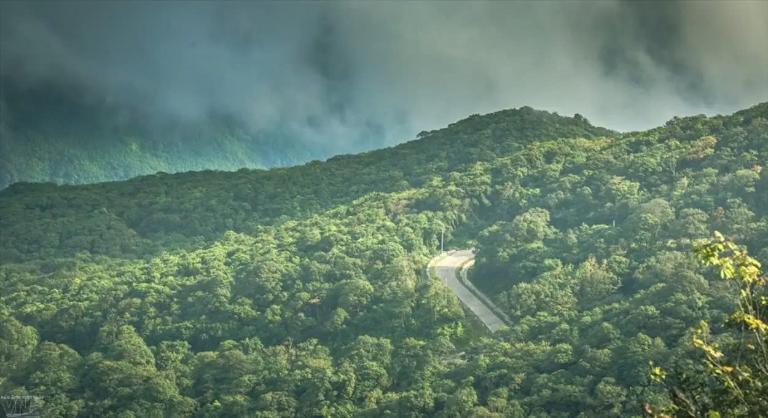
Phia Oac National Park: What You Need to Know
Phia Oac is one of Vietnam’s last untouched wilderness areas, a peaceful, crowd-free escape filled with raw nature and crisp mountain air. Far from tourist hotspots, it offers real adventure and a rare glimpse of Vietnam in its purest, most authentic form.
Discovering Phia Oac: Location and Majestic Peaks
Phia Oac National Park is situated in Cao Bang Province, in the northeastern part of Vietnam. Travelers wishing to discover Vietnam’s less-traveled routes will find this secluded spot near to the Chinese border perfect.
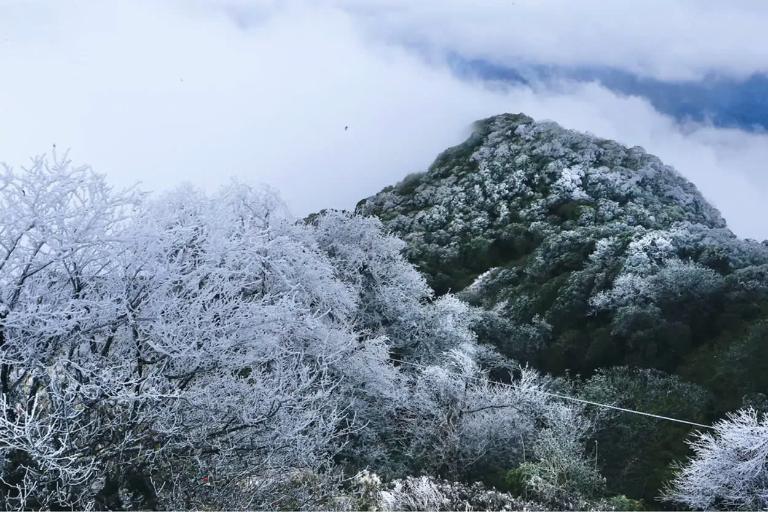
The Phia Oac–Phia Den range is the heart of the park, with Phia Oac Peak at 1,931 meters. Ruins of a French colonial resort add historic charm, while the peaks offer challenging climbs, sweeping valley views, and the misty atmosphere that gives the “Mountain of Fog” its name.
A Climate of Contrast: Experiencing Four Seasons in One Day
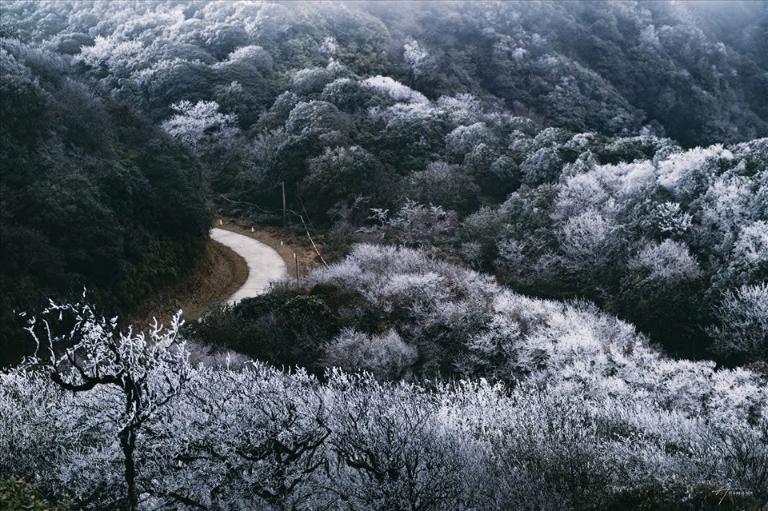
Phia Oac’s elevation brings a unique tropical – mountain climate, letting you experience four seasons in a day from foggy mornings to warm sun, hot midday, and cool evenings. In winter (Dec–Feb), snow and frost occasionally transform the landscape, making every visit visually striking and ever-changing.
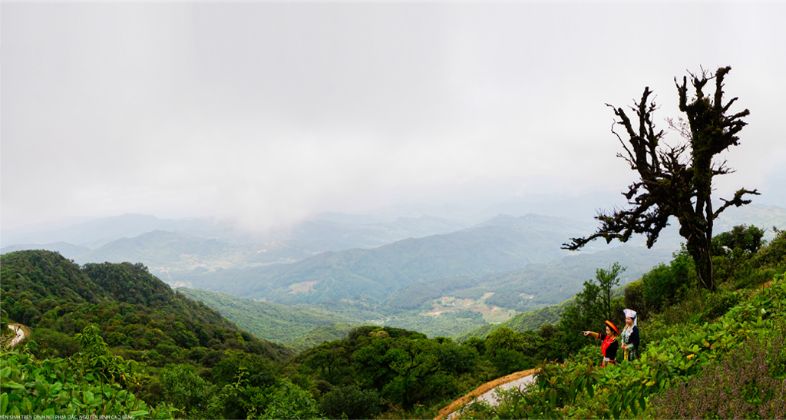
A Tapestry of Biodiversity: The Park’s Ecological Riches
Phia Oac National Park is more than a scenic escape, it’s a vital conservation area. Its steep mountains, deep valleys, and dense forests provide habitats for numerous species, many of which are endemic or endangered.
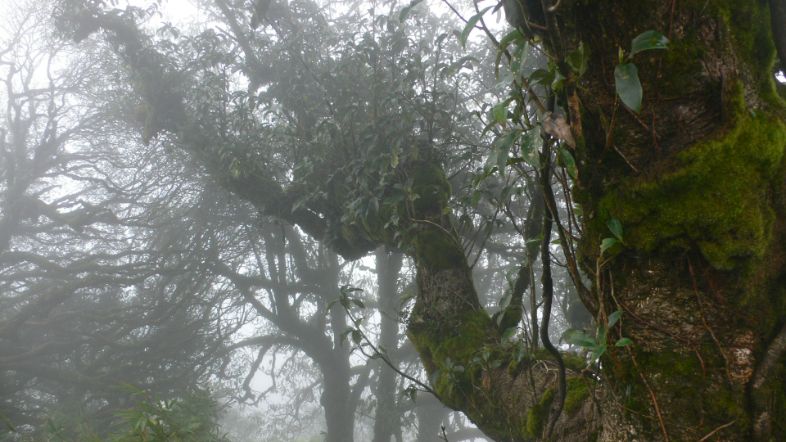
The park’s varied microclimates drive its remarkable biodiversity, making it a living laboratory for nature enthusiasts and scientists alike.
Flora: The Green Jewels of Cao Bang
Phia Oac’s plant life is truly spectacular. As you ascend, the vegetation shifts from lowland broadleaf forests to subtropical evergreen forests at higher elevations. Epiphytes like mosses, ferns, and rare orchids thrive here, with some orchid species found nowhere else.
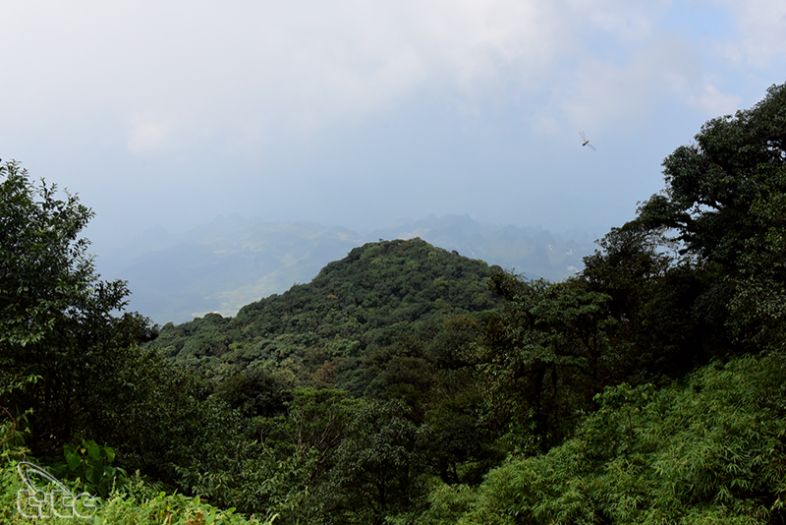
The forest floor is carpeted with vibrant mosses and ancient conifers, while towering timber trees, some centuries old, add to the park’s primeval feel. This rich botanical diversity has earned Phia Oac the nickname “the green lung” of the region.
Fauna: Encounters with Rare Wildlife
Phia Oac is home to a remarkable array of Asian wildlife, though the dense canopy makes sightings a special reward. Mammals include several primates, such as gibbons and macaques, whose calls echo through the valleys at dawn.
Birdwatchers flock here for rare pheasants and hornbills, while the park also shelters endangered species like pangolins and elusive big cats. Insects, especially colorful butterflies, add vibrant life to the forest paths, showcasing the success of ongoing conservation efforts.
>>> Best Places to Visit in Cao Bang: Nature and History Combined
The Unfolding Splendour: Delving Deeper into Phia Oac National Park’s Natural Beauty
Phia Oac National Park captivates with more than just its towering peaks. The interplay of rugged rock, crisp mountain air, and sunlight filtering through ancient forests creates a landscape that feels almost mythological, offering a deeply immersive experience for every visitor.
The Geological Canvas: An Ancient Landscape
Unlike the jagged limestone karsts typical of Northern Vietnam, Phia Oac’s mountains are built from ancient granite, giving them a rounded, massive profile. This granite foundation supports deep, fertile soils, allowing dense, centuries-old forests to thrive and lending the park its timeless, almost primeval feel.
Erosion and weathering have sculpted intricate patterns into the rock faces, while constant mist and rainfall nourish mosses and springs. Every touch of the stone connects you to eons of natural history, making the landscape a living geological canvas.
The Realm of Mist and Cloud: A Constant Transformation
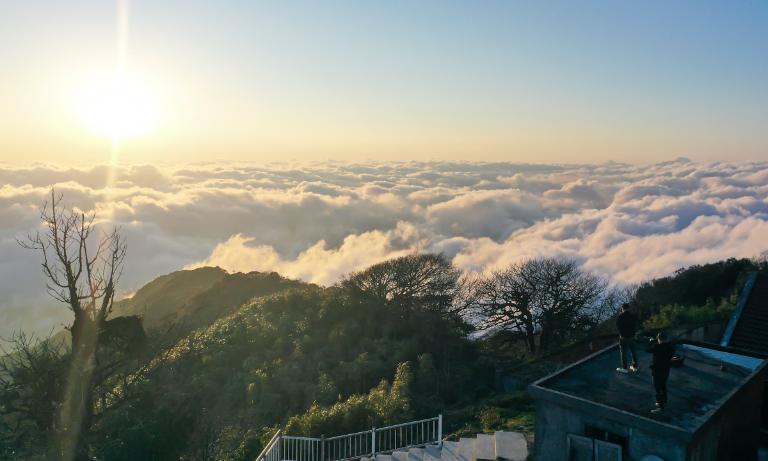
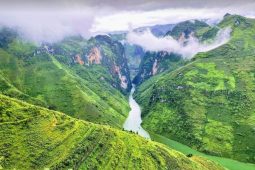
Mist and clouds define Phia Oac, transforming the landscape into a constantly shifting, ethereal world. At higher elevations, trekkers may witness a “sea of clouds” filling the valleys below—a breathtaking, almost spiritual sight that makes you feel both small and profoundly connected to nature.
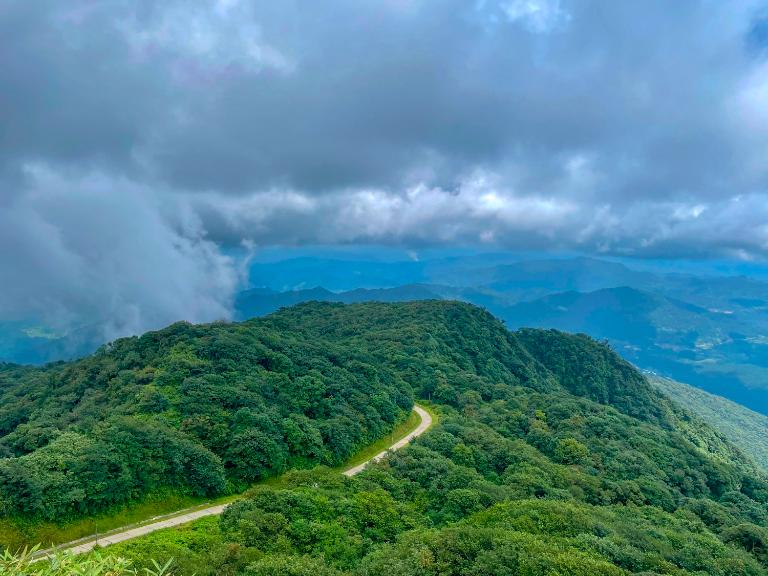
This persistent humidity also nurtures the park’s Cloud Forest ecosystem. Mosses, lichens, and ferns drape every tree, branch, and rock, turning the forest into a vibrant, neon-green cathedral. The soft drip of water and the filtered light create an enchanting, otherworldly atmosphere perfect for photographers and nature lovers alike.
Water’s Masterpieces: Glistening Streams and Hidden Falls
Water is the lifeblood of Phia Oac, with granite slopes and heavy rainfall creating a network of clear, gentle streams and secluded waterfalls. These pristine waterways provide peaceful spots to relax and enjoy the natural surroundings.
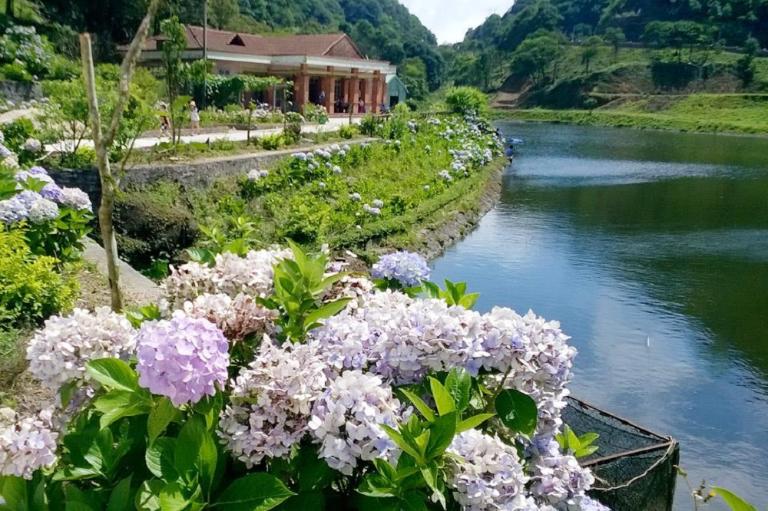
Look closely, and you’ll find minor cascades tumbling over mossy rocks, forming small pools perfect for a refreshing dip. Following a stream, like the one near the old Phia Den station, is a serene way to experience the park’s beauty and the soothing sounds of flowing water.
Winter Wonders: Hoarfrost and Snow in Phia Oac
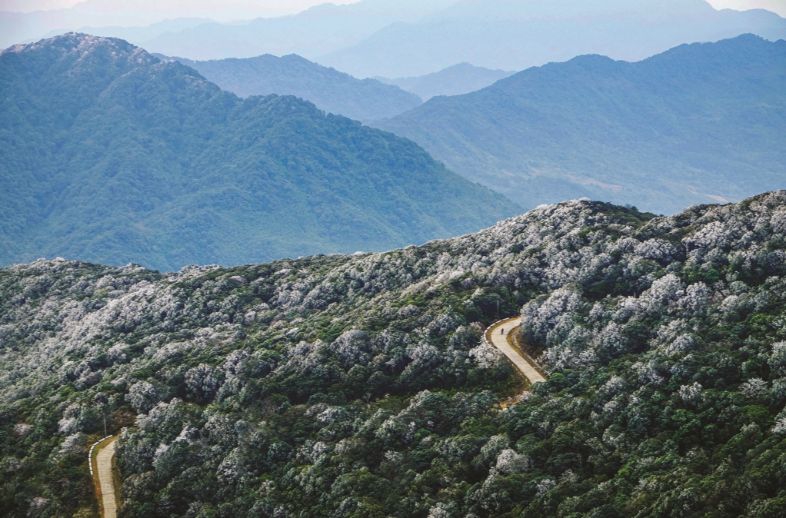
Despite its tropical latitude, Phia Oac transforms in winter when temperatures drop below freezing. Hoarfrost coats every leaf, twig, and blade of grass, turning the forest into a shimmering, icy wonderland.
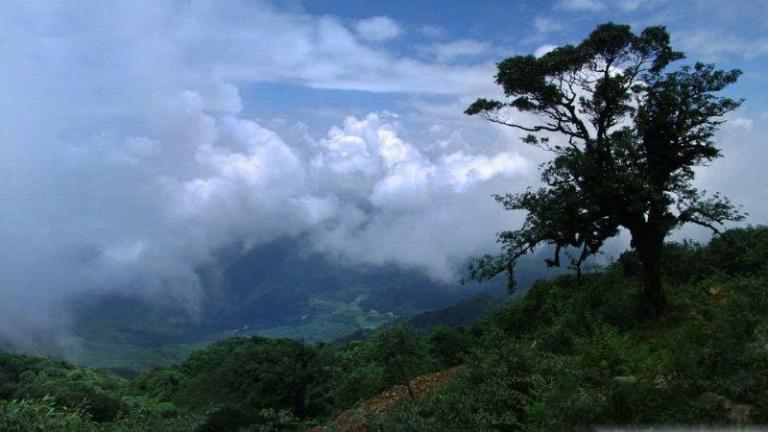
Occasional snowfall adds to the spectacle, blanketing the peaks in white and creating a rare and unforgettable scene—proof of the park’s dramatic natural contrasts.
Embracing the Local Culture: An Ethnic Mosaic
No visit to Phia Oac is complete without meeting the local ethnic minority groups who have cared for this land for generations. Their traditional lifestyles are closely tied to the forest, relying on sustainable use of its resources and helping maintain the park’s ecological balance.
The Indigenous Communities: Tay, Nung, and Dao
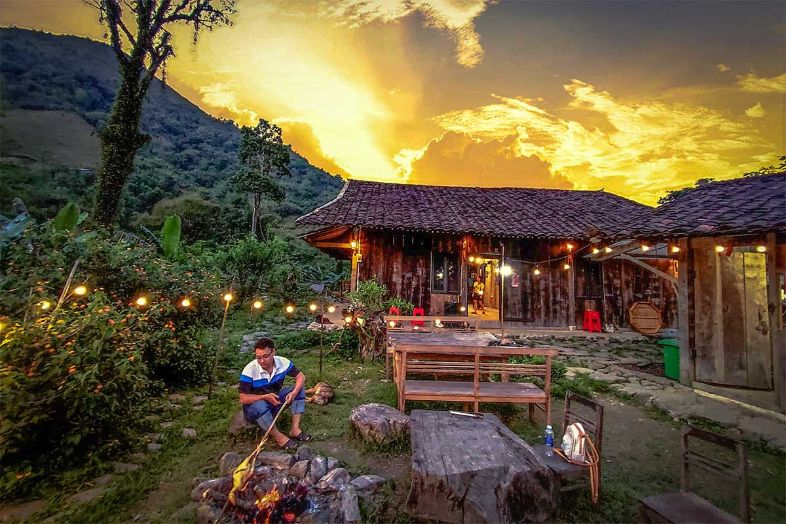
The park is home to the Tay, Nung, and Dao peoples, each with unique cultures, languages, and architectural styles. The Tay and Nung are famous for their stilt houses and rice cultivation traditions, including folk singing like Then.
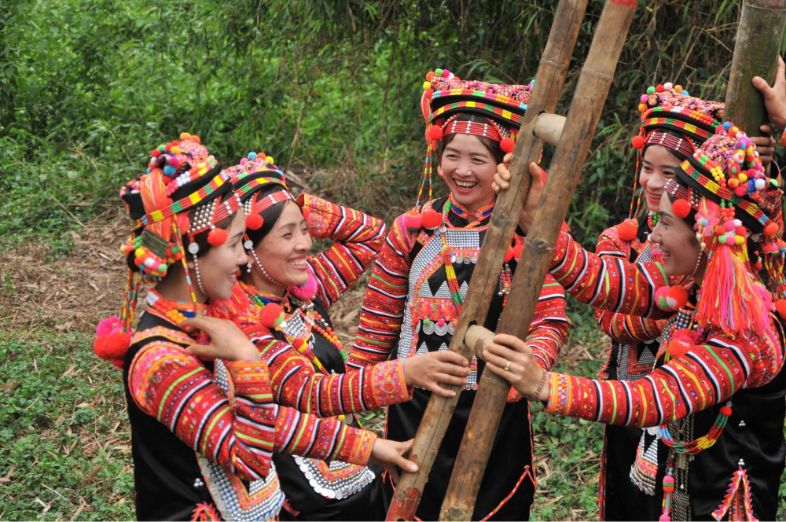
The Red Dao women are known for their vibrant embroidered outfits and distinctive headscarves. Visiting these communities, perhaps sharing a meal in a local homestay offers a memorable glimpse into Vietnam’s resilient highland cultures.
Traditional Lifestyles and Handicrafts
The Tay and Nung women practice traditional crafts like indigo dyeing and brocade weaving, producing beautiful, functional fabrics. The Dao are renowned for their herbal medicine knowledge, passed down through generations.
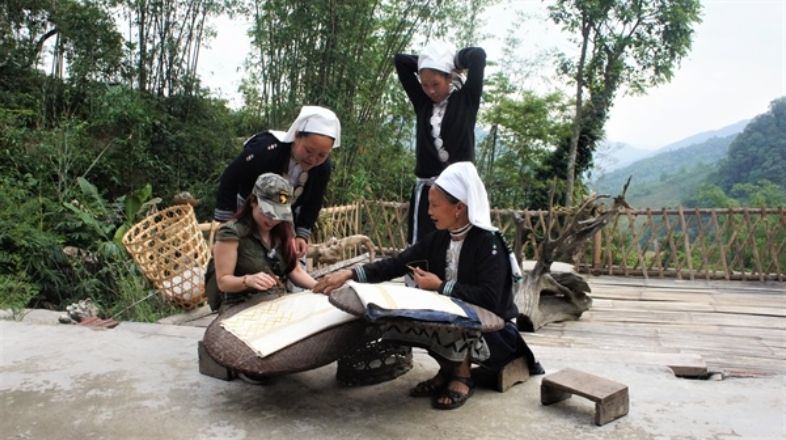
Visiting a local village allows you to witness these ancient practices firsthand, from dye cultivation to the rhythmic sound of the loom. Supporting these handicrafts and staying in traditional homes helps sustain the communities and preserve their cultural heritage.
>>> Let’s see more: Traditional Handicrafts in Cao Bang: Exploring the Rich Craftsmanship of Vietnam
Your Adventure Guide: Things to See and Do
Ready to turn your exploration fantasy into a reality? Phia Oac National Park is a playground for the adventurous spirit, offering activities that cater to every level of enthusiast, from gentle nature walks to rigorous mountain climbs.
Trekking and Hiking Trails: Conquering the Heights
Trekking to Phia Oac Peak is the park’s most popular and rewarding activity. Several challenging, well-marked trails lead through dense forests, past streams, and over moss-covered stones, offering a journey as scenic as the summit itself.
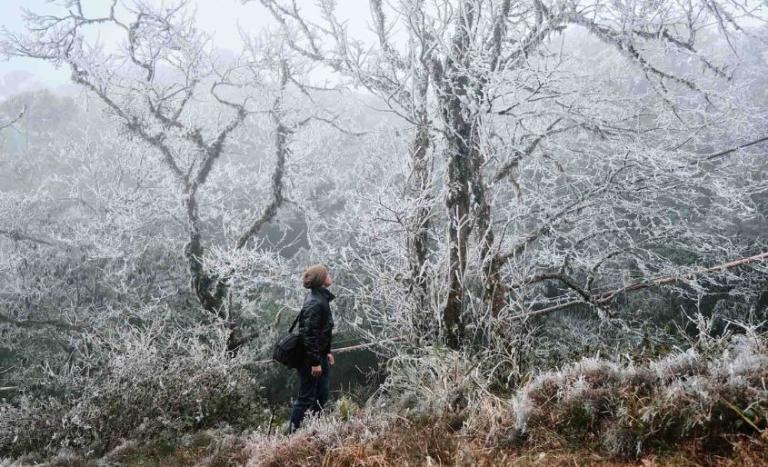
Along the way, you’ll encounter the ruins of a French colonial resort, adding historical intrigue. Hiring a local guide is highly recommended for safety and for their rich knowledge of the area’s flora, fauna, and folklore, making the climb to the cloud-level views even more memorable.
Waterfalls and Caves: Nature’s Sculptures
Phia Oac is home to numerous waterfalls and crystal-clear streams, perfect for a refreshing dip after a hike.
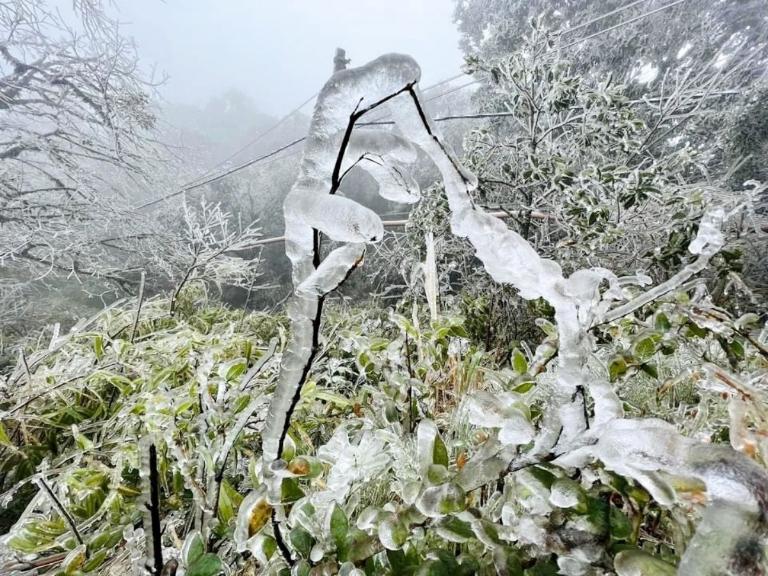
The park’s karst landscape also features several caves with dramatic stalactites and stalagmites. Check locally for the safest, most accessible options, as some caves need specialized gear and guides. Exploring these hidden water and rock formations provides a peaceful contrast to the mountain treks.
>>> Phat Tich Truc Lam Pagoda: Discover Cao Bang’s Spiritual Jewel
Scenic Drives and Motorbiking: The Mountain Road Less Traveled
Sometimes the best way to experience Phia Oac and Cao Bang is on a motorbike or car, cruising winding mountain passes with breathtaking views. For adventure seekers, this region perfectly complements the famed Ha Giang motorbike tours—offering a similar high-mountain thrill but in a quieter, more pristine setting.

The road to Phia Den features tight switchbacks, misty crossings, and panoramic vistas that demand frequent stops. Combined with its proximity to the Ha Giang Loop, this area is a must for road travelers seeking epic mountain scenery and the freedom of the open road in Northern Vietnam.
Wildlife Watching: A Feast for the Senses
Phia Oac National Park is a paradise for wildlife lovers, offering encounters with a wide variety of birds, mammals, and reptiles. Patience is key, but the rewards are unforgettable.
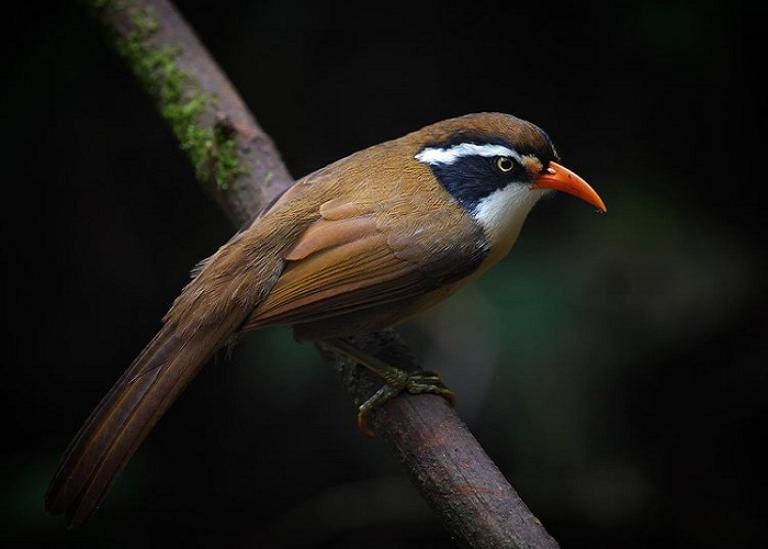
Bird watchers will delight in species like the Red-vented Bulbul and Grey-headed Parrotbill, while the forest is home to rare mammals such as gibbons, monkeys, deer, and occasional wild boar. Hiring a local guide can enhance sightings and ensure safe, respectful encounters with the park’s rich biodiversity.
Photography and Scenic Views: Capturing the Magic
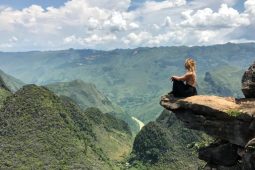
Phia Oac National Park is a photographer’s dream, offering both sweeping vistas and intricate details. Shifting mist and morning clouds create an ethereal atmosphere, perfect for capturing the park’s mysterious beauty.
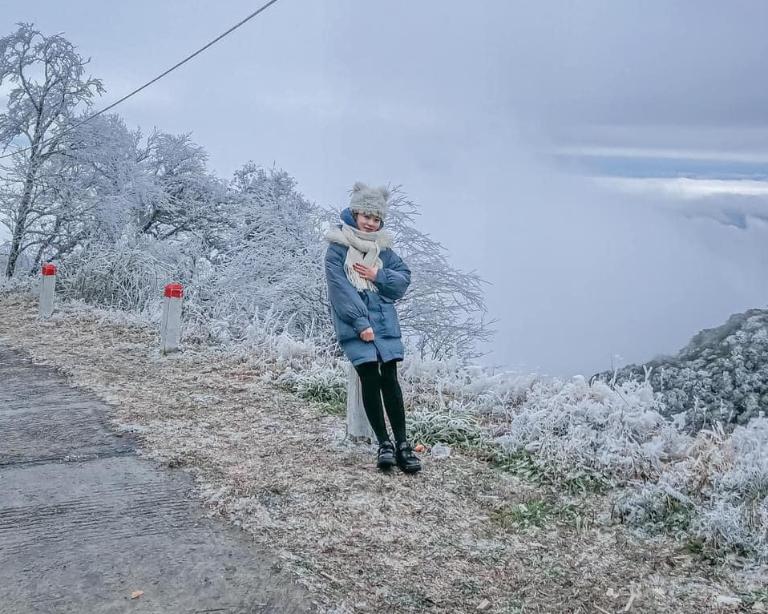
From broad mountain panoramas to close-ups of rare orchids, mosses, and vibrant local life, every corner provides a new photographic opportunity. Key spots include the summit of Phia Oac Peak, secluded waterfalls, and traditional villages, all ideal for capturing the essence of this hidden paradise.
>>> Best Things to Do in Cao Bang:Waterfalls, Caves & Local Culture
Practical Tips for Planning Your Phia Oac Journey
A trip to such a remote and unspoiled location requires careful planning. Here are a few essential tips to ensure your Phia Oac adventure is smooth and enjoyable.
Best Time to Visit Phia Oac
The optimal time is generally from September to November (cool, relatively dry, and clear skies) or March to May (warmer, with lush greenery). Avoid the peak rainy season (June-August) when trails can become muddy and dangerous. If you want to see hoarfrost/snow, visit in late December or January, but be prepared for intense cold.
Getting There: Transportation to Phia Oac
Phia Oac National Park is best reached via Cao Bang City. The most common routes are a sleeper bus or a private car/limousine van from Hanoi (an approximately 8-10 hour journey).

Once in Cao Bang, you will need to rent a motorbike or hire a private driver to reach the park area (about 2-3 hours drive). The roads are mountainous and winding, so caution is advised.
>>> Thang Hen Lake: A Picturesque Destination for Nature Lovers
Accommodation
The best way to experience the area is through a homestay in one of the ethnic villages, such as the Phia Den area. This allows you to directly support the local economy and immerse yourself in the culture. Expect simple, clean, and heart-warming hospitality rather than luxury resorts.
What to Pack for a Visit
Traveling to Phia Oac requires packing for a variety of circumstances. Please bring:
- Footwear: Sturdy, comfortable hiking boots with ankle support and good grip are essential. Waterproof boots are a plus due to wet, mossy trails and frequent streams.
- Layered Clothing: Pack thermal base layers, a fleece or wool mid-layer, and a warm jacket. Temperatures can drop sharply, especially at the summit or in winter months.
- Rain Protection: A waterproof jacket or shell is a must, and waterproof trousers are recommended for extended hikes in mist or rain.
- Camera Gear: Bring a camera, extra batteries, and memory cards to capture cloud forests, mountain vistas, and the park’s ethereal scenery.
- Lighting & Safety: A flashlight or headlamp is essential for darker trails or caves. Include a small first-aid kit for minor injuries.
- Hydration & Sun Protection: Carry a reusable water bottle, high-SPF sunscreen, and insect repellent to stay safe and comfortable throughout the day.
>>> Explore Tips for a Successful Cao Bang Loop Tour
Respecting Nature and Local Culture: Be a Mindful Explorer
Visiting Phia Oac National Park is a privilege, and it comes with the responsibility to protect both the environment and local communities. Follow Leave No Trace principles—take all litter with you and stay on designated trails to avoid harming delicate plants and causing soil erosion.
When observing wildlife, keep your distance and never feed animals, letting them remain undisturbed in their natural habitat. Engage respectfully with the Tay, Nung, and Dao communities. Always ask permission before photographing locals, dress modestly in homes or communal areas, and support the community by buying handicrafts directly or staying in locally-owned homestays.
Phia Oac National Park is the perfect escape for anyone seeking tranquility in nature while exploring Vietnam’s untamed beauty. This place will let you stray from the norm and provide a close relationship with the surroundings and culture. Don’t overlook the hidden beauties Phia Oac has to show if you’re going to northern Vietnam. It can simply be the high point of your trip.
Related Posts:
- Ban Gioc Waterfall: Vietnam’s Majestic Natural Wonder
- Best Places to Visit in Cao Bang: Nature and History Combined
- Discover the Pac Bo Historical Site: The Birthplace of Vietnam’s Revolution
- Ma Phuc Pass: Conquer Vietnam’s Most Scenic and Thrilling Mountain Road



Be the first to comment!