

Ha Giang in Summer: A Complete Travel Guide
Have you ever pointed to the wildest spot on the map and felt the call to go? For many, that place is the Ha Giang Loop. While most visit in the dry season, summer offers a greener, wilder, more authentic experience. MOTOGO Tours proudly introduces Ha Giang in summer – an unforgettable adventure for those who embrace the unexpected.
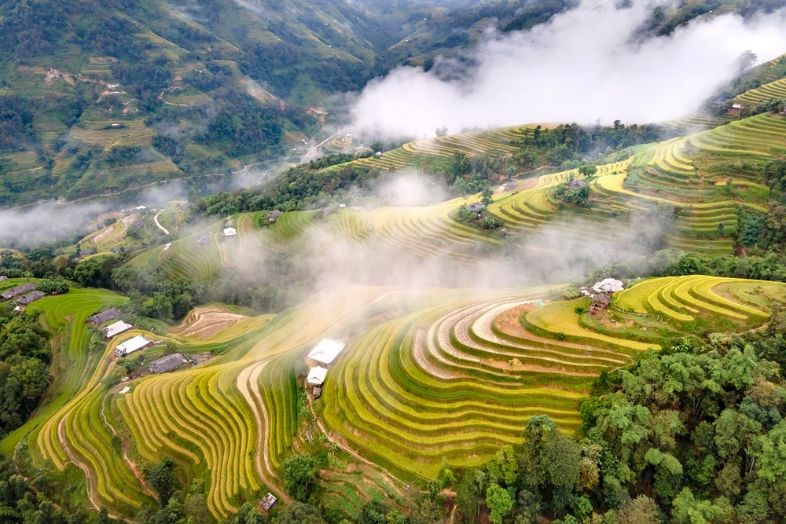
Key Characteristics of a Ha Giang Summer
Summer reveals a different side of Ha Giang: lush green mountains, fewer crowds, and a raw, untouched beauty shaped by seasonal rains. Consequently, visiting in summer allows you to experience the Loop at its most vibrant, authentic, and adventurous.
Weather and Climate: What to Expect
Summer in Ha Giang lasts from June to August, with daytime temperatures ranging from 25°C to 32°C in the valleys. However, thanks to the highland elevation, the climate feels cooler and fresher than in cities like Hanoi.
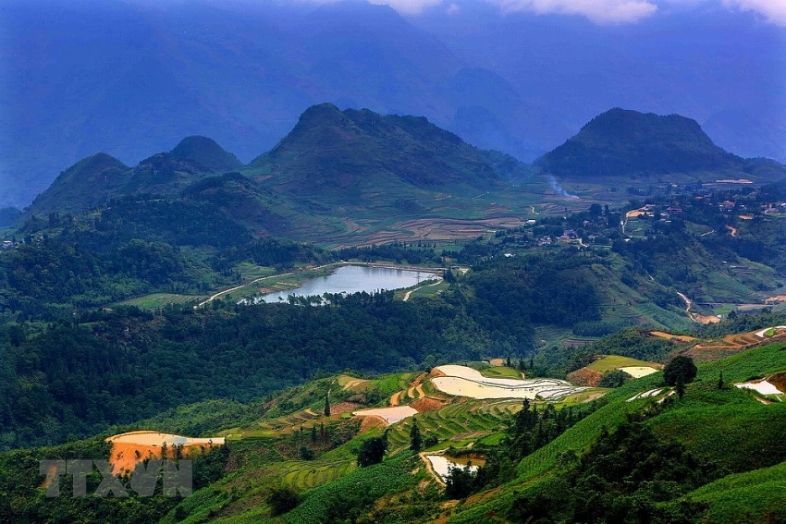
Mornings and evenings can be surprisingly cool, especially in Dong Van or Meo Vac, so a light jacket is recommended. Meanwhile, the defining feature of summer is the seasonal rain, which both shapes the landscape and enhances the adventure.
Navigating the Rainy Season Myth
Summer in Ha Giang does fall within the rainy season, but rain rarely lasts all day. Most days begin with bright, clear mornings, followed by short, heavy showers in the afternoon or evening. These downpours refresh the air, wash dust from the roads, and leave the mountains looking vivid and sparkling.
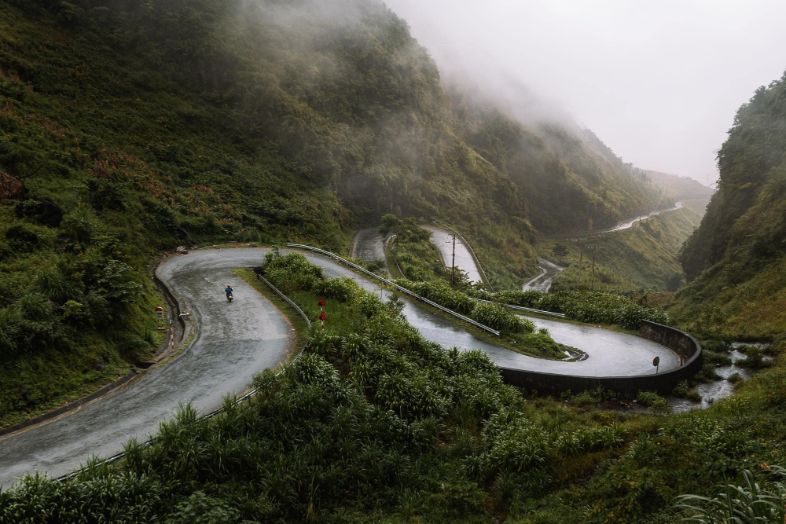
Hitting the road by 7 or 8 AM lets you cover most of the journey before the rain arrives. Additionally, when the mist and rain sweep across the peaks, they create a dramatic, moody atmosphere that you cannot experience in the dry season.
The Vibrant Green Landscape
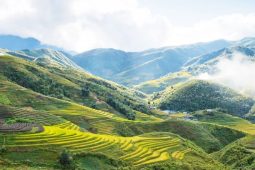
Summer rain transforms Ha Giang’s rocky mountains into a sea of vivid green. For example, the iconic terraced rice fields appear at their most beautiful, with water-filled paddies reflecting the sky or young rice glowing in luminous shades.
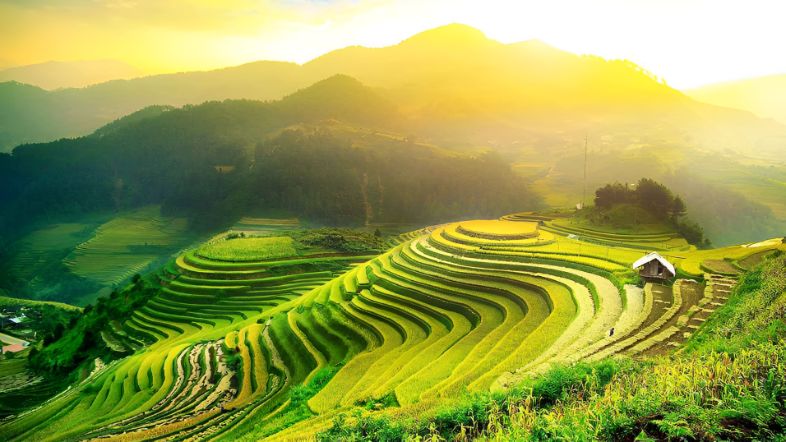
From early to late summer, the scenery constantly changes. In June and July, terraces act like mirror-like surfaces, while August turns the fields golden as the harvest approaches. Therefore, set against dark stone peaks, this rich palette creates a dramatic, photogenic landscape unmatched by the dry season.
>>> Ha Giang Weather Tips for Travelers: Best Months to Explore
Must-Visit Highlights of Ha Giang During the Summer Months
Every twist and turn in Ha Giang reveals a new vista, but some places are simply non-negotiable, especially when the summer greenery is in full swing.
The Ma Pi Leng Pass: A Sublime Spectacle
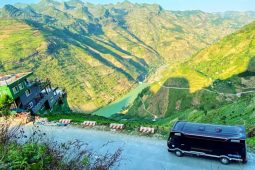
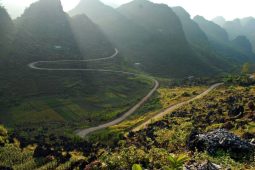
If there is one place that encapsulates the sheer scale and beauty of Ha Giang, it is the Ma Pi Leng Pass. Often dubbed one of the “Four Great Passes” of Vietnam, the road carves itself into the side of a colossal cliff face, offering dizzying views down into the Nho Que River gorge.
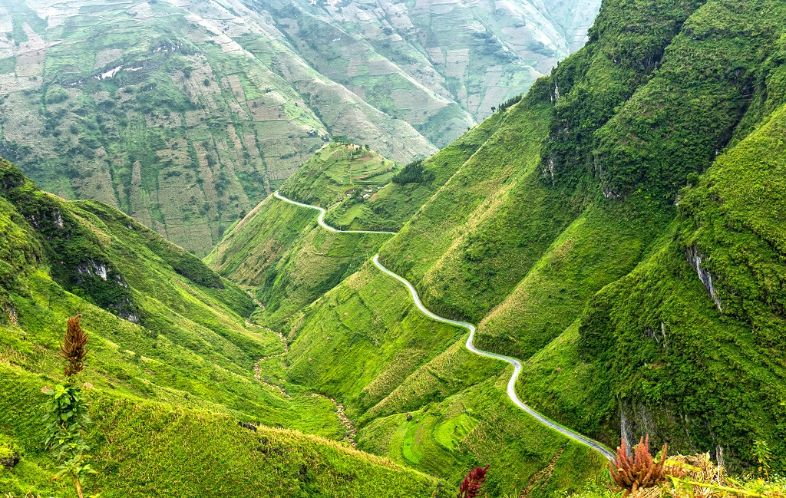
In summer, the river flows deeper, and thick vegetation covers the canyon walls. You will want to stop every few hundred meters to absorb the scenery. Its scale defies photography and makes you feel tiny before nature’s majesty.
Experiencing the Tu San Canyon
At the base of Ma Pi Leng Pass lies Tu San Canyon, the deepest gorge in Vietnam, carved by the winding Nho Que River. The most rewarding way to explore it is by boat, drifting slowly through a landscape shaped by time and stone.

During summer, lush green canyon walls rise above jade-colored water, creating a striking and tranquil scene. Gliding between the towering cliffs offers a calm, humbling contrast to the dramatic ride above—an unforgettable moment of serene beauty that deserves a place in your itinerary.
Dong Van Karst Plateau Global Geopark
The entire region belongs to the UNESCO-listed Dong Van Karst Plateau Global Geopark, celebrated for its extraordinary geological history. In summer, rainfall highlights the dramatic karst landscape, accentuating the sharp, rugged limestone peaks that define Ha Giang.
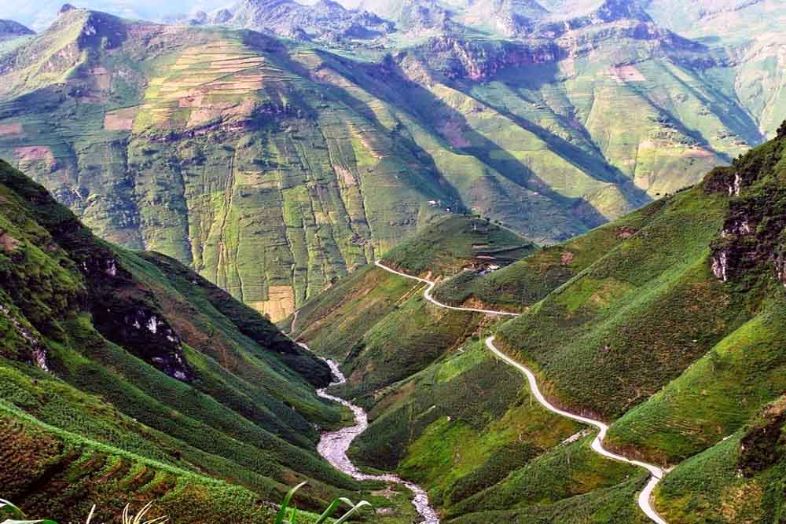
As you explore the valleys, you’ll witness how local communities have adapted to this harsh terrain over generations. Towns like Dong Van and Meo Vac come alive on market days, where the cultures of the H’Mong, Tay, and Dao people are vividly displayed through bustling trade and daily life.
Exploring Lung Cu Flag Tower
Standing at Vietnam’s northernmost point, Lung Cu Flag Tower is both a powerful symbol and a must-see landmark. The climb can be challenging in the summer heat, but the sense of achievement makes it worthwhile.
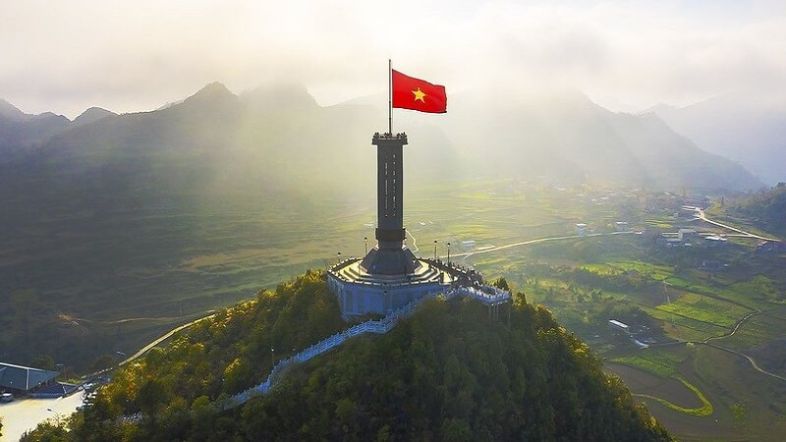
At the top, the massive national flag represents unity and sovereignty, while panoramic views stretch across northern Vietnam toward the Chinese border. It’s a moving moment of reflection and an unforgettable photo opportunity.
>>> Let’s see more: Tips for Solo Travelers and Group Tours on Alternative Routes in Ha Giang
The Royal Palace of the H’Mong King
Just outside Dong Van town stands the Vuong family’s palace, often called the H’Mong King’s Palace. Built in the early 20th century, this striking complex blends Chinese, French, and traditional H’Mong architectural styles.
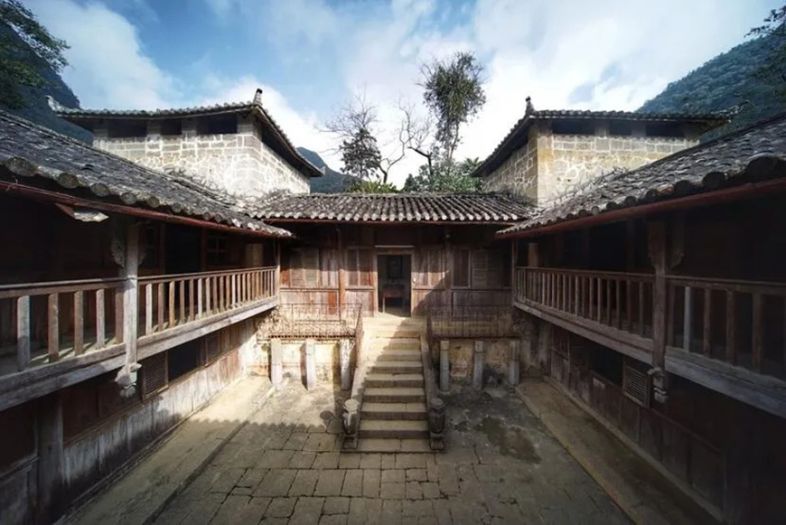
Consequently, the palace offers a rare window into Ha Giang’s feudal past and the power the H’Mong elite once held. Walking through its courtyards and halls adds cultural depth to your journey, enriching the experience beyond the region’s dramatic landscapes.
Essential Summer Activities and Experiences
Ha Giang is not a place for passive sightseeing; it’s a destination that demands participation. Your visit will be defined by what you choose to do, not just what you choose to see.
Riding the Ha Giang Loop: The Ultimate Adventure
The Ha Giang Loop is the heart of the journey, a 300 to 350 km circuit of winding mountain roads, steep passes, and dramatic elevation changes. It requires focus and respect, but the feeling of freedom and accomplishment is unmatched, especially when traveling with professional Ha Giang motorbike tours.
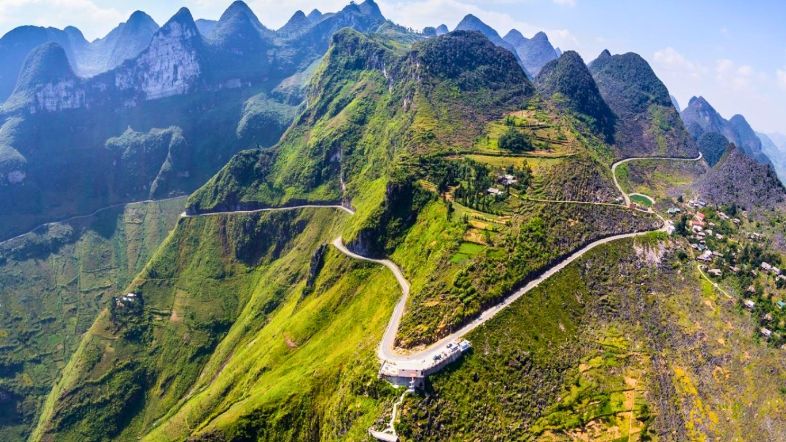
Road conditions in summer are generally good, though riders should stay cautious of wet surfaces after afternoon rain and occasional minor landslides. Along the way, you will pass terraced rice fields, deep valleys, and mountain passes that seem to touch the clouds, making this ride a true adventure worth earning.
Discovering the Hidden Waterfalls and Natural Pools
ummer rains bring Ha Giang’s waterfalls and pools to life, creating perfect spots to cool off after a ride. Highlights include Tien Waterfall, Khau Lan Waterfall, and Luong Waterfall, each offering lush scenery and peaceful escapes.
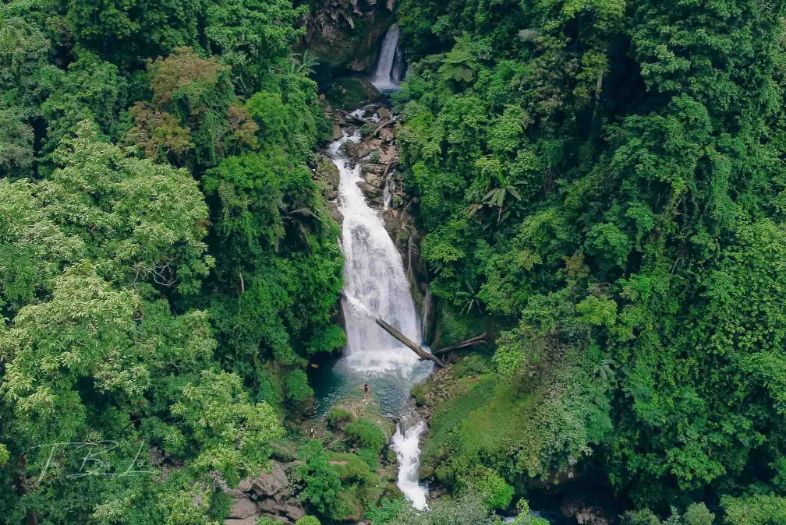
In addition, small streams and hidden cascades in Quan Ba and nearby valleys provide refreshing bathing spots. Bring swimwear and always respect local customs and village privacy while enjoying these natural gems.
Engaging with the Vibrant Markets
Ha Giang’s markets, especially in Dong Van and Meo Vac, are more than shopping spots—they are lively cultural hubs where H’Mong, Dao, Tay, and Lo Lo communities gather in colourful traditional attire.
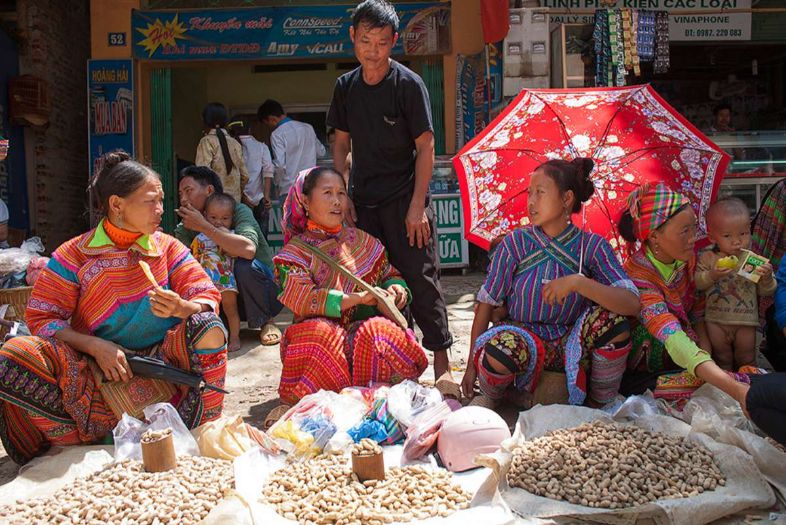
Therefore, summer is the best time to experience this energy. Locals trade livestock, fabrics, and unique produce while socializing. Grab a bowl of local pho or sticky rice and soak in the sights, sounds, and interactions for an authentic glimpse into the region’s vibrant way of life.
Trekking and Hiking Through the Rice Terraces
While motorbikes cover the long distances, exploring Ha Giang’s terraced fields on foot reveals their full scale and beauty. In summer, the lush greenery makes trekking through these landscapes especially stunning.
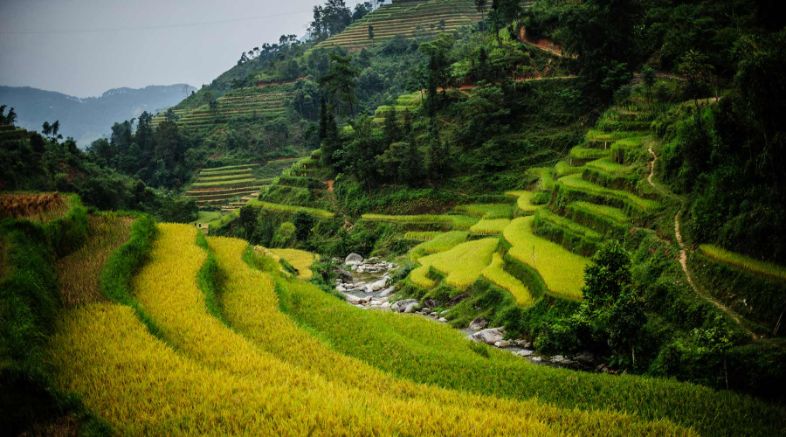
A visit to Hoang Su Phi from June to August offers guided treks through UNESCO-listed terraces, perfect for photos, fresh mountain air, and connecting with local farming life.
>>> Ha Giang Loop Map: Your Ultimate Guide to Adventure
Learning Traditional Handicrafts and Techniques
Many homestays and community tourism projects in Ha Giang offer workshops where you can engage directly with local skills. The H’Mong and Dao people are famous for their textile work, specifically hemp weaving and indigo dyeing. Observing or trying the process of creating deep blue patterns provides a hands-on experience and a meaningful, authentic souvenir.
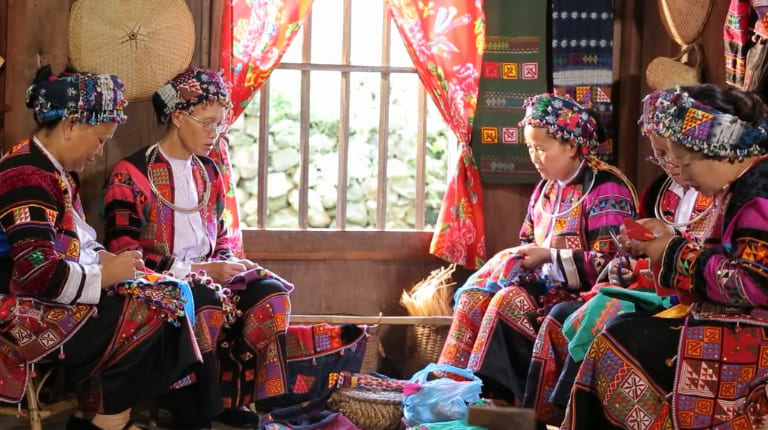
Connecting with Local Cultures: Homestay Experiences
Staying in local homestays immerses travelers in the daily life of Tay, Dao, and H’Mong families. In summer, as families prepare for the rice season, sharing meals and stories or joining a rice wine gathering creates a genuine connection to the culture and spirit of the region.
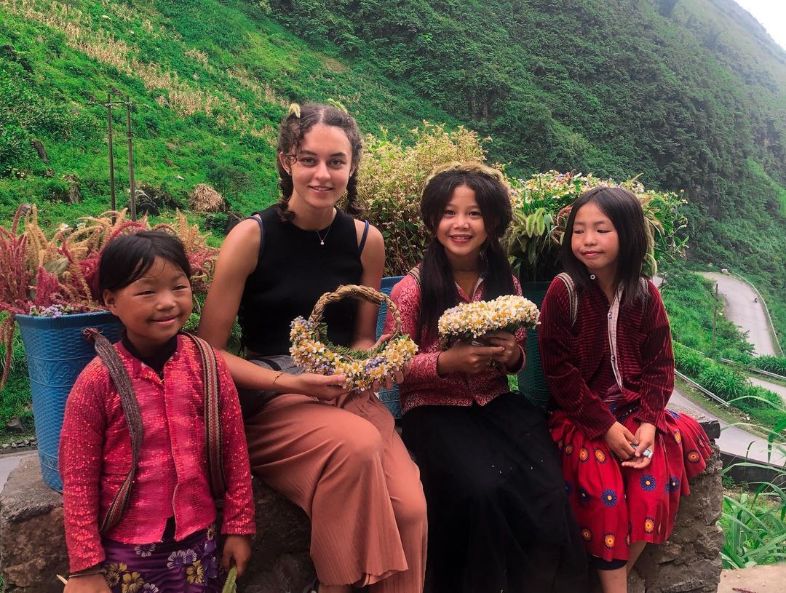
Ha Giang Culinary Highlights
The mountain cuisine of Ha Giang is hearty, unique, and utterly delicious, reflecting the ingenuity of the local ethnic groups who thrive in this challenging terrain. Beyond that, the food tells a story of survival, tradition, and community. Look out for dishes like:
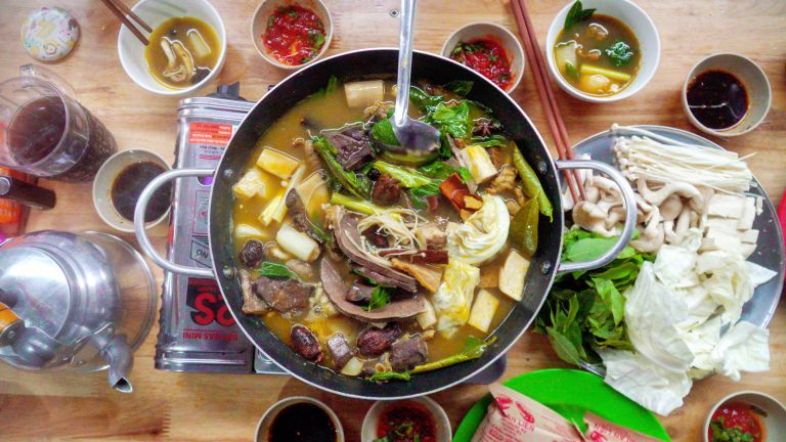
Thang Co
Thang Co is a traditional H’Mong stew made mainly from horse meat and shared during festivals or market days. Simmered with organs and aromatic local spices like cardamom, star anise, and cinnamon, it has a rich, warming flavor and offers a truly cultural and adventurous culinary experience.
Au Tau Porridge
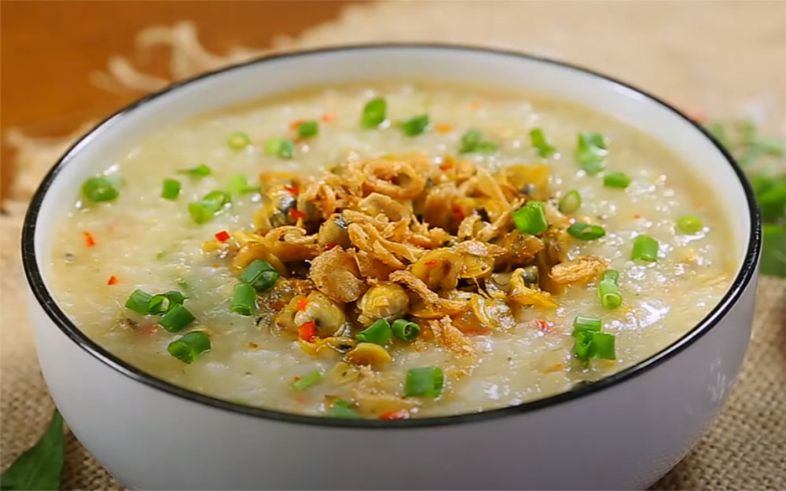
Au Tau Porridge is a complex, slightly bitter dish traditionally eaten in the evening to fight the cold. Made from rice and carefully prepared Aconitum root, it is considered medicinal by locals and enriched with pork trotters. Generally, it is served piping hot, as locals believe it restores energy after a long day riding the Loop.
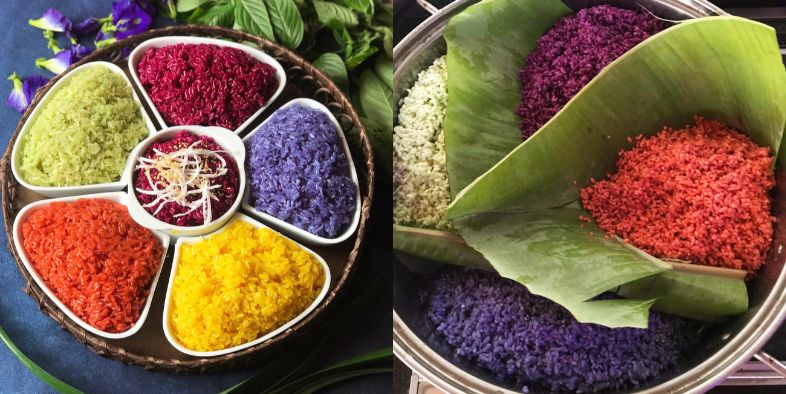
Five-Colour Sticky Rice
Five-Colour Sticky Rice is a naturally dyed sticky rice dish often prepared for special occasions such as Tết or weddings. Furthermore, its five vibrant colours, made from leaves, roots, and fruits, symbolize the five elements in Eastern philosophy, creating a sweet, fragrant dish that is as beautiful as it is delicious.
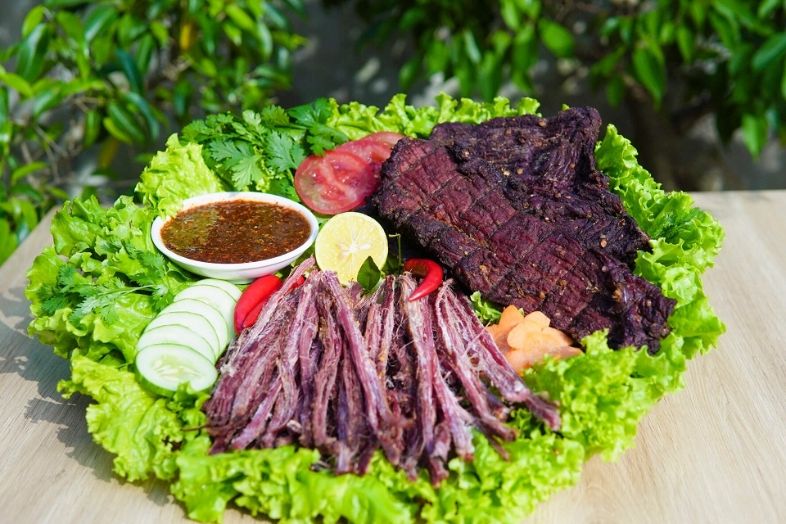
Smoked Buffalo Meat
Smoked Buffalo Meat is the mountain version of cured meat. To prepare it, buffalo or pork is marinated with chili, ginger, and mắc khén, and then smoked above the kitchen fire for weeks. The result is a chewy, aromatic delicacy with a smoky, spicy kick, perfect as a travel snack or enjoyed with a glass of rice wine.
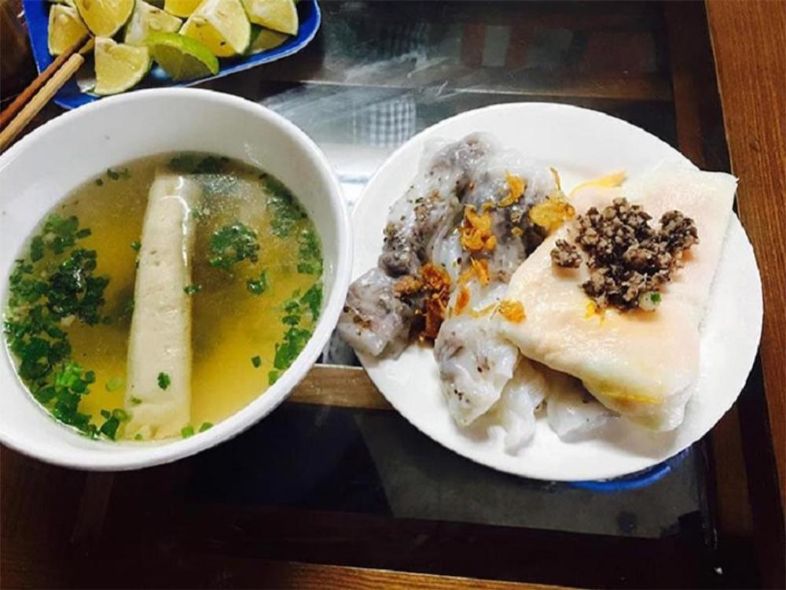
Rolled Rice Pancakes with Bone Broth
Rolled Rice Pancakes with Bone Broth is a Ha Giang specialty that is unlike the version found in Hanoi. In this local style, delicate steamed rice rolls filled with minced pork and wood ear mushrooms are served in a hot, savory bone broth, sometimes with a raw egg gently cooked by the heat. Ultimately, this warm, comforting dish is unique to the region, making it a perfect breakfast or snack.
>>> Discover the Best Things to Do in Ha Giang Loop
Practical Tips for a Perfect Ha Giang Summer Trip
A little preparation goes a long way when tackling an adventure of this magnitude. Heeding a few pieces of advice will ensure your summer trip is smooth and enjoyable.
Packing Essentials for the Heat and Rain
Packing for summer in Ha Giang requires a balance, you need to be prepared for both the intense sunshine and the sudden downpours.
- Waterproof Gear: A good-quality, lightweight rain jacket and waterproof trousers are non-negotiable. Don’t rely on a flimsy poncho! Also, waterproof bags or covers for your backpack and electronics are essential.
- Clothing: Pack light, breathable, quick-drying clothing. Think synthetic blends or quick-dry fabrics rather than heavy cotton. Long sleeves and trousers offer protection from the sun and insects.
- Sun Protection: Sunglasses, a wide-brimmed hat, and high-factor sunscreen are must-haves. The sun at altitude is incredibly strong.
- Footwear: Sturdy, waterproof trekking shoes or boots are ideal, as roads can get muddy and slippery.

Safety First: Road Rules and Preparation
The Ha Giang Loop is challenging even for skilled riders. Always prioritize safety.
- Ride Slow: Don’t rush. The views are best enjoyed at a moderate speed, and corners can be unforgiving.
- Horn Use: Use your horn liberally around blind corners, as trucks and buses also navigate these roads.
- Monitor Weather: Check the forecast, and if a heavy storm is brewing, take shelter. Do not ride in heavy rain or low visibility fog.
- Petrol and Cash: Fill up whenever you see a proper petrol station, and withdraw cash in major towns like Ha Giang city or Dong Van, as ATMs are scarce on the Loop itself.
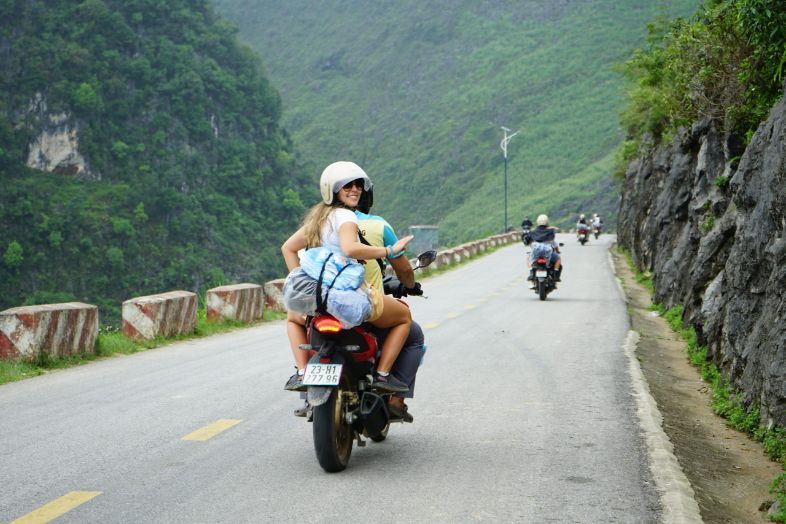
Ha Giang in summer offers a unique adventure with emerald mountains, misty villages, and the dramatic Ma Pi Leng Pass. Rain and heat are minor inconveniences compared to the thrill of riding the winding roads, connecting with local H’Mong families, and immersing yourself in ancient cultures. Pack your rain gear and set out to create unforgettable memories in Vietnam’s far north.
Related Posts:
- Thon Tha Village: A Serene Haven at the Foot of Tay Con Linh
- Lo Lo Chai Village: A Tranquil Retreat At The Nation’s Frontier
- Nam Dam Village: A Timeless Haven of Cultural Harmony
- Experience Suoi Thau Grassland: The Untamed Beauty of Ha Giang
- Lung Tam Village in Ha Giang | A Deep Dive into the Village’s Traditional Linen Weaving Craft






Be the first to comment!